
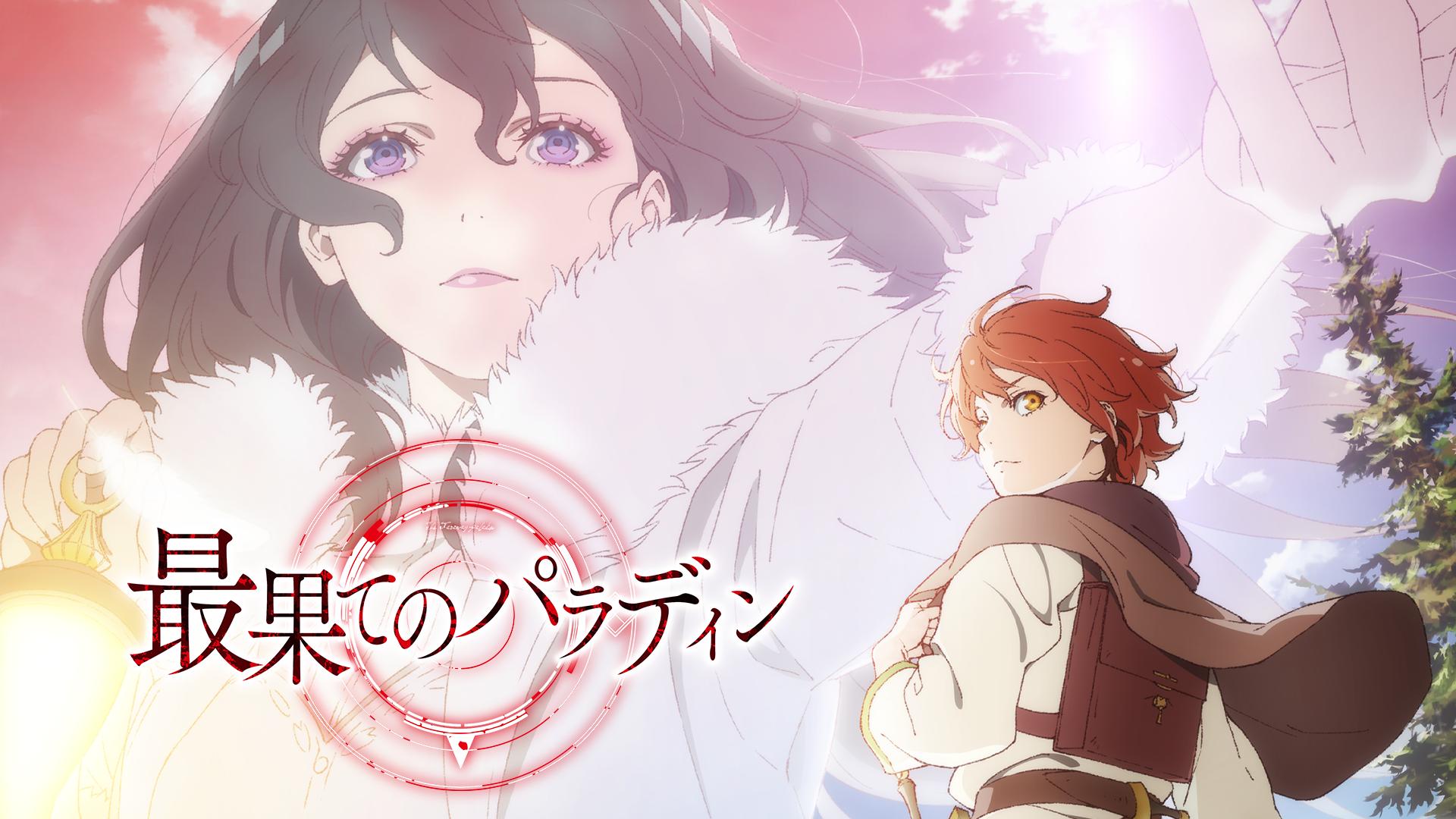
Paladin of the Most Farther End" is a Japanese light novel by Kanata Yanagino that began serialization on May 1, 2015 on the novel submission website "Shosetsu-ka Naro"; on September 25, 2017, a comic book version by Mutsumi Okuhashi began monthly serialization on the web comic magazine "Comic Garde". An animated TV series has been in production since October 2021. The work is classified as a "reincarnation story" and is an otherworldly fantasy featuring a boy who was raised by immortals (undead) in a remote area while having memories of his previous life. The work is popular for its overwhelmingly profound worldview.
He is an ambitious man who hangs out at a bar and tries to rise by his ability. There are many non-professional adventurers such as seasonal workers and seamen, and he goes on an adventure when he hears a story that seems to be making money.
Mad Man
Among adventurers, it refers to those who like high-risk jobs, such as searching for unexplored sites, chasing prize heads, and subjugating demons. Because of this, there are those who gain wealth and fame, but the death rate is extremely high and they are called "mad men" by their peers.
Bluff
"Bluffs" like low-risk jobs. They vary in content, from escorting people and luggage to guarding stores. Contrary to their image, bluffs are not always weak, and they are opposed to "mad men."
Words, Lines, Scenes and Scenes of "The Paladin of the Extreme"
Will: "At first, I thought that I had fallen into hell. I ended my life in a way that was so vague that I couldn't help it. I fell into hell and was punished. but no, it's not a punishment. This must be Grace."
When Will had just been reincarnated in this world. Still a baby, Will was carried outside in Marie's arms. There, he saw the magnificent scenery of this world and was convinced. "At first, I thought I had fallen into hell. I ended my life of hopelessly vague, I fell into hell, and I was punished. but no, it's not punishment. This must be Grace." This scene, in which Will decided to live the life he was given once again, this time in the right way, is something to think about.
Will: "To be mindless is not to think nothing. To drive out the past and the future and concentrate on the present."
As Will said during his "silent prayer," "To be heartless is not to think nothing. To cast out the past and the future, and to concentrate on the present." As the story says in prayer to God, there is overlap in our lives.
Will - "There's a big difference between being alive and not being dead."
"There's a lot of difference between being alive and not dead," Will looks at Blood and thinks. Undead can exist in this world for a long time, but they don't grow. But there are some ways of fighting that Undead can do. You can do it now, but there are some things that you can't do when you get old. Will's lines give a push to people who can't do what they want.
Will: "I want to live and die as a family of those three."
The scene is a decisive battle between Will and the Unrei-Gami スタグネイト. During the battle, Will understands the weight of life and the despair of death by facing his own death. In his consciousness, he vows his faith again to the God of Light, Gracefeel. At that time, Will says, "I want to live and die as a family of those three." This is a line that conveys the feeling and bond of wanting to protect Will's three people at all costs, even though they are not connected by blood.
Will: "That line sounds like a third rate villain, God."
Will's words when confronted with the Unrei-Gami スタグネイト. Will boldly confronts the God who could not win even three heroes in the past by saying, "That line sounds like a third rate villain, God." This is certainly a top scene in this work.
Brad: "Even if we're gone, people, surprisingly, don't die after eating and sleeping, and they find other important things to do. They'll live on after all.
When Will, now a 15-year-old adult, sets out on his own, Brad says, "Even if we're gone, if we eat and sleep, we won't die we won't die. We'll find other things that are more important than human beings. We'll live in one way or another." This is like putting a burden on the shoulders of people who are worried about new environments and challenges.
Marie: "But love, do good, do not be afraid of loss, make rather than break, give forgiveness to sin, hope to despair, joy to sorrow, and protect the weak from all violence, as you have done for us against the Immortal God."
Mary tells Will, who is now a 15-year-old adult and sets out on his own, "Still, love people, do good things, don't be afraid of loss, make rather than break, give forgiveness to sin, hope to despair, joy to sorrow, and protect the weak from all kinds of violence, as if you had challenged the Immortal God for us." It is no exaggeration to say that Will grew up gentler and stronger than anyone else thanks to his mother, Mary, and this line.
Will versus スタグネイト Gas versus スタグネイト
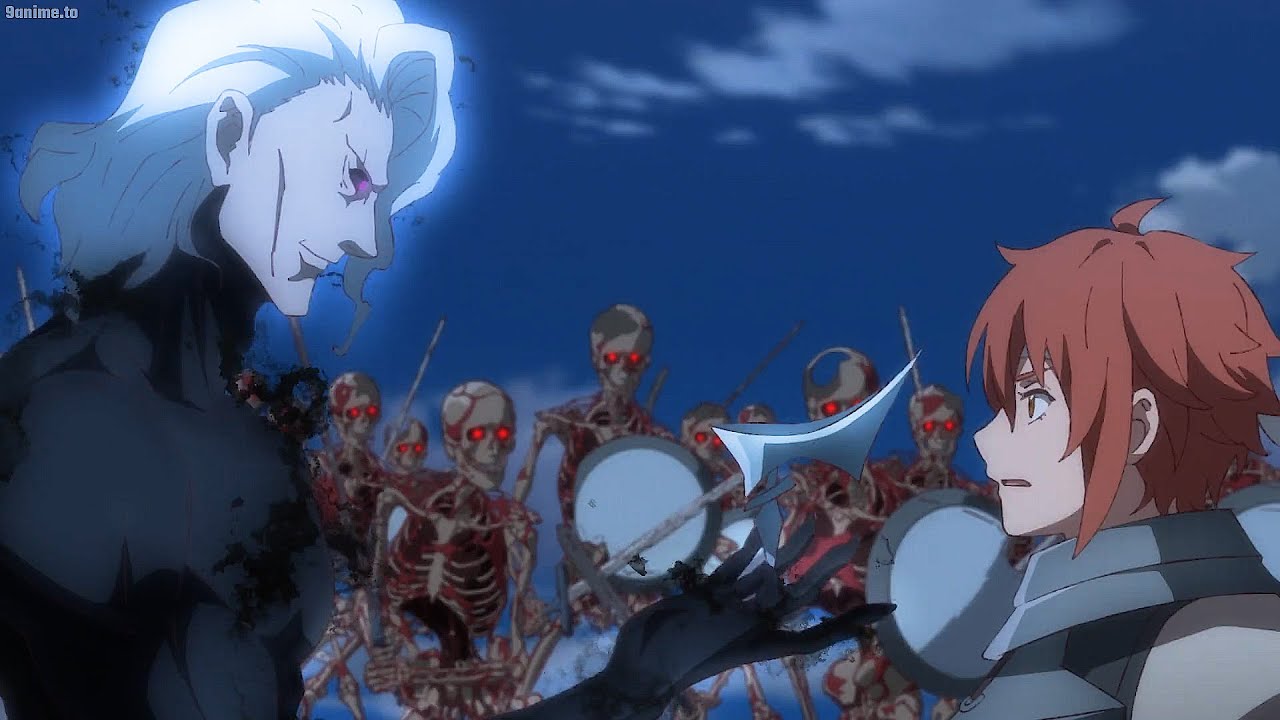
CHAPTER 5: "WILL AND スタグネイト IN BATTLE.
Until this scene, there are only descriptions of battles with Brad and Gus. When スタグネイト suddenly appears with a scary aura from the sky, it becomes' Ikinari?' (sudden?). Then, Gus appears and a battle develops. The powerful ultimate magic of Gus with the name of Wandering Seiji and the battle of スタグネイト's magic must be a high level battle scene in the story.
The excitement is short-lived, and the battle between Will and スタグネイト begins. In addition to the martial arts and the combat style of handling small magic, Will fights off humans with the blessing of swearing an oath to the god of light, Gracefeel. Will attacks with everything he has been given and learned from the three, and he feels that he has grown beyond growth to become a full-fledged man.
Will's Dark Fall Awakening

Tags
Contents
- Overview of "The Paladin of the Extreme"
- Outline and story of "The Paladin of the Extreme"
- Days of Growth, Secrets Told
- The Departure of a Boy
- Meeting with Friends
- Disease of the strong
- Holy Knight at the End
- Characters from "The Paladin of the End"
- Protagonist
- William G. Murray Blood
- Will's family.
- Blood
- Marie
- Augustus
- Will's people.
- メネルドール
- ロビィナ Goodfellow
- Antonio
- God
- Fushigami スタグネイト
- Grace Feel
- Shiraho Capital (White Sands)
- Etherbaldo Rex Southmark
- Bart Bagley
- Reistov
- Term for "the most remote Paladin"
- Words of Creation
- Dialligma
- 祝禱 jutsu (the art of Fukuto)
- Silent Prayer
- Double Cast
- Triple cast
- Overeaters
- Echo
- Quadruple magic projection (quadrable cast)
- Stigma
- Divine torches
- Elves
- Fairies
- Leprechaism
- Fairies
- Public bath (Barnea)
- Saishin Kanpa (Prayer for Observing the Enshrined Deity)
- I just woke up.
- Yu (evening prayer)
- Adventurer
- Mad Man
- Bluff
- Words, Lines, Scenes and Scenes of "The Paladin of the Extreme"
- Will: "At first, I thought that I had fallen into hell. I ended my life in a way that was so vague that I couldn't help it. I fell into hell and was punished. but no, it's not a punishment. This must be Grace."
- Will: "To be mindless is not to think nothing. To drive out the past and the future and concentrate on the present."
- Will - "There's a big difference between being alive and not being dead."
- Will: "I want to live and die as a family of those three."
- Will: "That line sounds like a third rate villain, God."
- Brad: "Even if we're gone, people, surprisingly, don't die after eating and sleeping, and they find other important things to do. They'll live on after all.
- Marie: "But love, do good, do not be afraid of loss, make rather than break, give forgiveness to sin, hope to despair, joy to sorrow, and protect the weak from all violence, as you have done for us against the Immortal God."
- Will versus スタグネイト Gas versus スタグネイト
- Will's Dark Fall Awakening
- Friendship between Will and Menel
- Brad's proposal to Marie
- Behind the Scenes, Trivia, and Small Stories / Episodes and Anecdotes of "The Paladin of the Extreme"
- Influenced by "Unemployed Reincarnation - Isekai Ippai de Ippai ni Toru Honjisuru
- Rumored to be ending
- Theme song and insert song of "The Paladin at the End"
- OP (opening): H-el-iCal / / "The Sacred Torch"
- ED (ending):' Hyoka' (lit. beacon) by Nagi Yanagi