
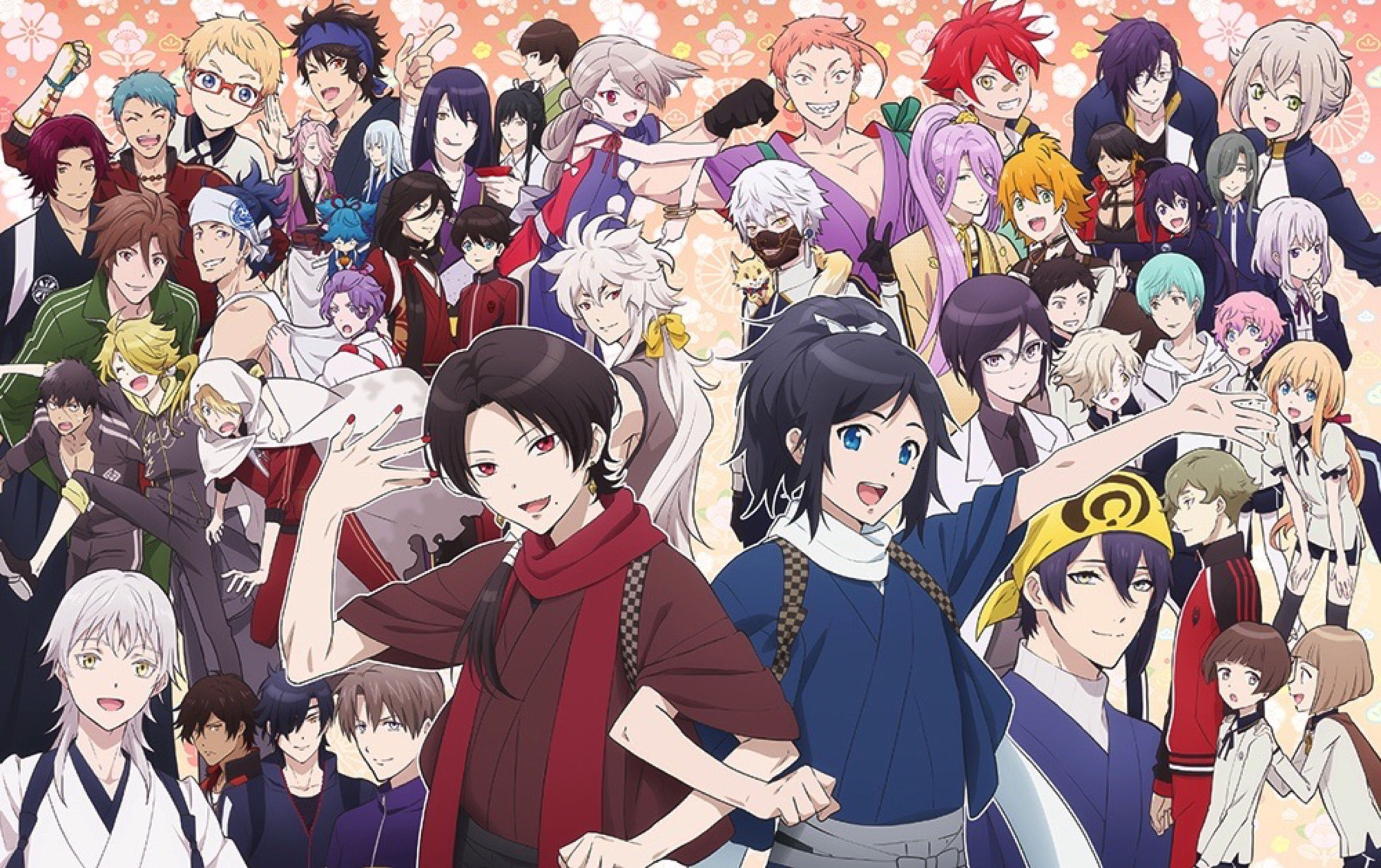
We have compiled a list of temples and shrines that are associated with the swordsmiths who appear in "Sword Dance". In addition to the introduction of the swordsmiths associated with the temples and shrines, we have also included the addresses of the temples and shrines, as well as information on how to access them. If you are considering a trip or a pilgrimage to a holy place, why not visit one of these temples and shrines?
Source: livedoor.blogimg.jp
Nagasone Nekotetsu
Source: pbs.twimg.com
Izuminokamikanesada
Source: pbs.twimg.com
Yamato no Kami Yasusada
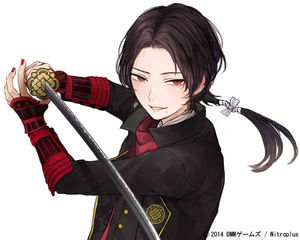
Source: pbs.twimg.com
Kiyomitsu Kashu
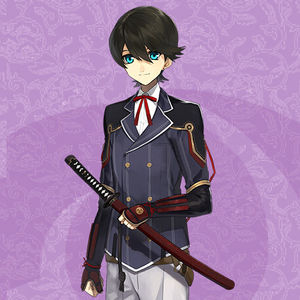
Source: www.cospya.com
Kunihiro Horikawa
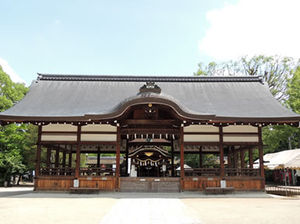
Source: kyoto.wakasa.jp
Fujimori Shrine
Formerly the sacred sword "Tsurumaru Kuninaga"!
Basic Information
Name: Fujimori Shrine
Address: 609 Fukakusa Toriizaki-cho, Fushimi-ku, Kyoto-shi, Kyoto
Access: [Train / Bus] 7 minutes on foot from Sumizome Station on the Keihan Electric Railway Line
5 minutes walk from JR Fujimori Station
Get off at "Fujimori-jinja-mae" bus stop.
Hours: 9:00 - 16:00
Closed: Open all year round
Telephone number: 075-641-1045
Fee: Free of charge
Official website URL: http://www.fujinomorijinjya.or.jp/
Fujimori Shrine in Fushimi-ku has a long history and was founded in the 3rd year of the regency (203) by the order of Empress Jingu. The shrine has deep ties with the imperial family, and the "Tsurumaru Kuninaga" sword, which was once the sacred sword of the shrine, is now the property of the imperial family.
Fujimori Shrine is famous as a god of luck and horses, but it is also a god of learning, as it enshrines Prince Toneri, the compiler of the Nihon-shoki (Chronicles of Japan). The shrine seems to be especially crowded during the examination season.
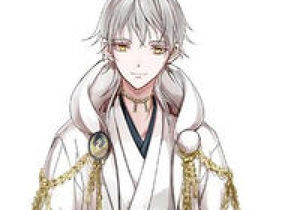
Source: cdn-ak.b.st-hatena.com
Kuninaga Tsurumaru
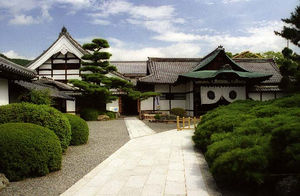
Source: mahorobanomori.web.fc2.com
temple in which resided a member of nobility or imperial family
Kneemaru" (Important Cultural Property) in the collection of the museum!
Basic Information
Name: Former Saga Gosho Daikakuji Temple
Address: 4 Saga-Osawa-cho, Ukyo-ku, Kyoto-shi, Kyoto
Access: [Train] 17 min. walk from Saga-Arashiyama Sta. on JR Sanin Honsen Line
Randen "Arashiyama" station (23 min. walk)
Hours: 9:00 - 17:00 (Last admission at 16:30)
Closed: Open all year round *Not available on some days due to temple events
Telephone number: 075-871-0071
Admission: Adults: 500 yen / Elementary, junior high and high school students: 300 yen
Oosawaike Pond: 9:00 - 17:00 / Fee: 200 yen (for cooperation in maintaining cultural assets)
Daikakuji Temple, an ancient temple located in Sagano, where the nature of a peaceful mountain village remains, was originally built as a detached palace for Emperor Saga in the early Heian period (794-1185). Daikakuji Temple, which was also called Saga Gosho because of its large hall, has Osawa Pond on its east side and a plum garden on its northeast side.
At Daikakuji Temple, visitors can perform the Hannya Shingyo sutra every day.
A thinly-drawn sketch form is available, so first-timers will be able to complete the entire sutra.
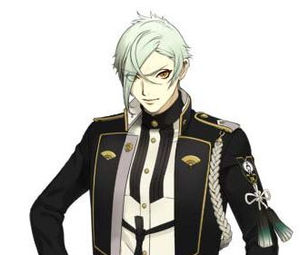
Source: blog-imgs-83-origin.fc2.com
Knee Maru
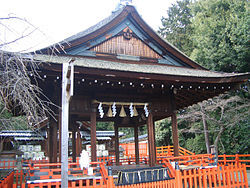
Source: upload.wikimedia.org
Kenkun Shrine
Gimoto Left Character" (Important Cultural Property) in the collection of the museum!
Basic Information
Name: Kenkun Shrine
Address: 49, Shino Kitafuneoka-cho, Kita-ku, Kyoto-shi, Kyoto
Access: [Bus] Take the city bus and get off at the Kenkun-jinja-mae bus stop, then walk for about 3 minutes.
Hours: Free to enter the shrine grounds / Shrine office: 9:00 - 17:00
Closed: Open all year round
Telephone number: 075-451-0170
Fee: Free of charge
Official website URL: http://kenkun-jinja.org/
Kenkun Shrine, located on the summit of Mt. Funaoka, enshrines Oda Nobunaga, who advocated the spread of war under the heaven. The shrine was built in 1869 by order of Emperor Meiji. The Tokugawa family donated the "Yoshimoto Left Character (Sosan Left Character)" at the time of the shrine's construction, as it was in the possession of Nobunaga until he met his untimely death in the Honnoji Incident.
In 2008, the main shrine, the gate, the hall of worship, the shrine hall, the shrine hall, the water closet, the ritual warehouse, the shrine office, the guest house, and the Otorii (Grand Gate) were designated as nationally registered tangible cultural properties. When you visit the shrine, please enjoy these wonderful architectural structures and the view of the 36 peaks of Higashiyama.
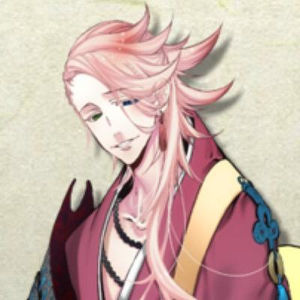
Source: pbs.twimg.com
Sozasa Monji
Source: img2.blogs.yahoo.co.jp
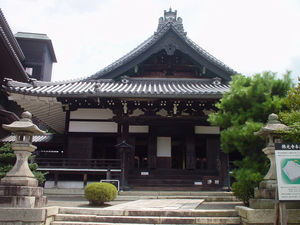
Bukko-ji Temple Main Mausoleum
The main mausoleum of Bukko-ji Temple is the place associated with Sanjo Munechika. It is said that there was a well water used by Sanjo Munechika when he made his sword, and there is a monument to Sanjo Ko-Kaji Munechika no Koraku-Site.
■Basic Information
From Kyoto Station
From Kyoto Station: 2 minutes on foot from Exit 5 of Shijo Subway Station.
By Hankyu Railway
5 minutes on foot from Exit 15 of Hankyu Karasuma Station
About group visits
Group visitation hours are from 9:00 to 16:00. (Registration closes at 3:00 p.m.)
Please apply in advance to the head temple's religious office. (Please contact the head temple office at least two weeks in advance.)
Large buses require a permit.
Please note that the guided tour may not be available due to events, etc.
Awata Shrine is in Awataguchi Kaji-cho
Munechika Sanjo is said to have lived nearby. There is a Kaji Shrine at the end of Awata Shrine
Sanjo Munechika is enshrined here as the god of swordsmithing. The swordsmith who made the Fujishiro brothers
Yoshimitsu Awataguchi, the swordsmith who created the Fujishiro brothers, is also enshrined here.
Source: www.worldfolksong.com
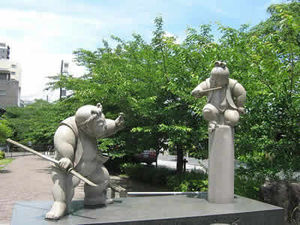
Gojo Bridge
It spans the Kamo River on the border of Shimogyo-ku and Higashiyama-ku, connecting Gojo-dori (National Route 1). The Gojo Bridge in Heian-kyo was located two streets upstream on Matsubara Dori, and the original Gojo Bridge was at the location of the current Matsubara Bridge. The legendary encounter between Ushiwakamaru and Benkei took place on this old bridge.
Basic Information
Keihan Railway Gojo
City Bus Kawaramachi Gojo
Just after getting off
Source: 40.media.tumblr.com
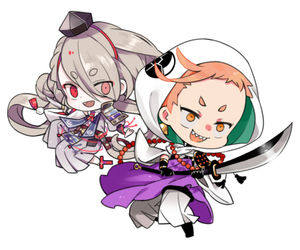
Iwatooshi & Ima no Tsurugi
Source: kifu-ka-yomiki.cocolog-nifty.com
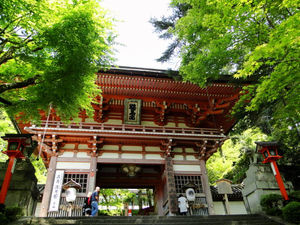
Kurama Temple
Kuramadera Temple, the place where Ima no Ken and his former master Yoshitsune met. According to "Yoshitsune's Record," Ima-ken was made by Sanjo Munechika and dedicated to Kuramadera Temple. Later, when Yoshitsune was entrusted to Kuramadera, it is said that it was given to Yoshitsune as a protective sword.
■Basic Information
Keihan Railway
From the last stop, Demachiyanagi Station, take the Eizan Train to Kurama Station (30 minutes)
Hankyu Train
Get off at Kawaramachi Station, cross the Shijo Ohashi Bridge, get off at Gion-Shijo Station on the Keihan Line, get off at Demachiyanagi Station, the last stop on the Keihan Line, and take the Eizan Line to Kurama Station.
Subway
Take the Tozai Line and get off at Sanjo Keihan Station,
Take the Tozai Line to Sanjo Keihan Station, then take the Keihan Train from Sanjo Station to Demachiyanagi Station and take the Eizan Train to Kurama Station.
▼ Nara
Source: blog-imgs-73.fc2.com
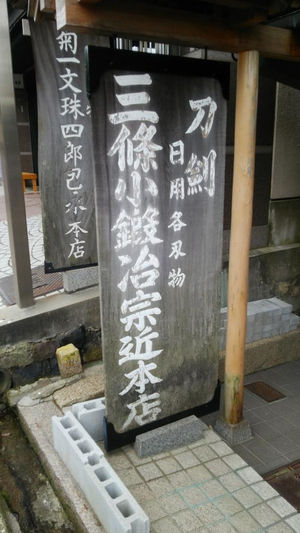
Sanjo Koukaji Munechika Honten
There is a cutlery shop in Nara City that is descended from Munechika Sanjo.
The direct descendants of Munechika moved to Nara in the Muromachi period (1336-1573) and manufactured swords and armors. During the Edo period, they made swords to be dedicated to temples and shrines.
Since the Meiji period, he has been making percussion blades for cooking.
■Basic Information
110 Zoshi-cho, Nara City, Nara Prefecture, 630-8211, Japan
Source: blog-imgs-72-origin.fc2.com
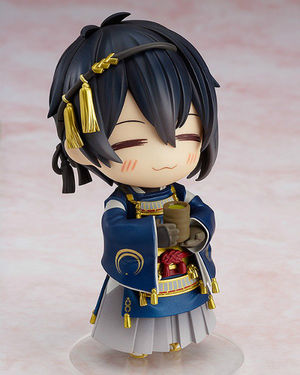
Mikazuki Munechika
▼ Osaka
Source: www.eventscramble.jp
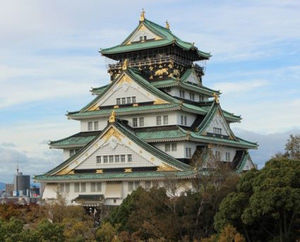
Osaka Castle
At one time, Isshiki Isshiki was in the possession of Toyotomi Hideyoshi and the Toyotomi family.
However, it is said that the Ikki Isshuri was burned to death when Osaka Castle fell during the Battle of Osaka Summer in 1615, a battle between Toyotomi and Tokugawa.
Nammao Fujishiro is said to have been the sword of Hideyori, the son of Toyotomi Hideyoshi. Like Ichiki Ichifuri, he was burned to death during the Osaka Summer Battle.
Basic Information
Subway
Tanimachi 4-chome Station on the Tanimachi Line, Exit 1-B,
Tenmabashi Station, Exit 3
Tanimachi 4-chome Station Exit 9 on the Chuo Line,
Morinomiya Station Exit 1, Exit 3-B
Nagahori Tsurumi-ryokuchi Line Morinomiya Station, Exit 3-B,
Osaka Business Park Station Exit 1
Keihan Railway
Tenmabashi Station on Keihan Line

Related Articles
Spoiler commentary and discussion of the sword dance (tourabu)
TOURABU" (short for "sword fighting") is a simulation game for browsers. The game is based on the original story by game maker Nitroplus and operated by EXNOA (formerly known as DMM Games). The game is set in future Japan. Players become "shinjinsha," or "saniwa," and are ordered by the government of the time to summon sword mourning gods called tokendanshi, or "sword men. The players then fight together with the swordsmiths against the enemies who are trying to change the history of the world to stop their plans.
Read Article
Many Hall of Famers! Popular MMD Compilation of Sword Dance
Has it calmed down from a period of time? No, no, no, the popularity of sword dance has not yet waned. As soon as they were uploaded to Nico Nico Douga, they quickly became the talk of the town. From the breathtakingly beautiful and cool to the ones that make you laugh so hard your stomach muscles die, you can't stop repeating them. You may even be inspired to change your mind!
Read Article

April 2024 Spring Anime (First Semester Anime) Summary
This is an alphabetical list of spring anime that will start airing in April 2024.The April 2024 spring anime lineup includes many hot new anime and sequels to popular series. Information such as anime titles, broadcast information, cast voice actors and staffs are compiled in an easy-to-understand format.
Read Article
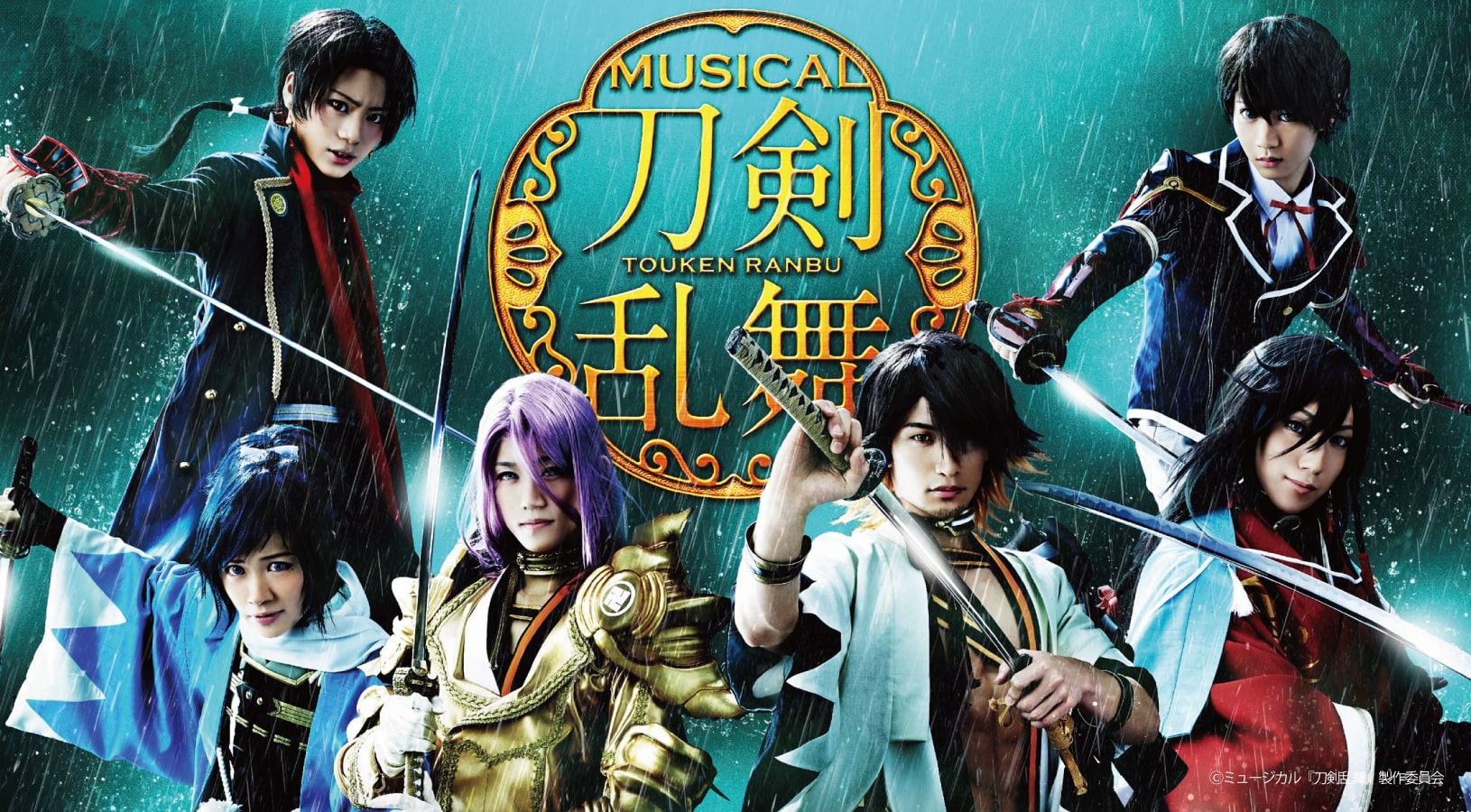
Spoiler commentary and discussion of the musical "Sword Dance" (Katamyu)
The musical "Sword Dance" is a musical series based on the popular video game "Sword Dance". The story is about a group of mourning gods who inhabit famous swords and take on the form of warriors to fight against historical revisionists who plan to change the course of history. The first part is a story featuring intense sword fighting, and the second part is a live performance that resembles an idol.
Read Article
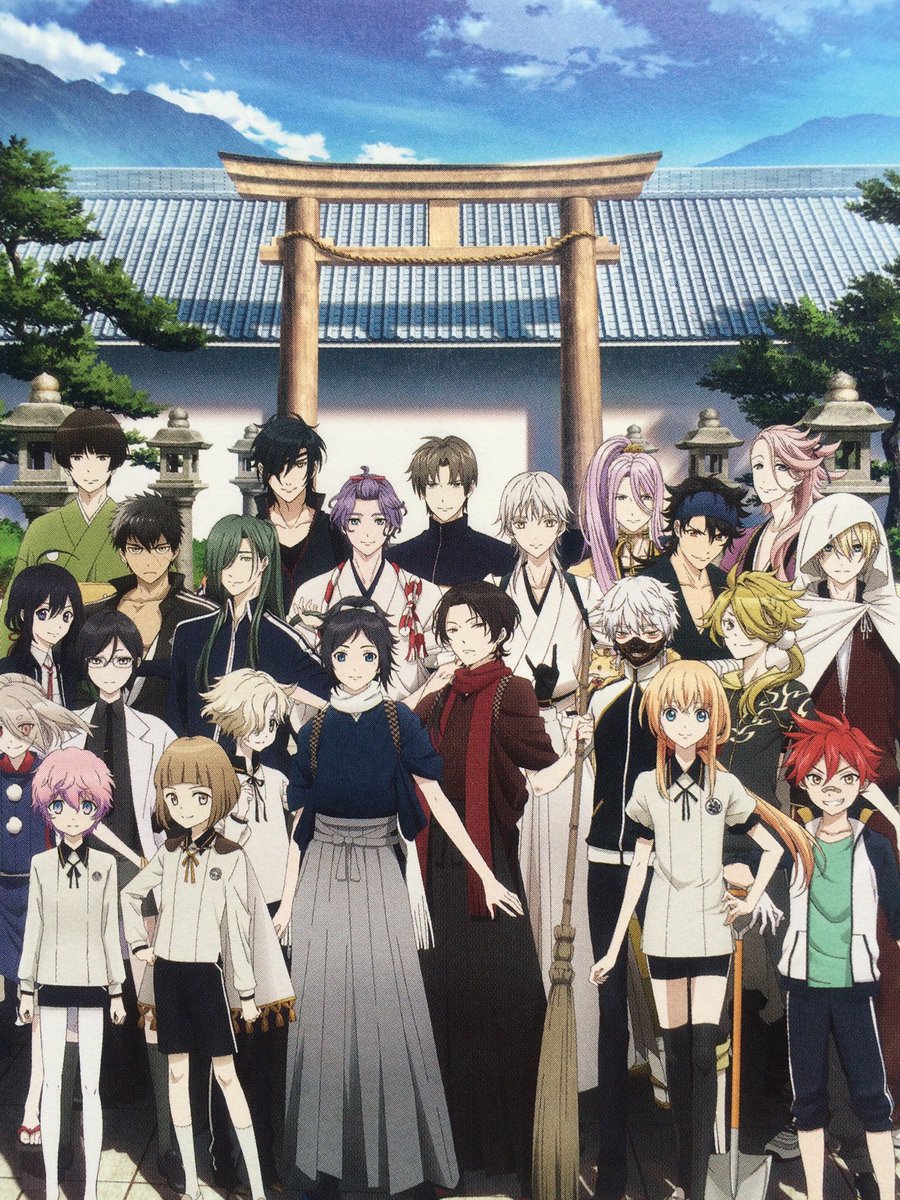
Spoiler commentary and discussion of the sword dance Hanamaru- (anime)
The anime "Toukendanbu: Hanamaru" is based on the PC and smartphone game "Toukendanbu" and aired from October to December 2016 on TOKYO MX, Kantele, and BS11 for a total of 12 episodes. The game is roughly about sword mourning "sword men" who are manifested in the present day by a person with the ability to change history, and fight against a retrograde army. The story focuses on the swordsmen belonging to "a certain Honmaru," and depicts their comedic, flowery days as well as their tough battles.
Read Article
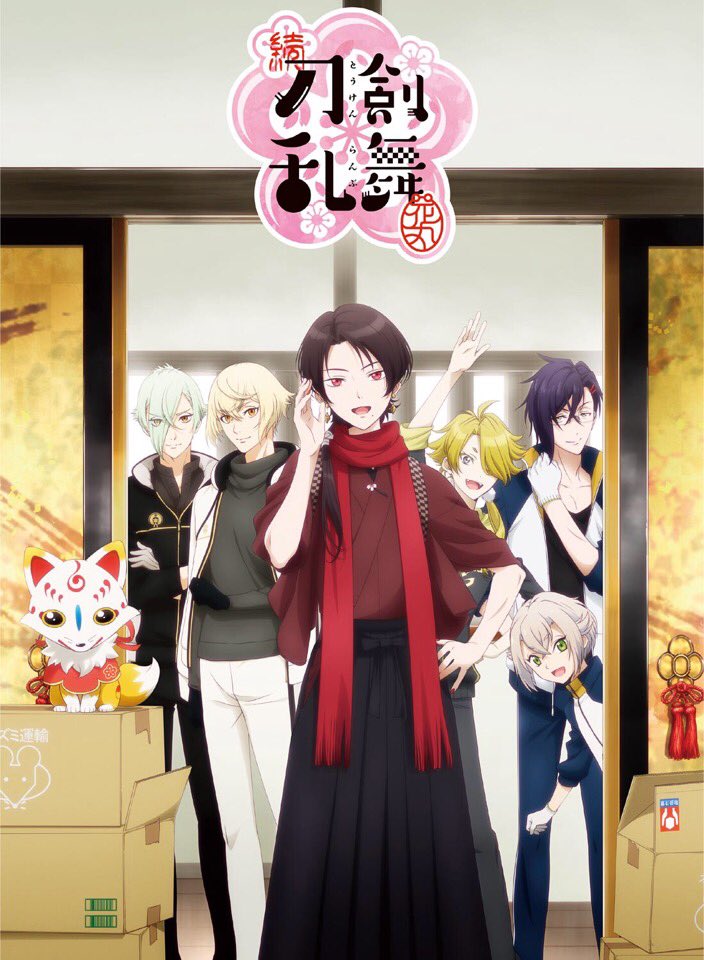
Spoiler commentary and discussion of the continuing "Sword Dance: Hanamaru" (anime)
Sequel to "Toukendanbu - Hanamaru-" is an anime based on the training simulation game "Toukendanbu -ONLINE-" Sequel to the anime "Toukendanbu -Hanamaru-" which aired in 2016. Total of 12 episodes. The sword-attached mourning gods, who have been given physical bodies, are engaged in a battle to the death against historical revisionists. The 50-odd swordsmen living in the castle are in a constant state of commotion every day.
Read Article
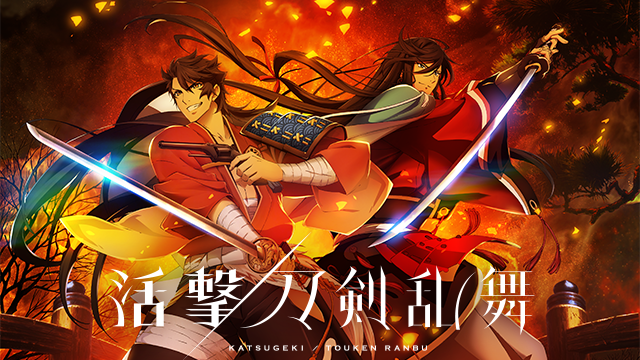
Spoiler commentary and discussion of Katsugeki: Sword Dance (anime)
Katsugeki Katana Ranbu" is an animation work produced by ufotable, based on "Katana Ranbu" by DMM Games. In the year 2205 A.D., "Shinjinsha," who have the power to awaken the feelings and minds that lie dormant in objects, call upon "Toushi," the personified form of swords, to fight to protect history in order to defeat historical revisionists who seek to change it. In Katsugeki, the battle against the historical revisionists is depicted with "Izumimori Kanetada," once the favorite sword of Hijikata Toshizo.
Read Article
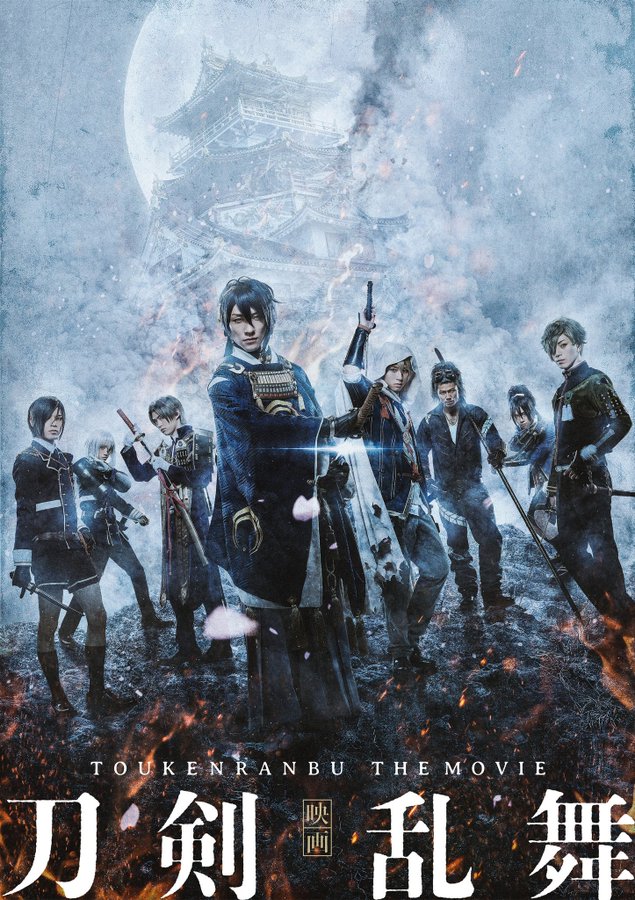
Spoiler commentary and discussion of the movie Sword Dance (Succession).
Based on the popular sword-breeding game "Touken Ranbu ONLINE" that triggered the Japanese sword boom, "Touken Ranbu (Succession) the Movie" is directed by Yakumo Yaharu and written by Kobayashi Yasuko. The film features a hot battle between "swordsmen," who are personifications of famous swords of the past, and "retrograde forces," who plan to alter history. The story takes place at Honnoji Temple, where the swordsmen have successfully defeated the retrograde army that is trying to change history by protecting Oda Nobunaga. However, just when it seems that history is being followed, they learn that Nobunaga is still alive. The cast features young stage actors, and the theme song is sung by Takanori Nishikawa and Torayasu Hotei.
Read Article
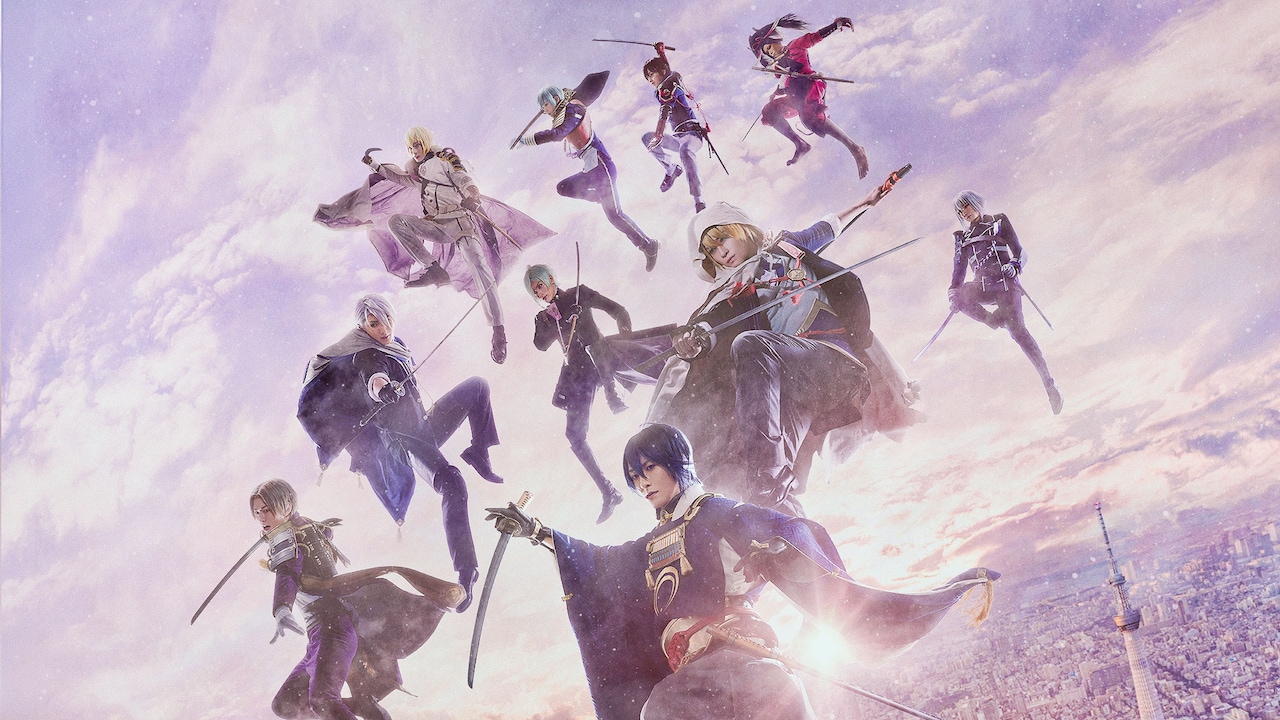
Spoiler commentary and discussion of the movie Sword Dance (Reimei).
Reimei" is the second live-action film based on the PC browser and smartphone game "Touken Ranbu" developed jointly by EXNOA (formerly DMM Games) and Nitroplus. The story depicts the battle between the sword men, who are personifications of famous swords that have left their mark on history, and the Time Armored Forces, who plan to alter history. The story takes place in the year 2012. In this time period, a critical juncture that will lead to the future is hidden. The swordsman Mikazuki Munechika, together with his temporary master Suzuki Kotone, struggles to solve the situation.
Read Article
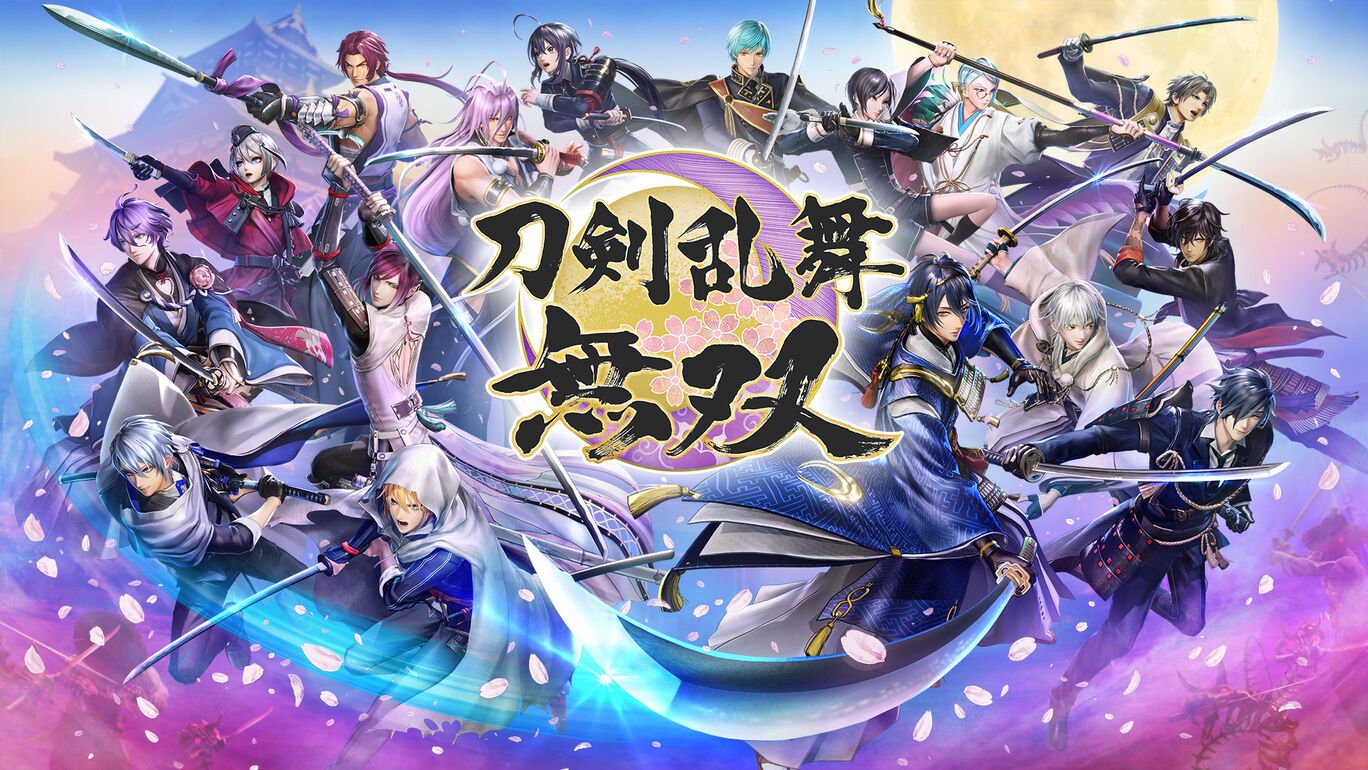
Spoiler commentary and discussion of Sword Warriors (Tousou Musou, Tourabu Musou).
Toukendanbu Musou" is a tactical action game based on the sword training simulation game "Toukendanbu". It is also a collaboration between the "Musou" game series and "Sword Dance". The story takes place in the year 2205 AD. The story depicts the battles of "Toushi," 15 mourning gods of swords who have lost their masters, who are sent by the government to investigate a plot by "historical revisionists" to change the history of Japan.
Read Article
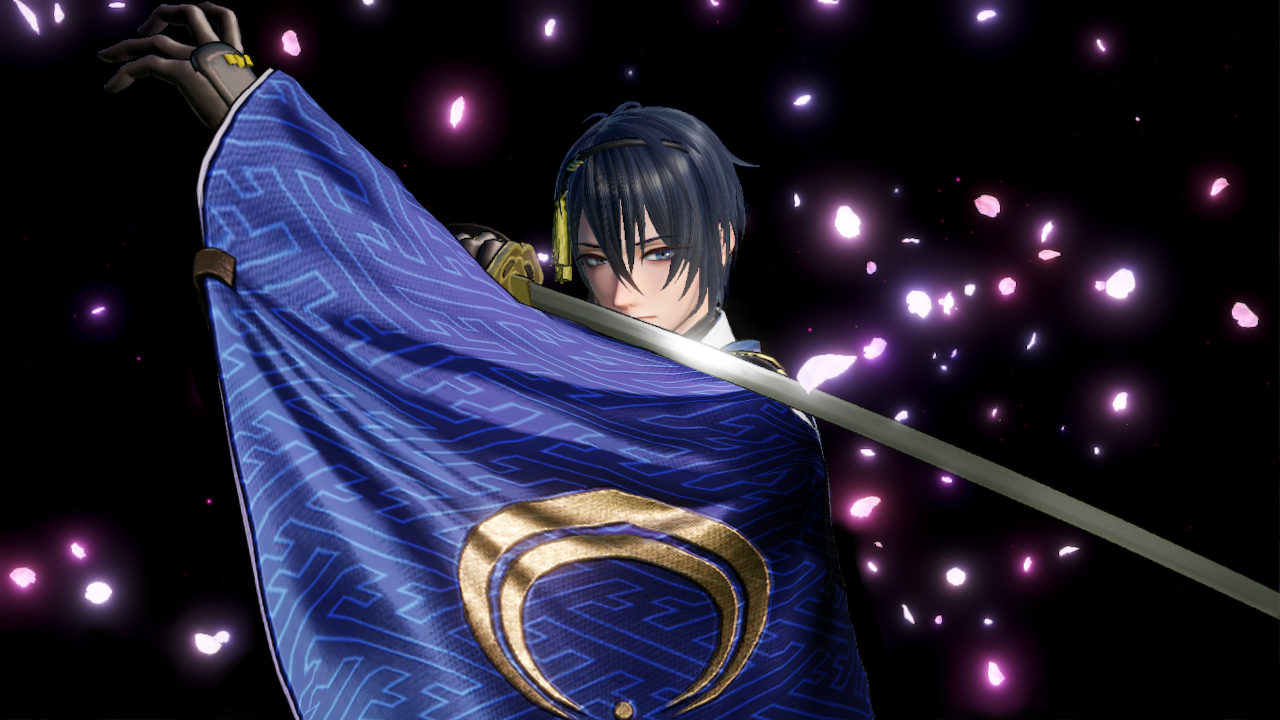
I guessed the age of the characters in the sword dance! Mikazuki Munekika is over 1000 years old! [Tourabu
We have estimated the ages of the swords in "Sword Dance". Although anthropomorphized, they are still originally swords, so they have spent an incomparable number of years compared to humans. In particular, Mikazuki Munekika, who is called "Grandpa" and calls himself "Jiji," seems to be over 1,000 years old.
Read Article
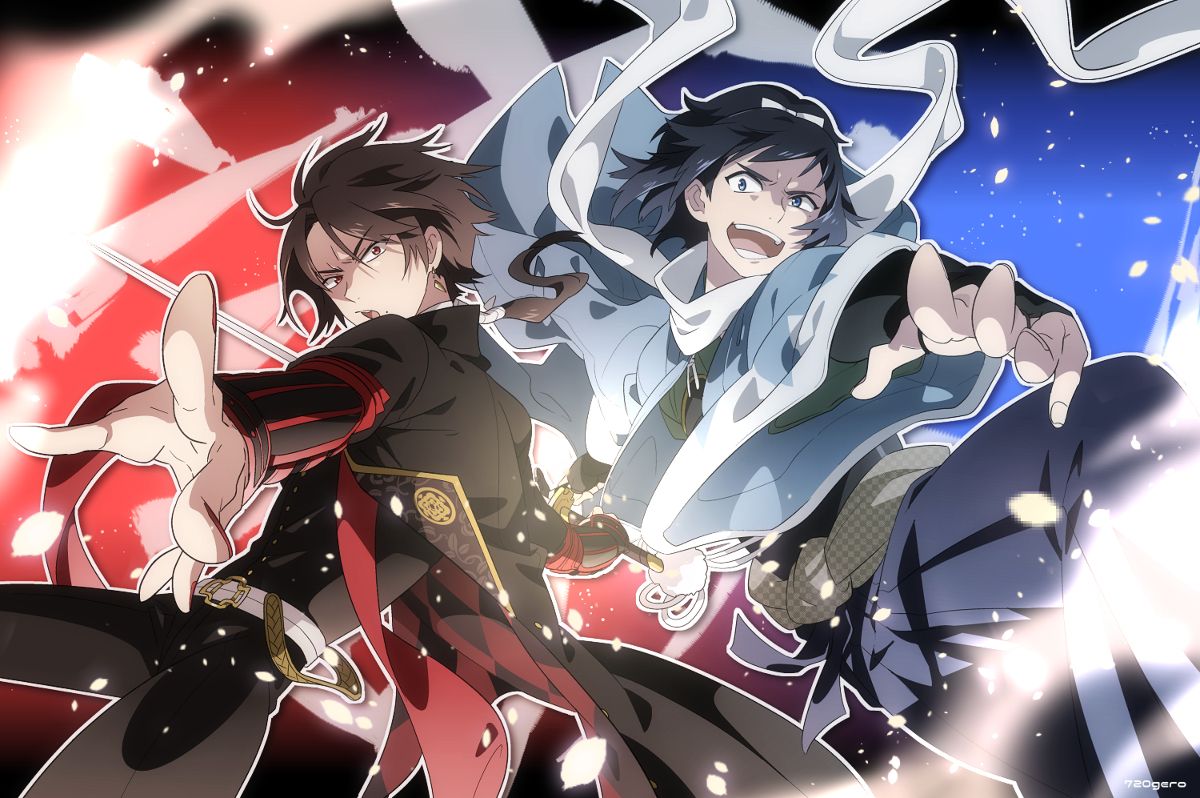
A ranking of the couplings in "Touurabu", including a popular tag that has been viewed 2 million times on pixiv! Tourabu
We have compiled a ranking of "Sword Dance" couplings, including many popular tags on pixiv, which are sometimes viewed 2 million times in a day. Illustrations of the couplings and the reasons for the ranking are also introduced, so please check how popular your favorite combination is.
Read Article
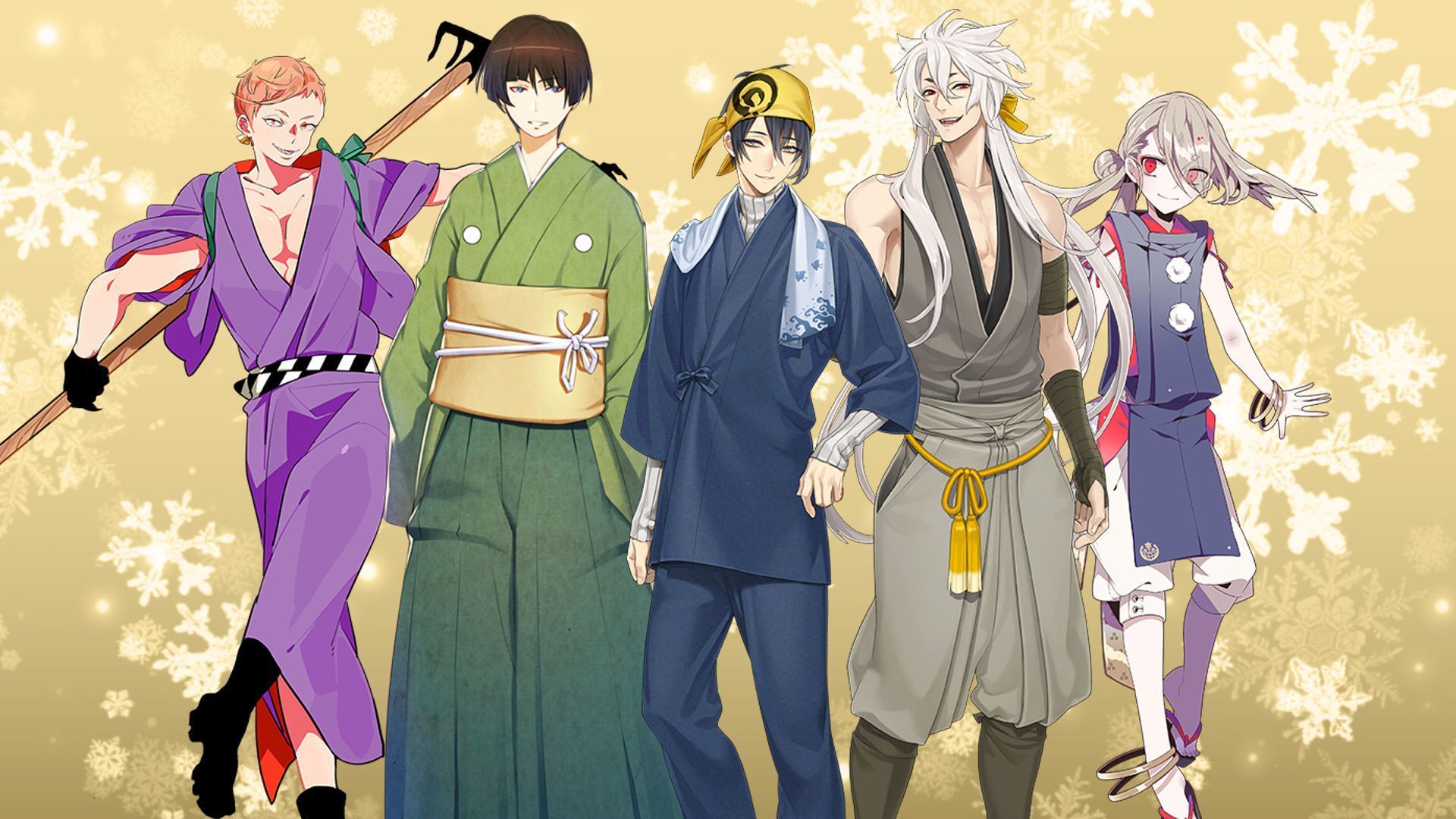
Sword Dance Uchiban Costumes Summary! Introducing from early mounted characters to Hagegiri & Kneemaru! The first time I saw a sword in the world, I was in the middle of a sword fight.
This is a collection of Uchiban costumes from "Sword Dance". This page introduces those of 51 different swords from the beginning of the service until the appearance of Hagekiri & Kneemaru. Please check out their off-mode appearance, which seems to be specialized for ease of movement and wearability, unlike their regular costumes.
Read Article
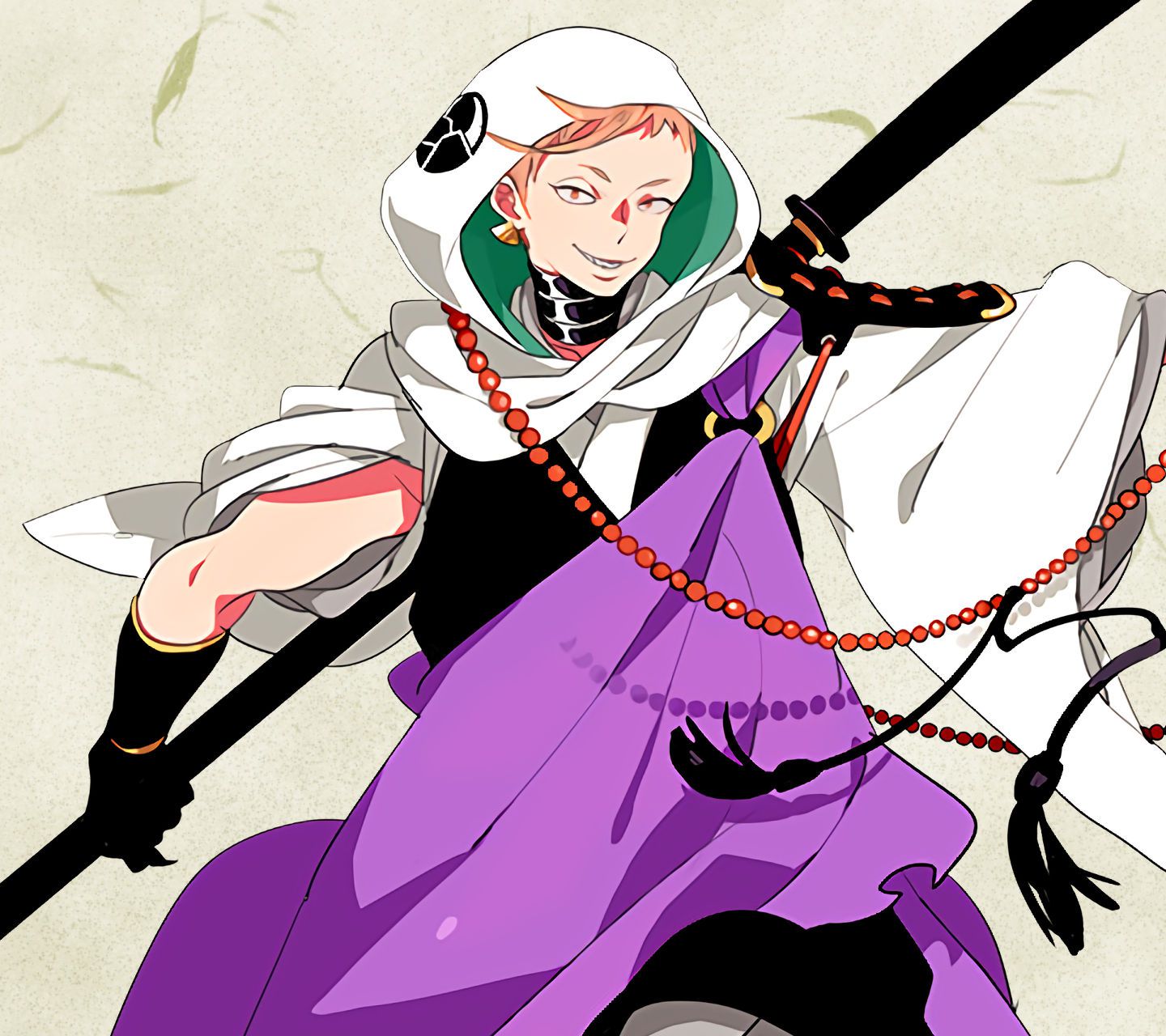
I put together a level guideline for the "Iwayu Kindergarten" sword dance! The power of the naginata is too great! [Tourabu]
This is a summary of "Iwayu Kindergarten," a leveling method in "Sword Dance" in which Iwayu, a naginata, is asked to lead the swords you want to train. The main focus is on maps that are easy to train on, according to Iwayu's level. Since short sword swordsmen do not have moderate firepower, it is recommended to level up with the help of the Cleave and Daitachi swords at first.
Read Article
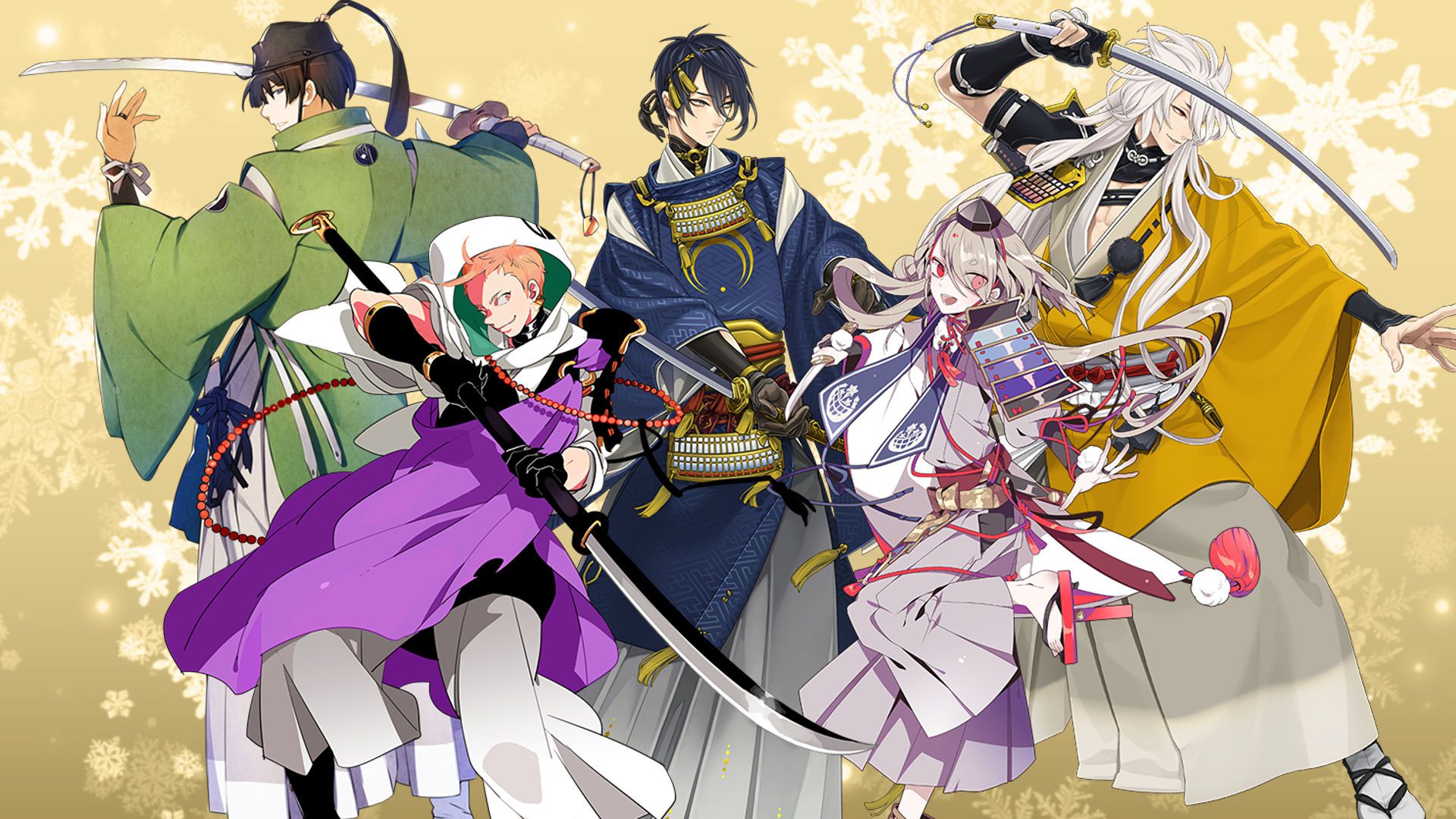
The origin of the swordsmith's name, anecdotes, and history of the swordsmith! A collection of stories, anecdotes, and the origins of the names of the swordsmiths and sword schools! TOURABU
The following is a summary of the history, anecdotes, and origin of the names of the swordsmen appearing in "Sword Dance". The information is presented by sword school and swordsmith, so you can find information on your favorite swords. It is very interesting to know the history and anecdotes of each of them, and you will be able to understand their clothing and personalities.
Read Article
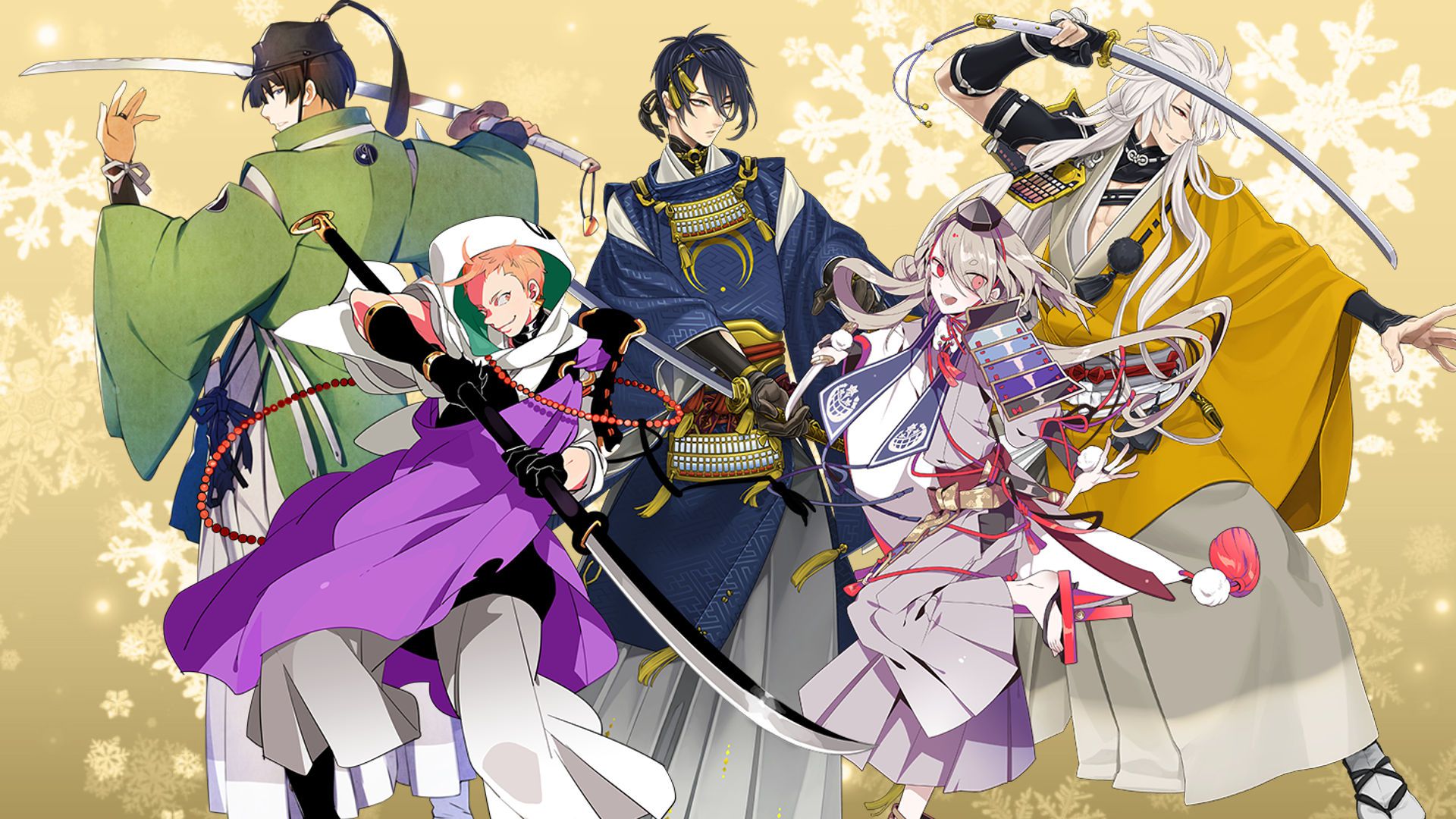
Sword Dance: Summary of birthdays and anniversaries of swordsmiths! Let's celebrate your favorite characters! Touyabu
The following is a summary of the birthdays and anniversaries of the swordsmiths in "Sword Dance". Since swordsmiths are personifications of swords, not humans, they seem to celebrate "the anniversary of the designation as national treasures" or "the anniversary of the designation as important cultural properties" as their birthdays or anniversaries. Please take a look at this and celebrate your favorite swordsmith!
Read Article
![Sword Ranbu] Introducing the former masters of swordsmiths! Full of famous figures such as Sengoku warlords and Shinsengumi troopers! TOURABU](https://renote.net/files/blobs/proxy/eyJfcmFpbHMiOnsiZGF0YSI6ODU3OTQ4MywicHVyIjoiYmxvYl9pZCJ9fQ==--af0ae48f7b4860c61abc26dfb3038e67b4c3b9d1/R%20(2).jpeg)
Sword Ranbu] Introducing the former masters of swordsmiths! Full of famous figures such as Sengoku warlords and Shinsengumi troopers! TOURABU
We have compiled a list of the former masters of the swordsmen in "Touken Ranbu" along with illustrations of the swords. Many of the swords were owned by famous people such as Oda Nobunaga, Date Masamune, Hijikata Toshizo, and others that appear in history textbooks. Knowing their relationship with their former masters may make you fall in love with the characters even more.
Read Article
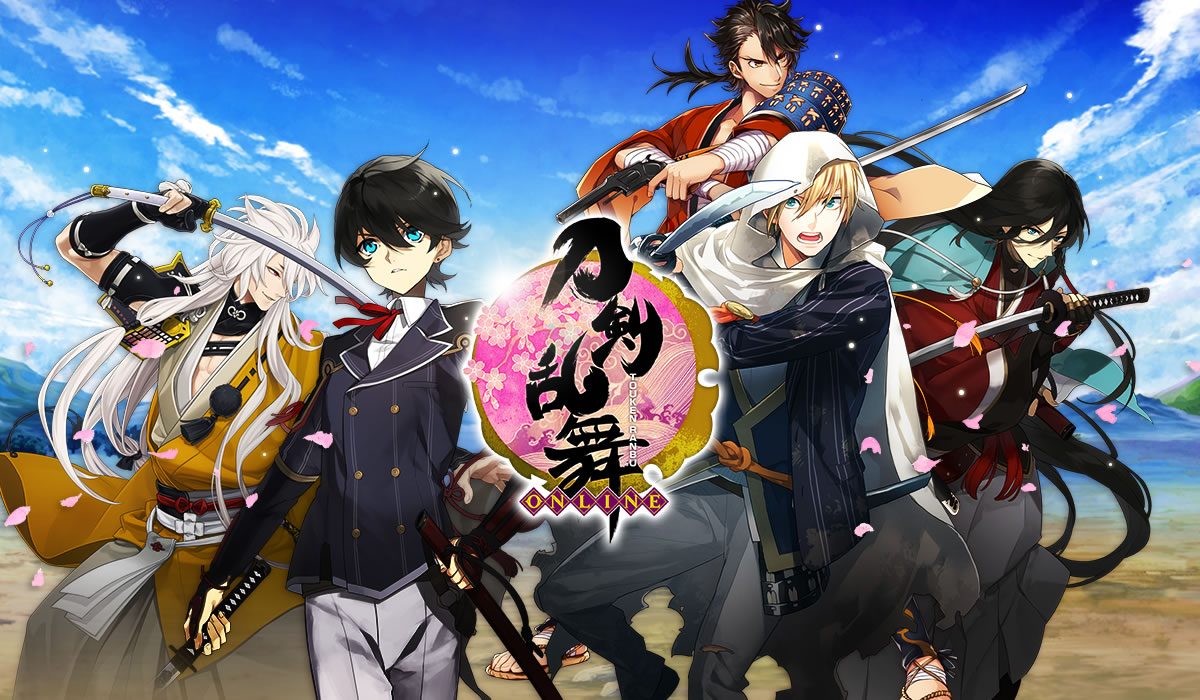
A collection of recipes for sword forging for "Sword Dance" characters! Also includes excellent blends for each sword type! TOURABU
We have compiled a list of 42 different forging recipes that have been implemented since the beginning of the service for the very popular game "Sword Dance". In addition to recipes for each character, we have also introduced excellent blends that tend to produce each type of sword. If you are having trouble finding the sword you are looking for, please give it a try.
Read Article
A collection of unusual goods such as shoes and watches, alcohol and scissors.
Sword Dance-ONLINE-" has been in service since January 2015. It is one of the most popular contents on DMM.com with over 1.3 million registered users. Currently, many collaborations have been developed and a lot of goods are on sale. Here, we have collected a few quirky items. The collection is limited to items up to January 2016.
Read Article
Summary of the flame wars, pacifism, and other incidents involving "Sword Dance" and "Tourabu Class Group.
In this article, we summarize the incidents of flame wars, pacifism, and other incidents involving "Tourabu Gakkyukai," a fan site for "Sword Dance" and its fans. Deep love for a work is wonderful in itself, but if it goes too far, it can cause trouble for various people. Let's keep moderation in mind.
Read Article
Introducing the original swords and places associated with the swordsmiths! Recommended for pilgrimages and trips to sacred places! Touurabu
We have compiled a list of the swords that were the original inspiration for the swordsmen in "Sword Dance" and the places related to them. Many famous castles and shrines are involved, so there are many spots recommended not only for fans of "Sword Dance" but also for history buffs. Please visit them on your pilgrimage or trip to the sacred places.
Read Article
An introduction to the Japanese swords, legends and folklore that were the basis for "Sword Dance"! Also includes images of real swords! TOURABU
We have compiled a list of Japanese swords that are the origin of the swords in "Sword Dance", as well as legends and folklore related to them. Along with the origin of the sword names, we have also included images of actual swords preserved in museums. Swords of famous figures from history textbooks also appear in the book, so history buffs are welcome to check it out as well.
Read Article

With anime and anthropomorphized male units, we can't take our eyes off Sanrio!
Sanrio is a company full of cute characters such as Kitty-chan. In fact, did you know that Sanrio has created many other characters in addition to its fancy characters, and has developed "new developments" such as anime, anthropomorphic characters, and several male groups unique to Sanrio?
Read Article
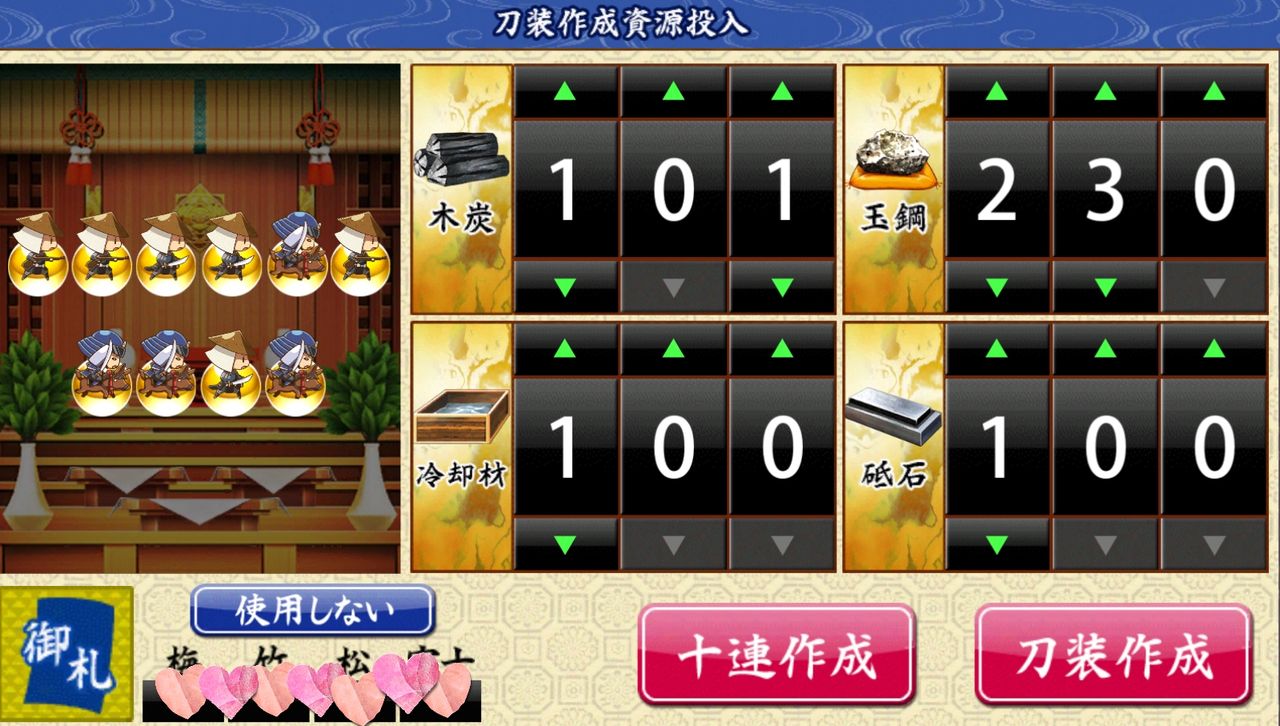
Summary of Recommended Sword Recipes for Sword Dancers [Touhou].
Sword Dance" is an application game in which players collect famous anthropomorphic Japanese swords and battle them. In the game, there are items called "sword costumes" that can be used to advance in battle, which can be obtained as quest rewards or by turning in gacha (gacha). This article introduces a collection of recommended sword armor recipes.
Read Article
I want to go there at least once! A collection of sword locations and places associated with the swords of the sword dance [Tourabu].
Sword Dance" is a popular game in which "sword boys," personified versions of famous swords, play an active role. This popular game has been supported by many women and has been used in a variety of media. Many of the swords that appear in "Sword Dance" are real swords, and can still be seen today in museums and other places. This section introduces facilities and places where swords appearing in the game are exhibited.
Read Article
Introduction to Sword Dance Secondary Games of My Own Creation
There are many high quality secondary games of sword fighting, and some of them are distributed, so we will introduce them here.
Read Article
![Sword Ranbu] A collection of swords that were in the collection of the Meiji Emperor! Onimaru, Kogarasumaru, Hirano Fujishiro, Ichiki Ichifumi, Tsurumaru, Shishio, Uguisumaru and many more! [Touyabu]](https://renote.net/files/blobs/proxy/eyJfcmFpbHMiOnsiZGF0YSI6ODU4NjMwNCwicHVyIjoiYmxvYl9pZCJ9fQ==--42e44e571f6aa359b2e451da56cf7bea7de16613/48e884e6.jpg)
Sword Ranbu] A collection of swords that were in the collection of the Meiji Emperor! Onimaru, Kogarasumaru, Hirano Fujishiro, Ichiki Ichifumi, Tsurumaru, Shishio, Uguisumaru and many more! [Touyabu]
Kogarasumaru, Tsurumaru Kuninaga, Shishioh, and Uguisumaru, which appear in "Sword Dance," were part of Emperor Meiji's sword collection. The following is a summary of how these swords, which were carefully cared for, were brought to the Imperial Household.
Read Article
The conditions for activation of the "serious special kill" & the efficient way to collect illustrations! [Touyabu]
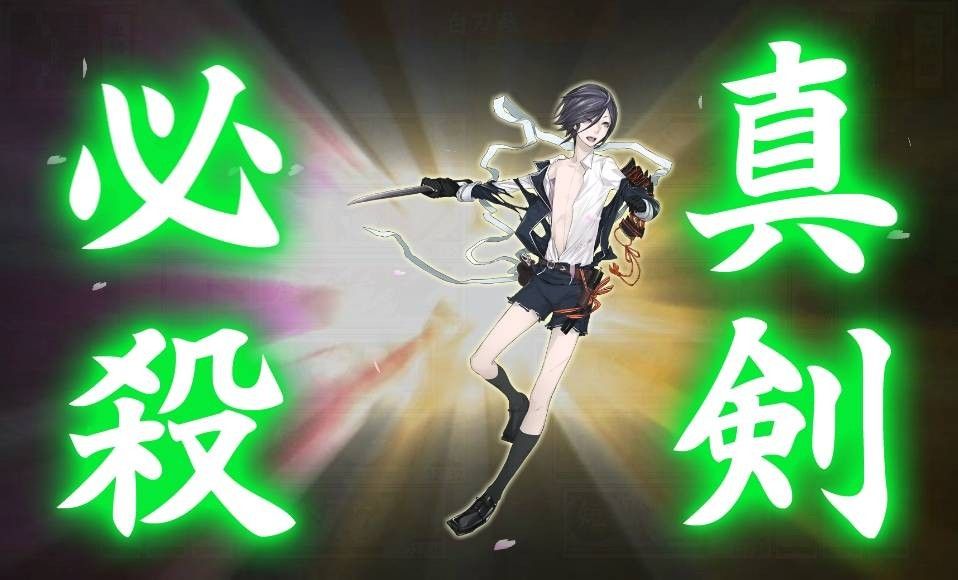
In "Sword Dance," a "serious kill" occurs when certain conditions are met during battle. Not only can you attack with advantage, but you can also see the exclusive illustrations of the swordsmanship of the swordsmen. We have compiled a detailed list of conditions for activating the "serious special kill" and how to efficiently collect the illustrations, which are rarely seen when just playing the game.
Read Article
A list of spots associated with "Sword Dance"! Recommended for pilgrimages to sacred places! TOURABU
We have compiled a list of spots that are associated with "Sword Dance". These places are recommended for pilgrimages to sacred places, such as the locations of Japanese swords, which are the source of the swordsmen, and the museums of historical figures who were the original owners of the swords. These places are enjoyable not only for "Sword Dance" fans but also for history buffs, so be sure to check them out.
Read Article
Summary of the original name of the horse and its relationship to the character in the sword dance [Tourabu].
In the browser game version of the original "Sword Dance," a major content series that boasts enormous popularity among women, "horses" exist as equipment items. Each horse has a different name and status, but like the swordsmiths, their names have their own origin stories. Here we will introduce the original story of the horses and their relationship to the characters.
Read Article
A summary of "Sword Dance" painters! Introducing the creators of the beautiful swordsmiths and the characters they work with! Tourabu
We have compiled a list of artists who have created illustrations of swordsmiths appearing in "Sword Dance. The artists and illustrators who created these beautiful illustrations are active in a variety of genres, so if you are interested in their work, please check them out.
Read Article
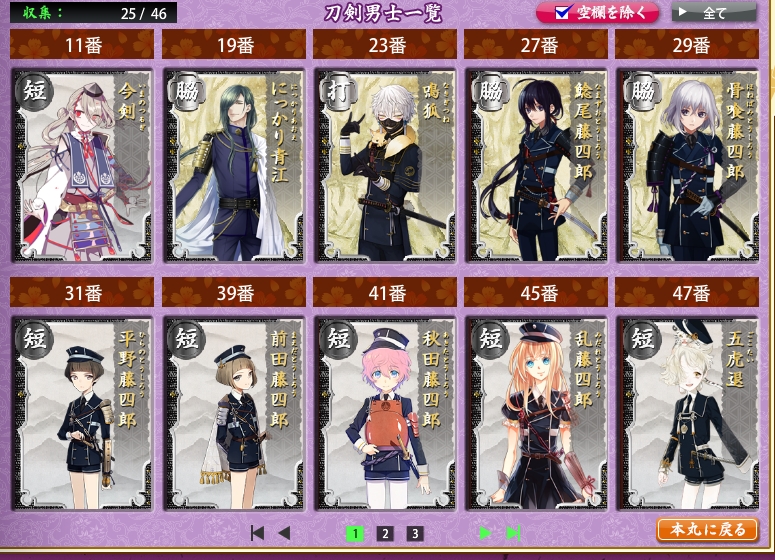
A summary of fans' passion for making sword fighting healthy for 4-year-olds.
In January 2016, "Tourabu" celebrated its first anniversary since its distribution. Over the past year, Tourabu has knocked out numerous legends, including a musical adaptation, song distribution, and various goods development, but finally the details of the smartphone version of the application have been announced, and with it, fans have been able to see "a certain care" in the ......?
Read Article
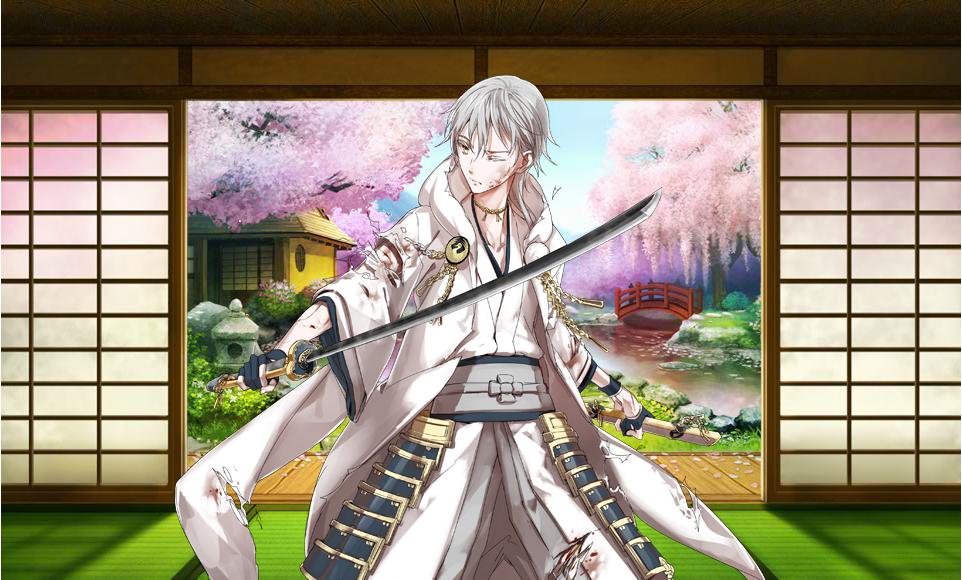
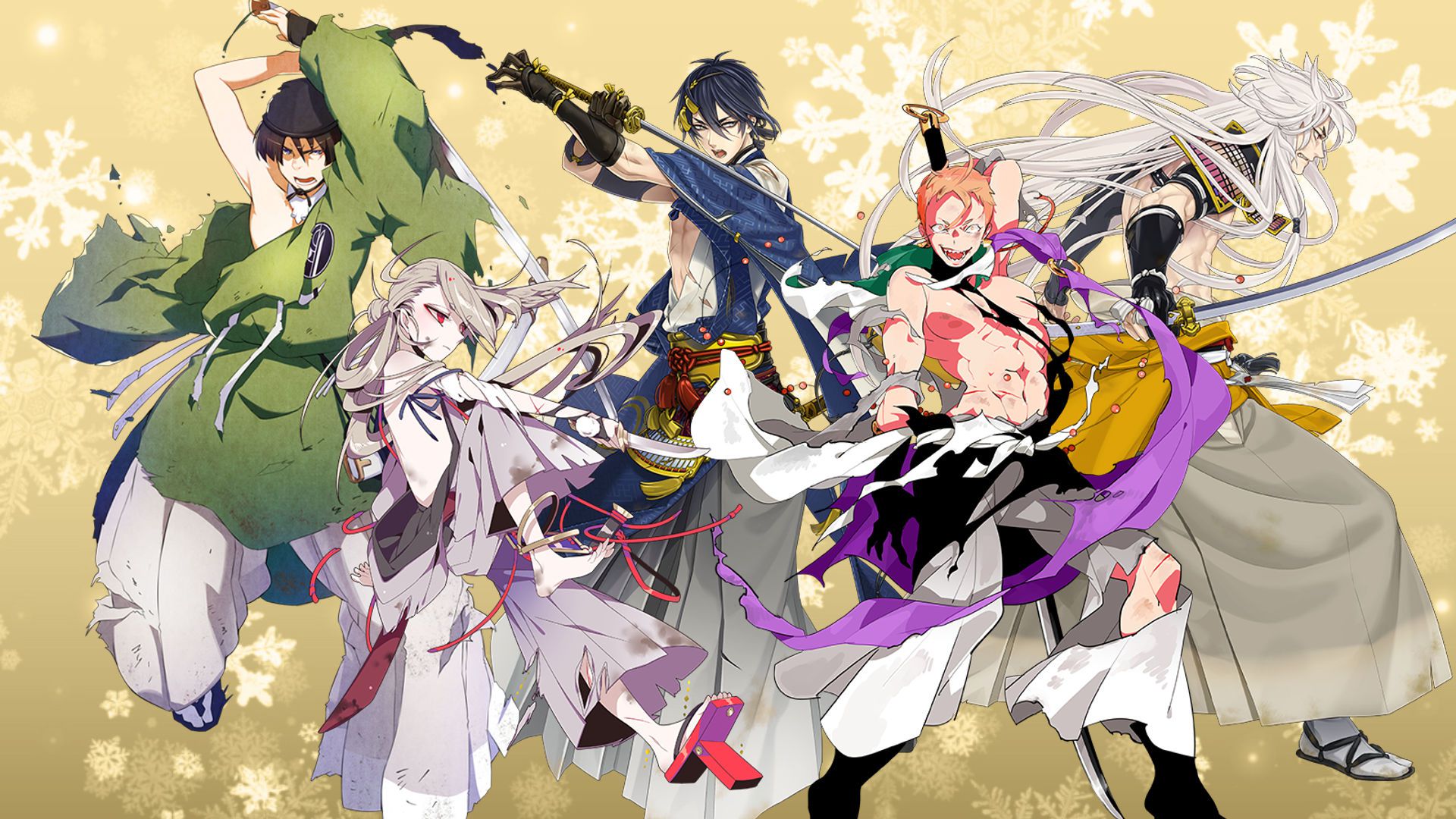
A collection of images of "Tourabu" with medium & heavy wounds! The differences in costumes and facial expressions are amazing... [Tourabu
Here is a summary of the appearance of the swordsmen in "Touken Ranbu" when they are moderately or seriously wounded. The following are those of the swords that were implemented from the beginning of the service until the appearance of Hagekiri & Hizemaru. It is tempting to see their tattered outfits and different expressions from normal, but you don't want them to look like that in your own Honmaru because they may lose their swords when they are seriously wounded...
Read Article
Collection of Golden Recipes for Sword Forging! You might get a rare swordsmith! TOURABU
The online game "Touurabu" is a popular game in Japan. Here we have collected "golden recipes" that have a high chance of forging the swordsmith you are looking for. The site also provides easy-to-understand information for beginners. We also introduce the voices of players who have succeeded in forging rare swordsmen using the golden recipe.
Read Article
Additional illustrations and behind-the-scenes settings by the artist are now available for viewing!
Originally released as a game, "Sword Dance. The work's explosive popularity, mainly among women, eventually led to a musical, stage, anime, and even a live-action film adaptation. This article summarizes additional illustrations and backstories released by the official illustrators of "Sword Dance".
Read Article
![TouyanBu] Introducing the Top 10 Most Popular Swordsmen! No. 1 is Tsurumaru Kuninaga, a sword born in the Heian Period! The first place goes to Tsurumaru Kuninaga, a sword born in the Heian period!](https://renote.net/files/blobs/proxy/eyJfcmFpbHMiOnsiZGF0YSI6ODU3NzgwNiwicHVyIjoiYmxvYl9pZCJ9fQ==--d78e32353064e4082eec8d8472879588e07272a3/DWzDtBwVAAAVZmH.jpg)
TouyanBu] Introducing the Top 10 Most Popular Swordsmen! No. 1 is Tsurumaru Kuninaga, a sword born in the Heian Period! The first place goes to Tsurumaru Kuninaga, a sword born in the Heian period!
We have compiled a ranking of the 1st to 10th most popular swordsmiths in "Touken Ranbu". The first place goes to Tsurumaru Kuninaga, who has a charming gap between his fragile appearance and cheerful personality.
Read Article