
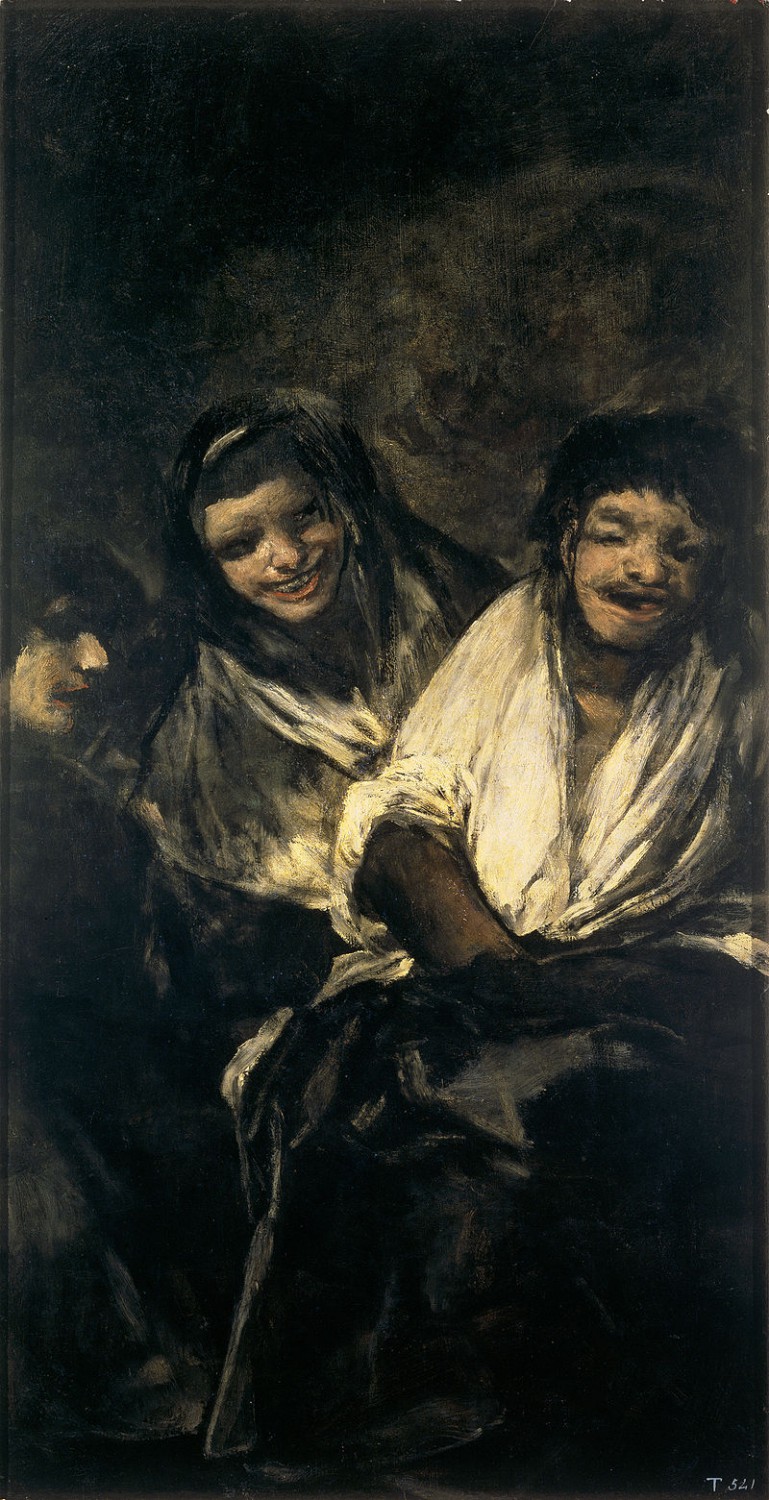
The "Black Paintings" bequeathed by the Spanish painter Francisco de Goya is the general term for a series of paintings on the walls of the rooms of his own residence. Many of the paintings are dark, with black motifs, and leave a strong impression on the viewer. There are many mysteries surrounding these paintings, and they seem to be actively debated among critics.
Late bloomers
Source: www.muian.com
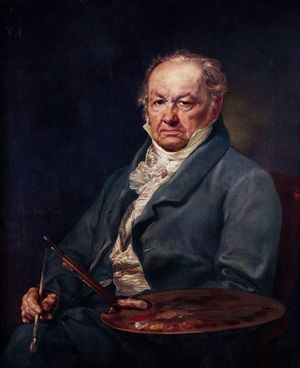
Francisco de Goya
Biography [1746 - 1828] A Spanish master who is known as one of the founders of modern painting. He is known as a person with strong critical spirit and sharp observation.
Genius of the Spanish art world
Source: novajika.com
Romantic heretic
Source: maribupublishing.blog76.fc2.com
His eventful life
Source: meiga.shop-pro.jp
Background
Goya was born near Zaragoza in northeastern Spain and grew up in an art-loving family. He set his sights on painting from a young age and studied in Rome from 1770.
Goya's creative activities supported by insatiable curiosity about human beings
Source: www.nmwa.go.jp
Goya is a difficult artist to talk about.
Source: abatorie10.blog111.fc2.com
Source: atokore.com
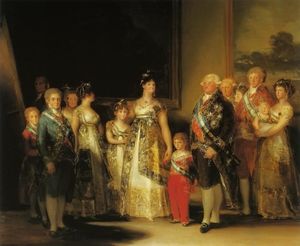
As a court painter
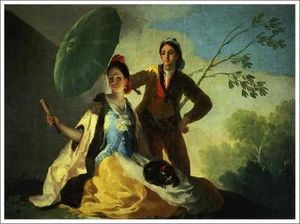
He became a court painter after working as a tapestry painter at the Royal Tapestry Factory for more than a decade from 1775.
Goya was an artist who was highly calculated and famous for drawing portraits and making money. On the other hand, he had a strong artistic desire to draw the truth, and he skillfully combined his livelihood activities with his artistic activities.
Source: www.jtnews.jp
He was also a man of social skills, and in fact, he drew caricatures and so on many times that the church glared at him, but with the help of the royal family and the people in power, he got out of that crisis.
Source: turning-point.info
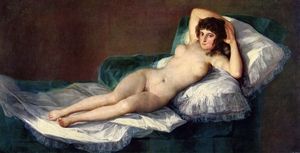
Source: ja.wikipedia.org
The turning point comes suddenly
In his 40s, Goya was finally recognized as the best painter in Spain, but he lost his hearing in 1792 due to an incurable disease.
Goya's loss of hearing changed his painting style dramatically.
Source: www.korega-art.com
Despite losing his hearing when he was in his 40s, he continued to depict society and humanity with a relentless spirit of inquiry throughout his life.
Source: info.yomiuri.co.jp
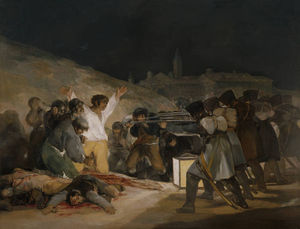
Gradually changing style
During the Spanish War of Independence, which started in 1808, Goya witnessed various aspects of human beings in extreme conditions. Around this time, the number of works increased.
Goya was an observer and a recorder all the time.
Source: www.wound-treatment.jp
The fear of war was the chief concern of Goya
Source: www.muian.com
When Napoleon's invasion overthrew the peace in Spain, Goya, in his old age, looked at the tragic reality of a people who had suffered war and chaos.
Source: www.nmwa.go.jp
It seems that Spain was also in a terrible state at that time. I am surprised at the genius of Goya who created the expression in the bad conditions.
Source: abatorie10.blog111.fc2.com
And the black picture is.
After 1815, Goya was a court painter, but in effect retired to paint for his close friends. During this time, Goya bought a house and began to paint the famous "Black Picture" series.
Source: www.korega-art.com
The so-called "black picture" is the most personal painting. It was not painted for show, much less for money.
Source: sendatakayuki.web.fc2.com
The "black paintings" had no name, and there was no explanation left by Goya. When these paintings were found and canvas was attached to the Museo del Prado in Madrid, the artists named a series of these 14 works and each piece of work. Each name is useful in identifying each piece of work, but these works and their names may differ from Goya's intentions.
Source: www.enforex.com
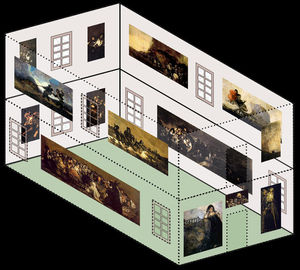
Source: www.antoniohernandez.es
House of the deaf
In 1819, Goya purchased a villa on the outskirts of Madrid known as the "House of the Deaf," and painted 14 murals on the walls of the house's salon and cafeteria.
