
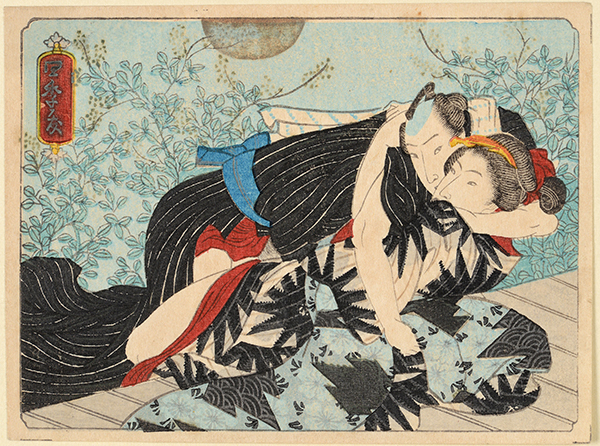
Shunga has established itself as an art form to the extent that Shunga exhibitions are held overseas. We will show you how to enjoy Japanese shunga, which depicts details clearly and in great detail.
Edo Period Entertainment Shunga
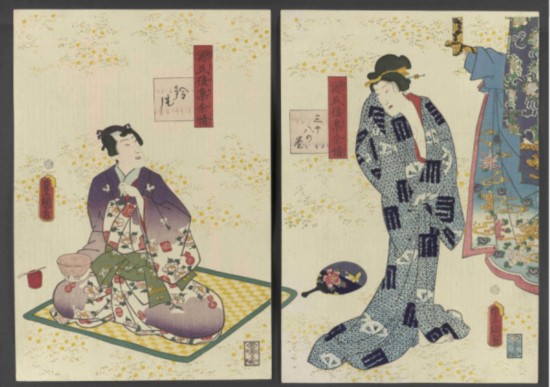
When one hears the word "Shunga," one has the image of something that should not be seen publicly, but overseas it is gaining attention as a Japanese work of art. Many Shunga were written by famous ukiyoe artists, and through Shunga, visitors can experience the historical background and culture of the Edo period.
Shunga developed as a form of entertainment culture during the Edo period, depicting the activities of men and women in a way that emphasized the genitals. Prints were popular among the general public, while hand paintings were popular among the upper classes. In the Meiji era (1868-1912), it was forbidden to publish them publicly as they were considered disturbing to public order and morals. Although academic books existed, they were published with the genitalia and other parts vertiginously covered.
According to Professor Emeritus Bonta Hayakawa of the International Research Center for Japanese Studies, who is a member of the organizing committee for the Shunga exhibition at Eiseibunko, the "Japonism" that arose in Europe in the 19th century is known in Japan to have been influenced by Ukiyo-e and other works, and in fact, Shunga has a strong influence among Ukiyo-e works. It was accepted as a work of art and influenced famous artists such as Van Gogh, Picasso, Manet, and Gauguin. The school has held exhibitions in France, Italy, Spain, Belgium, and other countries. There are no age restrictions, and the school is always a great success, with teachers leading their students to visit.
Source: grapee.jp
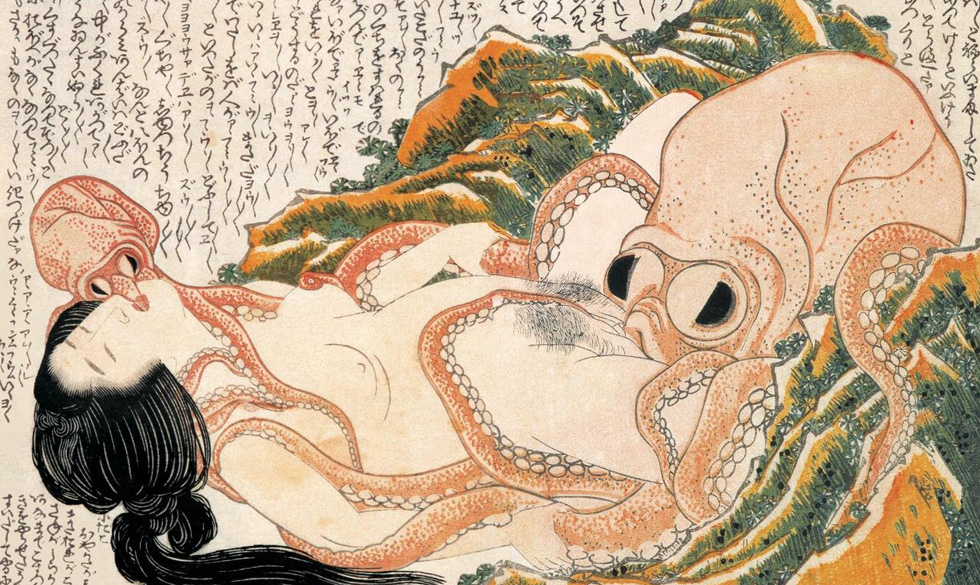
Katsushika Hokusai's Shunga (spring paintings) are very famous.
The Edo period was also a time of yokai fever and the blossoming of rental books and yellow cover paper. Shunga was also established as a genre in line with the civilization of the publishing industry.
However, whether it is because Edo people are inclined to rebel against the prohibition or not, various Ukiyo-e artists continued to draw Shunga even after the prohibition, and they also drew Shunga under the name of "Hagane" (a pseudonym to blind people). and also used the name "Oyagome" (a pseudonym to hide one's face from the world).
Source: www.youkaiwiki.com
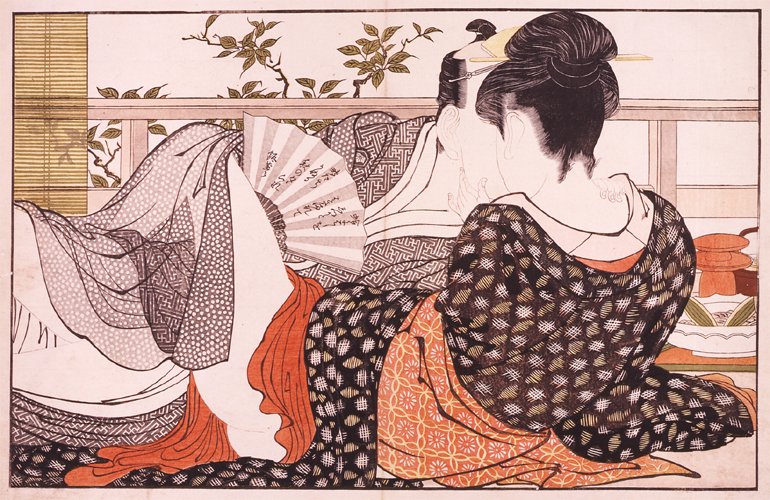
Utamaro Kitagawa also wrote Shunga.
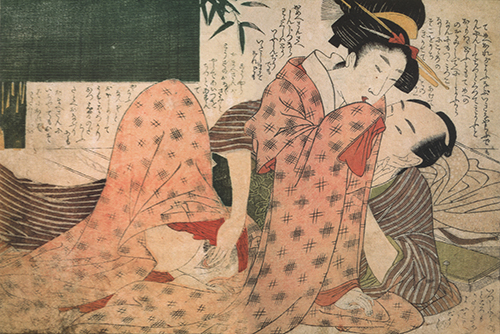
Utamaro Kitagawa
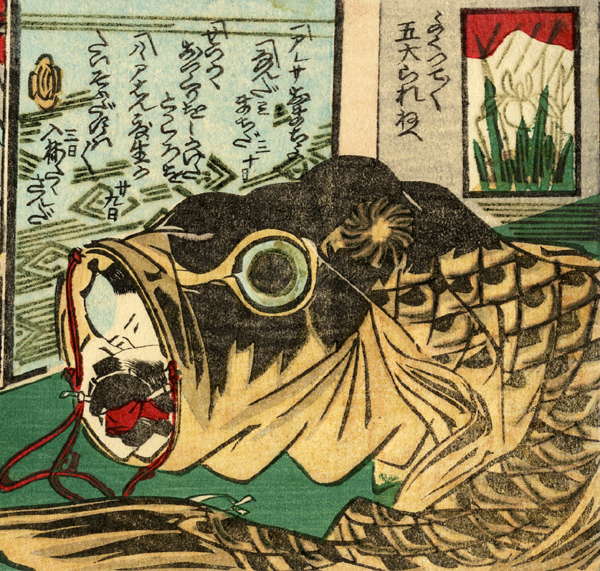
Gyosai Kawanabe
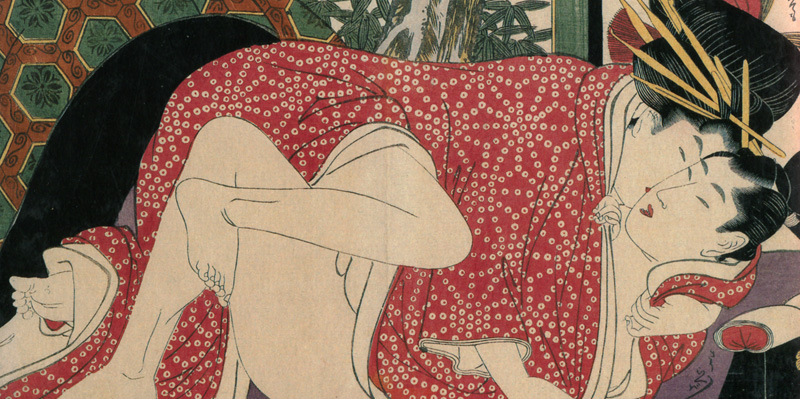
Most Shunga are dressed in kimonos!
Shunga mostly depict clothed sexual intercourse, and it seems that nudity is quite rare. Furthermore, female breasts are rarely depicted, with the majority of depictions focusing on the joints.
It seems that many of the paintings were done in tie-ups with kimono shops, so they also served as advertisements. That is why they did not take off their clothes.
Source: www.youkaiwiki.com
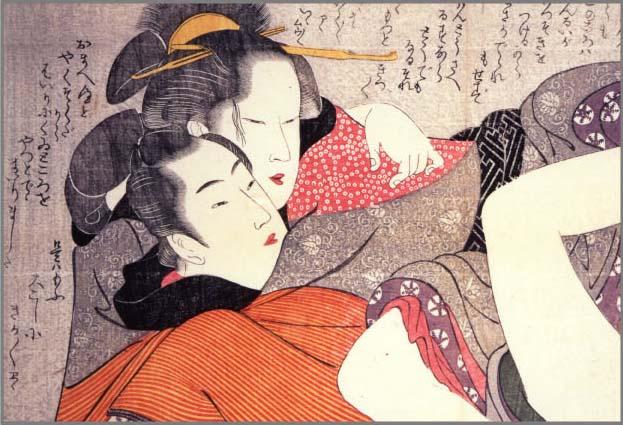
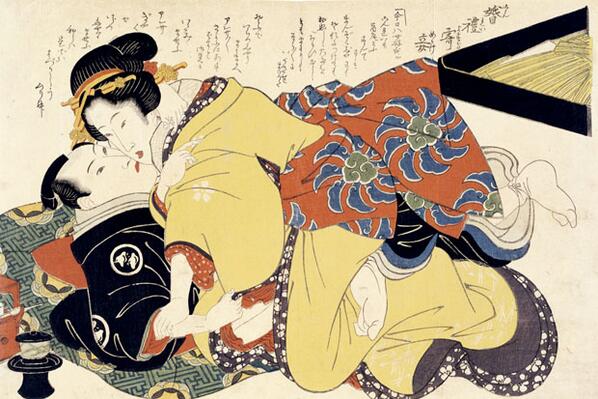
You have written a proper story as well as pictures.
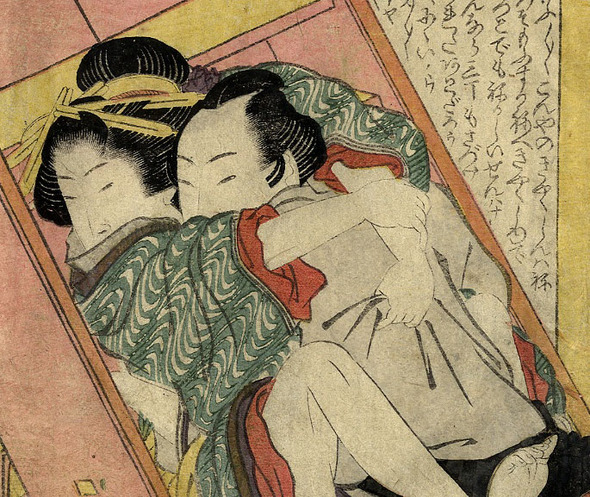
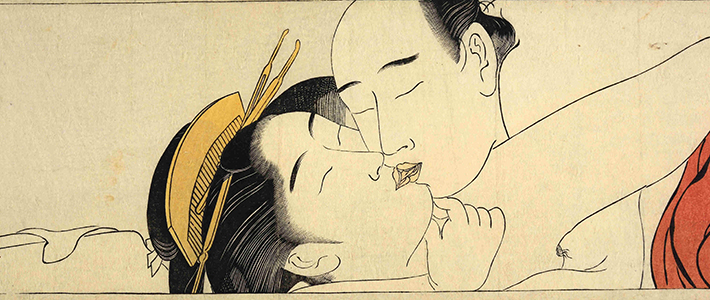
Shunga was also meant to carry on the performance. Why don't you try it as a work of art without preconceptions?
