
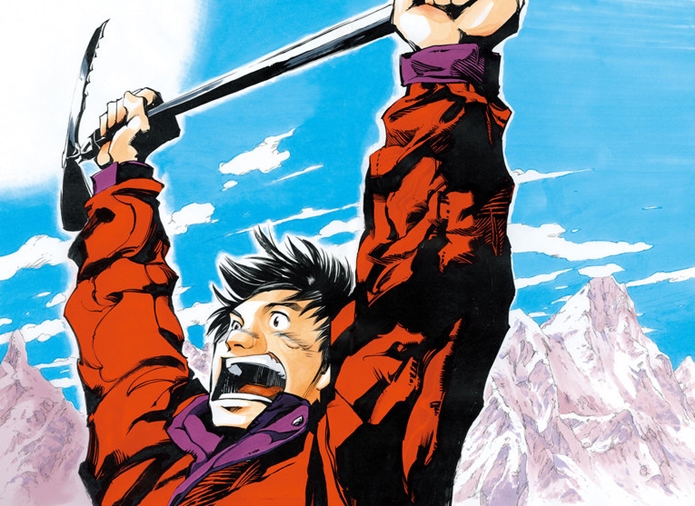
Dake" is a manga by Shinichi Ishizuka, serialized in "Big Comic Original" since 2003, and a movie based on the original story. The story centers on the interaction between a female police officer assigned as a new recruit to the mountain rescue team and a mountain rescue team member who loves the mountains, and it also depicts in detail the feelings and growth process of people who love the mountains. It is a film full of love for the mountains, not only for their beauty, but also for the wonders of nature that sometimes strike humans mercilessly.
Any of a variety of symptoms caused by low oxygen levels in the body at altitudes of 2400 meters or higher where there is a low level of oxygen. Symptoms include headaches, nausea, dizziness, vomiting, and poor judgment and concentration. In the case of mild altitude injuries, improvement can be expected by lowering the altitude.
On the other hand, at altitudes of 8000 meters or more, called "death zones" where the air is so thin that humans cannot survive, people begin to feel difficulty breathing and headaches even if they are constantly using oxygen tanks. As soon as the oxygen tanks run out, they begin to feel blurry vision and shortness of breath. If they become severely oxygen-deficient, they may develop impaired vision and become blind. Vision loss due to oxygen deficiency can be improved by lowering the altitude, but if they stay in the "death zones" for more than 24 hours, they also damage brain cells, causing symptoms such as hallucinations, delusions, and clouding of consciousness. In addition, since the blood becomes thick, it is easy to form a blood clot, and it becomes easier to get frostbite than usual, so it is important to move your hands and feet to ensure blood flow.
In order to prevent altitude damage, the body needs to be gradually acclimated to low oxygen, and before climbing Mount Everest, it is necessary to climb the surrounding villages and mountains for altitude adaptation training.
Sherpa
A mountain guide who lives in Nepal and is an ethnic minority called the Sherpa. Since he has lived in a place where the air is thin and is over 2500 meters high, he is strong against altitude injuries. He is an the ascent of Everest, etc. There are also people called "porters" who make use of their strong physical strength to specialize in carrying loads. The load carried by a porter on the back can exceed 30 kg.
On a tour to the summit of Mount Everest, a guide and a sherpa put up a guide rope to the summit in advance and unload necessary items such as oxygen tanks.
Everest Base Camp
This campsite is located 5400 meters above the starting point of Lukla, which is 2840 meters above sea level, after passing through the Everest Highway. There is also a trekking course that goes to the Everest Base Camp. Those who climb Mount Everest use the villages on the way or the trekking course to train for acclimation. Since the route to climb the western wall, which is the regular route of Lhotse, continues from the Everest Base Camp, it is visited by many climbers not only from Mount Everest but also from all over the world.
Crevasse / Chelund
It is a crack formed on the top of a snowy stream where snow remains due to the high altitude and low temperature. In addition, when snow melt flows under the snowy stream, it is called "Shale" to distinguish it.
Both of them are surrounded by very hard walls of snow, and it is difficult to escape by yourself because the inside is wider than the entrance.
Because the cold air of the flowing water takes the body temperature further, it is said that 30 minutes is the limit even for those who wear it.
Cornice
A condition in which snow piles up like eaves (also called "hisashi" in Japanese) due to strong winds. Since snow often forms on the ridges of mountains and there is nothing under the snow, it is necessary to have an anti-skid device, a pole to check the depth of the snow, and a Ice ax when walking on the Cornice.
Krandon
This is an auxiliary device that can be worn on top of boots with non-slip blades so that you can walk on snow. It is an essential tool for climbing to the top of a mountain where the temperature is low near the top of the mountain and there is often snow that remains melted even when there is no snow at the bottom. When crossing a ladder installed on top of a crevasse, etc., it is necessary to be careful as the blade of a cranpon may bite into it.
Ice ax
Also known as axe, it is an essential tool for mountain climbing. The part with the blade is used as a climbing tool when you cross a frozen waterfall or glacier. It can be used in various ways such as making a snow cave with a shovel or climbing with a handle as a stock. It can be used repeatedly if you rub it.
Climb On / Climbing
A shout for safety before starting to climb walls, rocks, ropes, etc. If more than one person is climbing, the one who starts to climb will shout "climbing" and the others will shout "climb on".
Rack (lock)
A shout for a rockslide. It is a combination of the English word rock and the word raku for a rockslide, but rock and lac have the same meaning and are not used differently depending on the situation. Rockslides are often immediately life-threatening, so it is important to make sure to shout out loud to people around you when you witness a rockslide.
Words, lines, scenes of "Take"
Sanpo Shimazaki: "You did your best."
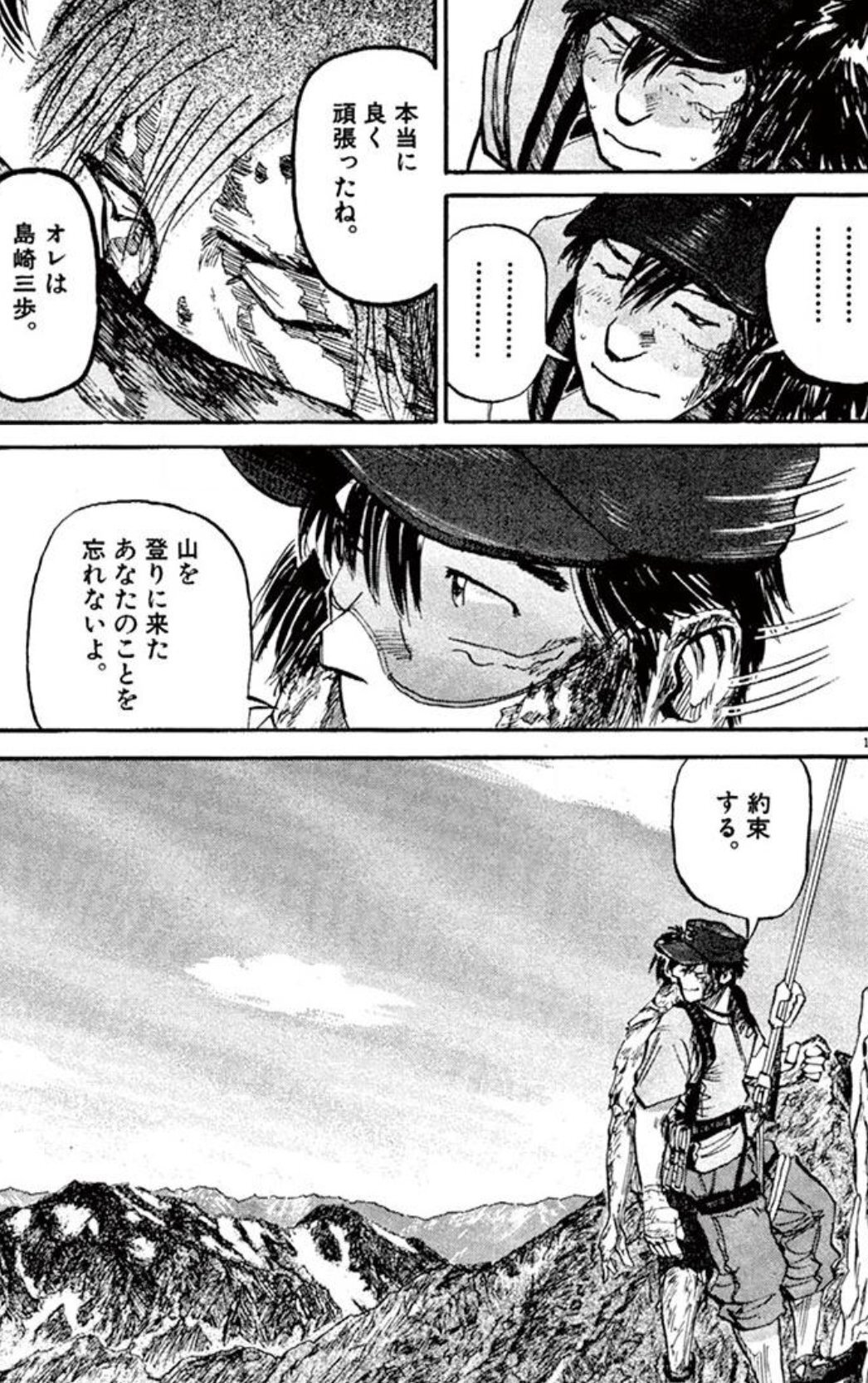
Sanpo continues to tell the deceased that he has worked hard.
The phrase "You did a great job, didn't you?" is almost always used by Sanpo in mountain rescue situations. Because she loves mountains and all the people who come to climb them, she never blames them and speaks to them gently, even if the accident was caused by a mountain climber's carelessness. The phrase is the same for people who died at the scene of rescue without being able to make it in time, people who lost their lives for several years after being lost in a disaster, and people who started to decay and became like mummies.
Many families who are unable to recover from the loss of their loved ones are moved to tears by Sanpo's words, "Well done," and become receptive to death.
Masato Noda "Still, I like rescue."
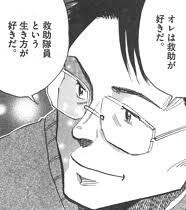
The serene expression of his usually stern boss
The words were delivered by Masato, who was transferred due to the Akutsu disaster, to Kumi, who was thinking of quitting her job as a mountain rescue team member because she felt responsible for it. In her daily work, she is often taken to have a calm attitude and sometimes a cold personality. However, she told Kumi, "Accidents can happen to anyone, and the danger is always a part of me next to her." She then said, with a calm expression, "I like rescue." This line conveys the passion of Masato and his love for the mountains, which only Sanpo knew.

Related Articles
Spoiler commentary and discussion summary for BLUE GIANT
BLUE GIANT" is a manga by Shinichi Ishizuka that has been serialized in "Big Comic Spirits" since 2013. The story is about Dai Miyamoto, a high school student who aspires to become the world's best saxophone player, and how he moves from Sendai to Tokyo to Germany, climbing up the ladder one step at a time. The story was serialized under a different title, BLUE GIANT SUPREME.
Read Article
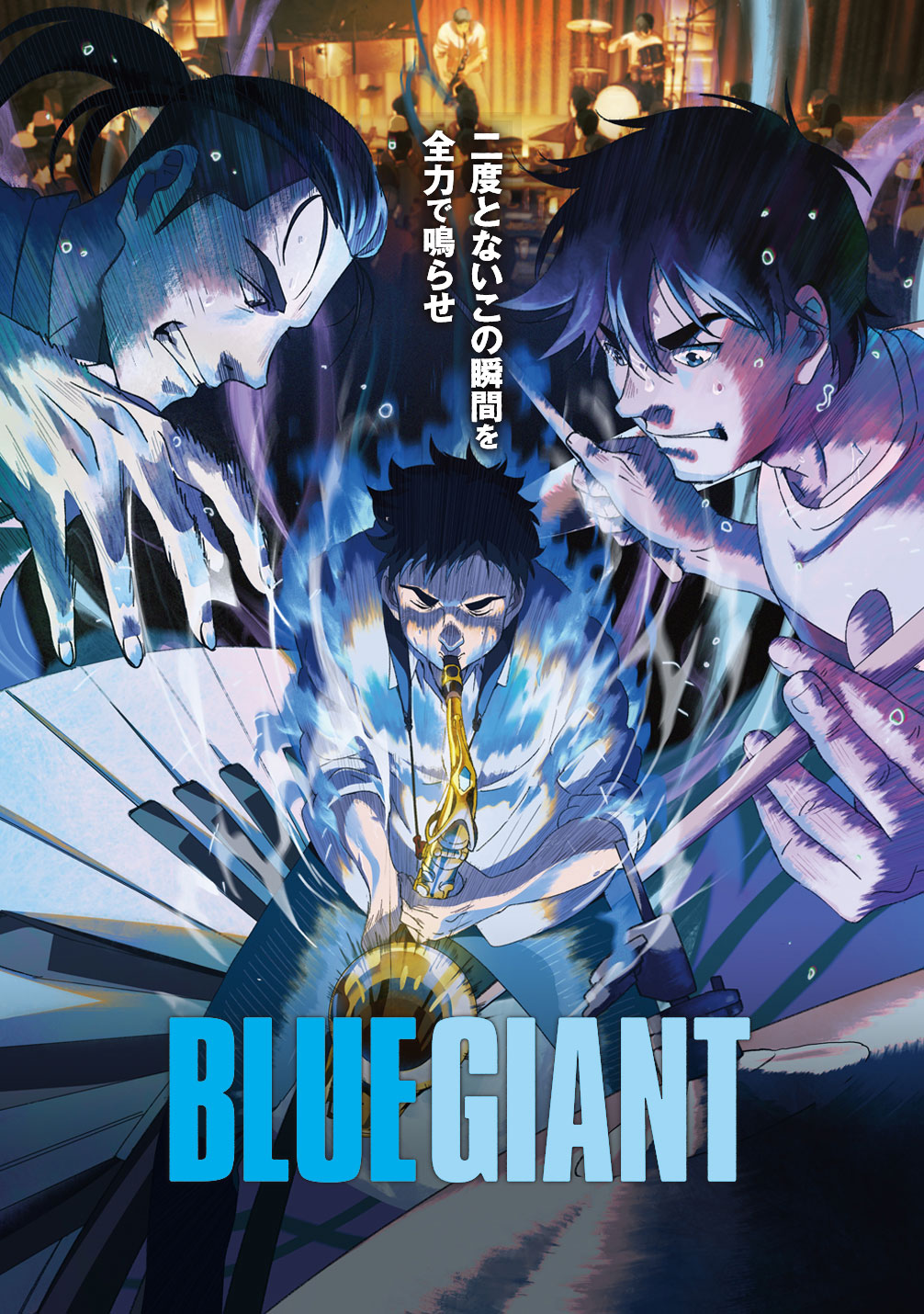
A compilation of quotes from Shinichi Ishizuka's jazz manga BLUE GIANT! Your sound can overwhelm people." [BLUE GIANT
We have compiled a list of famous quotes and lines from the jazz manga "BLUE GIANT" by Shinichi Ishizuka. There are many words that will especially resonate with those who are involved in music as well as jazz, such as "Your sound can overwhelm people," and "I don't care if you are good or bad, as long as you can move people. The synopsis and story are also introduced along with the relevant lines.
Read Article
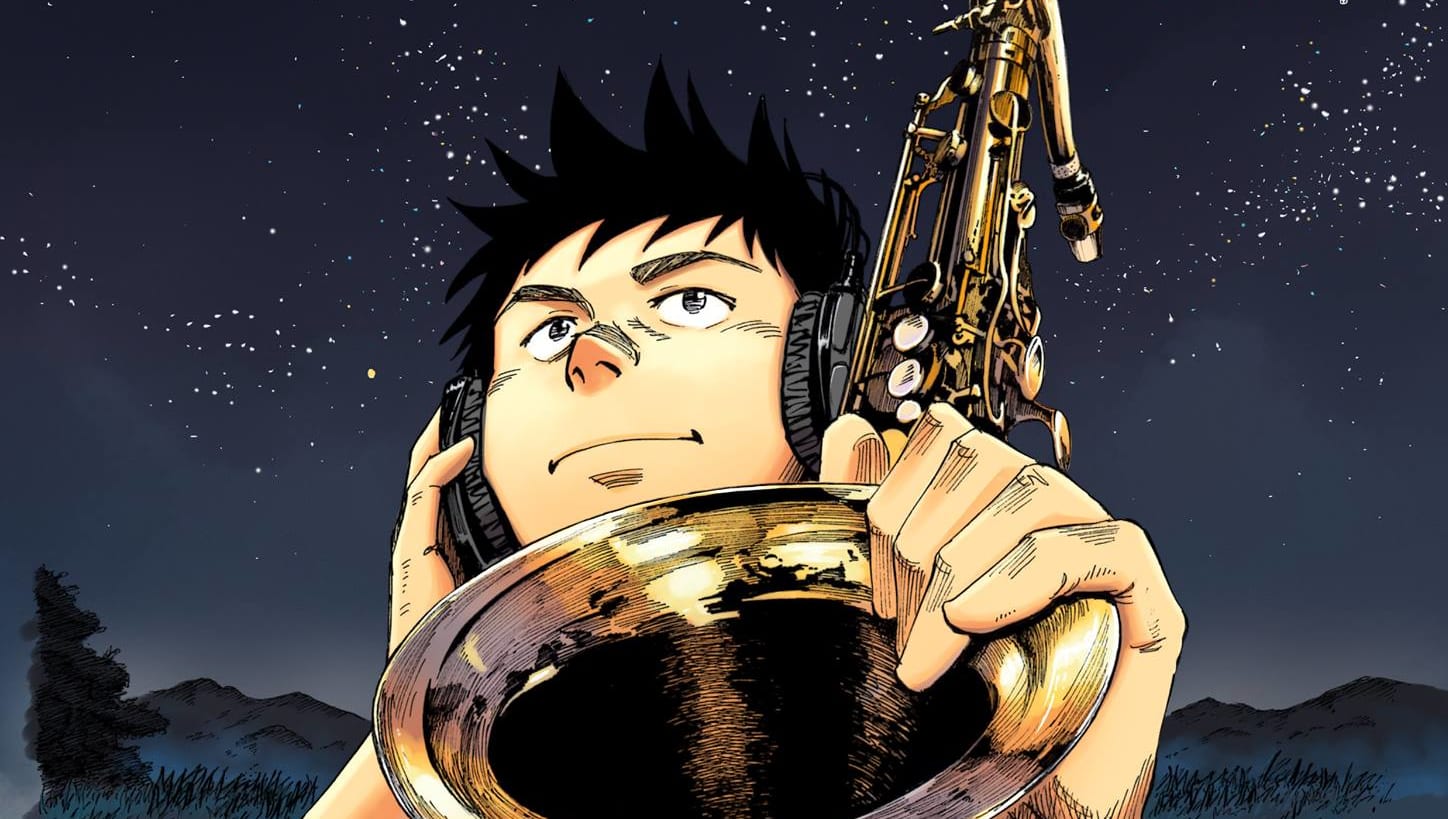
A compilation of songs that appeared in BLUE GIANT! Including famous songs like John Coltrane's "Moment's Notice"! [BLUE GIANT
This article introduces songs that appeared in the jazz comic "BLUE GIANT. Some of the songs, such as John Coltrane's "Moment's Notice," will make even those who do not know much about jazz think, "I've heard that song somewhere before...". All of the music is wonderful, so whether you like jazz or not, please give it a listen.
Read Article
Contents
- Overview of "Dake"
- Outline and story of "Dake"
- 遭対協 and Shimazaki Sanpo
- Three Steps Past
- Survival
- Reality of rescue
- Zach Weathers
- Otokomeshi
- Kumi and Maki
- New personnel
- Growth of Naota
- Accidents in Akutsu
- Reunion
- Into the crevasse.
- Ascent
- Rescue
- Minna no Yama
- List of Dake characters
- Mountain rescuer
- Sanpo SHIMAZAKI
- Kumi Shiina
- Masato Noda
- Toshio Akutsu
- Zach Weathers
- Hidenori MAKI
- Makoto Aoki
- Yamaguchi
- Saburo Miyagawa
- Ando
- Three footed climbers
- Scott
- Andy.
- Damon
- Duane
- Camilo
- Other characters
- Naota YOKOI
- Fumiko TANIMURA
- 草介 ODA
- Oscar
- Pete.
- Tenzin
- Angela.
- Bill
- Mike.
- Linda.
- Indian Mountaineering Party
- Overview of the movie version of "Gaku"
- Outline of the movie version of "Gaku"
- The term "dake"
- Nagano Prefecture Mountain Rescue Team
- Mountain Disaster Prevention Association (遭対協)
- Mountaineering notice
- Northern Alps
- Grand Teton
- Lhotse
- Everest
- Severe disability
- Sherpa
- Everest Base Camp
- Crevasse / Chelund
- Cornice
- Krandon
- Ice ax
- Climb On / Climbing
- Rack (lock)
- Words, lines, scenes of "Take"
- Sanpo Shimazaki: "You did your best."
- Masato Noda "Still, I like rescue."
- Oda 草介 "It's a big mountain to help people."
- Background Stories, Trivia, Small Stories / Episodes and Anecdotes of "Gaku"
- The movie version of "Gaku" was shot in the actual mountain.
- Sanpo's source of income consists of dispatch expenses by the prefectural police and part-time work
- Theme song and insert song of "Dake"
- Theme song for the film: Kobukuro "As that sun keeps shining on this world."