
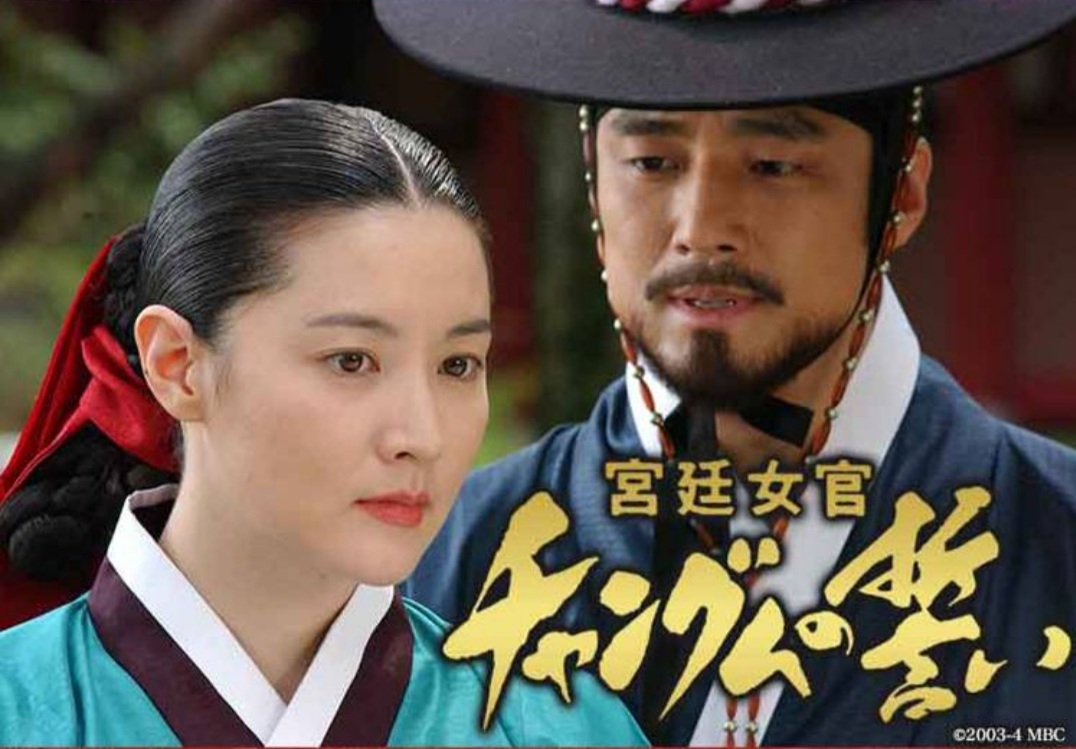
Jang Geum's Oath" is a historical drama that aired on MBC from September 2003 to March 2004, depicting the life of a real-life medical woman, "Jang Geum," as she attained the highest status as a medical woman. In Japan, a dubbed version was broadcast by NHK in 2005. The story takes place in the court of the Joseon Dynasty in the early 16th century, which is the Muromachi period in Japan. The model is "Jang Geum," a real-life medical woman. The film depicts her spectacular upbringing, her strong survival amidst various intrigues at the court, and her checkered life as she worked her way up from being a cook to becoming a doctor.
Medical woman
A medical woman who mainly treats and diagnoses women, such as a king's concubine or a court lady.
In Janggeum, it is also used to mean just a female doctor.
Oi (doctor)
King's doctor
Sanggung
She was the best woman among court ladies except for concubines, and the top among them was called the best Sanggung.
Surakan
The kitchen where the royal family's meals are prepared.
Uchi Clinic (ネイウォン)
A department in the Imperial Court for dispensing and treatment.
Katsujin-sho Station (ファリンソ)
A department that treats the sick outside the capital.
Words, lines, scenes and scenes from "The Oath of Janggeum, a Court Lady"
Han Sanggung: "Even water becomes a dish from the moment it is served."
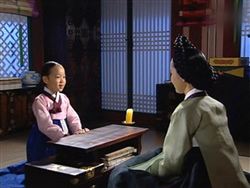
Han Sanggung preaches to Jang Geum (left)
This is the line in the fourth episode, "Mother's Teaching."
As a court lady apprentice, Janggeum was asked by Han Sanggung to bring him water, but Han Sanggung would not accept it no matter how many times he tried. Finally, Janggeum understood his intention, and he not only brought water, but also asked Han Sanggung how he was feeling. Finally, he added a pinch of salt to water in consideration of Han Sanggung's condition.
In response, Han Sanggung said to Janggeum, "Even if it's water, it becomes a dish from the moment it's served." In other words, they should be aware of the other person's physical condition and preferences in detail and serve dishes that match them.
A man who works at a temple said, "If I can't eat to my heart's content, I will eat to my heart's content to fill my stomach. So, no matter what happens, I must never serve anything that is half-baked."
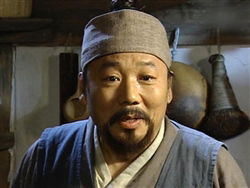
A man who preaches the teachings of his mother at a temple
This is the line in the 16th episode' Shinshin' (Sincerity).
At the end of the meal, Sanggung offered to eat the rice that her brother had offered her when she was a child. She looked for the rice and went to the man at the temple who had served her delicious food. The man told her that it was オゲルサル, which was completed by drying the rice for a few days. However, she wanted to make it quickly, so instead of drying it, she served it to Sanggung. Sanggung described it as something similar but different, and she was happy to eat the real オゲルサル brought by the temple man at that time. So the temple man told her what his mother had taught him: "If I can't eat a full meal, I'll eat a full meal to fill my stomach. So no matter what happens, I must never serve anything that is half-baked." Once again, Janggeum recalls a dish that cares for people.
Supreme Sanggung Han: "Your good point is not that you are superior to others, but that you should keep moving forward."
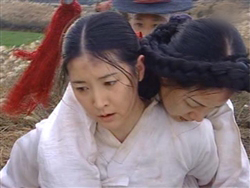
Han Sanggung (back right) praising Janggeum with the back of Janggeum (front)
This is the line in Chapter 27, "False Confessions."
Han Sanggung, who was forced to leave the Imperial Court and exiled to Jeju Island due to a false confession, was about to die on Janggeum's back.
At that time, Han Sanggung (Sang-gun) praised Janggeum for her efforts and her way of life, saying, "Your goodness is not that you are superior to others, but that no matter what, you must move forward." He told Janggeum, "I will return to the court first," and Han Sanggung passed away.
Janggeum: "I got everything, I lost everything."

In the Field of Rape Flowers, Janggeum (right) and ジョンホ (left) express their feelings toward the Imperial Court.

Related Articles
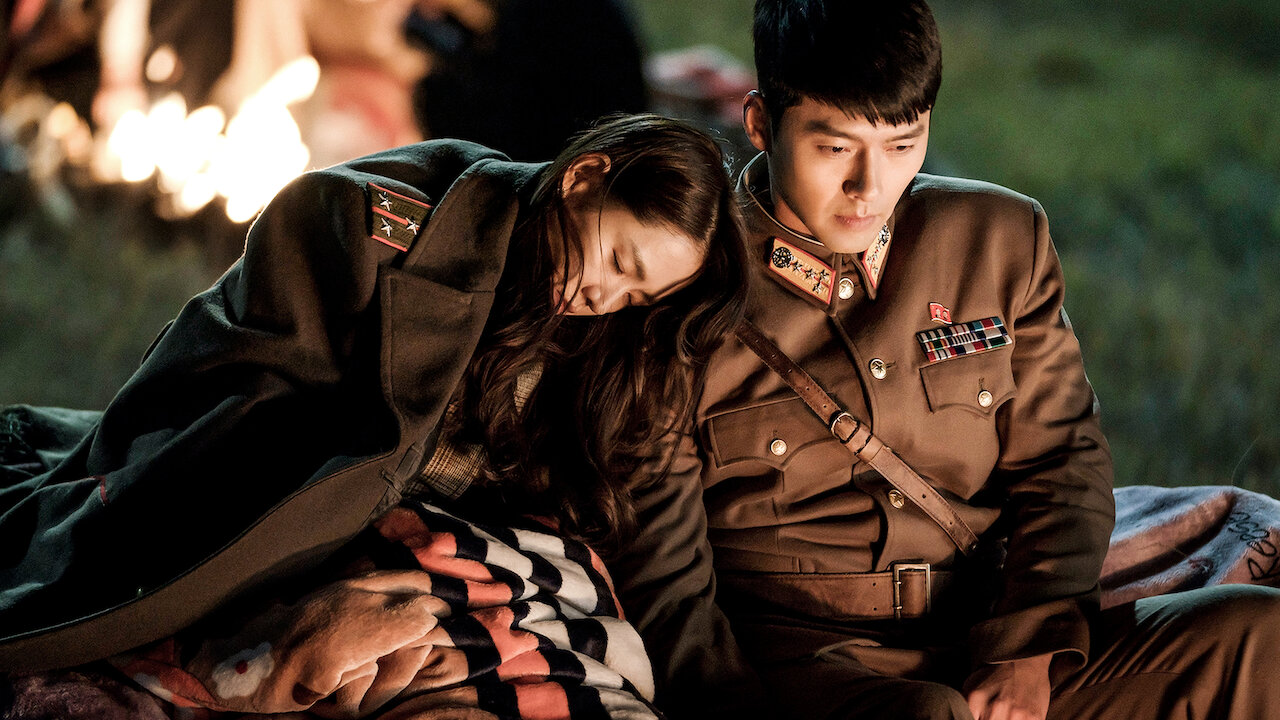
A compilation of Korean drama theme songs that make you cry! Including "The Legacy of a Hundred Years," "Advertising Genius Lee Tae-baek," and many more!
Speaking of Korean dramas, which are full of masterpieces, the most popular songs are the gentle love ballads that make viewers weep just by listening to them. Here we have compiled a list of theme songs for Korean dramas, including such ballads. Theme songs from popular dramas such as "The Legacy of a Hundred Years" and "Advertising Genius Lee Tae-baek" are included.
Read Article
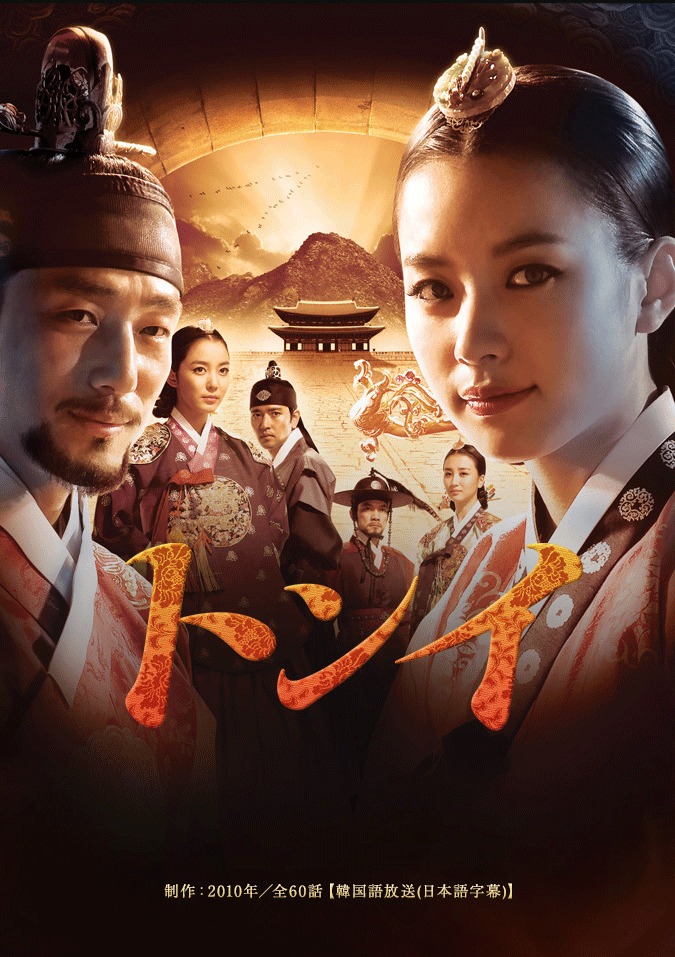
Spoiler commentary and discussion of Dong Yi (Korean Drama)
Dong Yi" is a Korean drama produced by MBC in 2010, set in the Joseon Yi Dynasty from the late 17th century to the early 18th century. The story is about the main character, Dong Yi, who was a servant as a child and joined the court after his family was murdered, and searches for the truth behind his father's death. The story depicts how Dong Yi overcame various difficulties, such as being involved in bullying and factional fights, becoming the wife of the king and the mother of a prince, and how she persevered in her life. One of the highlights of the story is how Dong-i progresses through the ranks, even though it is considered impossible for a servant to become a concubine.
Read Article
![24] 70 Really Interesting Foreign Masterpiece Dramas [Little House on the Prairie].](https://renote.net/files/blobs/proxy/eyJfcmFpbHMiOnsiZGF0YSI6NjM0ODgyMCwicHVyIjoiYmxvYl9pZCJ9fQ==--f5038dff5083a0a7b733977968d4fb2bb5743f74/24.jpg)
24] 70 Really Interesting Foreign Masterpiece Dramas [Little House on the Prairie].
There are many dramas that are called masterpieces not only in Japan but also in other countries. Some of them have been popular for a long time and their popularity is evident. This article introduces 70 carefully selected masterpieces of such overseas dramas. Which one do you like the most?
Read Article
Tags
Contents
- Outline of "The Oath of Court Lady Janggeum"
- Outline and story of "The Vow of Changeum, a Court Lady"
- Janggeum and her parents
- 剌間 Period
- Apprenticeship of a court lady, childhood
- Girls' Generation
- When she was a court lady
- Jeju Island period
- Period of medical women
- Janggeum and his family
- Fictional character from "The Oath of Court Lady Janggeum"
- Key person
- Seo Jang-geum (played by Lee Young-ae)
- Min ジョンホ (played by Ji Jin-hee)
- Surakkan officials
- Han ペギョン (played by Yang Mi-kyung)
- Choi Seong-moo (played by Kyeon Mi-ri)
- Choi グミョン (played by Hong Ri-na)
- Lee Joensen (played by Park Eun-hye)
- Medical professionals
- Yun Young-no (played by I To-un)
- Chandeok (played by Kim Yeo-jin)
- Shin Bi (played by Han Ji-min)
- Park Yeo-ri (played by Lee Se-eun)
- Jung Woo ンベク (played by Maeng Sang-hoon)
- Royal family
- Emperor Zhongzong of Tang (played by Im Ho)
- Empress Dowager Taebi (played by Um Yoo-jin)
- Empress (Chuden) (played by Park Jeong-sook)
- Relatives of Janggeum
- Seo Jeong-soo (played by Park Chan-hwan)
- Park Myung-yi (played by Kim Hye Song)
- Kang Doc (played by Lim Hyun-sik)
- Doc's wife (played by Geum Bo-ra)
- Members of the Choi family
- Oh ギョモ (played by Jo Kyung-hwan)
- Choi Pan-sul (played by Lee Hee-do)
- Chief Lady Park Yong-shin
- Terms of "Oath of Changeum, a court lady"
- Court lady
- Medical woman
- Oi (doctor)
- Sanggung
- Surakan
- Uchi Clinic (ネイウォン)
- Katsujin-sho Station (ファリンソ)
- Words, lines, scenes and scenes from "The Oath of Janggeum, a Court Lady"
- Han Sanggung: "Even water becomes a dish from the moment it is served."
- A man who works at a temple said, "If I can't eat to my heart's content, I will eat to my heart's content to fill my stomach. So, no matter what happens, I must never serve anything that is half-baked."
- Supreme Sanggung Han: "Your good point is not that you are superior to others, but that you should keep moving forward."
- Janggeum: "I got everything, I lost everything."
- Janggeum inherits her will from her mother, who was chased and killed.
- Myeong-i's daughter Janggeum and her best friend Han Sanggung know each other's backgrounds.
- The Secret Story, Trivia, and Small Story / Episodes and Anecdotes of "The Vow of the Court Lady Janggeum"
- Fans of the main character, Lee Young-ae, are surprised by that person.
- It's like a meal, an attractive court dish.
- Jang-geum Park
- The theme song and insert song of "The Vow of the Court Lady Janggeum"
- OP (opening): Lim Se-hyun's "Changryong"
- ED (ending): Kim Soo-hyun, Kim セウキ, Baek Bo-hyun "フェブガ I"
- Added by Kim Joon-bum, "Gaifu Ga (フェブガ) II"
- Insert: "Highlands (コウォン)" by Lim Se-hyun
- Insert Song: Lim Se-hyun's "Ku 815"
- Insert Song: Lim Se-hyun's "Yeon-pap"
- Insert Song: "Doc (Deokku)" by Lim Se-hyun
- Insert: "APNA" by Lim Se-hyun
- Insert Song: Lim Se-hyun's "Dasam"
- Insert: "Bi" by Lee Si-woo
- Insert Song: Lim Se-hyun's "Hamanyeon"