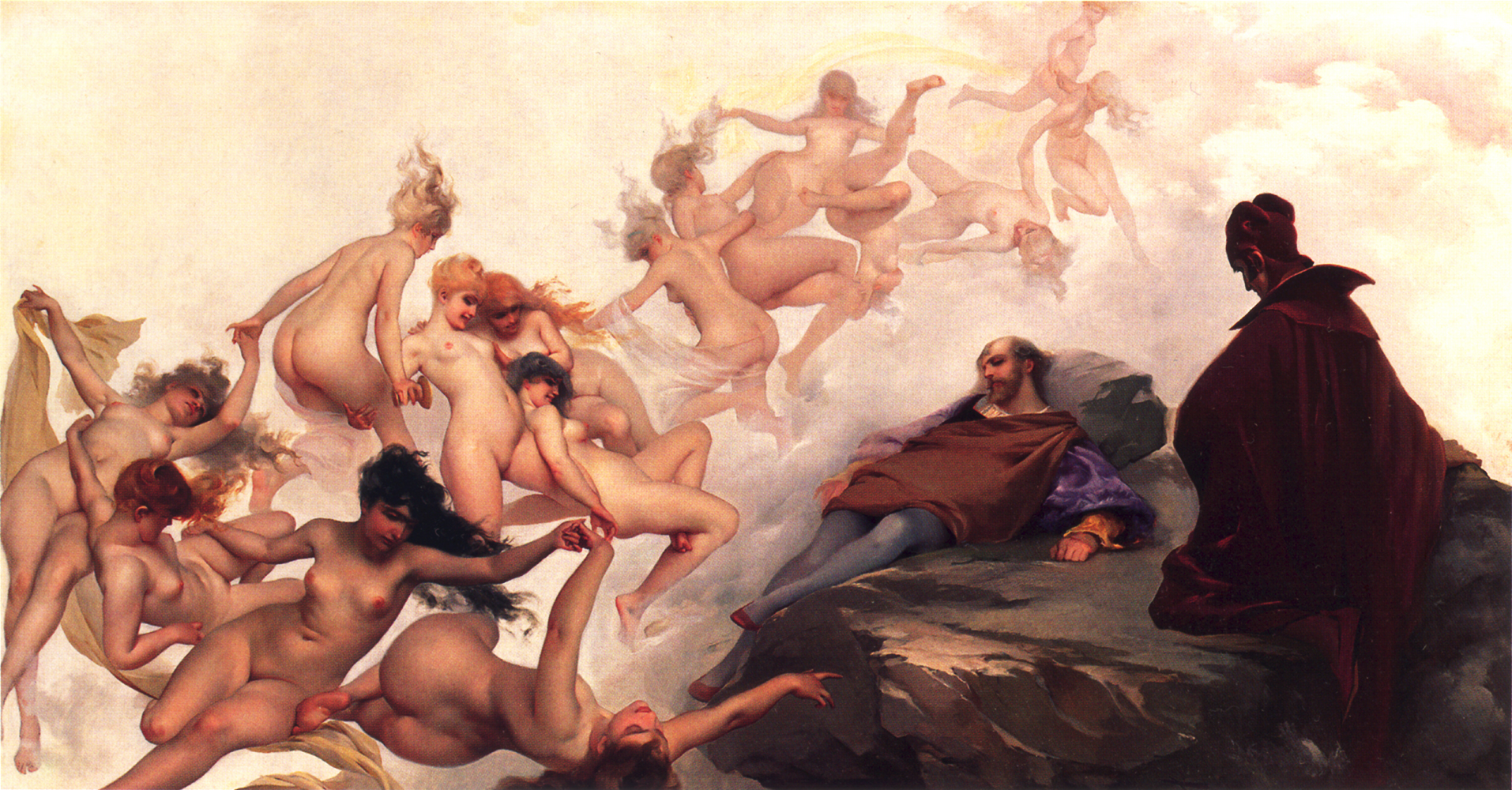
Nude women dancing in the air, with witches and demons chasing after them - the women depicted by 19th century painter Luis Ricardo Falero (1851-1896) were criticized as too sensual and even anti-social by the moral standards of the time. The paintings are still in use today.
The World of Luis Ricardo Falero
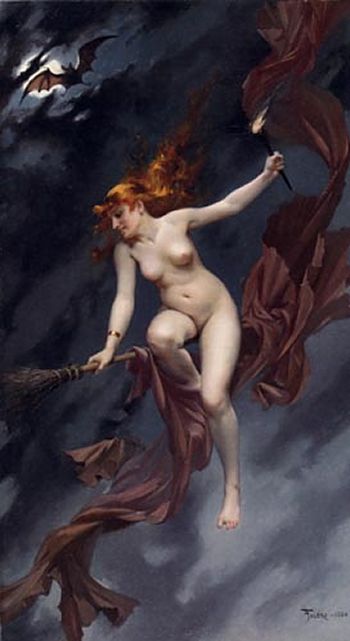
The painter, Falero, was Spanish, but after studying painting in Paris
He was active in Victorian England until his death at the age of 45.
He rode the wave of the nude painting craze that began to rapidly increase around 1860.
He rode the wave of the nude painting trend, which began to rapidly increase around 1860, and produced beautiful and original nude paintings with mythological and fantastic themes.
He painted beautiful and original nude paintings with mythological and fantastic themes.
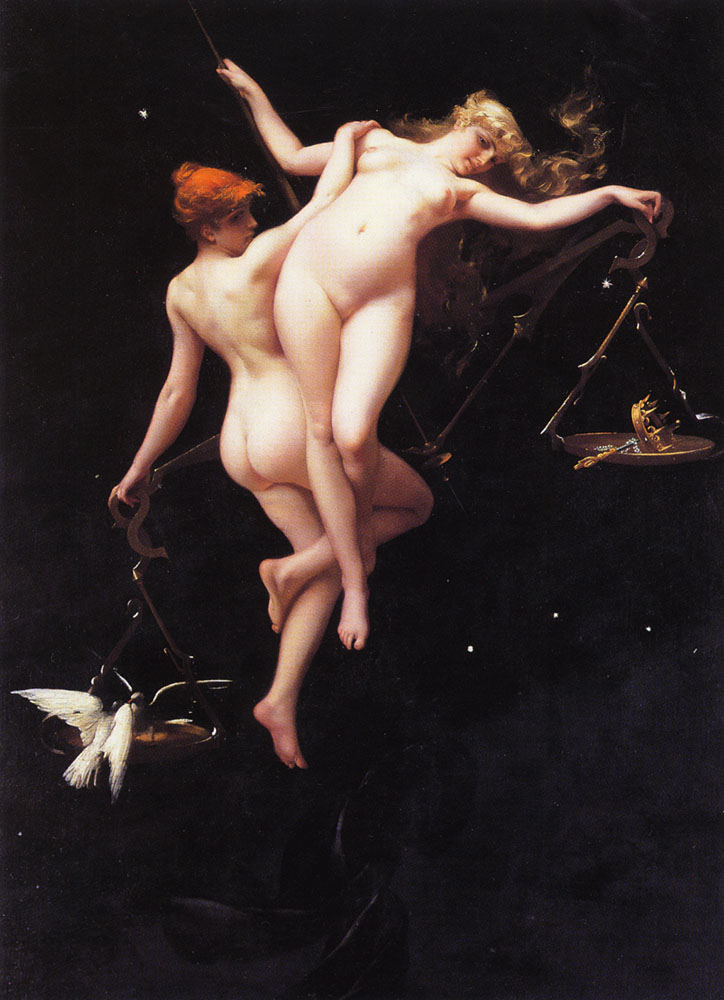
Two maidens support a large balance floating in the jet-black night sky.
On the plate held up by the blonde maiden is a crown, a scepter, and a necklace.
The red-haired maiden pushes down a plate with a pair of doves pecking at each other.
A pair of doves pecking at each other. Love (or peace) is more important than power or wealth.
This allegorical painting, which shows that "love (or peace) is heavier than power or wealth," is, of course, an image of the balance of Astoria, the goddess of justice.
The image is based on the balance of Astralia, the goddess of justice.
However, to avoid being criticized as obscene or vulgar
English painters (such as Leighton and Poynter) aimed to depict graceful nudes with the utmost care, so as not to be criticized
English painters such as Leighton and Poynter, who aimed to depict nudes with elegance and care
Unlike the English painters such as Leighton and Poynter, the nudes painted by Farrelo have a sweet sensuality.
nudes, there is a luscious sensuality in Falero's nudes.
Rather than Victorian neoclassicism, he is more in the vein of Cabanel, Bouguereau, and other French
and Bouguereau, rather than Victorian neoclassicism.
Is this due to the fact that he studied painting in Paris when he was young?
Or is it because of the difference between Latin (French/Spanish) and Anglo-Saxon (English) paintings?
or is it an expression of the difference between Latin (French/Spanish) and Anglo-Saxon (English)?
Or is it simply a matter of personal taste? It is an interesting question.
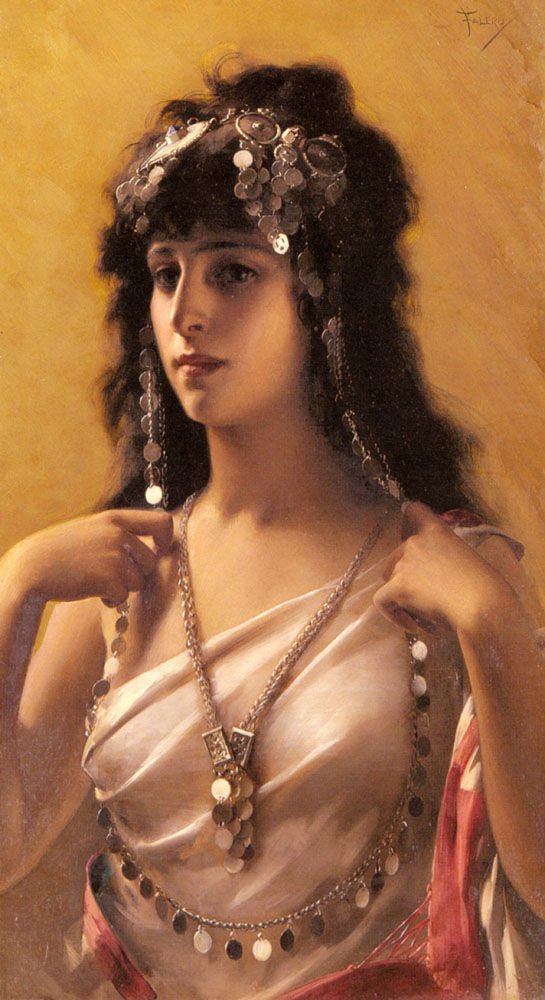
In the fashion of Orientalism of the time,
sometimes fantasized about beautiful women from the Middle East.
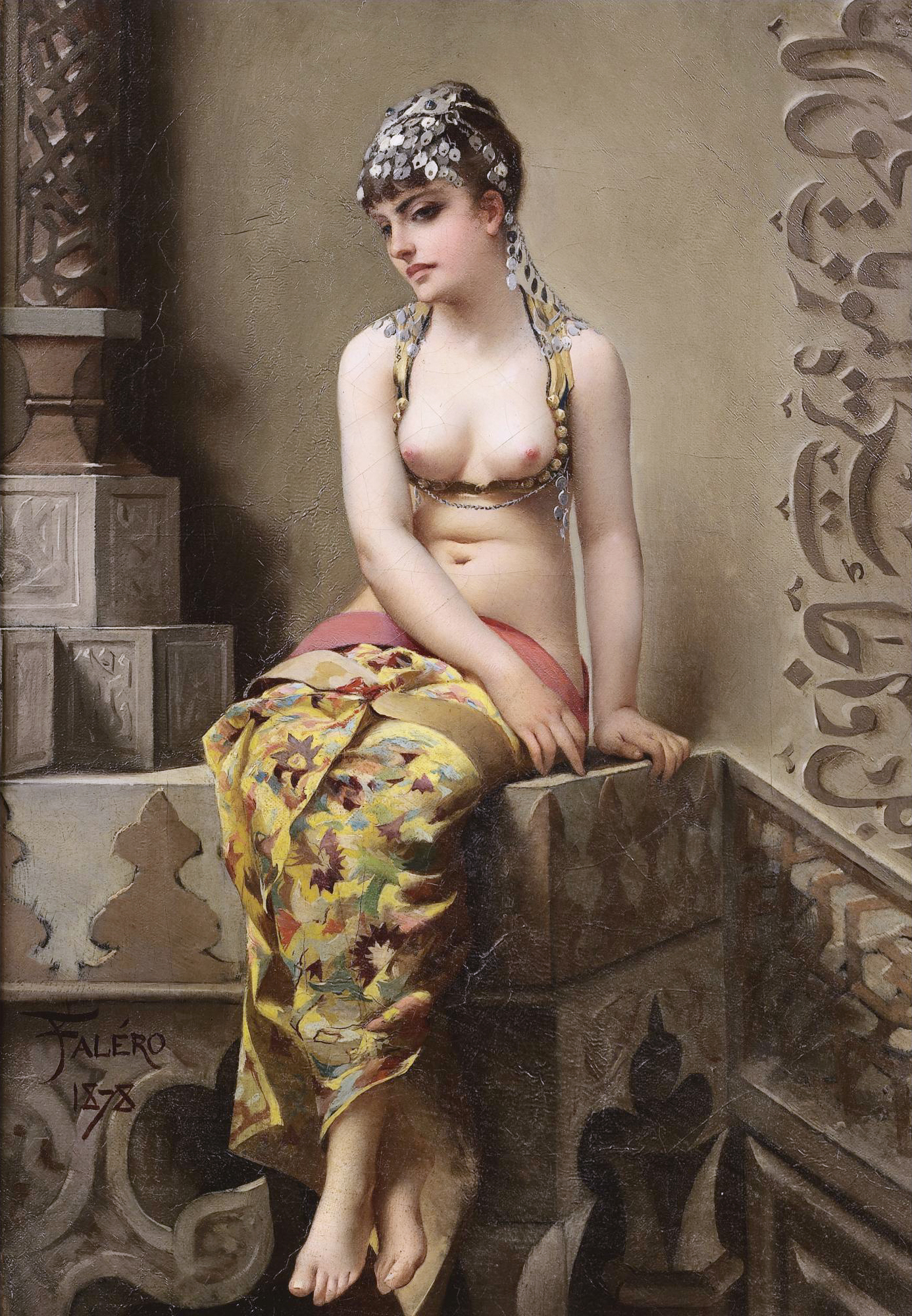
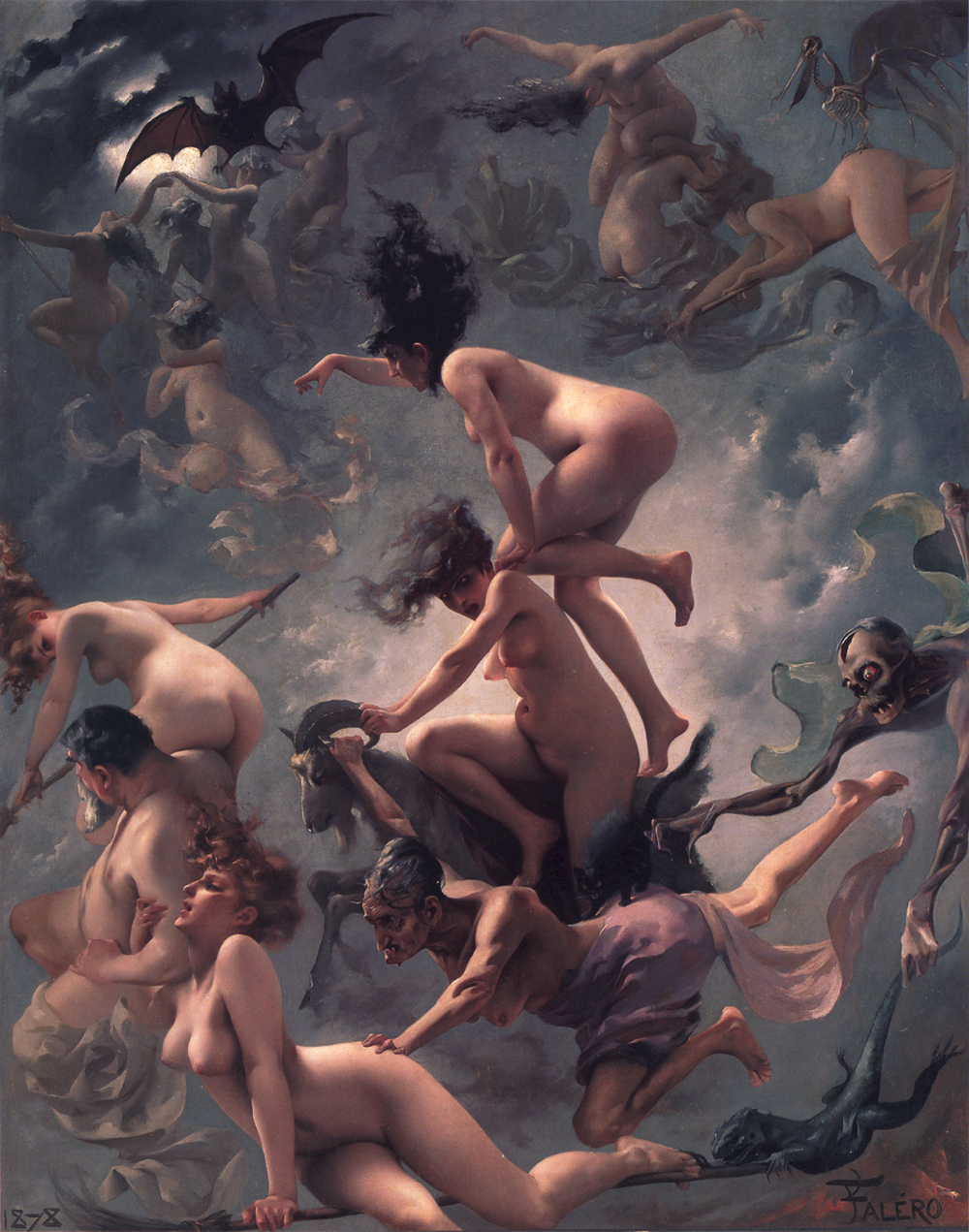
Encantadora" (1878).
It means "enchantress" or witch.
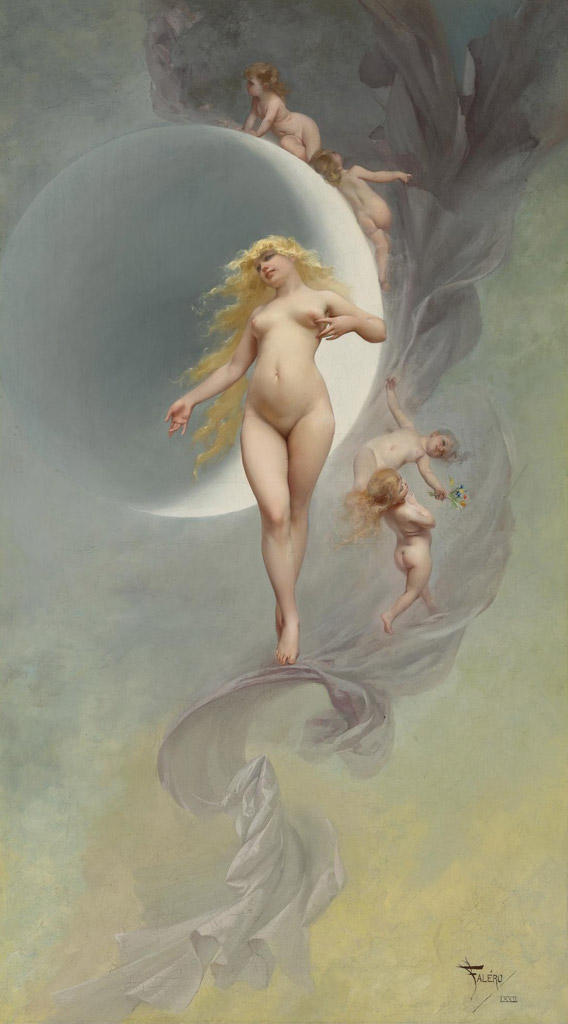
Dawn, 1883
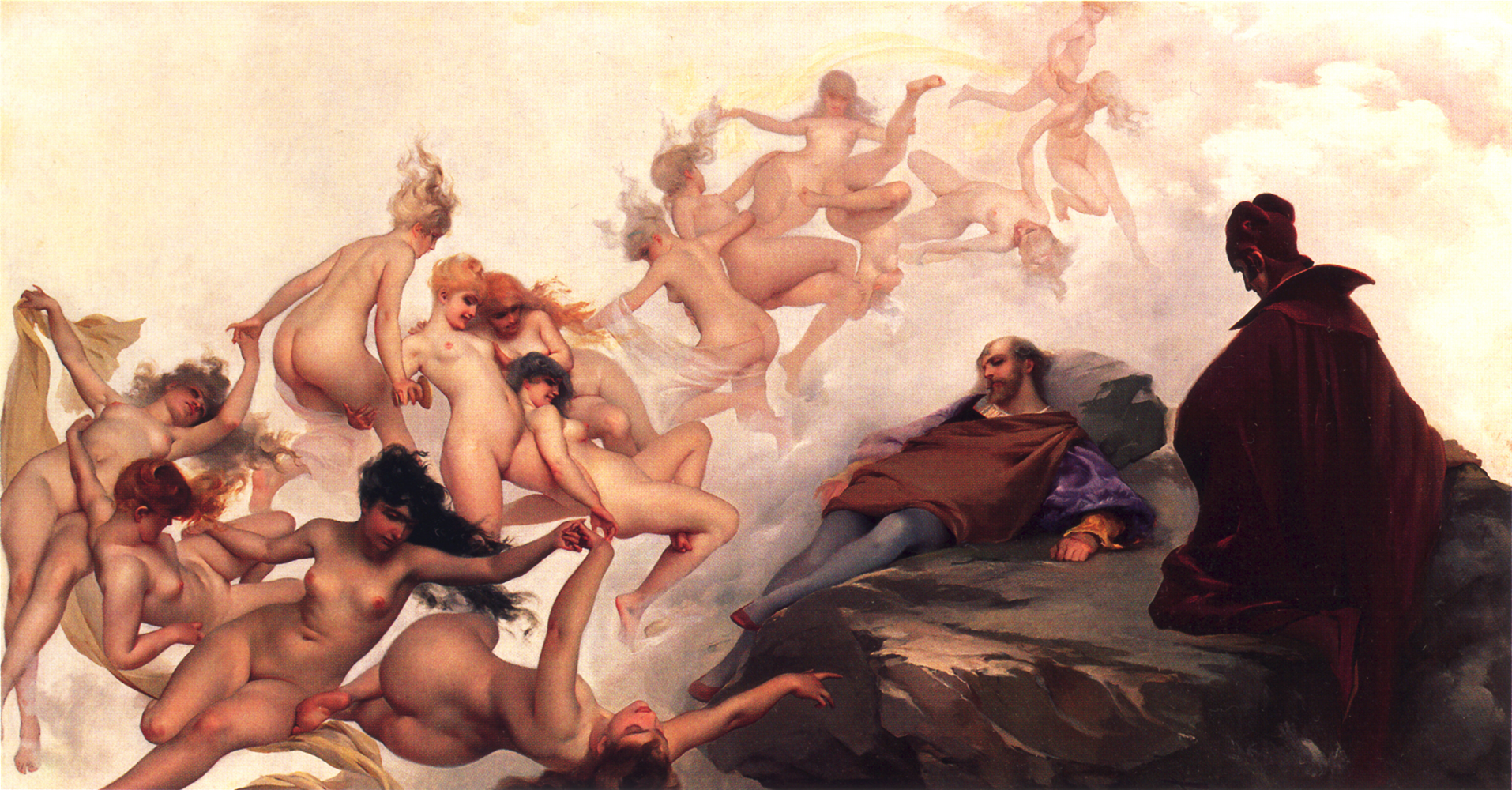
Faust's Dreams" 1880
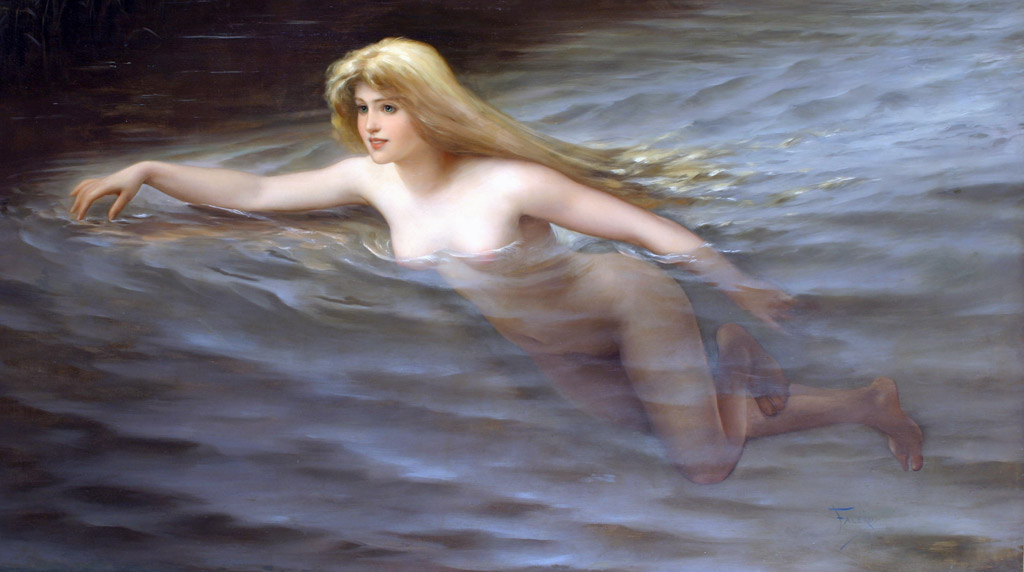
The Nymph, 1892.
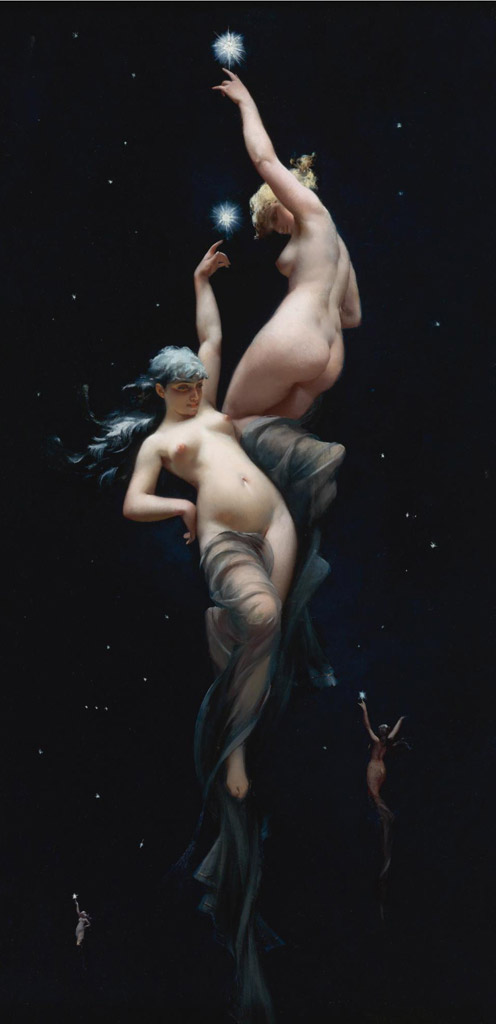
The Beauty of Moonlight.
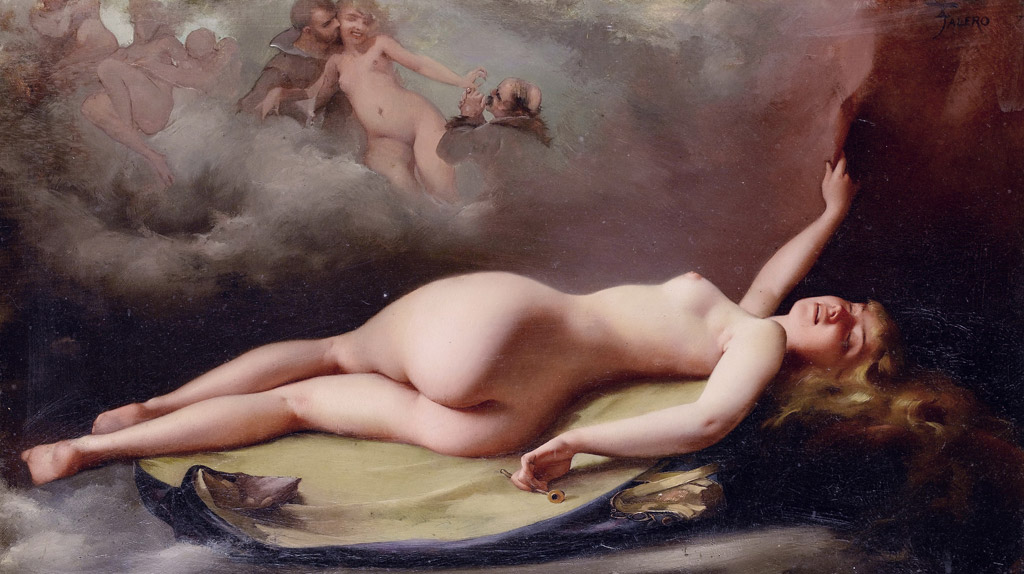
Lying Nude" 1879