
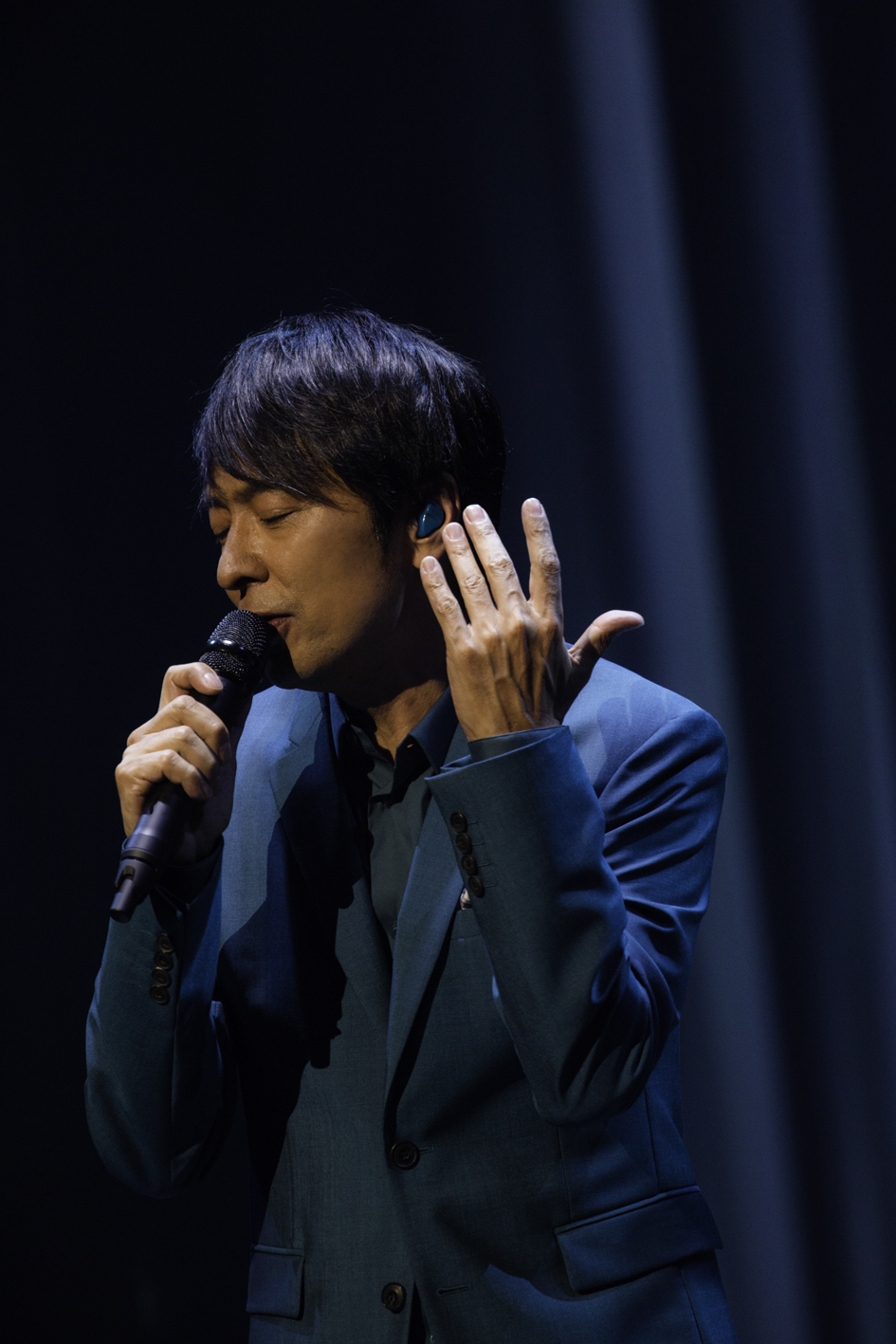
The following is a summary of the advantages and disadvantages that cover songs offer to artists. While covering famous songs has advantages such as capturing fans of original songs, it also has disadvantages such as not increasing the number of songs you have. Here, we have posted videos of each of the original and cover versions of five famous songs, including "Like a Stream on the River" and "Nada Sou Sou. Hideaki Tokunaga and May J., who are famous for their cover songs, are also introduced.
The original was better!" and negative opinions.
Benefits of publishing cover songs
The first advantage is that it is more likely to sell.
The original song is, of course, good enough to be covered. Besides, many people already know it.
In other words, the songs themselves are not out of place, and a certain level of safety is assured.
It means that many people buy for nostalgia and fun.
I'm not interested in songs I don't know by artists I don't know, but if an artist I don't know is playing a song I know, I'm somewhat interested.
If an artist I know covers a song I know, I'm even more interested.

Source: creativity.bakky.net
Covers do not burden the artist by not creating the music.
For the artist, there is no need for a period of composition, commonly called "birth pains".
And it benefits the artist being covered!
Songs that have been written and composed are copyrighted, and whether they are released by you or by someone else, you will receive money as long as the CD is marketed.
For example, if an artist releases a CD with 10 songs (all within 5 minutes) for ¥2,000 excluding tax, and only one of the songs is a cover song, the CD will sell 100,000 copies.
If that CD sells 100,000 copies, the artist would receive roughly 420,000 yen if he or she had a 50% contract for songwriting when the song was provided.
And further benefits for both parties
The greatest benefit is the opportunity for both the covered artist and the covered artist's fans to get to know the covered artist and the covered artist's fans.
Even old songs can be made known to a new generation, and vice versa.
But there's a downside to putting out too many cover songs.
From the listener's point of view, this approach of using cover songs is gradually becoming tiresome.
Not that there is anything wrong with covers per se, but if we start relying on them too much, we will not have more "songs that belong to the artist".
Most of the recognition and buzz gathered by a cover song is a tribute to the 'original song seen behind it,' not to the artist.
In the long run, it is best to consider that easy popularization through cover songs does not help an artist's reputation.
Speaking of covers, Ano and Ano!
Source: ticketcamp.net
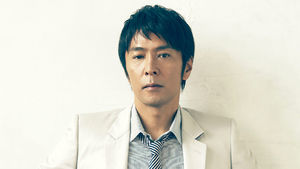
Hideaki Tokunaga
He made his first appearance at the 57th NHK Kohaku Uta Gassen in 2006, performing "Kurekake no Radio".
Tokunaga had the top album position in four consecutive A.D. decades from the 1980s to the 2010s
Source: blogs.yahoo.co.jp
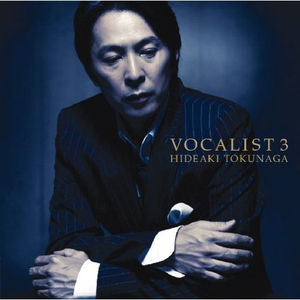
VOCALIST Series
All of the songs are composed by female musicians or bands with female vocals.
The "VOCALIST" series, which began in 2005, is a blockbuster project with cumulative sales of over 6 million copies. The series sang a succession of ballad songs by female artists, ushering in the J-Pop cover boom that was followed by JUJU, May J., and others.
VOCALIST" was originally conceived as a revival project when Tokunaga had dinner with the president of a record company in 2004 and told him that he was thinking of making a cover album.

Related Articles
A list of celebrities who have suffered from intractable or strange diseases, such as Kenji Sakaguchi.
Please see the end of this page for a list of celebrities who have suffered from incurable or strange diseases. Senichi Hoshino is a Japanese professional baseball player and manager, baseball commentator, TV personality, and commentator. He was born in Fukuda-cho, Kojima-gun, Okayama Prefecture. His position as a player was pitcher. He was the first pitcher in the Central League to win the most saves. He was manager of the Chunichi Dragons, Hanshin Tigers, and Tohoku Rakuten Golden Eagles.
Read Article

Anna and the Snow Queen: Why the Hate? A summary of the reputation of the theme song singer May J. [Let It Go].
May J. is the singer who sings the theme song "Let It Go" for the hit movie "Anna and the Snow Queen. After the film became a hit, May J. has been singing the song on media singing shows, but in contrast to Takako Matsu, who sang the song in the film, May J. has attracted criticism. We have summarized the reasons why May J. is disliked.
Read Article

What Kohaku did to May J. is terrible! Many voices of sympathy
The 2014 Kohaku Uta Gassen was expected to celebrate the theme song "Let it go" from the hit Disney film "Anna and the Snow Queen. However, May J., who sang the ending of the Japanese version of the song, was unable to sing "Let it go" alone and had to join the chorus. Many on the Internet expressed sympathy for this treatment.
Read Article

What was the one word from Sayaka Kanda that saved May J.?
May J. sang the ending song for the movie "Anna and the Snow Queen," but as her exposure increased, she began to hear a lot of intense bashing. May J. was saved by Sayaka Kanda, who played Anna in the film. Here we will introduce the interaction between May J. and Sayaka Kanda, including the details of the bashing.
Read Article

Disparity between Takako Matsu and May J. over "Let lt go" Kohaku also in focus
The Disney movie "Anna and the Snow Queen" was a historic hit, and its theme song "Let it go" became a huge hit in Japan. The song was sung by Takako Matsu, who played Elsa, and May J., who sang the ending, in the movie, but Takako Matsu wins by far in terms of popularity and recognition. The Kohaku Uta Gassen, where a special stage for "Anna and the Snow Queen" was planned, also attracted a lot of attention.
Read Article

May J. was treated as a front-runner and the main house was recorded! Kohaku's "Anna Snow" project was a shock.
The 2014 "NHK Kohaku Uta Gassen" attracted a great deal of attention for the project of the movie "Anna and the Snow Queen," which was a big hit that year. It was May J. who sang the Japanese version of the theme song "Let It Go," but later the original Idina Menzel's overwhelming singing ability was showcased, and May J. was treated as if she were the front runner. The event was so shocking that there was a outpouring of sympathy for May J. on the Internet, which we have summarized in this article.
Read Article
Contents
- Quite a few cover album releases lately.
- Here are the top 5 most covered songs of all time to know
- No. 5 "Like a Stream on the River" Misora Hibari (95)
- No. 4 NADA SOU SOU (Tears for You) MORIYAMA Yoshiko (99persons)
- No. 3 "Mimikagoregorano Yoru no Hoshi wo (Look up at the Stars at Night)" by Kyu Sakamoto (120 persons)
- No. 2 "Hana - Flowers for Every Heart" Shokichi Kina & Champlooz (127)
- No. 1 "Ue wo muite aruko" by Kyu Sakamoto (172 persons)
- What are some of the artists who got their big break by doing covers?
- Divided music ratings!
- Benefits of publishing cover songs
- And it benefits the artist being covered!
- And further benefits for both parties
- But there's a downside to putting out too many cover songs.
- Speaking of covers, Ano and Ano!
- Declaration of Cover Graduation" that differentiates May J.