
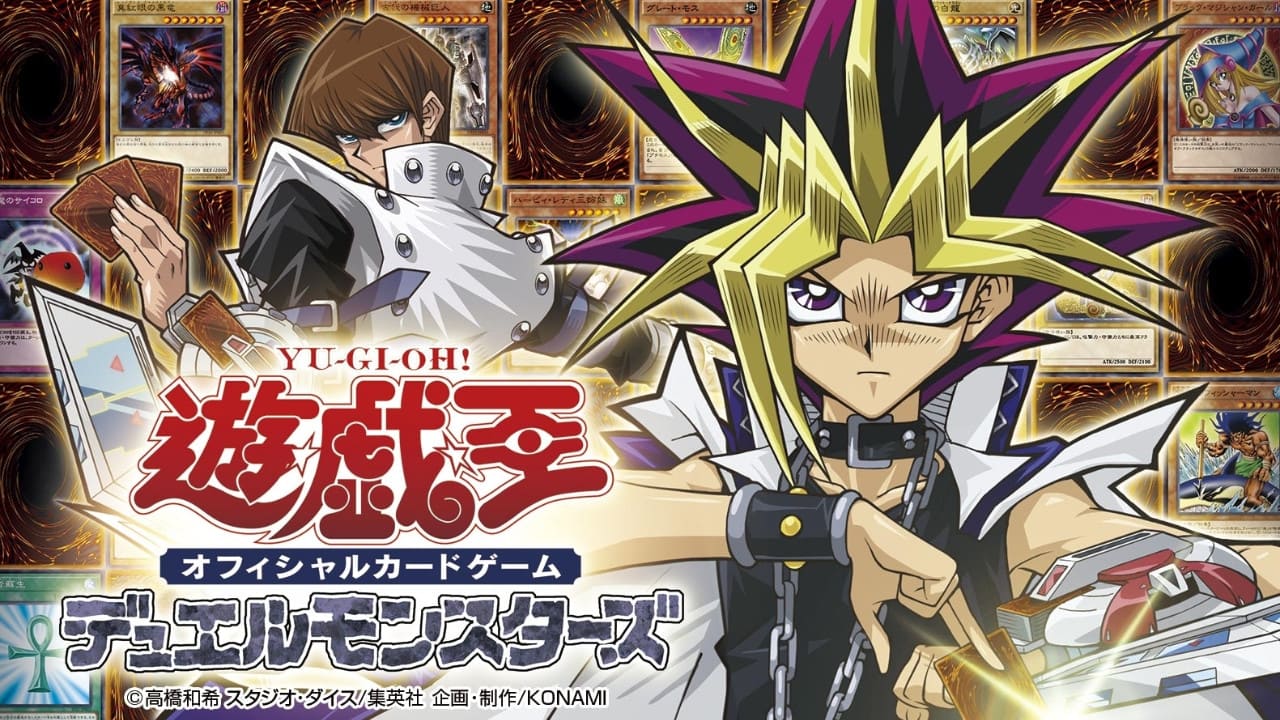
Yu-Gi-Oh! Official Card Game: Duel Monsters" (Yu-Gi-Oh! OCG) is a trading card game planned, produced, and released by Konami. The game is based on the card game "Magic and Wizards" (M&W) that appears in Kazuki Takahashi's manga "Yu-Gi-Oh! At the start of the game, 8,000 life points are prepared, and the winner is basically the player who reduces his or her opponent's life points to zero by inflicting damage.
battle
Monsters have set attack and defense values, and can be displayed as attacked or defended.
When a monster in attack view attacks a monster in attack view, if the attacker's attack strength is greater than the attacker's attack strength, the attacked monster is destroyed. The difference between the attacker's Attacker's Attacker Strength and the attacked monster's Attacker Strength is subtracted from the attacker's Life. If the difference is less than the attacker's Attacker's Attacker's Attacker's Attacker's Life, the opposite is done. If the attacker's attack and the attacked monster's attack are the same, both monsters are destroyed. Life is not affected.
When attacking a defending monster, if the defending side's Defense is greater than the attacker's Attack, the attacker's Life is subtracted by the difference. If the defender's defensive value and the attacker's attacker's attacker's attacker's defensive value are the same, both survive and their Life is unchanged. If the defender's Defense is less than the attacker's Attack, the defending monster is destroyed. Life is unchanged, but if the effect causes excess (penetrating) damage, the difference is subtracted from Life.
If there is no monster card on the defender's side, the defender's Life is subtracted by the monster's Attack Value.
Spell speed and chain
Each magic, trap, and effect monster effect has a specific speed of activation, which is represented by the term "Spell Speed". When an effect is activated, it can be interrupted by a magic or trap with a faster Spell Speed than that, or it can be activated by taking advantage of another magic or trap. This interrupting or taking advantage of the difference in Spell Speed is called chaining.
Effectiveness, Cost and Procedure
When using certain cards, you may need to pay a certain cost. These costs vary, and may include paying one's life points, releasing a monster on one's own field, or sending a card from one's hand to the graveyard. These costs do not return even if the effect is nullified by the chain. There are "effects that are not costs" and "procedures that are neither costs nor effects" even though they are exactly the same effect. These are processed differently, but cannot be discerned from the text.
priority
The rule states that "the turn player always has priority over the right to activate card effects, and after exercising the right, it transfers to the opponent." This right causes tactics such as whether or not to exercise the monster activation effect, or to deal with the same spell speed.
Rewinding the battle step
The rule states, "If the number of monsters on the non-turn player's field changes during the Battle Step after the turn player declares an attack, the turn player can re-select the target of the attack. If rewinding occurs, the monster that declared its attack can abort the attack, but it will basically be unable to attack in that Battle Phase.
miss the chance to be good at something
The rule states that the effect "can be triggered at XXX" cannot be triggered if another process is intervened after the triggering process, missing the timing of the triggering. This phenomenon occurs at the time of chaining effects.
deck building
In duels in "Yu-Gi-Oh! OCG," players fight using cards such as monster cards, magic cards, and trap cards, and duels require a deck, which is a bundle of cards, and an extra deck or side deck may be used.
Decks are constructed with 40 to 60 cards and are made of any combination of monster cards, magic cards, and trap cards except for Fusion Monsters, Synchro Monsters, Exize Monsters, and Link Monsters.
During duels, the cards are placed face down in the deck zone of the duel field (the place where cards are placed), and when the turn comes around, a card is drawn from the deck.
Up to three cards with the same name can be placed in the deck, but when participating in official tournaments, it is necessary to comply with the limit regulations, which stipulate a limit or prohibition on the number of cards in the deck.
An Extra Deck is a deck that is separate from the deck and is constructed with Fusion Monsters, Synchro Monsters, Exize Monsters, and Link Monsters, and is made of 0 to 15 cards in any combination. It is possible to do without it.
During duels, it is placed face down in the Extra Deck Zone of the Duel Field, and when monsters from the Extra Deck are called (Special Summoned), they are basically taken out of the Extra Deck Zone into the Extra Monster Zone.
The Side Deck is 0-15 spare cards to be prepared separately from the Deck/Extra Deck. It can be made of any combination of monster cards, magic cards, and trap cards, but it can only contain up to three cards of the same name in total for the deck and extra deck. In addition, when participating in official tournaments, etc., the limit regulations must be observed.
Side decks can be exchanged for cards in the deck/extra deck during a match. The number of cards in the deck/extra deck cannot be increased by inserting cards from the side deck.
Card Type
Cards in "Yu-Gi-Oh! OCG" are divided into three major categories: monster cards, magic cards, and trap cards, and monster cards are categorized into normal monsters, effect monsters, fusion monsters, ritual monsters, synchronized monsters, exes monsters, pendulum monsters, and link monsters. The monster cards are classified into the following categories.
Cards are marked with the card name, illustration, and effect, and are classified by color for each card category.
Types of cards in "Yu-Gi-Oh Official Card Game: Duel Monsters
Monster Card
In duels, these are the basic cards of the "Yu-Gi-Oh OCG" that can inflict damage on opponents in battle.
Monster cards list the attribute, race, level, attack and defense (strength of the monster), and effect (other than normal monsters) along with the monster's name.
There are seven attributes: Darkness, Light, Earth, Water, Fire, Wind, and God (only a few cards are available), and seven races: Wizard, Dragon, Undead, Warrior, Beast, Beastie, Beast, Bird, Demon, Angel, Insect, Dinosaur, Reptile, and There are 25 races: Fish, Sea Dragon, Water, Fire, Lightning, Rock, Plant, Machine, Psychic, Phantom Beast, Creator God, Phantom Dragon, and Cybersea. There are very few monsters of the "Phantom Beast" and "Creation God" families.
Levels exist for all monsters except for Exes and Link monsters, and range from 1 to 12, indicated by a right-justified star. Basically, it represents the strength of a monster; the higher the level, the stronger the monster.
Normal monsters and effect monsters (monsters other than those Special Summoned from the Extra Deck) that are level 5 or 6 must release (send to the Graveyard) a monster already on the field to be Advanced Summoned when they are put on the field (Normal Summon).
Also, a level 7 or higher monster must release (send to the Graveyard) two monsters already on the field to be Advance Summoned.
Level 1-4 monsters can be put directly onto the field without releasing any monsters.
Attack and Defense represent the strength of a monster; the higher the number, the more powerful the monster is. The higher the number, the more powerful the monster is. Attack and Defense are referred to during battles.
Under the illustration of the card, information about the monster is written, including the characteristics of the monster if it is a normal monster, and the effects of the monster if it is an effect monster.
For Fusion, Ritual, Synchro, and Exize monsters, the information on how to summon the monster to the field (Special Summoning method) is written.
Monster cards are broadly divided into "effect monsters," which have effects that can cause some action on the field/player during duels, and "normal monsters," which have no effects.
There are also effect monsters in Fusion, Ritual, Synchro, Exes, and Pendulum monsters, and conversely, there are monsters that have no effect. In such cases, they are not treated as normal monsters, although they are not effect monsters.
When a Fusion, Synchro, Exes, or Link monster is in the Field or Graveyard, or when it is excluded, it is returned to the Deck or Hand by a card effect, it is returned to the Extra Deck.
Normal Monster
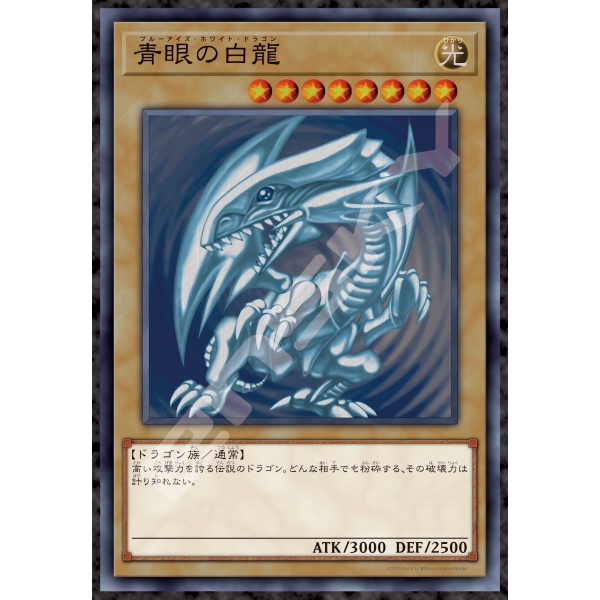
A monster that has no effects and is a monster with "normal" written to the right of its race. The color of the card is yellow, and the information about the monster describes the monster's characteristics.
effect monster
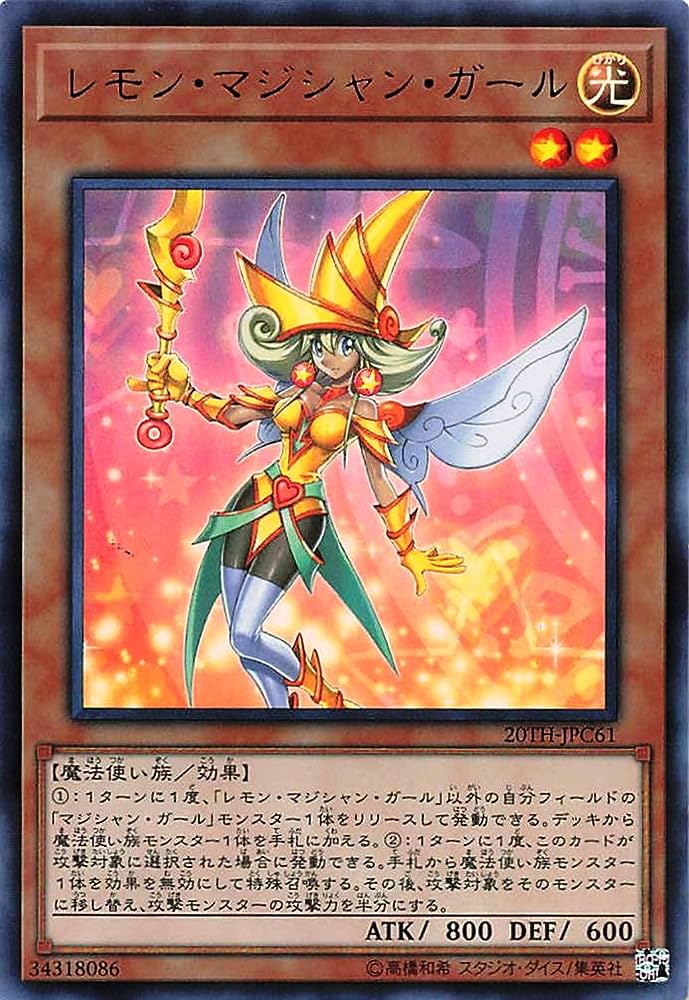

Contents
- Outline of "Yu-Gi-Oh Official Card Game: Duel Monsters
- Game System of "Yu-Gi-Oh Official Card Game: Duel Monsters
- rule
- field
- main monster zone
- Extra Monster Zone (EX Monster Zone)
- Magic and Trap Zone
- field zone
- pendulum zone
- deck zone
- cemetery
- Extra Deck Zone (EX Deck Zone)
- Duel Flow
- battle
- Spell speed and chain
- Effectiveness, Cost and Procedure
- priority
- Rewinding the battle step
- miss the chance to be good at something
- deck building
- Card Type
- Types of cards in "Yu-Gi-Oh Official Card Game: Duel Monsters
- Monster Card
- Normal Monster
- effect monster
- fusion monster
- Ritual Monsters
- synchromonster
- tuner (e.g. radio)
- exes monster
- pendulum monster
- link monster
- magic card
- Conventional Magic
- permanent magic
- equipped magic
- ceremonial magic
- field magic
- speed attack magic
- Trap cards
- conventional trap
- persistent trap
- countertrap
- Terminology for "Yu-Gi-Oh Official Card Game: Duel Monsters
- Optional and forced effects
- Display format
- ATTACK INDICATION
- defensive display
- reverse
- draw
- destruction
- send to the graveyard
- exclusion
- return
- Return to hand (return)
- Back to the Deck
- invalid
- Disable card activation
- Disables activation of card effects
- Disables the effect of the card.
- damage
- combat damage
- Effect Damage
- dual
- counter
- limit regulation
- Backstories, trivia, small stories/episodes, and anecdotes from "Yu-Gi-Oh! Official Card Game: Duel Monsters".
- Wide variety of card types
- Relationship to the original work