
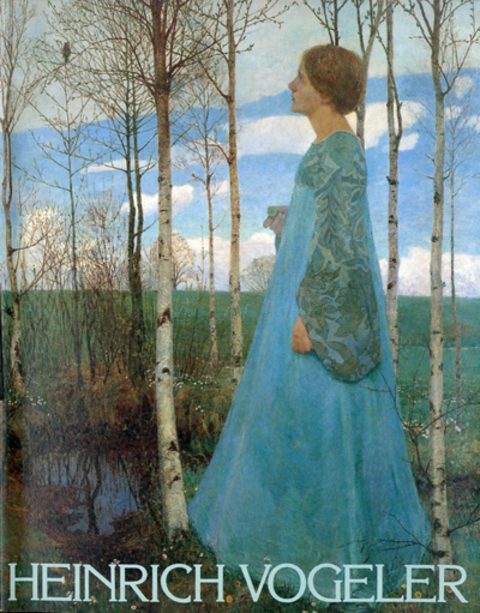
This section focuses on "Impressionism," which is familiar to us in Japan. What I found again there was the beauty of the works and the high level of technical skill.
Impressionism, I hear a lot about, but I don't know much about it.
What is Impressionism?
It was the most important painting movement that took place in France in the late 19th century, and its influence extended to Europe, the United States, and Japan.
Source: www.weblio.jp
Impressionist paintings are characterized by visible brush strokes, even when small and thin, outdoor production, accurate depiction of changes in the quality of light depending on space and time, the everyday nature of the objects depicted, inclusion of movement as an essential element of human perception and experience, and innovative painting angles.
Source: ja.wikipedia.org
Impressionists seem to be able to give specific characteristics.
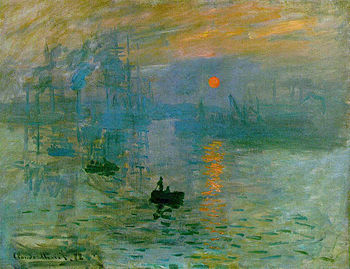
Hearing the features makes this piece look even better.
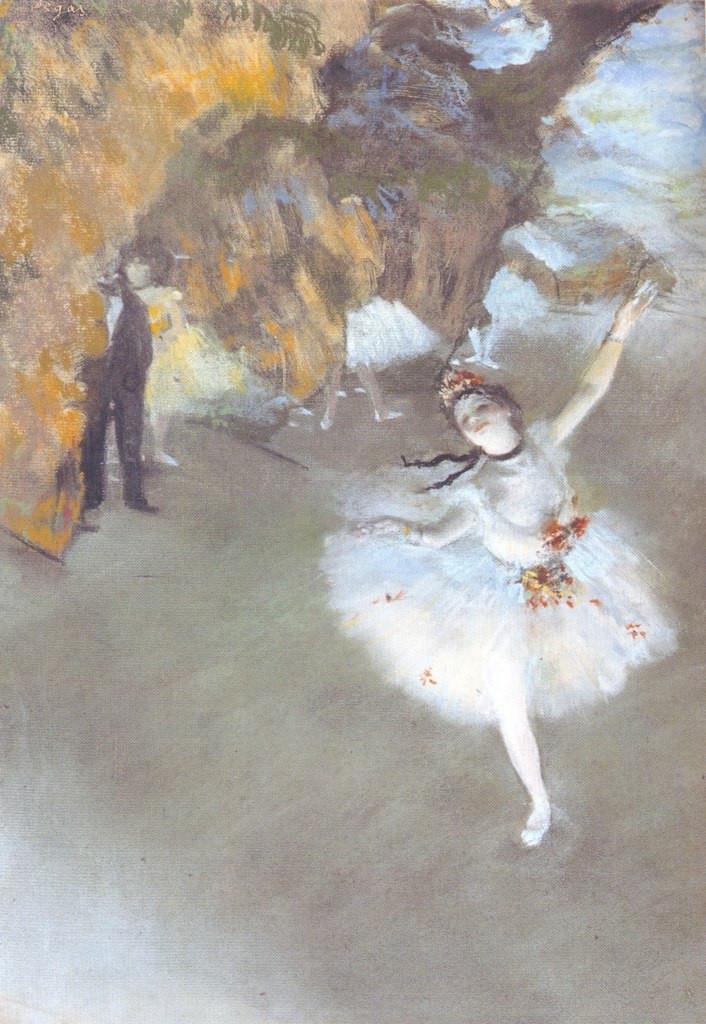
This painting is also famous as an impressionist.
Major representative artists and works of Impressionism
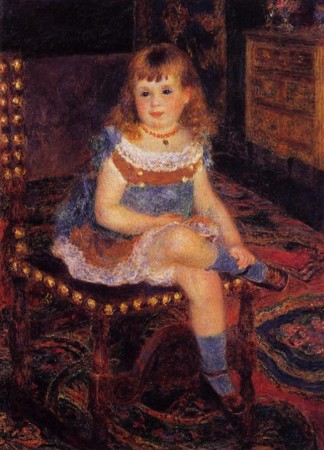
Pierre-Auguste Renoir
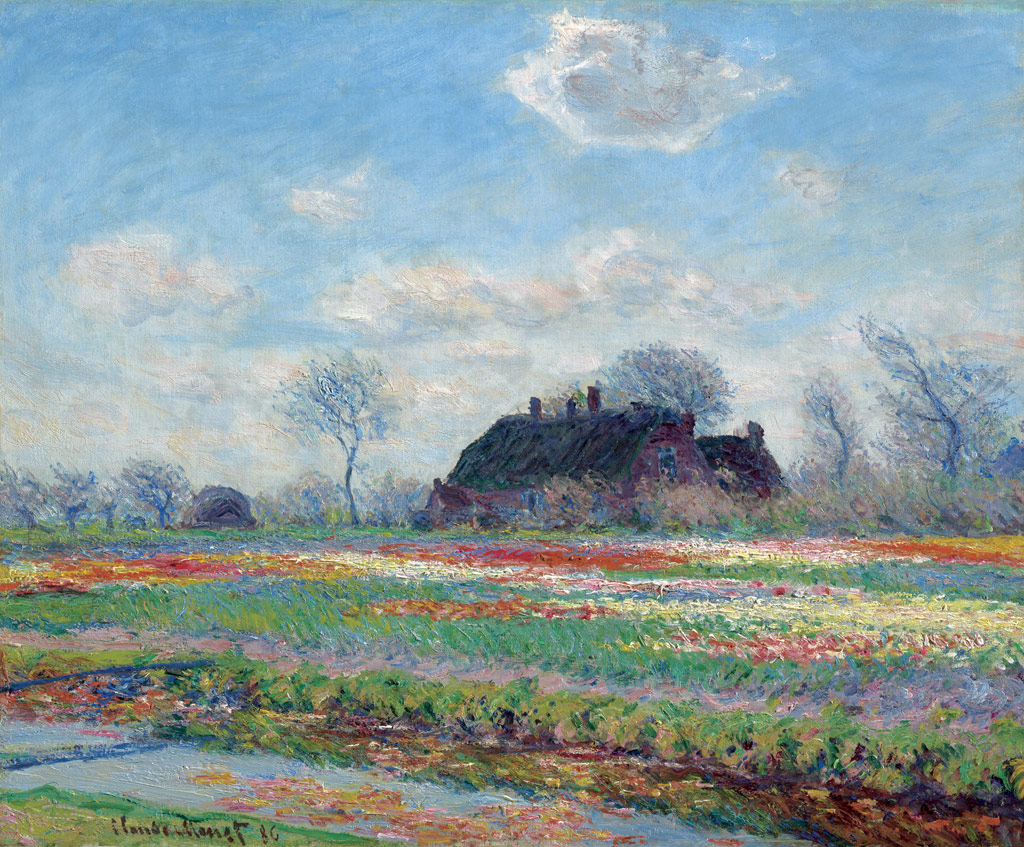
Claude Monet
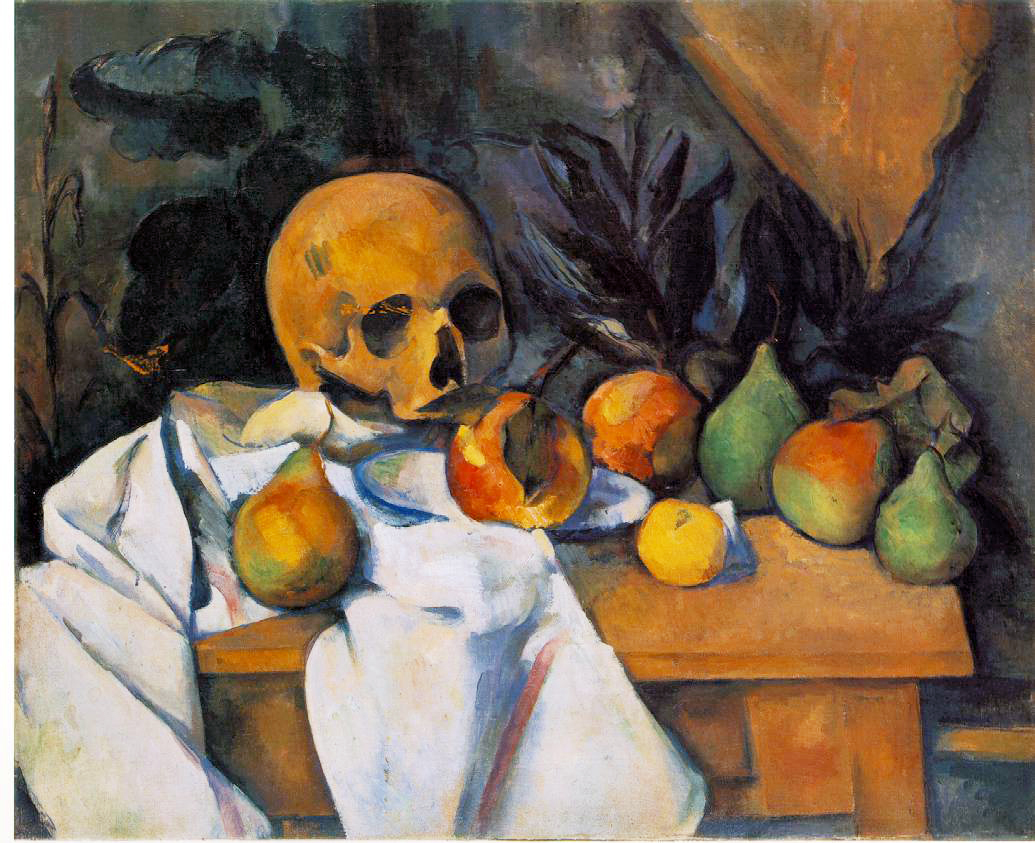
Paul Cezanne
is a far cry from the Impressionist image of a clean and beautiful image.
Initially, there was a wave of criticism against such free expression, but its success in the U.S. led to its widespread acceptance, and it eventually gave birth to a new trend in modern painting.
Source: www.eventsankei.jp
It is surprising that these paintings were also critical at the time. Neo-impressionists also emerged to further improve their techniques.
The more you mix the paint, the cloudier it becomes.
To maintain the brightness of a painting, it is better to lay the paints on the canvas without mixing them.
Impressionist painters practiced this, but it was the Neo-Impressionists who studied the relationship between colors more scientifically and came up with the idea of painting with small dots.
Source: neo.exhn.jp
Representative Neo-Impressionist artists and their works
Neo-impressionism is a trend in painting that existed from the late 19th century (around the early 1880s) to the early 20th century, following the Impressionist movement. It is also called neo-impressionism.
Source: ja.wikipedia.org
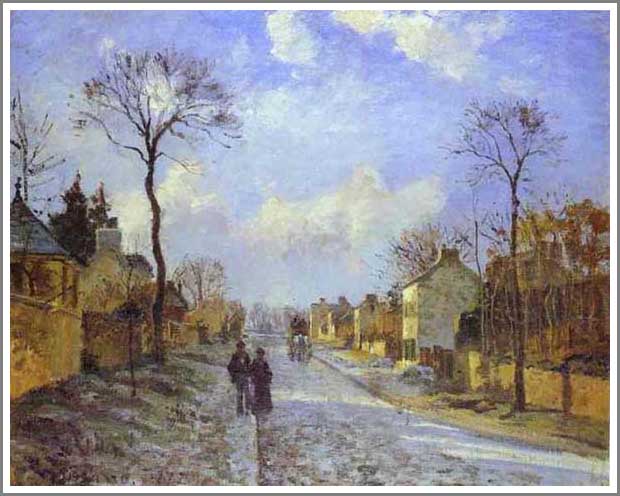
Camille Pizarro
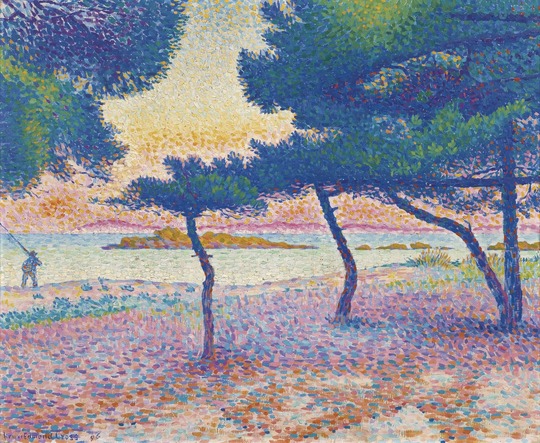
unrijed moncloth
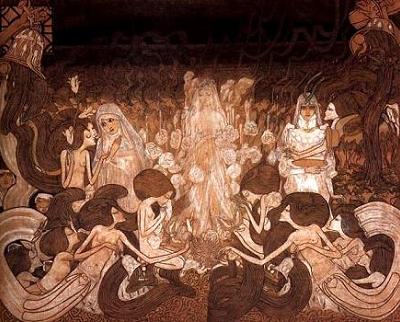
Jan Thorop.
By the way, what exactly was the impact of Impressionism on Japanese art?
Not only was it an influence, but it played a fundamental role in Japanese Western-style painting.
Impressionism.
The Tokyo School of Fine Arts, the original school of today's Tokyo National University of Fine Arts and Music, was founded by Seiki Kuroda.
The founding teacher of the Western painting department at the school was Seiki Kuroda. His teacher was an impressionist painter named Raphael Collin.
Impressionist painter named Raphael Collin.
Source: oshiete.goo.ne.jp
Works by Kuroda Seiki
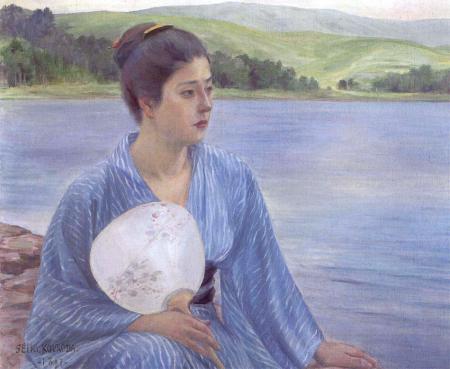
It is truly a Japanese landscape version of Impressionism.
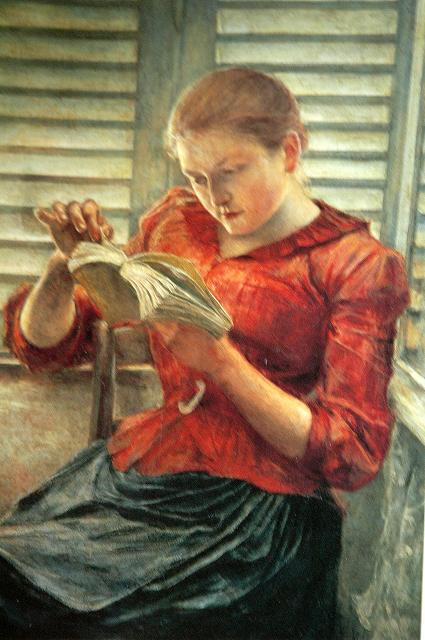
He does not only paint Japanese style works. Also, compared to the Impressionist works above, I feel that he is extremely serious in his compositions.
