
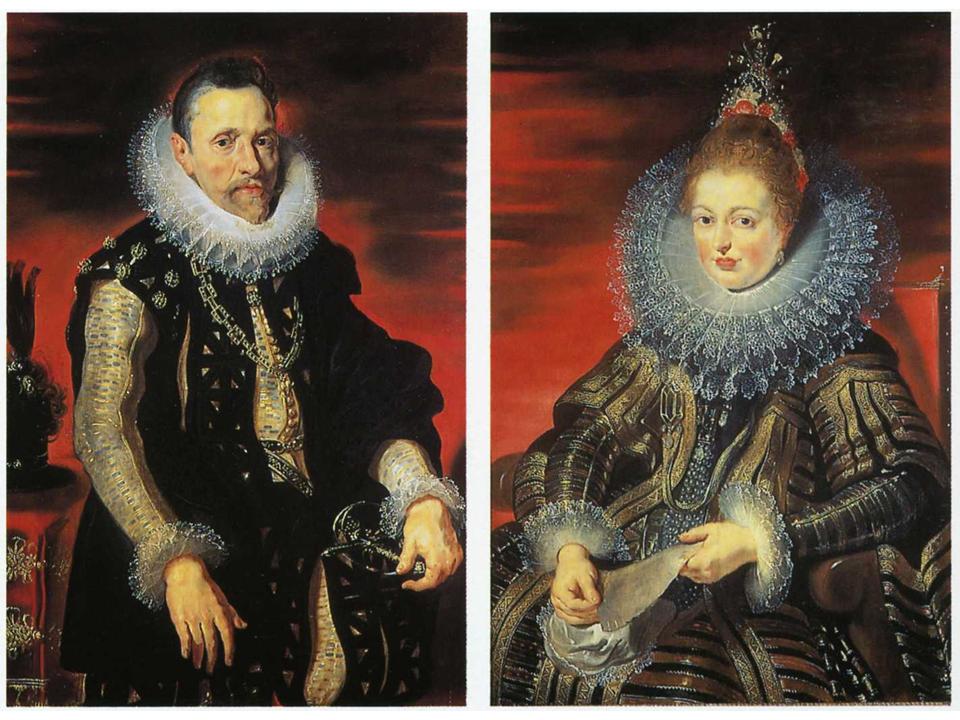
This book introduces two court painters, Goya and Rubens. We hope that the contents will help you understand the profound world of court painters. Let's immerse ourselves in the mood of a king's gun watch together.
What is a court painter?
A court painter (kyuteigaka) is an artist who creates works of art in response to commissions from royalty and nobility. They were often paid a fixed salary by their employers, and in some cases were restricted from accepting commissions to create works of art from outside their employers.
Source: ja.wikipedia.org
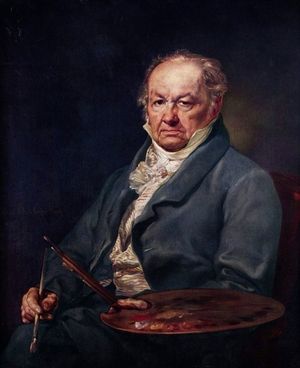
About Goya, a court painter whose name is often seen
Goya was born in 1746 in Fuendetodos (originally called Fuentedetodos, meaning "Fountain of All") near Zaragoza in northeastern Spain. Born in 1931 in the city of Fuente de Todos. His father was a gilder and he grew up in an artistic atmosphere.
Source: ja.wikipedia.org
It is interesting that the father is a gilder. However
Plating techniques have been used for craftwork since ancient times. The traditional "Ouchi gilding," a secret method of plating in which gold leaf is raised one by one, was highly prized. There were also "gold and silver zari-bun," "bunsen gilding," and "kisse plating. These techniques had been handed down by Kazari-zaikuji craftsmen since the gilt bronze Buddhist statues of 1,200 years ago.
It is imagined that at this time, Kazari-zaiku-shi, hammered metal workers, and gilded metal workers were the flower of Edo craftsmanship.
Source: www.tmk.or.jp
I was mistaken at first, but I am not an "alchemist". I am an old-fashioned craftsman.
His realistic style was a welcome change from the Rococo art of the time, and he was appointed painter to the king in 1786 and court painter to the newly-elected king, Carlos IV in 1786.
Source: www.salvastyle.com
Goya Portrait Collection
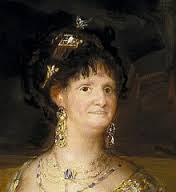
Is it just me or does it seem a little scary?
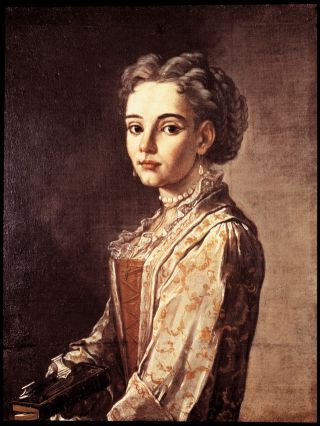
However, if she is beautiful, she is beautiful and seems to draw properly.
While at the height of his honor as a court painter, Goya painted paintings that criticized authority. For him, the paintbrush is an eye for human nature and a weapon to expose evil. One day, Ines is suddenly taken prisoner by the Inquisition under Lorenzo's command. Goya tries to save her, but what is the surprising "truth" he sees?
Source: itunes.apple.com
Like Velázquez, Goya also rose to become a court painter, but in contrast to Velázquez, who became a court painter at the young age of 24, Goya finally attained the status of court painter at 43. In terms of humanity, Goya, who had a strong desire for success, money, and self-expression, is a painter whose human side can be seen too much.
Source: sarai2551.blog.fc2.com
It seems that just because he is a court painter, he does not only please the kings.
Goya also seems to be a late bloomer as a court painter. Look at Velazquez, who broke out early.
Diego Rodríguez de Silva y Velázquez (June 6, 1599 (baptism date) - August 6, 1660) was a Spanish painter of the Baroque period. Described by Manet as "a painter among painters," Velázquez was one of the most important masters of the 17th century, the golden age of Spanish painting.
Source: ja.wikipedia.org
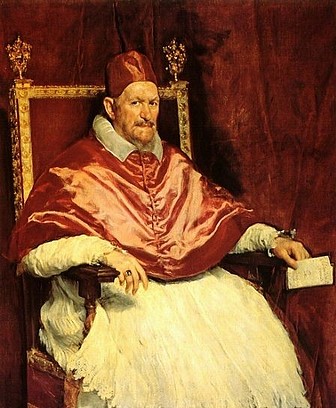
I get the sense that you are focusing on composition to convey a strong sense of dignity.
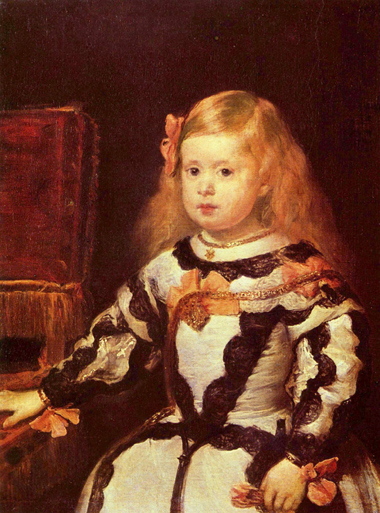
The same seems to be true for this young girl.
In Europe, when photography did not exist, princesses were used as models for pictures from a very young age. It is precisely because portraits of these princesses remain that we are able to recall their beauty and cuteness, their personalities, and their lifestyles even today.
This is especially true if the portraits are excellent. We can read in their paintings a variety of information that photographs cannot, hints of the environment of the times, and sometimes even predictions of their later destinies.
Source: www.nhkso.or.jp
Unlike the old black-and-white photos, these are in color, so those who know what they are wearing may be able to see more clearly what they are wearing, such as high quality.
We have only covered Goya and Rubens in this issue, but I hope you can see the clear difference in their principles and arguments even when looking at just two of them. Painters have the image of being unsuccessful during their lifetime, but not court painters, who are given the honor of painting while looking at the royalty in the flesh.
