

School Food Punishment is a four-piece band consisting of vocalist and guitarist Tomomi Uchimura, synthesizer player Masayuki Hasuo, bassist Hideaki Yamazaki, and drummer Osamu Hidai. The band gained popularity for vocalist/guitarist Uchimura's clear voice and their post-rock approach of mixing guitar rock with electronic sounds. Their music is characterized by various musical genres such as electronica, post-rock, and progressive rock. The lyrics, which depict mental images and landscapes in their own visual language, and the transparent melodies are appealing.

01. future nova
02. after laughter
03. light prayer -AKXMIM Remix-
future nova/after laughter" is the fifth single, released on March 10, 2010, and is a double A-side single. The songs "future nova" and "after laughter" were chosen as the opening and ending themes for the movie "Eden of the East: The Movie II Paradise Lost", thanks to a direct offer from director Kamiyama. The title track "future nova" and "after laughter" were created with a new sound that had never been attempted before.
Major 1st full album "amp-reflection
01. signal
02. goodblue
03. butterfly swimmer
04. future nova -album edit-
05. train, slide down, headphones
06. light prayer
07. after laughter
08. 04:59
09. run through
10. futuristic imagination-album version-
11. line
12. percentage
13. sea-through communication
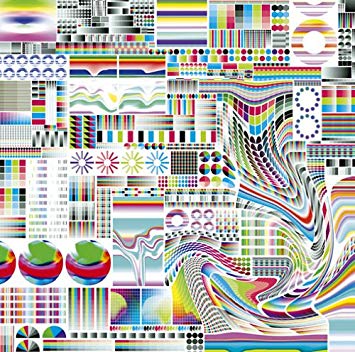
amp-reflection" is the first full album of school food punishment's major label debut, released on April 14, 2010 from Epic Records Japan. The album contains 13 songs in total, including 6 A-sides from all the singles released after their major label debut, from their 1st single "futuristic imagination" to their 5th single "future nova/after laughter", as well as 7 new songs.
The album is the culmination of a year since their major label debut, and is the expression of their overwhelming creativity and original worldview. The album is the culmination of a year since their major label debut.
Limited distribution single "flashback trip syndrome -feat. Main Theme of "NANASE: The Psychic Wanderers"-".
01. flashback trip syndrome -feat. main theme of "NANASE:The Psychic Wanderers
flashback trip syndrome" is a single released on September 22, 2010 for limited distribution. This song was written as the theme song for "Nanase Futatabi", a film commemorating the 50th anniversary of Yasutaka Tsutsui's life as a writer, known for his many masterpieces including "The Girl Who Leapt Through Time". It is also a special version in collaboration with the main theme of the film.
Major 6th single "RPG

01. rpg
02. slide show
03. transition period
RPG" is the sixth single released after one year and two months since the previous single "future nova/after laughter", and was released on May 11, 2011 through Epic Record Japan. The catchphrase for the release was "School Food Punishment Second Phase, Start", and the artist's name was changed to "School Food Punishment". The artist name was changed from "school food punishment" to "School Food Punishment" with the first letter of each English word capitalized.
The title track "RPG" has existed for about two years and has been in the works for a long time, but it was chosen as the first single release of the second phase, as it is a song that can be considered the starting point of School Food Punishment's music, which has been established since their debut, and can be expressed in a straightforward manner. The song was selected as the first single of the second phase.
In the production of the song, the band has reversed their previous stance and focused on the theme of "something cool at a glance" in the music and artwork direction. RPG" is the ending theme for the Fuji Television animation "C".
Major 2nd full album "Prog-Roid

01. free quiet
02. rpg
03. in bloom
04. utsuro, sangatsu
05. ≠
06. are
07. ura omote
08. halation
09. flashback trip syndrome
10. light
11. y/n
Prog-Roid" is the second full-length album released on July 13, 2011, a year and three months after the previous album "amp-reflection". It contains 11 songs including "flashback trip syndrome", the theme song for the movie "Nanase Futatabi", and "RPG", the ending theme song for the Fuji TV anime "C".
The concept of this album is a mix of live instrumental performances and programming sounds, and a sense of balance among the songs. Therefore, some piano and xylophone sounds are typed in programming, and conversely, some sounds that seem to be digital are recorded with live instruments.
The album title "Prog-Roid" is a coined word consisting of the three words "Programming," "Progressive," and "Android," expressing the way programming evolves and the way mechanical and human elements are interwoven. It is said to express the way we evolve through programming and the interweaving of mechanical and human elements.
Major 7th single "How to go
01. how to go
02. go home
03. kimi ni, boku-kyuun. -Flirtatious Vacation
04. how to go -Anime Edit
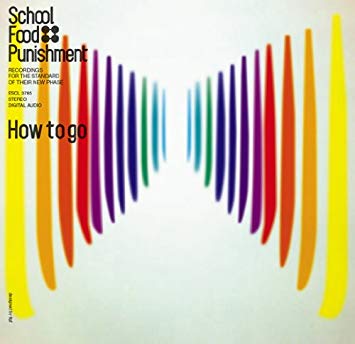
How to go" is the seventh single released by Epic Records on December 7, 2011. The title track "How to go" is used as the theme song for the anime "UN-GO" in Fuji Television's "Noitamina" slot. In order to create the song, they had many discussions with Seiji Mizushima, the director of "UN-GO", about the content of the song. As the name "How to go" suggests, the song is filled with the feelings and thoughts about "Noitamina" that all the members had to bear before the song was completed.
Representative songs and music videos of School Food Punishment
futuristic imagination
school food punishment - futuristic imagination [high sound quality
futuristic imagination" is the major debut single of school food punishment. The song was used as the theme song for the TV anime "Eden of the East. With vocalist/guitarist Uchimura's powerful and soulful voice, it is one of school food punishment's most representative songs, expressing the world of the anime and the band to the fullest.
RPG
Anime C Noitamina RPG full
RPG" is a single song that was used as the ending theme song for the TV anime "C" for Fuji Television's late night TV slot "Noitamina" and is included on the album "Prog-Roid".
The TV anime "C" is a completely original work about money and the future, directed by Kenji Nakamura, who has created a mysterious worldview with his unique visuals and novel expressions in the anime "Mononokai" and "Sora no Blanco. Uchimura, vocalist and guitarist, says that he incorporated into the music the "fascination of being drawn in without time to think" and the "sense of unreadable anxiety" he felt when watching the TV anime "C". As a result, the song expresses complex emotional feelings, such as a mixture of fascination and anxiety.
How to go

Contents
- School Food Punishment Overview
- School Food Punishment's Activity History
- Members of School Food Punishment
- Yumi Uchimura
- Masayuki Hasuo
- Hideaki Yamasaki
- Osamu Hidai
- Former members of School Food Punishment
- Atsushi Ueda
- Katsuya Katano
- School Food Punishment discography
- Indies 1st mini album "school food is good food
- Indies 2nd mini-album "air feel, color swim
- Limited distribution single "FEEDBACK/Two-Person Sea Bottom
- Indies 3rd mini-album "Riff-rain
- Major 1st single "futuristic imagination
- Major 2nd single "butterfly swimmer
- Major 3rd single "sea-through communication
- Major 4th single "light prayer
- Major label 5th single "future nova/after laughter
- Major 1st full album "amp-reflection
- Limited distribution single "flashback trip syndrome -feat. Main Theme of "NANASE: The Psychic Wanderers"-".
- Major 6th single "RPG
- Major 2nd full album "Prog-Roid
- Major 7th single "How to go
- Representative songs and music videos of School Food Punishment
- futuristic imagination
- RPG
- How to go
- light prayer
- butterfly swimmer
- feedback
- two persons at the bottom of the sea
- future nova
- after laughter
- flashback trip syndrome
- School Food Punishment Backstory, Trivia, Small Stories/Episodes, Anecdotes
- The cause of the hiatus was the difference in awareness between vocalist/guitarist Uchimura and the other members.
- The reason for the disbandment was that I didn't think I had the confidence and charisma to involve a lot of people.