
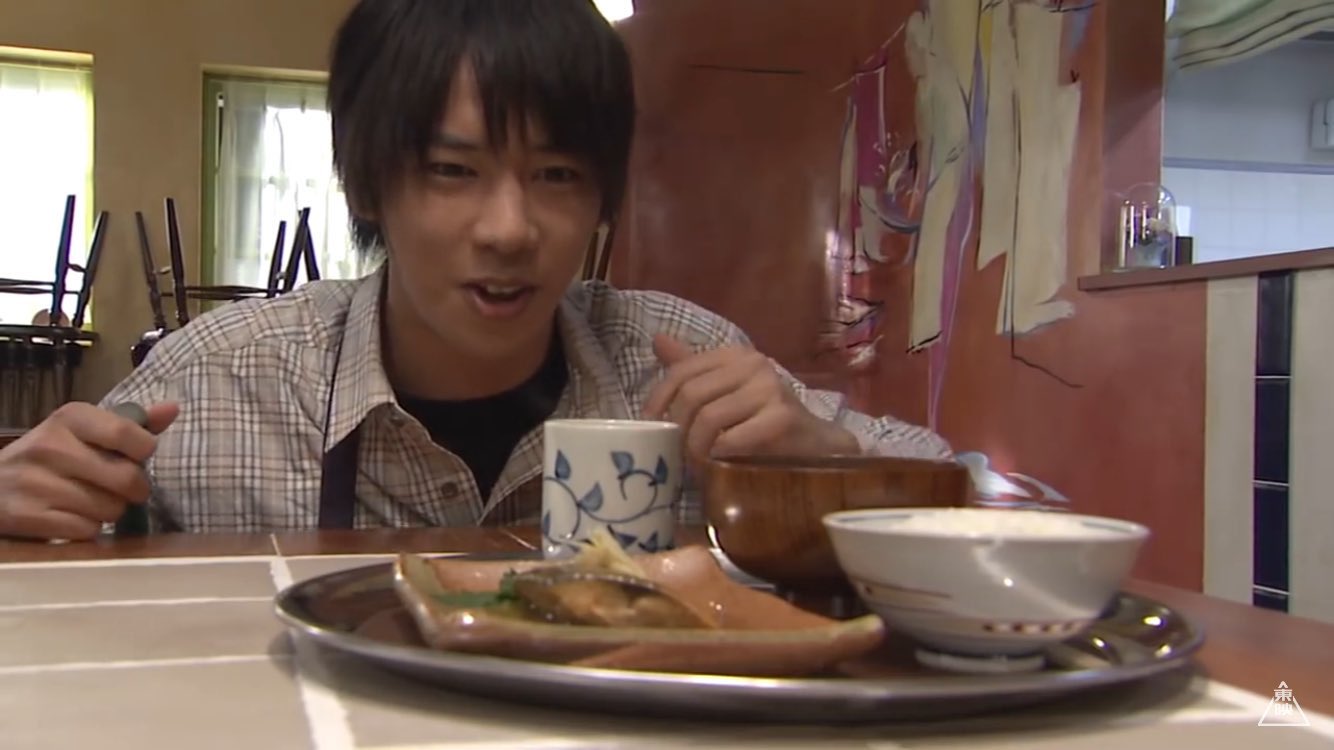
One of the major characteristics of the tokusatsu drama "Masked Rider Kabuto" is its close focus on cooking. In addition to the many scenes of characters cooking and sitting around the dinner table, a "Makanai Ryori" corner was set up on the official website, where recipes for dishes that appeared in the film were introduced. Here, we have compiled recipes for "Mamen Rider Kabuto's" makanai cuisine, including "Saba Miso," "Pottara Nimono," and "Kouki Ramen.
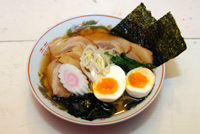
Japanese-style dashi ramen (Episode 24)
Source: www.tv-asahi.co.jp
Japanese Style Dashi Ramen
This is a healthy Japanese style soup stock ramen.
[Ingredients] (2 servings)
[Dashi A]
About 50g of dried sardines
2 liters of water
[Stock B]
Konbu seaweed 5 cm square x 3 sheets
2 cloves garlic
1 piece of ginger
Onion 1/4 to 1/3
1/2 carrot
1 stalk of green onion
[Dashi C]
2 handfuls of bonito flakes (about 1 cup)
1-2 tablespoons soy sauce
A pinch of green onion oil
Chinese noodles 2 servings
Various ingredients (optional)
Source: www.tv-asahi.co.jp
Procedure
(1) Carefully remove the head and the wads of the dried sardines in 【A】 and roast them in a frying pan. When the surface becomes golden brown, remove from the pan and allow to cool.
(2) Fill a jumbo pot with water, add the dried sardines from (1) above, and heat over medium heat. When the surface of the water begins to brown, lower the heat and simmer for 20 minutes, keeping the water at a constant temperature so as not to boil.
(3) Lift up the dried fish with a net (or transfer the broth to another pot while straining through a dish towel, etc.), cut in [B] kombu, garlic, ginger, onion, carrot, and green onion, throw them into the pot, and cook over low heat for another 30 minutes.
(4) Net up (or strain) the [B] savory vegetables, add the [C] dried bonito flakes, and simmer over low heat for 10 minutes.
(5) During this time, boil the noodles and prepare the various ingredients.
(6) Pour soy sauce into a bowl, pour in the broth from (4) while straining through a colander, and top with noodles and ingredients. Sprinkle with green onion oil to complete the dish.
The soup is clear but rich. For children, reduce the amount of dried sardines.
Source: www.tv-asahi.co.jp
A word from Soji Tendo
Instead of soy sauce, dissolve 2 tablespoons of red miso paste to make miso ramen.
Source: www.tv-asahi.co.jp
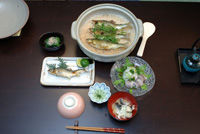
Grilled ayu fish with salt & gohan with ayu fish (Episode 27)
Source: www.tv-asahi.co.jp
Salt-grilled sweet fish & Ayu Rice
Ingredients] (for 2 persons)
2 ayu fish
Salt to taste
1 kabosu
(1) Scrape ayu fish from the tail to the head with the back of a knife to remove the sludge.
(2) Rinse well and pat dry.
(3) Sprinkle with salt. (This is called "decorative salt" and is used to prevent the easily burnt parts of the fish from burning.)
(4) Grill or grill the fish until golden brown and serve with a squeeze of kabosu.
The most popular way to cook salted ayu fish is to use "tade-zu" (vinegared vinegared fish with a vinegared sauce made from tade). It is a bitter sauce made by grating tade leaves and rice grains, seasoning with a light soy sauce, and spreading with vinegar.
Source: www.tv-asahi.co.jp
Sweetfish Rice
[Ingredients] (2 servings)
Salt-grilled sweet fish 2-3
2 cups rice
2 cups dashi stock
1-2 tablespoons soy sauce
1 tablespoon sake
Appropriate amount of mitsuba
(1) Lightly wash the rice, raise it in a colander and put it in an earthenware pot.
(2) Add the dashi stock, soy sauce and sake, cover with a lid and turn the heat to high.
(3) Bring to a boil and steam for 10 minutes over medium heat, 10 minutes over low heat, then turn off the heat and steam for 5 minutes.
(4) Place the salt-grilled sweetfish on top, with mitsuba, and eat while breaking up the flesh of the ayu.
Instead of grilling the fish with salt, you can precook it and put it in an earthenware pot and cook it together. You can also cook it in a rice cooker. In that case, sprinkle salt on the fish or add 2-3 tablespoons of soy sauce and sprinkle it over the fish.
Source: www.tv-asahi.co.jp
A word from Soji Tendo
Ayu cuisine may seem simple at first glance, but it is profound. Don't lose the elegant flavor.
Source: www.tv-asahi.co.jp
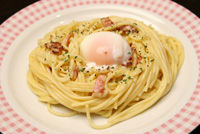
Carbonara with plenty of eggs (Episode 29)
Source: www.tv-asahi.co.jp
Carbonara with Plenty of Eggs
Carbonara with Plenty of Eggs
[Ingredients] (2 servings)
Thick spaghetti
200g
Yolk
4
Pecorino romano cheese or parmigiano reggiano cheese (or parmesan cheese powder)
4 tablespoons (grated)
Pancetta (or bacon)
8 slices (cut into 2 cm strips)
Coarsely ground black pepper
As needed (large, about 2 tablespoons)
Italian parsley
To taste
Olive oil
A little
Poached eggs (for topping, optional)
2 pieces
Source: www.tv-asahi.co.jp
Procedure
1) Begin boiling pasta in a pot with plenty of salted water (salted water should be less salty than sea water).
2) Heat olive oil in a frying pan and fry pancetta over low heat. When the color changes, add a ladleful of the pasta cooking water and cook.
3) In a bowl, pour the egg yolks. Grate the cheese, sprinkle with black pepper and mix lightly. (If using bacon, add a pinch of salt.)
4) When the pasta is cooked, add it to the egg bowl and toss quickly.
5) Transfer everything to the pancetta pan and heat over medium heat, stirring with chopsticks. When the mixing hand feels a little resistance (about 30 seconds), remove from heat.
6) Arrange on a plate and sprinkle with Italian parsley. Make a dent in the center and top with a poached egg.
In the frying pan at the end, melt the cheese that has been mixed with the pasta, and let the egg yolks become semi-cooked. Mix with chopsticks to make it easier to know when to lift from heat.
Source: www.tv-asahi.co.jp
A word from Soji Tendo
It should be so good that you will want to scarf it down like a tree flower all at once.
But be careful.
As my grandma used to say, if you go too far down the throat, you'll get burned.
Source: www.tv-asahi.co.jp
Omelette Rice (Episode 34)
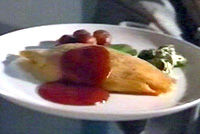
Source: www.tv-asahi.co.jp
omelet with a filling of ketchup-seasoned fried rice (omelette)
Omelette Rice
Chicken Rice, which is delicious as is, and Omelette Rice, which is wrapped with eggs. This is a masterpiece of Japanese western cuisine that Renge dreamed of.
[Ingredients] (1 serving)
Rice
1/2 rice bowl
Chicken
50g (finely chopped)
Onion
1/3 (coarsely chopped)
Green peas and other vegetables
To taste
Egg
2 pieces
Milk
1 tablespoon (or katakuriko dissolved in water, optional)
Butter
About 20g
Tomato ketchup, salt
Pepper, Worcestershire sauce
To taste
Source: www.tv-asahi.co.jp
Procedure
1) Make chicken rice.
Heat 15g of butter in a frying pan and saute chicken with salt and pepper. When the chicken changes color, add the onion coarsely chopped, and when it becomes transparent, add the other vegetables and saute further.
2) Add the rice and stir-fry until the rice is fluffy, then season with salt, pepper, ketchup, Worcestershire sauce, etc. (Add a small amount of diced tomatoes at this point to brighten the color).
3) Meanwhile, between (1) and (2), dissolve the egg. Mix by gently cutting with chopsticks so as not to whisk, then add milk.
Source: www.tv-asahi.co.jp
4) Transfer the chicken rice to a plate and wipe the pan once.
Heat a small amount of butter in the pan again. Spread the butter all over with a kitchen paper as if stroking it, and remove the excess oil.
5) Turn off the heat and spread the egg thinly in a circle from the center of the pan.
6) After about 1 minute, while the eggs are still half-done, gently place the chicken rice in the center.
When you are done, bring the pan to the plate, tilt it and slide it to the edge. Pick up the edge of the egg with cooking chopsticks and cover the rice with it. Turn the pan upside down and open it on the plate. Adjust the shape, pour ketchup and it is done.
Source: www.tv-asahi.co.jp
[One Point]
※ If you add milk or katakuriko potato starch flour, the fall apart easily. On the other hand, if you don't add anything, the rice and the eggs will feel more like one.
※ If you increase the number of eggs to 3, it will be hard to fail while you are not used to it.
Source: www.tv-asahi.co.jp

Related Articles

All Kamen Riders! Rally! ~Heisei Rider Part 7
Perhaps as a reaction to the different Hibiki, Kabuto is a stylish and simple masked rider with an insect motif. I would like to introduce the rider of Masked Rider Kabuto, whose motif is a space suit and the theme of hatching from a chrysalis.
Read Article
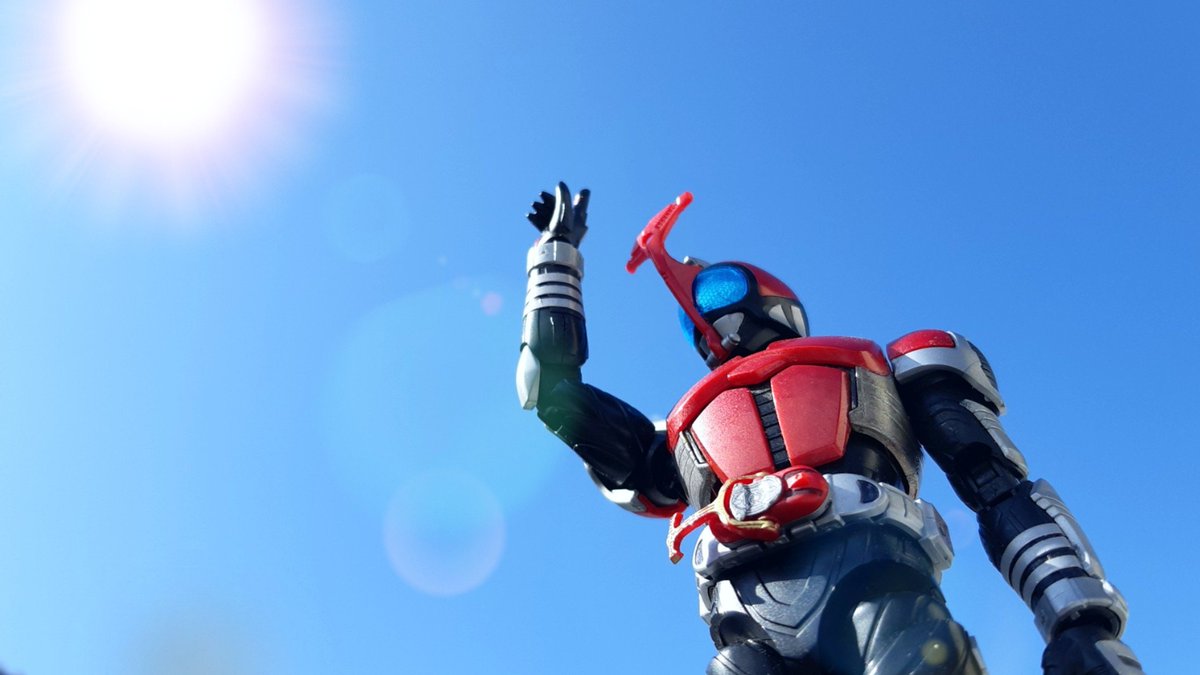
A compilation of quotes from the grandmother in Kamen Rider Kabuto
Here we have compiled a list of quotes and famous lines from the grandmother in the "Masked Rider Kabuto" tokusatsu drama in the "Masked Rider" series. The main character's grandmother, played by Hiro Mizushima, has many memorable sayings, such as "It is a man's path that he walks, and it is the path of heaven that he blazes.
Read Article
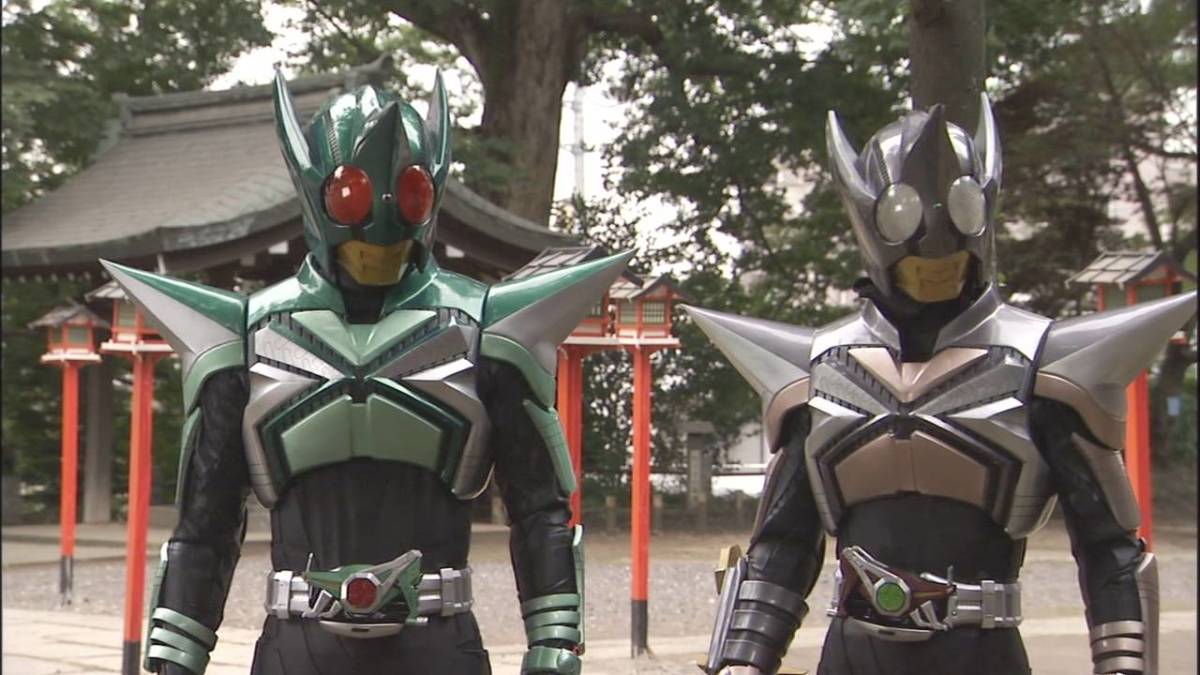
A collection of images of the unfortunate Hell Brothers from "Kamen Rider Kabuto" [Kick Hopper, Punch Hopper].
Here we compiled images of Masked Rider Kick Hopper and Masked Rider Punch Hopper, who appeared in the tokusatsu drama "Kamen Rider Kabuto. In the work, he established a pity character and was loved by the viewers for being so negative.
Read Article
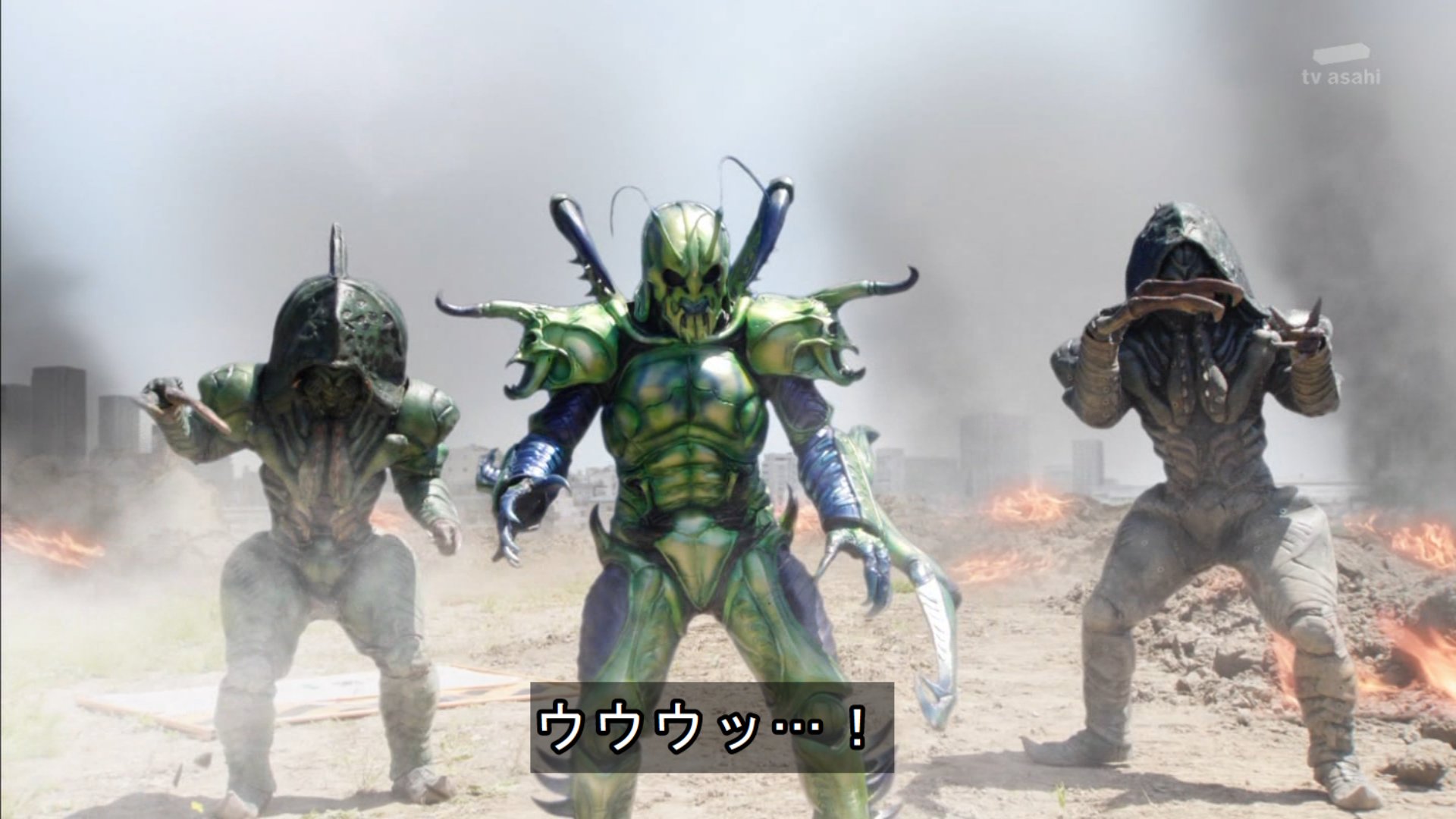
Is Grillas Worm, the strongest warrior in "Kamen Rider Kabuto," overshadowed despite being the last boss?
Here we summarize the strongest warrior, Grillas Worm, who appears in the special effects drama "Masked Rider Kabuto" in the "Masked Rider" series. Despite his position as the ruthless boss in the story, he is an exquisitely shadowy character.
Read Article
Tags
Contents
- What is "Masked Rider Kabuto"?
- Recipe for "Kamen Rider Kabuto" makanai cuisine
- Mackerel simmered in miso (Episode 2)
- Tendo Soji no Kotoba
- Hiyori's special "Round Pot-au-feu" (Episode 5)
- Words of Soji TENDO
- Tendo Style Marbo-Tofu (Episode 7)
- Words of Soji TENDO
- Tendoryu Chinese-style hiya-yakko (Episode 8)
- Words of Soji TENDO
- Tendoryu Bamboo Shoots (Episode 11)
- Words of Soji TENDO
- Three-color cabbage rolls (Episode 14)
- Words of Soji TENDO
- Onions cooked in pottage (Episode 17)
- A word from Soji Tendo
- Blue Hawaiian La Maine (Tropical Style) (Episode 24)
- A Word from the Divine Sword
- Purely Japanese La Mène (Episode 24)
- Jindaiken no Hitokoto
- La Mène (Italian Style) with Tomato Soup (Episode 24)
- A Word from the Divine Sword
- La Mène in julienne (French style) (Episode 24)
- A Word from the Divine Sword
- Kouki Ramen (Episode 24)
- A Word from the Divine Sword
- Japanese-style dashi ramen (Episode 24)
- A word from Soji Tendo
- Grilled ayu fish with salt & gohan with ayu fish (Episode 27)
- A word from Soji Tendo
- Carbonara with plenty of eggs (Episode 29)
- A word from Soji Tendo
- Omelette Rice (Episode 34)
- Tendo Soji no Kotoba
- Related Sites