
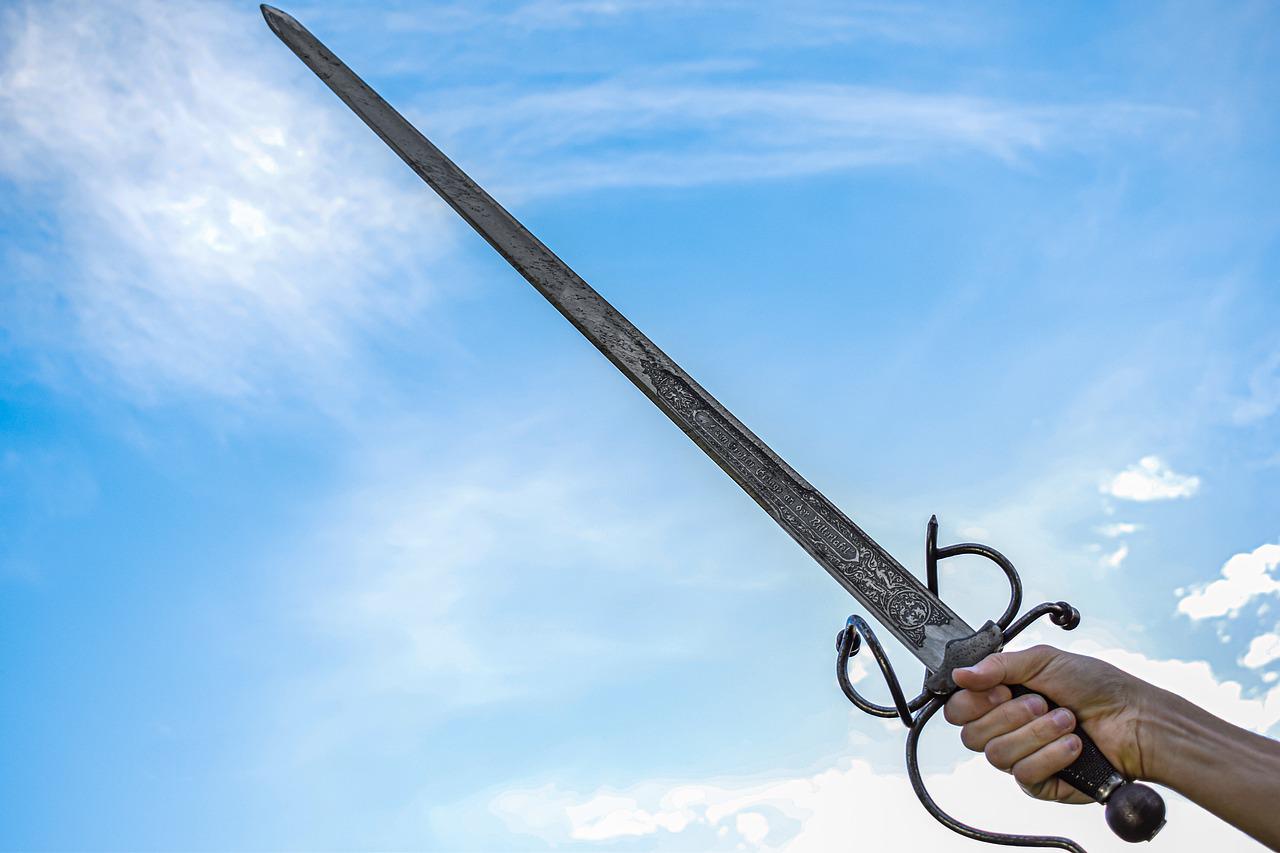
Cool swords and weapons that appear in manga and video games. Some of them, like the Masamune and the Claymore, are not creations of their authors, but real weapons! So we have collected images of real weapons that exist in the real world. I'll introduce you to them, along with the countries they were used in and the characteristics of the weapons!
Source: nasyoumai.cocolog-nifty.com
Masamune
Japan
Japanese sword made by Masamune, a swordsmith of the late Kamakura period
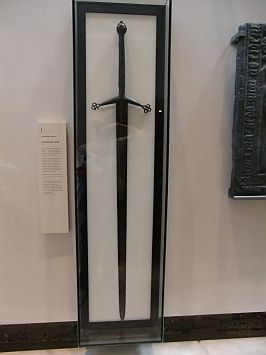
Source: faculty.adams.edu
Claymore (Mor, Claidheamh)
Scotland
A large two handed sword used from the 14th to the 17th centuries
Characterized by the four leaf shape of the ornamental ring of the tsuba.
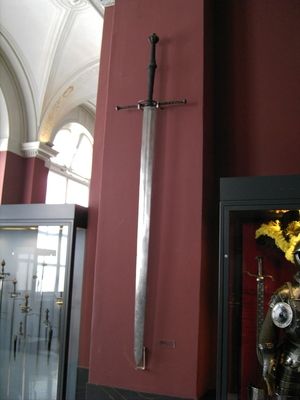
Source: upload.wikimedia.org
Zweichender, Zweihänder
Germany
Famous as a great sword used by mercenaries in the 16th century
It is 1.8 meters long and weighs from 3 to 5 kilograms.
Source: www.darkwoodarmory.com
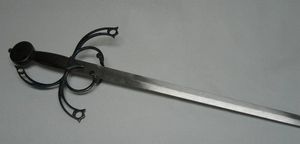
Spada Lopera, Espada Ropera
Spain
A type of rapier that spread in Spain in the 16th century
A slender sharp-pointed stabbing one handed sword
Source: korokcsodai.blogspot.jp
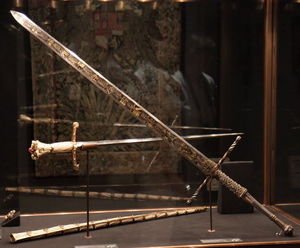
Longsword (Longsword)
Italy
A standard sword spread in western Europe
The picture is of Maximilian I, Holy Roman Emperor.
Source: basiclarp.blogspot.jp
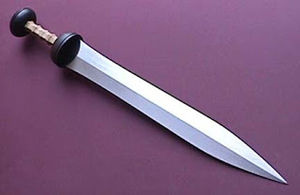
GRADIUS (Gladius)
Spain
Used chiefly by gladiators in ancient Rome
Features a thick and wide double-edged blade
Source: forgottenrealms.wikia.com
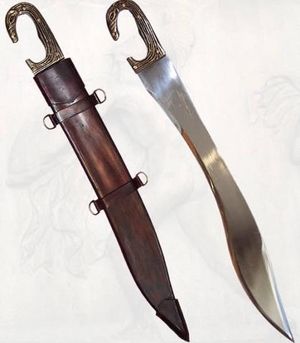
Falcataria (Falcata)
Spain
A long curved sword born in Spain
Often has an animal-shaped grip
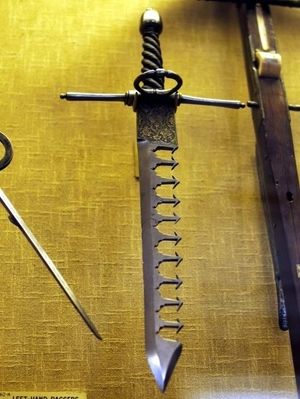
Source: art-of-swords.tumblr.com
Sword Breaker
Italy
YOU CAN FOLD YOUR OPPONENT'S SWORD BY PUTTING IT ON THE RIDGE.
Worn as a shield on the opposite hand from the dominant hand
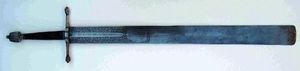
Source: art-of-swords.tumblr.com
Executioner's Sword
Germany
A sword used by executioners for beheading
Source: www.oriental-arms.co.il
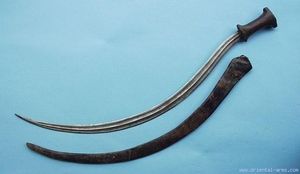
Shotel
Ethiopia
Greatly curved to dodge the shield and attack
It is also very sharp as a sword.
Source: art-of-swords.tumblr.com
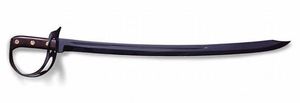
Cutlass
United Kingdom
A curved sword chiefly used by sailors
The blade is short, making it suitable for use in narrow places such as ships.
Source: www.grozerarchery.com
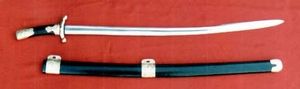
Hungarian sabre (Szablya)
Hungary
A curved land sword used by horsemen as a counterpart to Kattruss
A curved single-edged sword of Hungarian origin
Source: www.carters.com.au
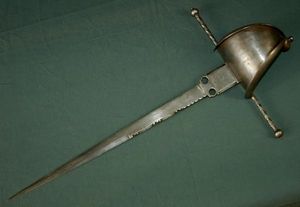
Main Gauche
France
A double-edged straight sword used as a sink for an opponent's attack
The name comes from the French word for "left hand."
Source: art-of-swords.tumblr.com
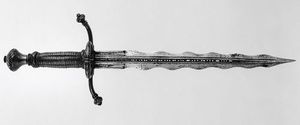
パリングダガー (Parrying Dagger)
Italy
Like main-gauche, it's designed to be passive.
The wavy blade makes it easier for the enemy to attack.
Source: www.casiberia.com
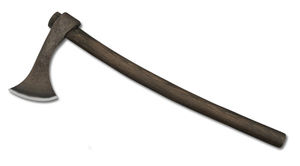
Francis Carr (Fransisca)
France
An ax used by the Franks as a throwing weapon
Used from the 5th to 8th centuries
Source: art-of-swords.tumblr.com
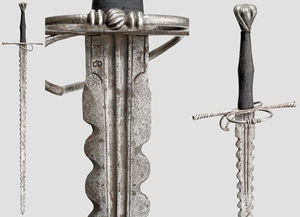
Franberge, Flamberge
Germany
The waving blade makes it difficult to stop bleeding.
The name comes from the fact that the shaking of the blade looks like a flame.
Source: images.wikia.com
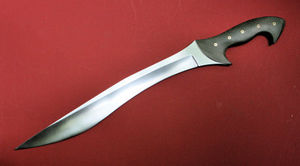
Coppice (Kopis)
Egypt
A small single-edged sword
The wooden handle is also a feature.
Source: art-of-swords.tumblr.com
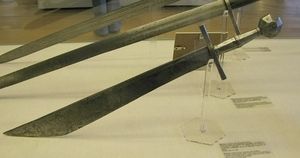
Falción (Falchion)
France
TO ATTACK THE OPPONENT'S ARMOR WITH HIS WEIGHT.
Derived from the Latin word falx, meaning sickle
Source: www.hetguldencabinet.be
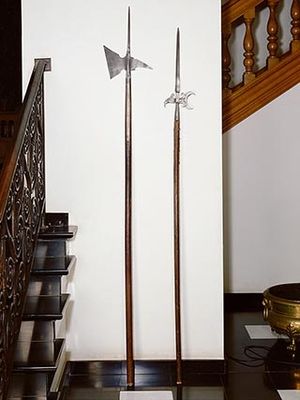
Halberd, Halberd
Switzerland
An axe that is two to three meters long
Various attacks are possible by cutting, poking, hooking, and hitting.
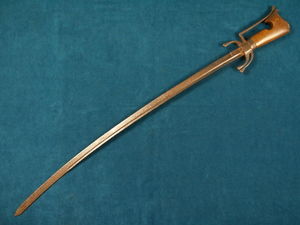
Source: www.armsandantiques.com
ニムシャ (Nimcha)
Morocco
A one handed sword used in the late 18th century
Having the properties of a scimitar
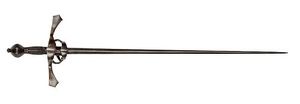
Source: art-of-swords.tumblr.com
Estock (Estoc)
Germany
Widely from the 14th to 16th centuries
Used to poke between chain-link hoops
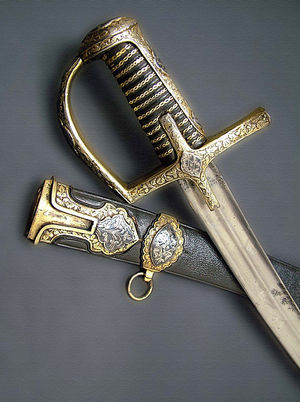
Source: desmond.imageshack.us
コンツェシュ (Koncerz)
Poland
A type of estock that is especially long
Some swords are over 140 cm thick.
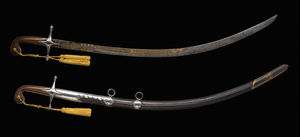
Source: art-of-swords.tumblr.com
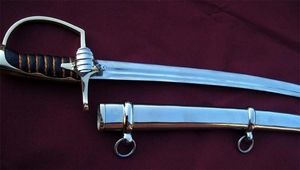
Kirigi (Kilij)
Turkey
A kind of sabre
Spread mainly in Turkey
Source: www.hot.jpg.pl
Black Sabre (czarna, Szabla)
Sweden
A kind of sabre
