
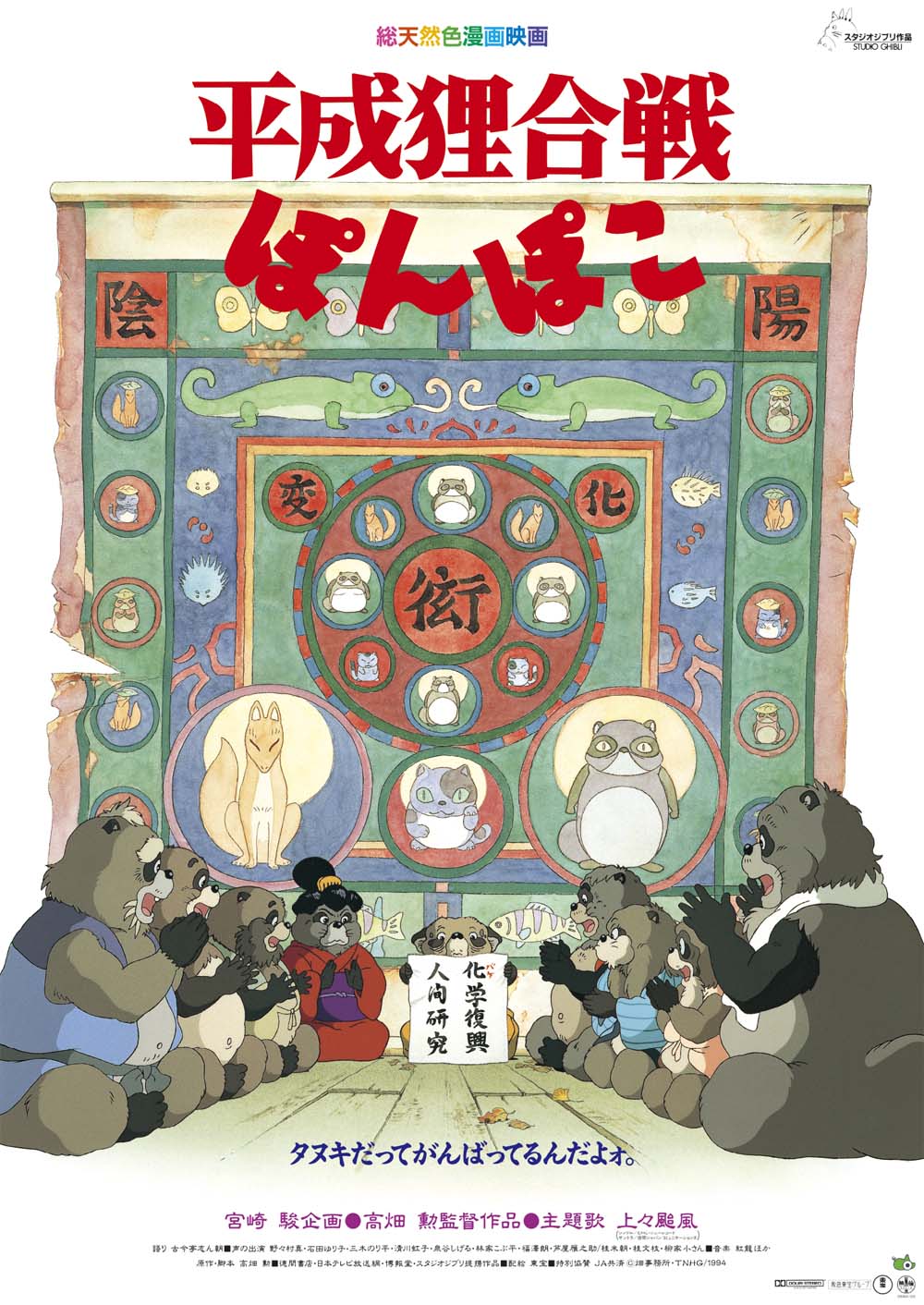
Heisei tanuki gassen Pom Poko (Heisei tanuki gassen Pom Poko) is an animated film produced by Studio Ghibli and released in 1994. Isao Takahata wrote the original story, wrote the screenplay, and directed the film. The film has a different feel from Ghibli's previous works, as it uses narration and live action in the film. It is also the studio's first film to use computer graphics.
Set in Tama New Town, which is undergoing development, the story is about a raccoon who uses "haunted science" and tries to resist the people who are developing the land.
Bakegaku is the art of transformation that animals use to deceive humans. Since ancient times, raccoon dogs have transformed into monsters and other forms to surprise humans and play tricks on them. As time went by, however, humans became more powerful, and the raccoon dogs often revealed themselves to the public. The raccoon dogs of the Tama Hills, who had learned to refrain from learning to transform themselves, went into hiding, and their techniques faded into obscurity. However, in Shikoku and Sado (a remote island in Niigata Prefecture), which are developed countries for raccoon dogs, haunted learning still flourishes, and the raccoon dogs in these areas are revered by the people and worshipped at shrines.
Maintaining the transformation of the raccoon dogs through haunted learning is very strenuous, and if they maintain the transformation for a long period of time, the "tanuki kuma" (dark circles) begin to appear around their eyes due to the accumulation of fatigue, and the transformation is easily broken. Therefore, if the change must be continued for a long time, Chinese herbal medicine or nutritional drinks are used to restore physical strength. In the case of a large-scale transformation, the raccoon dogs, who are good at transforming, may faint or even die in the worst case due to the enormous amount of energy consumed, even if they work together. In addition to raccoon dogs, foxes and some cats are said to have learned to transform themselves into humans and live in large cities.
Operation Monster
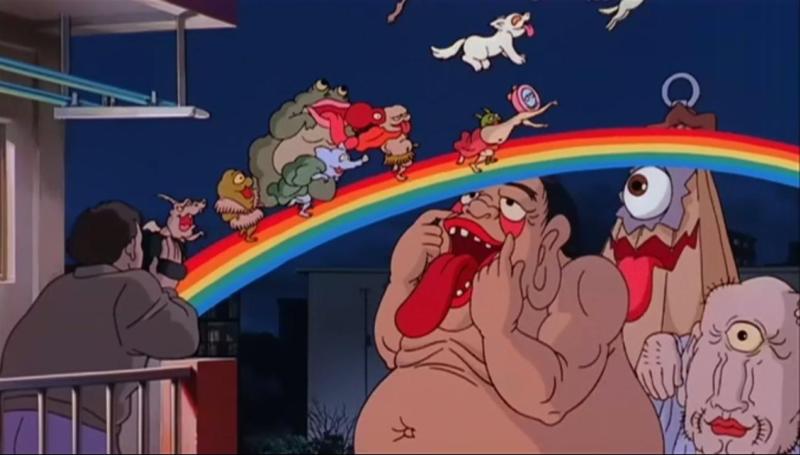
The changing raccoon dogs surprise the humans in Operation Yokai.
Operation Yōkai Daisakusen was a plan devised by the three elders, Tasanro Bald Raccoon, Hidden God Gyobu, and Kincho VI, to sabotage the urban development plans of humans. They came from Shikoku as instructors of haunted learning, and led the raccoon dogs of the Tama Hills, who had transformed into various yokai, in a night parade of one hundred demons through the new town, in order to humiliate the humans who despised nature and animals.
Famous quotes, lines, scenes, and scenes from "Heisei Raccoon War Honpoko
Shokichi: "Even in the innocent ballad, they shoot us raccoons with guns, boil us, and roast us. You know that cruel human nature is sung into the song!"
One of the famous Temari-uta is called "Anata ga sa dokodosa. The official name of this song is "Higo Temari Uta. One of the lyrics is, "There are raccoon dogs in Senba-yama, and hunters shoot them with guns, boil them, roast them, and eat them. Shokichi's father did not blame Shokichi and his friends for imitating human children, but he did say, "Even in this innocent ballad, they shoot us raccoon dogs with guns, boil them, roast them, and eat them. That the cruel nature of man is sung into the song!" and only the cruelty of human beings was properly taught.
Oroku-baba: "The mountains are our home, and we don't want them to disappear on their own. This is the wish of all living creatures."
We called in a renowned raccoon from Shikoku and risked everything to carry out "Operation Yokai. It was enough to astonish the humans. However, when the manager of the "Wonderland" theme park announced that it was a publicity stunt, the idea of being transformed by a raccoon disappeared from the minds of the humans. The monk Tsurukame was so frustrated that he sent a letter to the TV station without telling his friends. The TV station read the monk's letter and came to the mountain to interview him. Instead of the monk, who could not speak well in front of the TV and many people, Old Oroku appealed to the people with her earnest wish: "The mountain is our home, and we don't want it to be lost without our permission.
Bunta said, "I'm Urashima Taro after only three years. I'm supposed to be fooling humans, but isn't it the raccoon who's being fooled?"
In order to stop the development of forests by humans, the raccoon dogs of Tama decided to ask for help from a famous raccoon dog who lives in the region. Bunta sets off on a journey to the Tataniwa Danzaburo Raccoons on Sado Island. However, 45 years before Bunta arrived on Sado, Danzaburo had died. Bunta returns to his hometown after a long three-year journey and is stunned by the sight of his hometown. In just three years, the forests and mountains of his hometown had disappeared. Shokichi and his friends explained that they had done everything they could to stop the development, but Bunta was not immediately convinced and said, "I am an Urashima Taro after only three years. I'm supposed to be fooling people, but it's the raccoon dogs that are being fooled," he cried out sadly.
Ponkichi: "You hear on TV or whatever that raccoons and foxes have disappeared because of development. They say on TV or something that raccoons and foxes have disappeared because of development. Can you please stop that?"
At the end of the story, Ponkichi spoke to the audience in front of the screen. You know what they say on TV or whatever? "You hear on TV or whatever that raccoons and foxes have disappeared because of development. Can you please stop that?" This is not an appropriate expression. Since living creatures cannot just disappear, it naturally means that they have moved to other places or have died out. In television, this is expressed as "disappeared. This line is followed by the statement, "Well, it's true that some foxes and raccoons can disappear.... But what about rabbits and weasels? It continues and concludes. It is a profound line that reminds us once again that there are creatures suffering behind the scenes for the convenience of humans.
Backstories, trivia, and small stories/episodes/anecdotes about "Heisei Raccoon War Honpoko".
Hidden Ghibli Characters Mixed in with the Specters
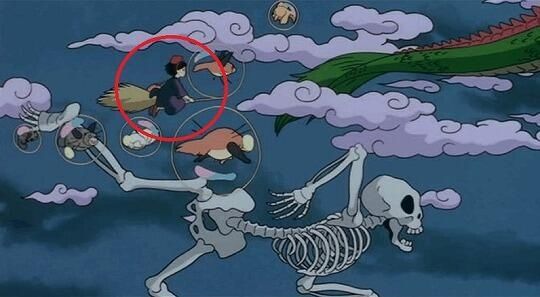
Kiki, the main character in "The Witch's Delivery Service.
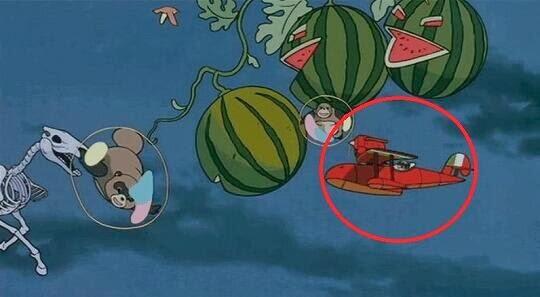
The flying boat in which Porco Russo in "Red Pig" rides.
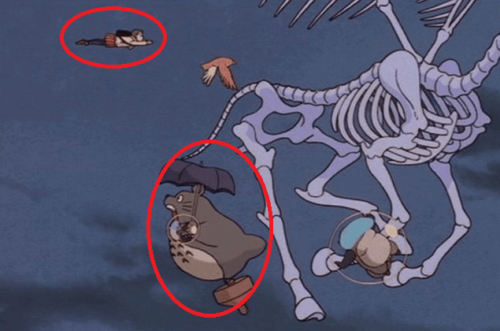
Taeko Okajima, the main character in "Omohide Poroporo" (when she was in the fifth grade), and Totoro from "My Neighbor Totoro.
In "Heisei Tanuki Gassen Ponpoko", the raccoon dogs in the film carry out "Yokai Daisakusen" in which they use all their strength to transform humans into monsters. The march of the specters, which resembles a night parade of a hundred demons, is very powerful. Among the yokai, characters from past Studio Ghibli films appear. Kiki from "The Witch's Delivery Service," Porco Rosso from "Red Pig," Taeko Okajima (as a fifth grader), the main character from "Omohide Poroporo," and Totoro from "My Neighbor Totoro. These four characters are depicted together among flying specters.
Heisei Raccoon Battle Pompoko" and "Mimi wo Sumeba" are set in the same town.
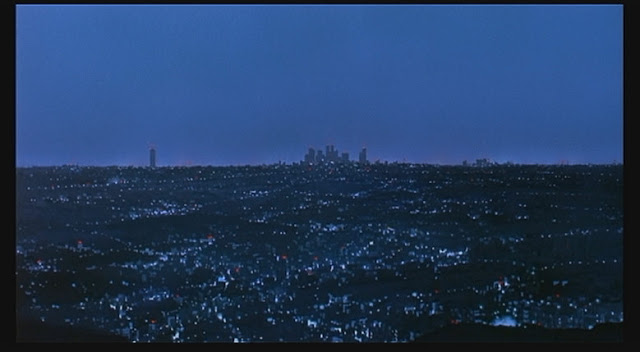
The ending scene of "Heisei tanuki gassen pompoko".
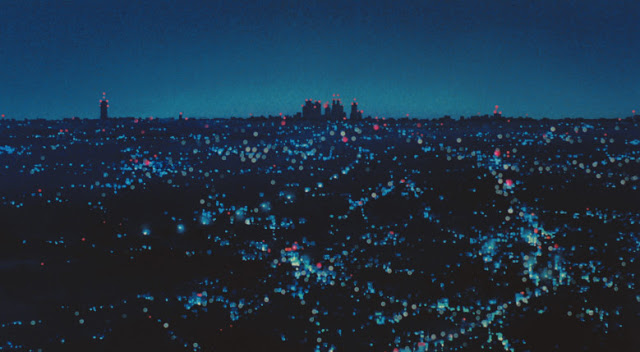
A scene from the opening of "Ears to the Sky.
Heisei Tanuki Gassen Ponpoko" was released in 1994, and "Ears to the Future" was released the following year in 1995, both taking place in the same city, Tama City. This is because the nightscape depicted in the ending of "Heisei Tanuki Gassen Ponpoko" and the nightscape depicted in the opening of "Mimi wo Summaseba" are exactly the same. In addition, the townscape in the two films is very similar in some places, such as the housing complex in the town where "Operation Yokai" took place and the sharply curved road in the mountains.

Related Articles
Ghibli Characters Ranked by Strength! A wide range of choices from forest fairies to gods!
This article presents a ranking of the strength of characters appearing in films produced by Studio Ghibli. In the article, we have selected characters from a wide range of genres, including Gyobu Oragami from "Heisei Raccoon War Ponpoko," Kaonashi from "Spirited Away," and "My Neighbor Totoro," so please be sure to check it out until the end.
Read Article
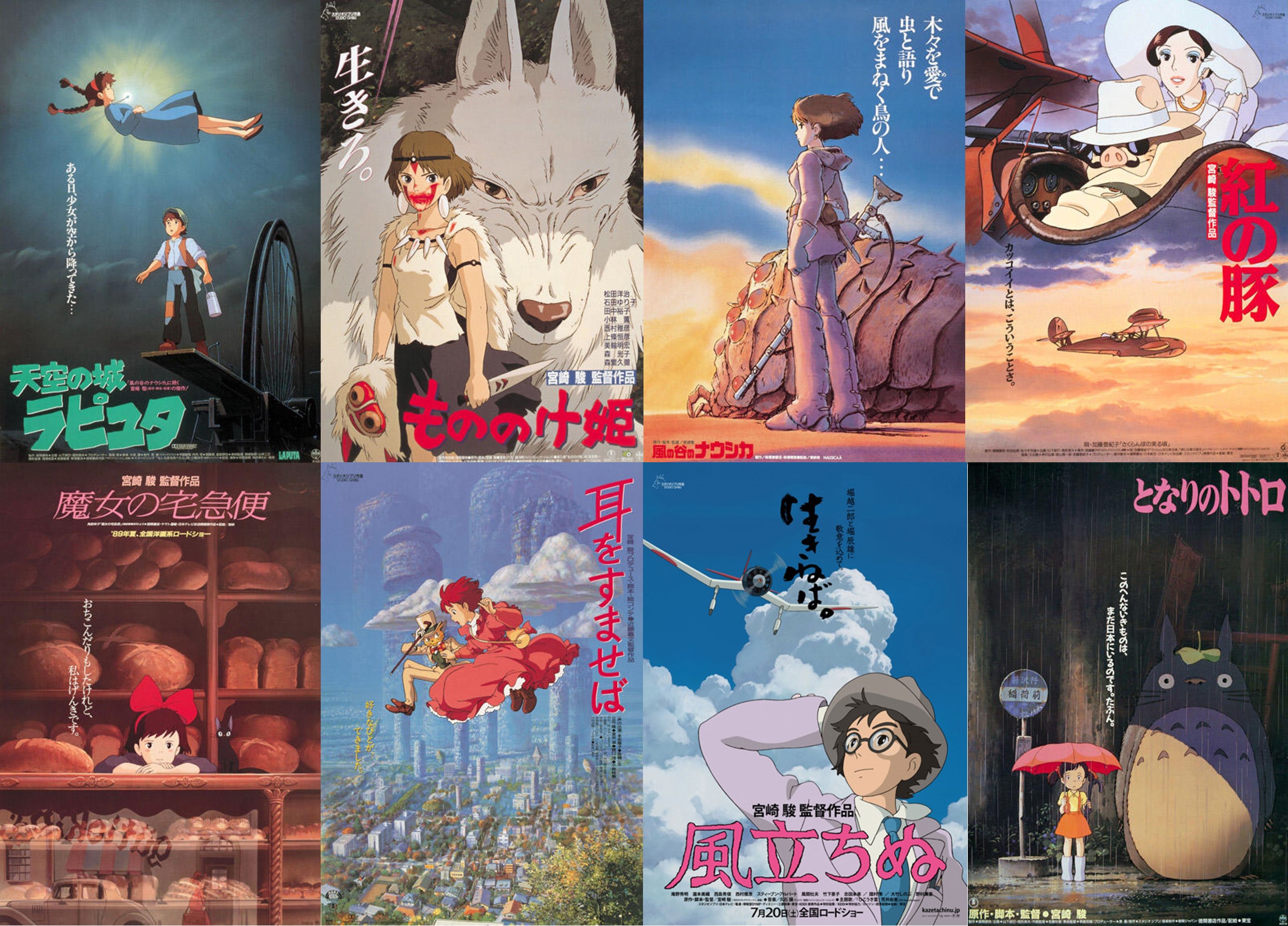
A great comedy combining the titles of Ghibli movies is interesting! Here are some of the excellent stories that have been talked about on the Internet!
This article introduces a number of excellent works on the "Make a funny sentence by combining the titles of Ghibli movies," a very popular comic project that has become popular mainly on the Internet. In addition to the excellent works that have been inducted into the Hall of Fame, the article includes many funny sentences that make you laugh unintentionally.
Read Article
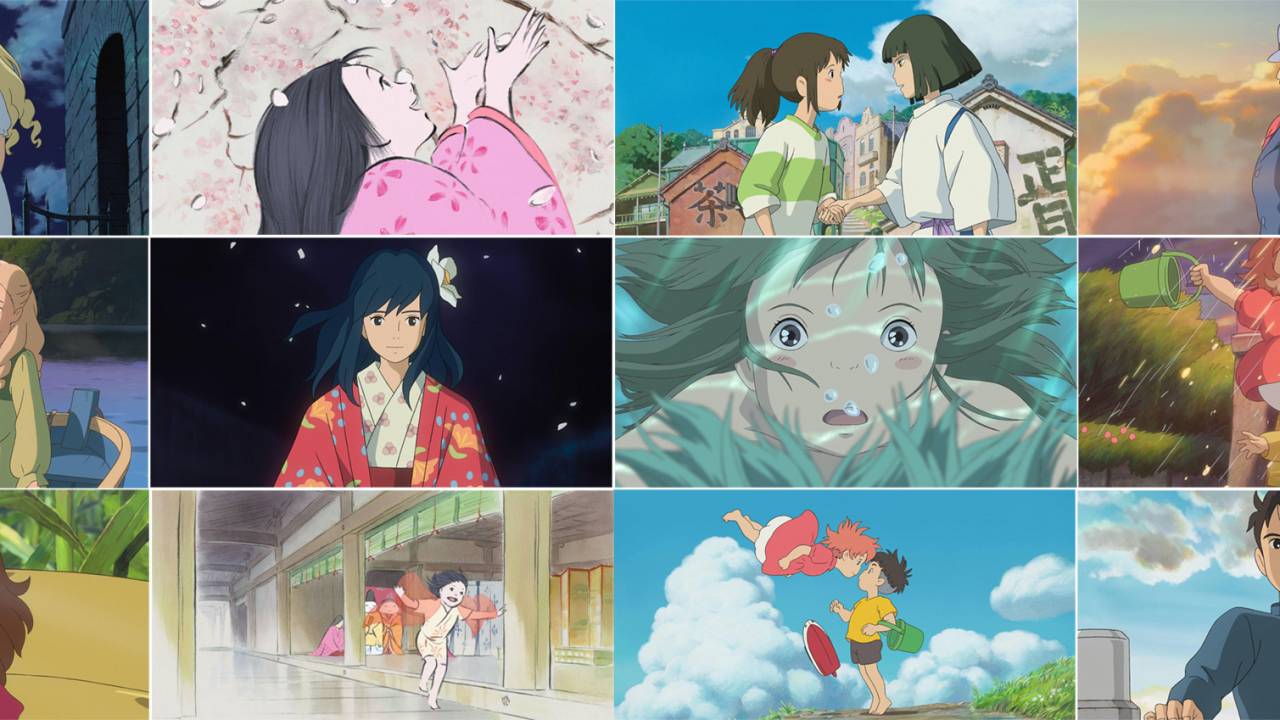
Introducing "Hidden Ghibli Characters" in Ghibli Films! Heisei Raccoon War Ponpoko and Laputa also make secret appearances!
This article introduces a collection of so-called "hidden characters" that are characters from other films produced by Studio Ghibli that have secretly appeared in the films. Ghibli characters can also be found in "Heisei Raccoon War Ponpoko," "Castle in the Sky," and "Red Pig," so be sure to check out the list until the end.
Read Article
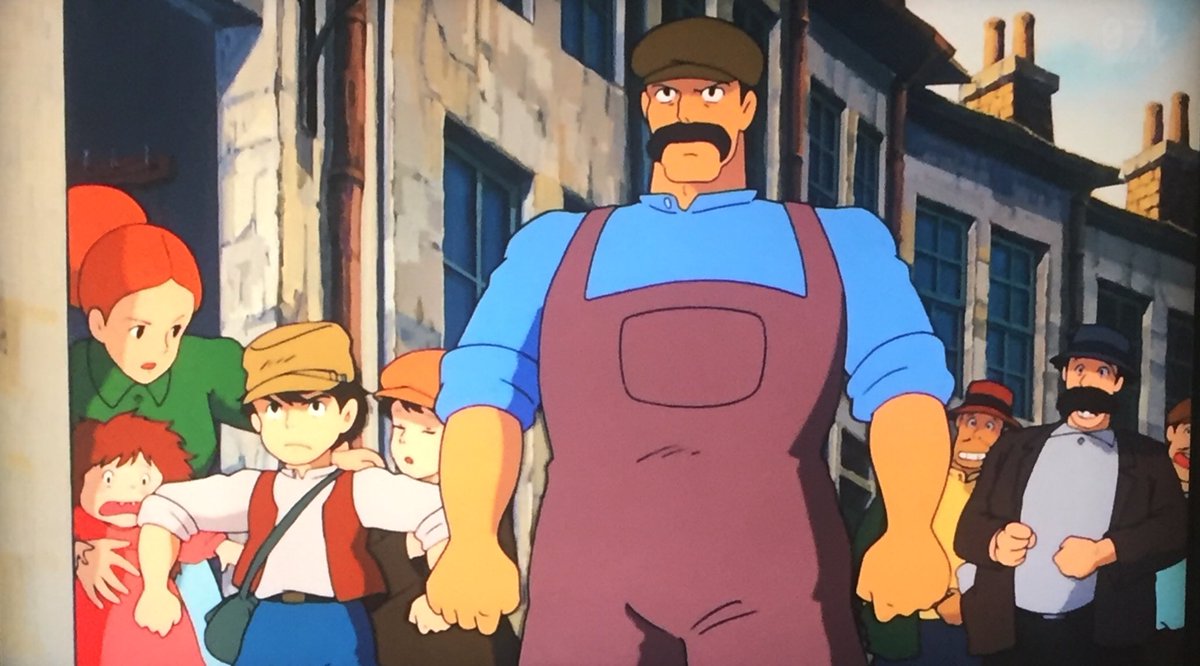
A collection of "reluctant supporting Osama characters" from Ghibli films! More than just the main character!
This article introduces a group of supporting "Osama" characters in Studio Ghibli-produced films who have a greater presence than the main characters. These supporting characters, who support the young and somewhat reckless main characters with their "adult charm," sometimes shine as brightly as the main characters. The article includes the master and engineer from "Castle in the Sky," Yupha from "Nausicaa of the Valley of the Wind," Nishishiro from "Ears to the Sky," and more.
Read Article
![Princess Mononoke] Information on "same voice actors" in Ghibli movies! Can you figure it out! Howl's Moving Castle](https://renote.net/files/blobs/proxy/eyJfcmFpbHMiOnsiZGF0YSI6ODU4OTQ4MSwicHVyIjoiYmxvYl9pZCJ9fQ==--227c38a7d2400137685387ce5e6a4dea18d8d0f5/mononoke031.jpg)
Princess Mononoke] Information on "same voice actors" in Ghibli movies! Can you figure it out! Howl's Moving Castle
This article presents information on "the same voice actor" in Studio Ghibli-produced films. In Studio Ghibli's films, it is relatively common for a voice actor who has appeared in the past to voice a character again in another Ghibli film. Therefore, in this article, we have listed a number of Ghibli films in which the voice actors are the same. We hope you will enjoy this quiz.
Read Article
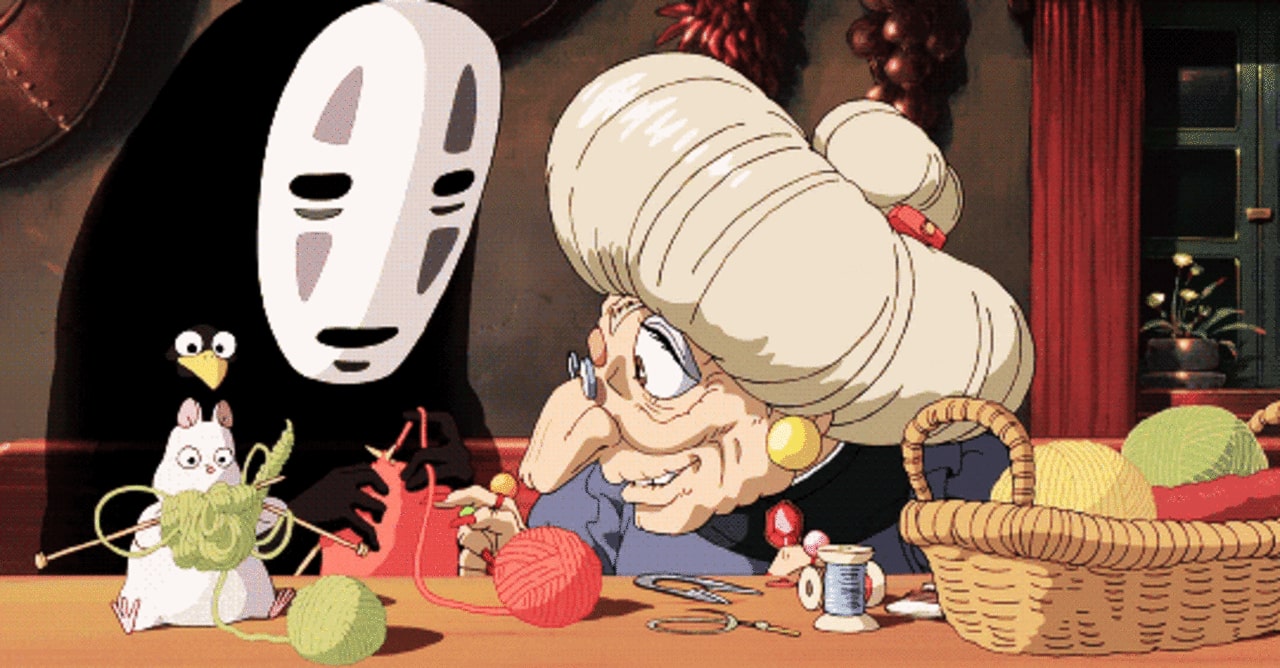
English titles and character names for Studio Ghibli-produced films! Kaonashi's English name is "No-face
This article introduces the English titles of Studio Ghibli-produced films and the names of the characters that appear in them. In addition to the titles of the English versions of each film, the article includes the English names of many of the characters, including Kaonashi, Makurokurokurokurosuke, Neko Bus, and Kakashi no Kabu (Scarecrow Turnip). Why not learn them as trivia?
Read Article
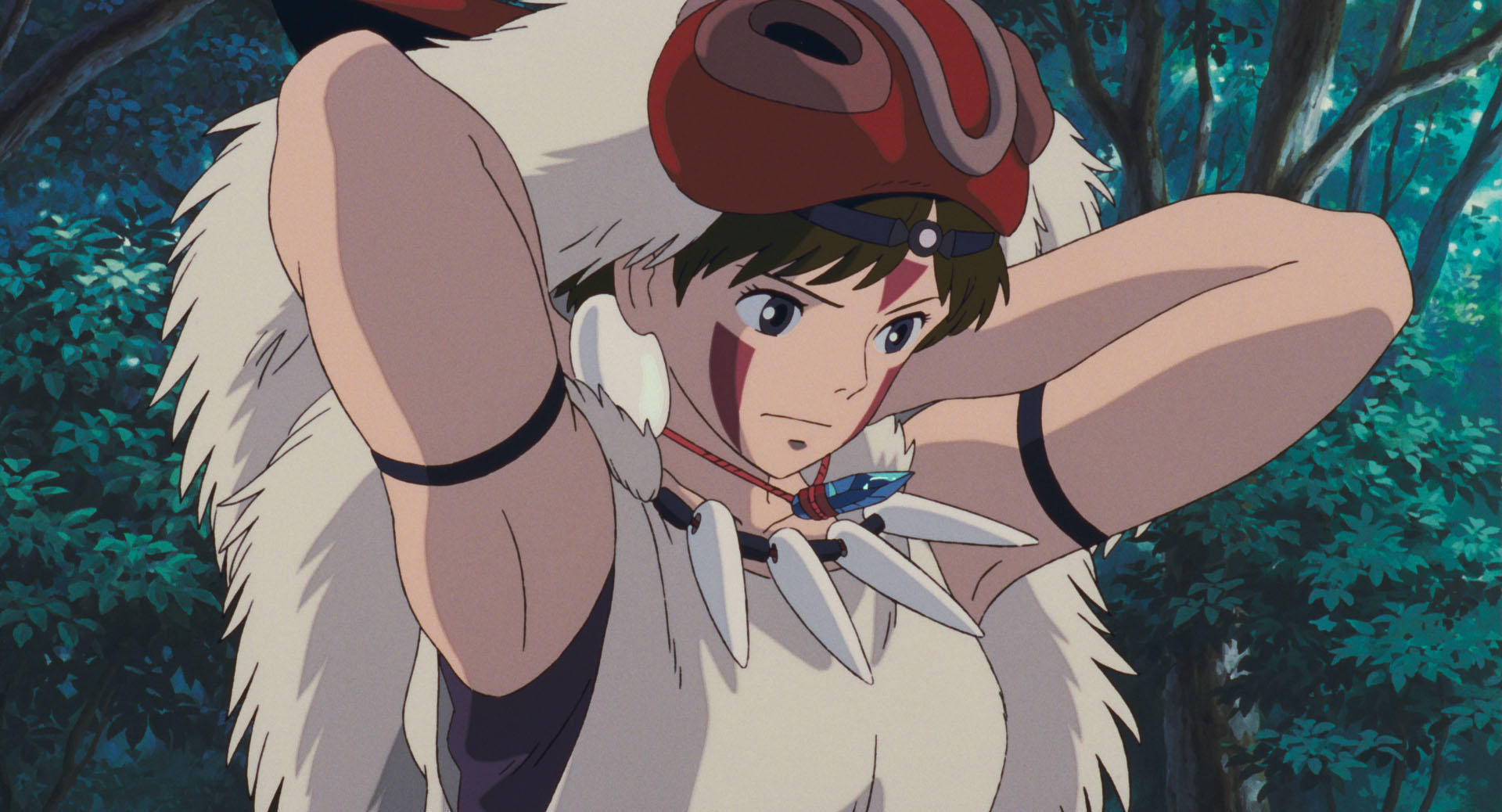
The earliest images of famous scenes from Studio Ghibli's works! Princess Mononoke
This article presents a collection of images of various famous scenes from Studio Ghibli-produced films. The images include Totoro enjoying the drops of water falling from a tree in "My Neighbor Totoro," Kiki and Ursula hitchhiking in "The Witch's Delivery Service," and raccoon dogs practicing their changes in "Heisei Raccoon War Pon Poko," among many others. All of them are memorable and famous scenes, so we hope you will enjoy them while thinking back on the contents of the films.
Read Article
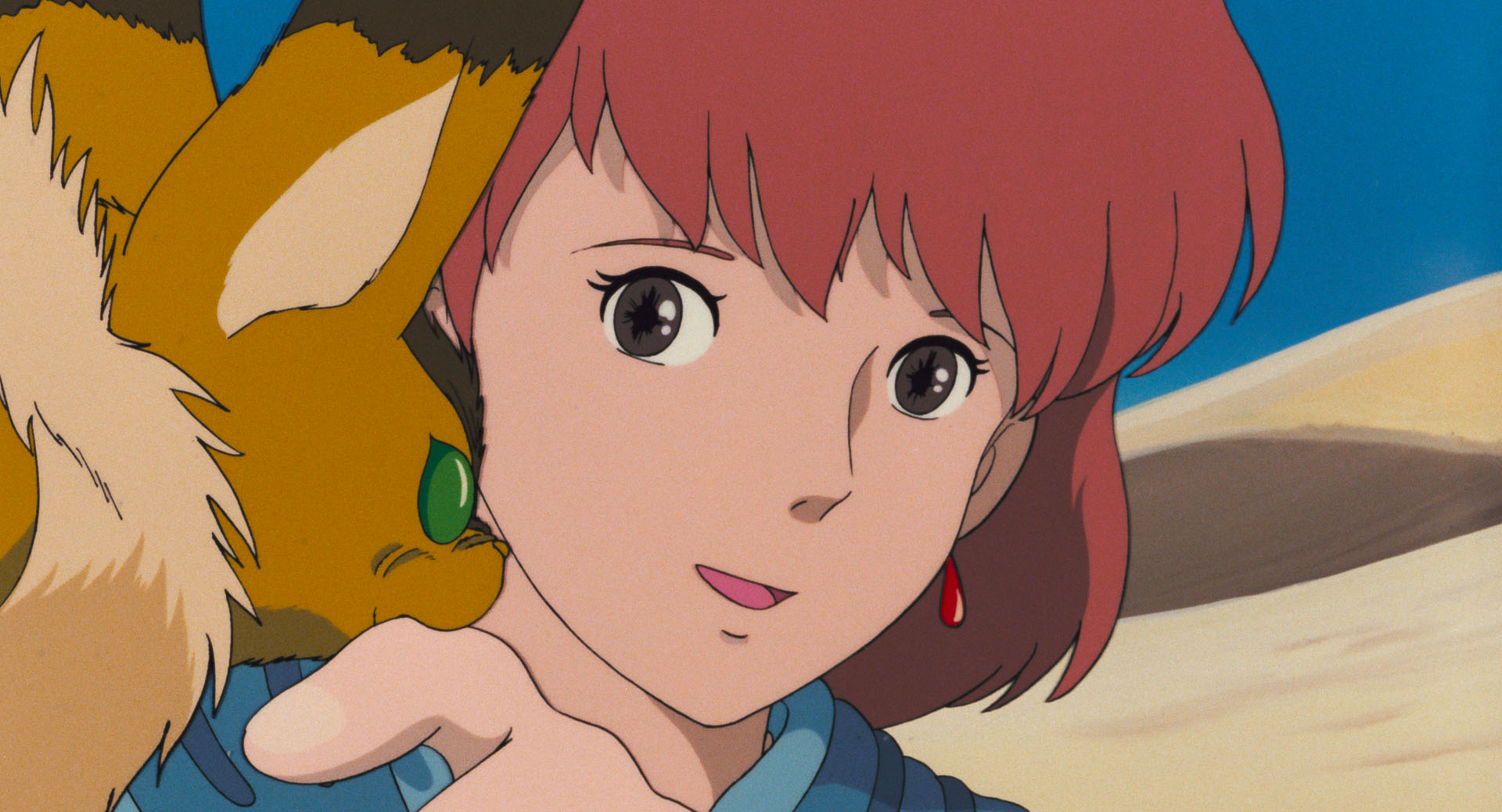
A compilation of amusing images from "bokete", a Studio Ghibli-produced film, with stories about the film! The content is so shocking!
This article introduces a collection of interesting images from "bokete," which are based on film works produced by Studio Ghibli. Ghibli is frequently used in "bokete," and there are not a few blurbs with contents so shocking that they completely change the image of the works. In the article, amusing images of works such as "Nausicaa of the Valley of the Wind," "Laputa: Castle in the Sky," and "Grave of the Fireflies" are included.
Read Article
Tags
Contents
- Outline of "Heisei Raccoon War Honpoko
- The story of "Heisei tanuki gassen honpoko" (Heisei raccoon dog battle)
- Development of Tama New Town
- Raccoons in a corner
- Operation Human Repulse was launched.
- Prohibition of the art of change
- Elder raccoon dogs from Shikoku arrive
- Operation Yokai is now underway!
- proposal by a fox spirit
- The end of the battle
- Characters in "Heisei Raccoon Battle Honpoko
- key people
- Shokichi
- Gonta
- Tama's raccoon dog (Nyctereutes procyonoides)
- Tsurukame Osho
- old woman
- Seizaemon
- common yellow loosestrife (Lysimachia clethroides)
- Ponkichi
- Bunta.
- Tamasaburo
- Sasuke.
- ladle
- Hanako
- Oh Fuku.
- Raccoon dogs in Shikoku
- Kincho VI
- Tazaburou bald raccoon dog
- Inugami Gyobu
- Koharu
- Sado raccoon dog (Nyctereutes procyonoides)
- Two Rock Danzaburo Raccoon
- Kanagawa raccoon dog
- Hayashi
- raccoon dog in Kyoto
- Kumataro (bear) (extinct)
- Other
- Ryutaro
- Dr. Mizuki.
- Narrative (narration)
- Terms of "Heisei tanuki gassen honpoko
- haunted studies
- Operation Monster
- Famous quotes, lines, scenes, and scenes from "Heisei Raccoon War Honpoko
- Shokichi: "Even in the innocent ballad, they shoot us raccoons with guns, boil us, and roast us. You know that cruel human nature is sung into the song!"
- Oroku-baba: "The mountains are our home, and we don't want them to disappear on their own. This is the wish of all living creatures."
- Bunta said, "I'm Urashima Taro after only three years. I'm supposed to be fooling humans, but isn't it the raccoon who's being fooled?"
- Ponkichi: "You hear on TV or whatever that raccoons and foxes have disappeared because of development. They say on TV or something that raccoons and foxes have disappeared because of development. Can you please stop that?"
- Backstories, trivia, and small stories/episodes/anecdotes about "Heisei Raccoon War Honpoko".
- Hidden Ghibli Characters Mixed in with the Specters
- Heisei Raccoon Battle Pompoko" and "Mimi wo Sumeba" are set in the same town.
- Theme song and insert song for "Heisei tanuki gassen honpoko
- Insert Song: Shang Shang Typhoon "In This Town in Asia" (Pon Poko Ai no Theme)
- ED (ending theme): Shang Shang Typhoon "Someone is always