
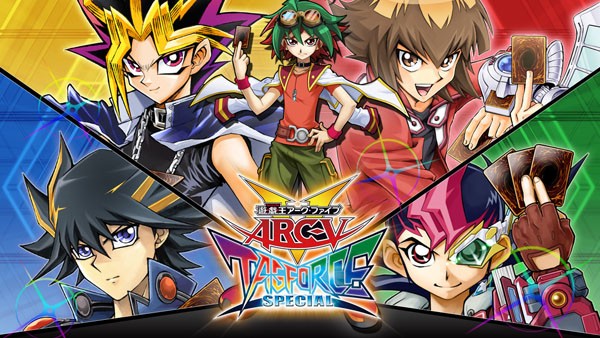
Yu-Gi-Oh Tag Force" is a card game based on the anime "Yu-Gi-Oh Duel Monsters" through "Yu-Gi-Oh Arc-5", using the "Yu-Gi-Oh Official Card Game: Duel Monsters". It was released by Konami Digital Entertainment and has been made into a series. The player becomes a Duelist, and uses other characters as partners in duels to advance the storyline.
distiny draw
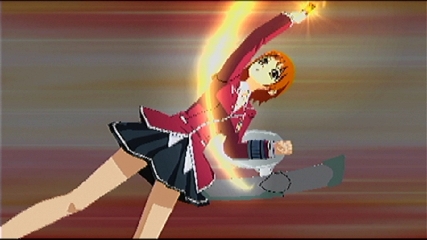
3D animation during Distiny Draw.
A system that appeared in "Tag Force 4" through "Tag Force Special" that allows the player to draw a specific card.
It can be used only once during a duel by a Duelist who is at a disadvantage because his/her life points have been greatly reduced.
During the Draw Phase at the beginning of the turn, the deck glows and a specific card can be drawn.
This specific card is called a "Destiny Card" and can be set at the time of deck construction for the player.
Distiny draws are also used by partners and opponents. Each character is designated a number of Destiny Cards.
Since there is one Destiny Draw for each ally and enemy, for example, if an ally partner makes a Destiny Draw, he (the player) will not be able to make that draw and it will be a normal draw.
During a Destiny Draw, there will be a cut-in of the character, etc.
It is also possible to disable the Destiny Draw in the in-game settings.
limit regulation
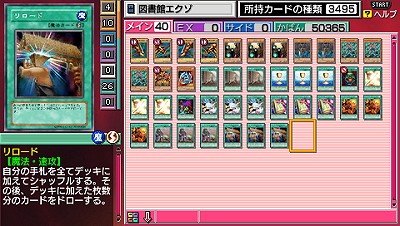
Exodia parts such as "Sealed Exodia" are restricted cards, while "Greedy Pot" is a banned card.
Normally, when building a deck, up to three cards with the same name can be included in the deck, including the main deck, extra deck, and side deck.
However, there are certain cards for which deck inclusion is restricted.
This rule is called "Limit Regulation," and there are "Banned Cards" that cannot be included in the deck, "Restricted Cards" that only one card can be included in the deck, and "Semi-Restricted Cards" that only two cards can be included in the deck.
Official Yu-Gi-Oh OCG tournaments must abide by these rules, which are updated periodically (currently four times a year).
Limit regulations are made in consideration of the game balance and the current duel environment.
Limit regulations are also imposed in "Yu-Gi-Oh Tag Force," and must be basically followed when building decks.
The limit regulations that apply to each title are usually 3 months to 1 year before the release date.
Prohibited cards are marked with a "prohibited" mark, restricted cards with a "1" mark, and semi-restricted cards with a "2" mark in the upper left corner.
In most cases, the closest limit regulation in each game is applied before the release date.
However, if the conditions in the game are met, only one banned card can be included in the deck, or the limit regulation can be eliminated.
If the limit regulation is eliminated, three banned cards can also be placed in the deck.
Some of the original cards in the game also have limit regulations.
Incidentally, your opponent may also use a deck with banned cards, and depending on the game, if you have banned cards in your deck, they may use that deck.
List of "Yu-Gi-Oh Tag Force" series
The following is an introduction to the "Yu-Gi-Oh Tag Force" series works that have been released. The series works are divided into PlayStation Portable (PSP) and PlayStation 2 versions, with the PSP version being the main one.
Most of the works are numbered "Tag Force (number)" and how many works they are.
There is a linkage function between works in the series, and by linking "UMDs" of past works, duel points and cards can be obtained as rewards. Card packs also appear.
Some characters can be linked to different versions, and their appearances can be changed in the game.
Usually, there are conditions for the appearance of different versions, such as the number of cleared games and the number of victories, but in this case, the different version of the character can be made a partner ahead of the others.
In addition, there are other characters with different versions that cannot be partnered without being linked to the game, depending on the work.
It is also possible to transfer data from "Tag Force 5" to "Tag Force 6" and from "Tag Force 6" to "Tag Force Special".
The player's name, cards owned, etc. will be transferred.
PlayStation Portable (PSP) version
Yu-Gi-Oh Duel Monsters GX Tag Force
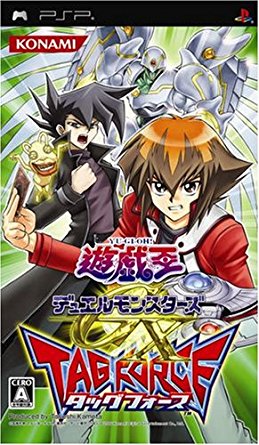
Released on September 14, 2006, this is the first title in the "Yu-Gi-Oh Tag Force" series.
It is based on the first season of the "Yu-Gi-Oh Duel Monsters GX" anime and consists of three parts, regardless of the character you partner with.
The player is a student who transfers to Duel Academia and enters a tournament held on campus. They will then fight against the "Seven Stars," a group of Duelists.
In the duel scene, the characters appear in 3D animation and are fully voiced. The same opening and BGM as in the anime are used.
The game contains 2,448 cards.
Yu-Gi-Oh Duel Monsters GX Tag Force 2
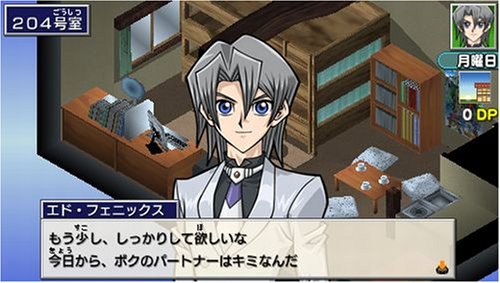
Event screen from "Yu-Gi-Oh Duel Monsters GX Tag Force 2.
This is the second title in the "Yu-Gi-Oh Tag Force" series, released on September 27, 2007.
This work is based on the second and first half of the third season of "Yu-Gi-Oh Duel Monsters GX".
Unlike the previous work, it is not divided into three parts, and the story differs depending on the character who becomes the partner (except for the original character). This method will be followed in subsequent productions.
The 3D animation and voices in the duel scenes remain the same, but the OP and BGM have been changed to the game's original ones.
The game contains 2,889 cards. There is a mini-game, and a card pack is awarded for a high score.
Yu-Gi-Oh Duel Monsters GX Tag Team Force 3
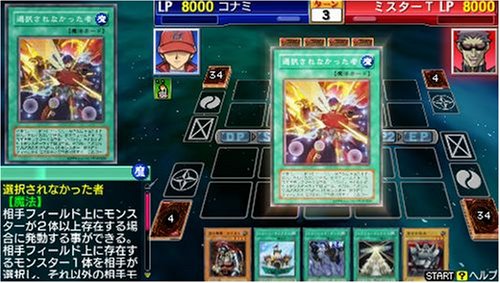
Duel screen from "Yu-Gi-Oh Duel Monsters GX Tag Force 3.
This is the third title in the "Yu-Gi-Oh Tag Force" series, released on November 27, 2008.
This work is based on the fourth season of "Yu-Gi-Oh Duel Monsters GX" and is the final work in the "Yu-Gi-Oh Duel Monsters GX" series.
The number of hearts, which represent a character's level of trust (liking) toward the player, was changed from eight to four.
The rules applied in the game were changed from Expert Rules to Master Rules, and Synchro Monsters made their first appearance.
The number of cards included in the game is 3501.
Yu-Gi-Oh Five Deeds Tag Team Force 4
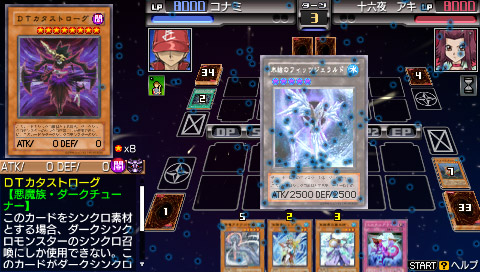
Duel screen from "Yu-Gi-Oh Five Deeds Tag Force 4.
Released on September 17, 2009, this is the fourth title in the "Yu-Gi-Oh Tag Force" series.
In this title, the setting shifts to the "Yu-Gi-Oh Five Deeds" anime series, and the player appears as a resident of Neo Dojitsu City.
The storyline takes place in the "Dark Signer Arc," leading up to the battle with Ludgar Godwin.
In addition to character trust, moods will appear for the first time. It can be raised through items and mini-game style "conversations".
There are over 4,603 cards included in the game. Synchronized monsters make a full-fledged appearance. In addition, the game's original "Dark Synchro Monster" makes its first appearance.
Yu-Gi-Oh Five Deeds Tag Team Force 5
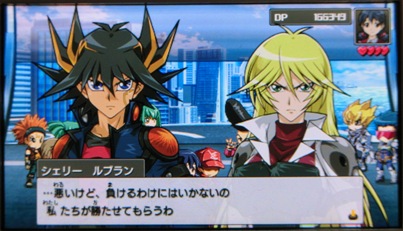
Event screen from "Yu-Gi-Oh Five Deeds Tag Force 5.
Released on September 16, 2010, this is the fifth title in the "Yu-Gi-Oh Tag Force" series.
In this work, the story of "World Tag Team Grand Prix (WTGP)", which precedes the "World Riding Duel Grand Prix (WRGP)" of the "Yu-Gi-Oh Five Deeds" anime, is progressed.
The Duel Jizo, which allows players to obtain cards they want by using duplicate cards as points, made its first appearance. It also appears in subsequent titles.
There are 4727 cards in the game.

Related Articles
Yu-Gi-Oh VRAINS Spoiler Commentary and Discussion Summary
Yu-Gi-Oh VRAINS" is a TV anime based on the trading card game "Yu-Gi-Oh Official Card Game Duel Monsters". The story centers on the battles of the main character, Yusaku Fujiki, which take place in the VR space "LINK VRAINS".
Read Article
Yu-Gi-Oh 5D's (Five Deeds) Spoiler Commentary and Discussion Summary
Yu-Gi-Oh 5D's is an anime work that aired on TV Tokyo from April 2, 2008 to March 30, 2011. This work is also a commemorative work for the 40th anniversary of Weekly Shonen Jump and the 15th anniversary of V Jump. It depicts "kizuna" (bonds) centering on the main character "Fudo Yusei.
Read Article
Yu-Gi-Oh! (Toei version, the first Yu-Gi-Oh!) spoiler commentary and discussion
Yu-Gi-Oh!" is the first anime adaptation of Kazuki Takahashi's manga "Yu-Gi-Oh! The story was drawn from the "School Arc" to the "RPG Arc" in the original work. Unlike the series that was later broadcast from 2000, the story is not centered on a card game, but rather a dark heroic story centered on the "game of darkness" that was depicted in the early stages of the original work.
Read Article
Yu-Gi-Oh ZEXAL Spoiler Commentary and Discussion Summary
Yu-Gi-Oh! ZEXAL" is the fourth TV anime and manga series of the "Yu-Gi-Oh! Duelist Yuuma Kujukyuu, who believes in the spirit of "kattobing," the spirit of continual challenge, one day encounters Astral, a life form from another world. Yuuma sets out to collect the 99 scattered Numbers Cards. The graphics have evolved from the previous title, and the new protagonist, who is full of energy, is an attractive feature of this work.
Read Article
Yu-Gi-Oh Go Rush! (Anime and Manga) Spoiler Commentary and Discussion Summary
Yu-Gi-Oh Go Rush! is an anime that has been broadcast since 2022. Following its predecessor "Yu-Gi-Oh SEVENS," this work is based on the theme of "Rush Duel," in which players use all the cards in their hands each turn, allowing for speedier and more strategic duels. The main character is an alien, Eudyas Belgiah, and the story is a fusion of everyday life and science fiction elements. The film is notable for its new attempt to depict the interaction between Earth and outer space through "Rush Duel.
Read Article
Yu-Gi-Oh Duel Monsters 8: The Great Evil God of Doom (game) spoiler commentary and discussion.
Yu-Gi-Oh Duel Monsters 8: The Great Evil God of Doom" is the eighth game based on "Yu-Gi-Oh Official Card Game: Duel Monsters", released by Konami for the Game Boy Advance. It is a completely original story that takes place after the Battle City version of the original "Yu-Gi-Oh! The rules are different from those of the OCG (Official Card Game), making it an extremely challenging game.
Read Article
A thorough explanation and discussion of Norse mythology! Interesting and easy to understand!
Norse mythology is a mythological system that was believed by the Norse people before the spread of Christianity. It is also called Scandinavian mythology because the Norse had the Scandinavian Peninsula as their sphere of influence. The myths were passed down orally, but around the 13th century, the Icelandic poet Snorri Sturluson compiled them into a book titled Edda. The story depicts the rise and fall of gods whose "doom of destruction" has been decreed, and many of the episodes have a dark overall impression. The story as a whole is highly accomplished, and it is often used as a subject in modern creative works such as comic books.
Read Article
A compilation of famous quotes, lines/scenes, and scenes from Yu-Gi-Oh!
Yu-Gi-Oh!" is a manga work written by Kazuki Takahashi. The appeal of this work is that Yugi Muto, a weak and bullied child, battles against enemies in various games by replacing his dark personality that resides in a millennium puzzle, an artifact excavated in ancient Egypt. In addition to the millennium puzzle, other millennium items with a variety of abilities appear in the game, and fierce battles unfold with their owners. The card game "M&W (Magic and Wizards)," which appeared in this work, was later commercialized as "Yu-Gi-Oh Duel Monsters OCG" and gained explosive popularity around the world.
Read Article
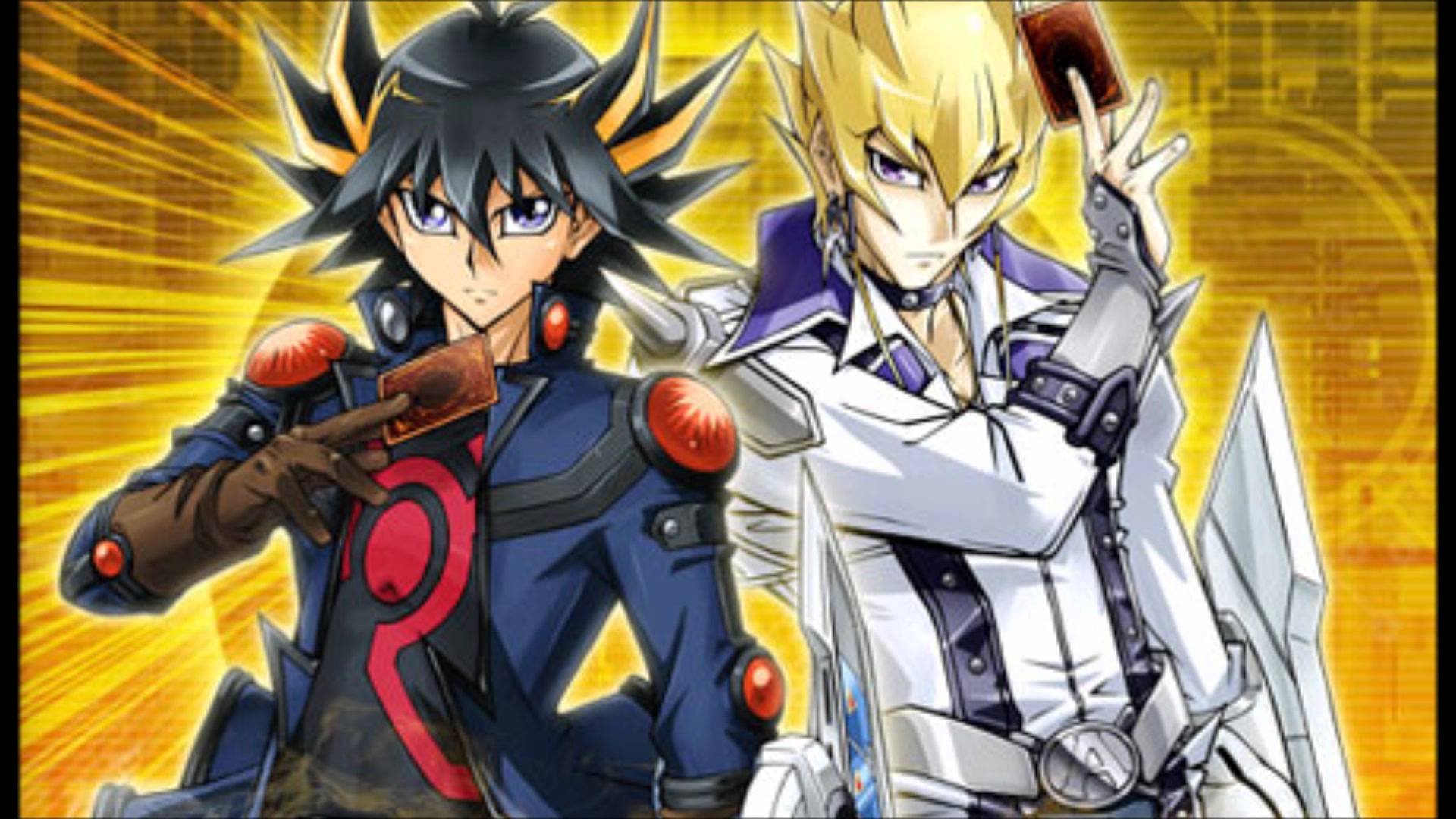
A Gyaru-Gei that can play card games! Yu-Gi-Oh TF" series
There have been a series of Yu-Gi-Oh games since the GB days, but this Tag Team Force is different! We would like to introduce the Tag Force series, in which a wide variety of original characters, including those from the anime, are captured like in a love game.
Read Article
Why Yu-Gi-Oh games are now called "extra cards"
There is a term for Yu-Gi-Oh games: "extra cards". This is due to the fact that the Yu-Gi-Oh games that were once released were ridiculously good.
Read Article
The "Yu-Gi-Oh!" school version, a manga that underwent a tremendous change of course, and its transition.
Oh, that card game...you would recognize it now, but in the early days it was different.
Read Article
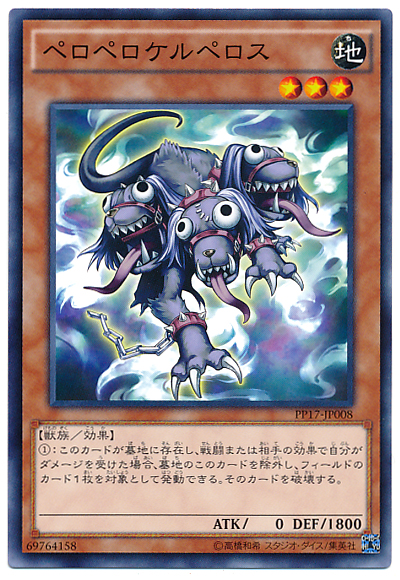
Warning! The King of Games: Horror! Grotesque, terrifying and disgusting card illustrations!
When it comes to Yu-Gi-Oh illustrations, you can't take your eyes off the cool cards as well as the cute ones. But some of the minor cards that exist within those illustrations are extremely creepy. Naturally, it's something that can't be helped due to the theme, but it's already at a level that's way out of the norm! This time, we have compiled a list of such grotesque cards of Yu-Gi-Oh!
Read Article
![Card Counterfeiting] Summary of Outrageous Acts by Overseas Yu-Gi-Oh! Card Sales Company "UpperDeck" [History of Video Game Incidents](https://renote.net/files/blobs/proxy/eyJfcmFpbHMiOnsiZGF0YSI6Mzg0OTMsInB1ciI6ImJsb2JfaWQifX0=--f75b1e3e1c9182a17e11e5c85e0d258d04e56ed2/mana-bleak52.jpg)
Card Counterfeiting] Summary of Outrageous Acts by Overseas Yu-Gi-Oh! Card Sales Company "UpperDeck" [History of Video Game Incidents
This is a summary of the outrages of UpperDeck, a company that sold Yu-Gi-Oh! cards in North America. The impact of the "card counterfeiting" incident, which can be called the dark side of Yu-Gi-Oh!
Read Article
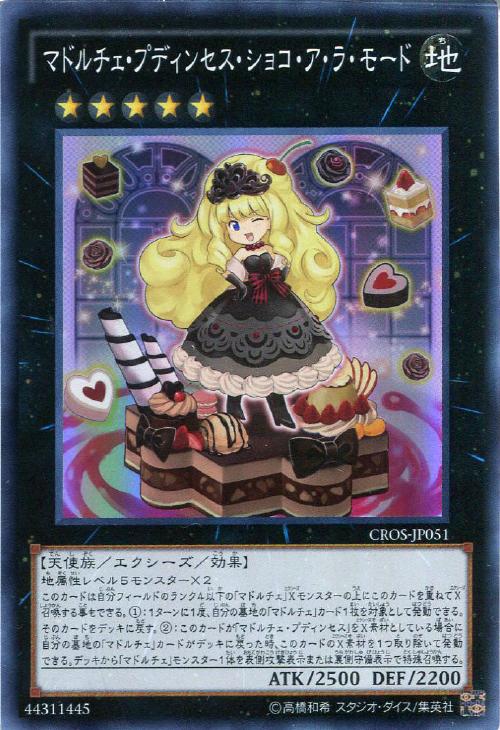
Just looking at it makes me want one!!! Cute and strong! Moe theme deck compilation!
The legendary card game that represents Japan is without a doubt "Yu-Gi-Oh! Most of the players are, of course, male, and compared to the moe trend of recent years, it is true that all the cards are cool, like dragons and knights. However, this has not been the case in recent years! Recently, many moe theme decks have been unleashed without going against the moe trend of Japanese anime and manga, and we have compiled a list of them here.
Read Article
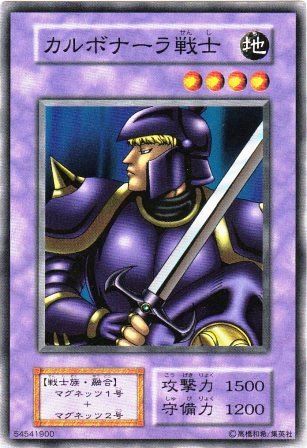
The early fusion monsters of Yu-Gi-Oh!
Yu-Gi-Oh! is one of Japan's most popular trading card games. The rules, card usage, and notation have not changed much over the decades of its history, which is truly legendary. While the latest cards and tactics have appeared, however, do you remember that the early fusion monsters were incomprehensible - in other words, "unintelligible cards"? In this issue, we have compiled a list of such unintelligible fusion monsters.
Read Article
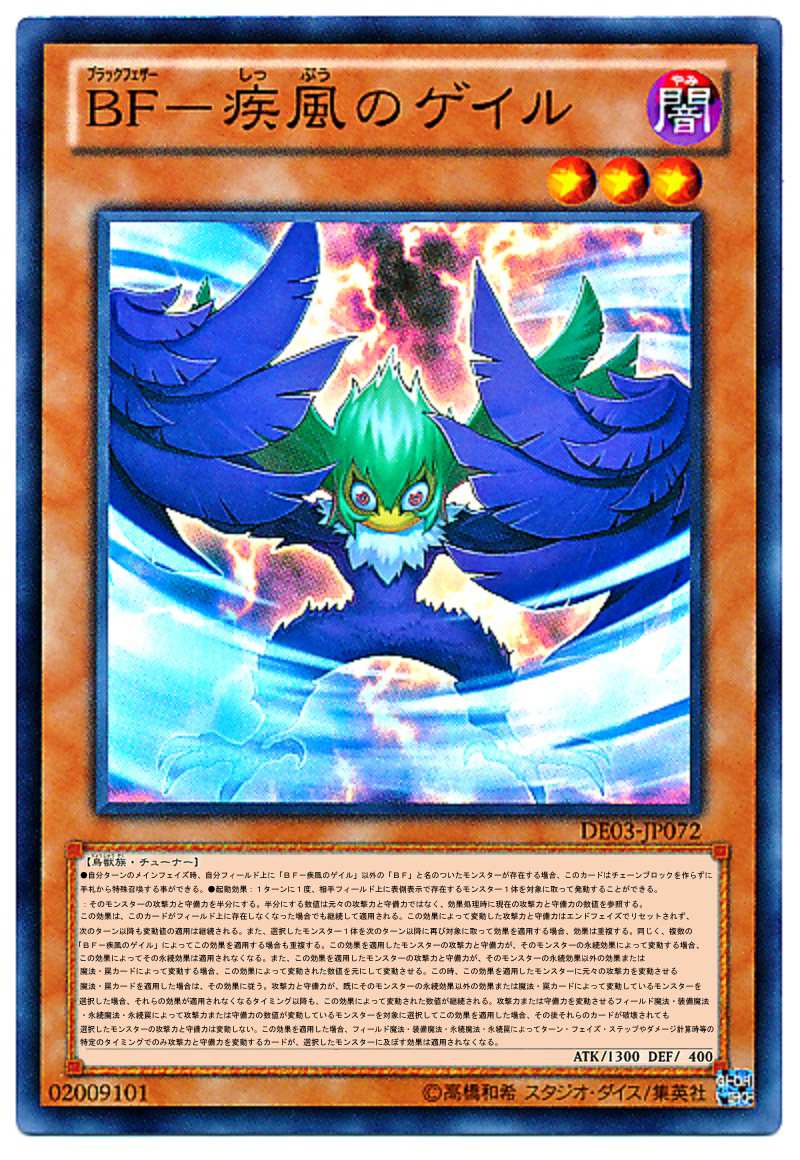
Summary of cards with "Yu-Gi-Oh!" text so long AND so minuscule that you need a magnifying glass.
So absolute is the text of Yu-Gi-Oh! However, there are many cards that have become so long-winded that it is difficult to read them before understanding them, due to the detail in which every word is written. What is worse is the small size of the text (laugh). It is difficult (ugly) to read anyway, as if the text is killing people with presbyopia and farsightedness. Can you read and understand them?
Read Article
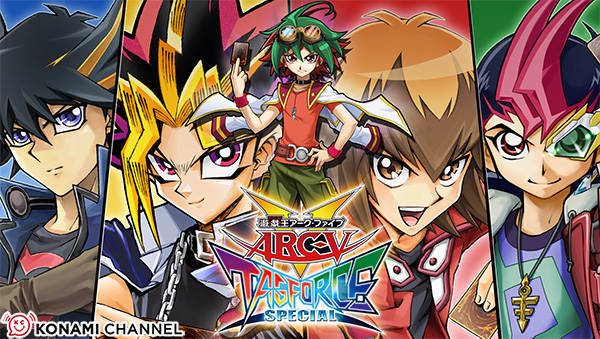
Common characteristics of the protagonists of the Yu-Gi-Oh!
The Yu-Gi-Oh Duel Monsters anime series has aired 777 times since the first broadcast of Yu-Gi-Oh Duel Monsters last year with the current broadcast of Arc-5, and the first feature film will be released this year. Here is a summary of the commonalities among the successive protagonists.
Read Article
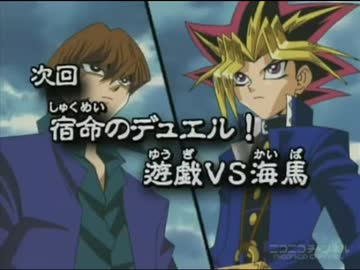
Laughter is inevitable! The "Yu-Gi-Oh-Un" Duel is a "say what you do, say what you say" rule.
This article is a summary of the governing rules of the Kingdoms of Yu-Gi-Oh! Nowadays, the effects written on the cards are used well to cause various dramas. However, at the time when Yu-Gi-Oh! was just starting to boom, the effects of the cards were not clear, and it was not uncommon to win by "application" of the "I-rule" (laugh).
Read Article
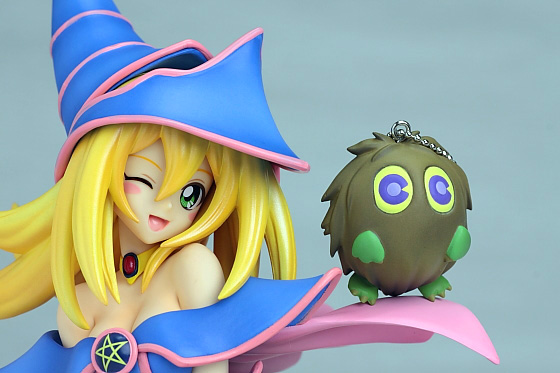
The ultimate heroine of the King of Games! Black Magician Girl" Cute Cards and Merchandise
The heroine of "Yu-Gi-Oh!" is naturally the "Black Magician Girl. Her cuteness is such that not only games and cards, but also various goods are produced and sold. If you take a closer look, you will find that they are all insanely cute, yet extremely expensive, in various ways. This time, we have compiled a list of such cute cards and goods related to Bramajigirl.
Read Article
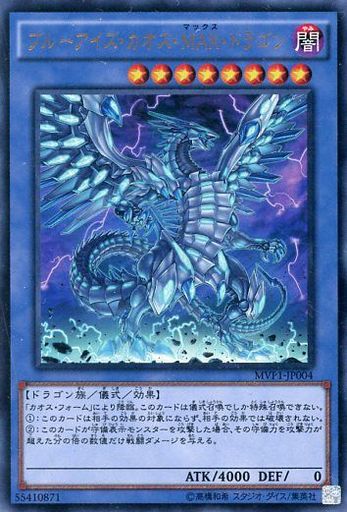
The 20th anniversary of Yu-Gi-Oh finally collapses! The Blue-Eyed White Dragon-related cards are starting to destroy even the game system.
With Yu-Gi-Oh! celebrating its 20th anniversary, 2016 is the year that our KONAMI-sama is putting so much effort into the OCG. A movie was released, the long-awaited "Black Magician" and "Magician Girl" were enhanced, and the supplement cards in V Jump were gorgeous. The one that stood out the most amidst all of this was the strengthening and strengthening of Blue Eyes, the "Blue-Eyed White Dragon"! Here is a summary of the whole story.
Read Article
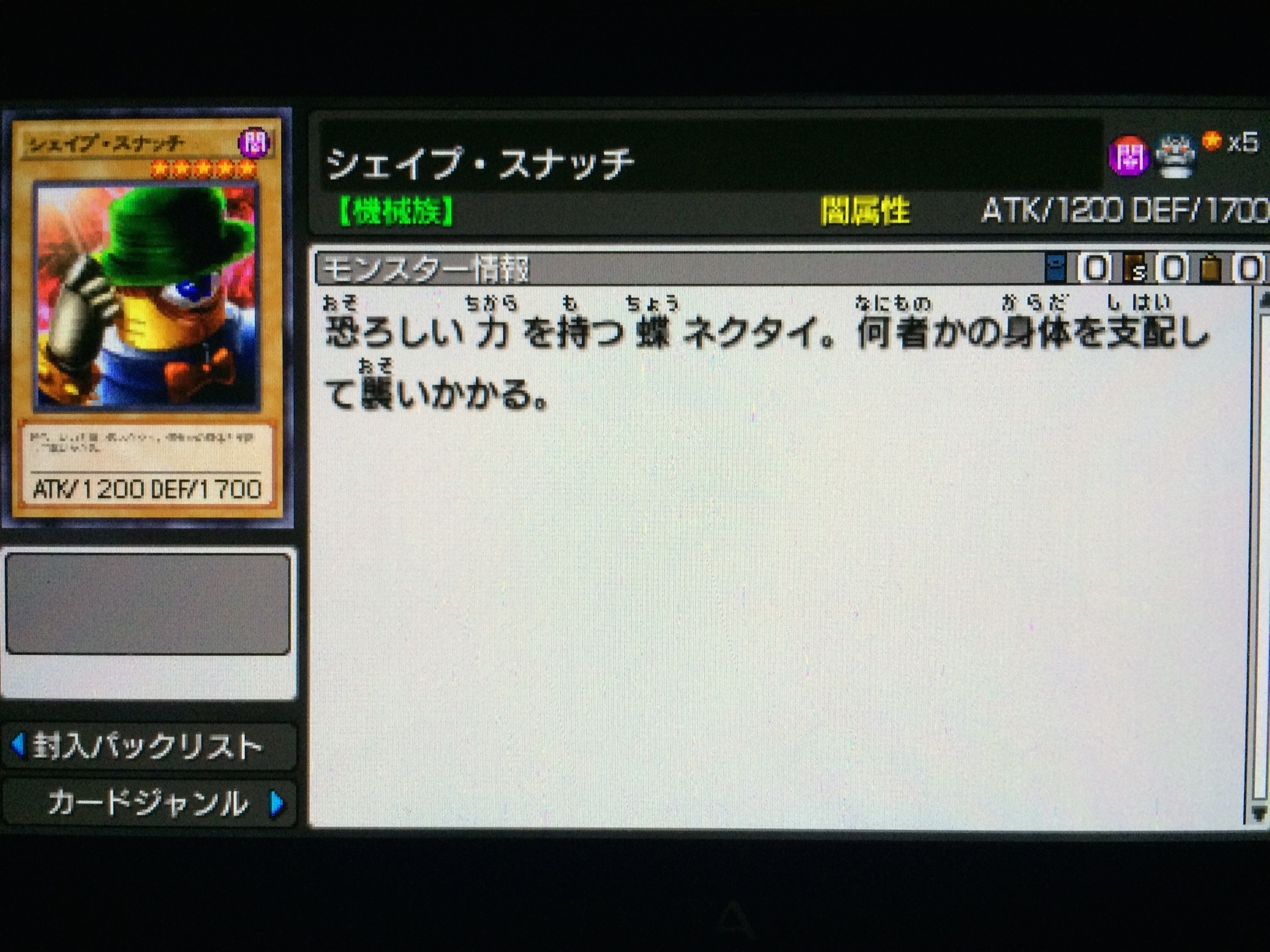
Interesting text on "Yu-Gi-Oh!" regular monsters
The legendary card game Yu-Gi-Oh! Drawing specific cards from the deck, special summoning monsters, and cards that have powerful effects by excluding cards in the graveyard are becoming more and more strategic. However, what everyone tends to forget is the "Normal Monster" card and its completely meaningless text. There is no powerful effect, but there is a hidden fun in it.
Read Article
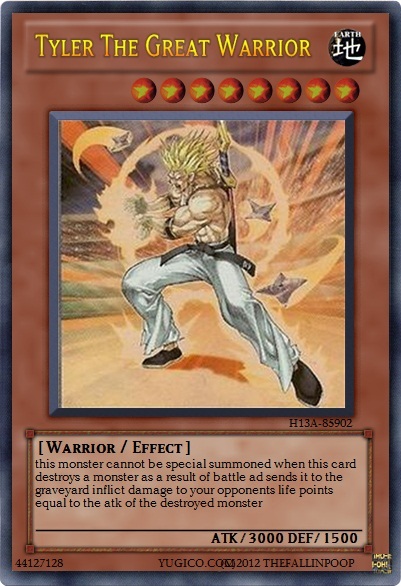
The cards are based on real people.
I want to make a card of myself. Have you ever thought that while playing Yu-Gi-Oh! In fact, there are several cards in the Yu-Gi-Oh! cards that are based on real people.
Read Article
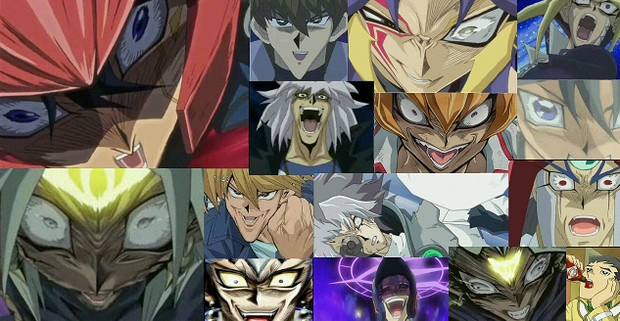
The face of Yu-Gi-Oh! Yu-Gi-Oh's Facial Art
The legendary card game "Yu-Gi-Oh," the anime has been broadcast since 1998, and "Yu-Gi-Oh ARC-V" is still airing to rave reviews as of 2015. However, in the anime, the characters' faces have been turned into ridiculous expressions in an attempt to express their extreme emotions. In this article, we have compiled a list of some of the funniest faces in Yu-Gi-Oh, which are also known as facial expressions.
Read Article
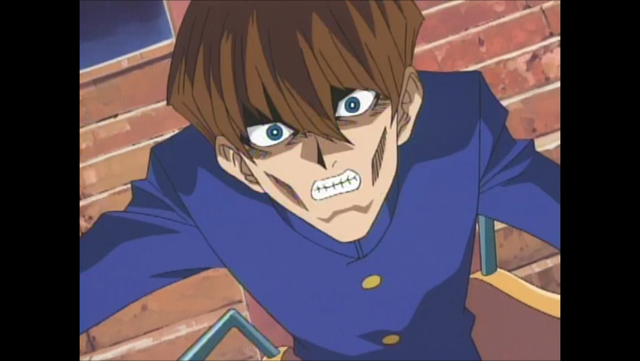
Yu-Gi-Oh! Haima Seto's joy, anger, sadness, and twelve faces! A collection of glimpses of Kaiba's facial expressions in every scene.
One of the most fascinating symbols in "Yu-Gi-Oh!" is our own Seto-sama, Sejin Kaiba. He is a legendary character who, along with Blue Eyes, lives a life opposite to that of Yugi, Jounouchi and the others. He is very popular, and in the anime he shows his emotions in various scenes, but they are also very interesting and tasteful. In this article, we have compiled a list of such faces of Sejin Kaiba.
Read Article
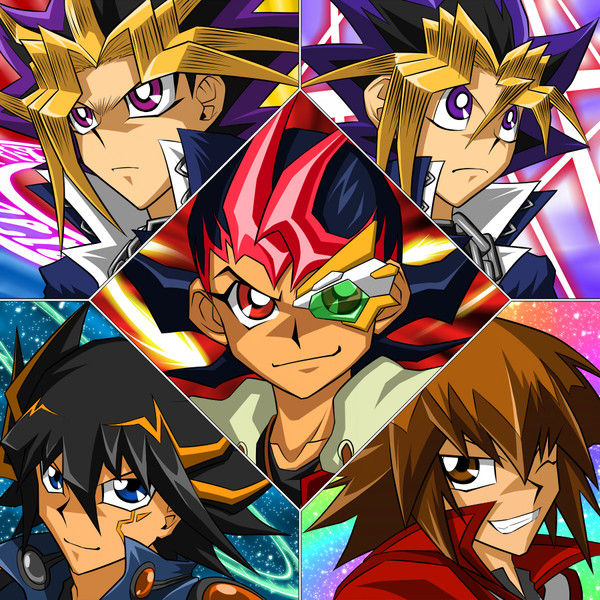
A compilation of cute female characters on Yu-Gi-Oh! cards
Yu-Gi-Oh, the divine card game. Basically, there are a lot of cool or "Oh!" and there are many characters that make you want to groan. In the midst of all this, I've picked out some cute female characters from the card illustrations and compiled a list of them. Since Yu-Gi-Oh cards are not only for duels, but also firmly become wallpaper or one of interior decorations, you might want to take this opportunity to collect them.
Read Article
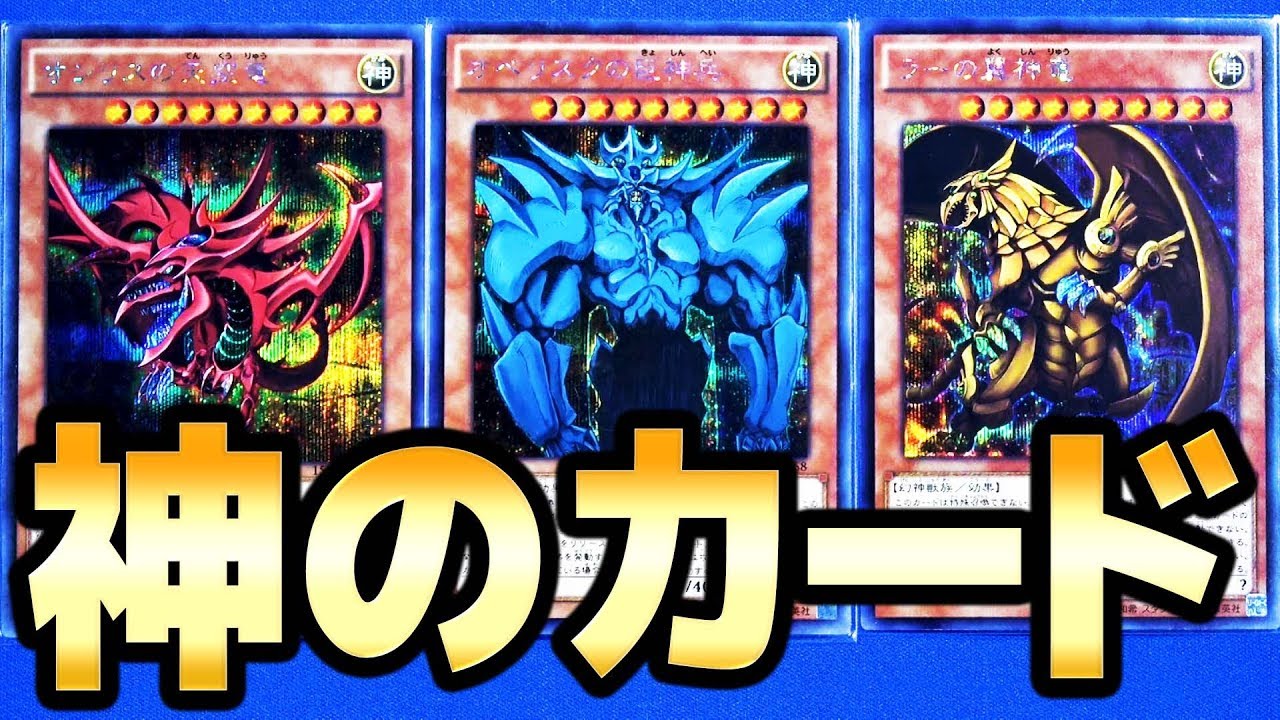
A compilation of cards of legendary deities from "Yu-Gi-Oh!" Three Phantom Gods, Three Evil Gods, God of Time, etc.
Yu-Gi-Oh!" is famous for the various derivative manga and anime series that have been produced. In the works, the story is mainly based on a card game, and these cards have appeared in our real world and can actually be played! This article focuses on what are called "legendary God cards" among them. The names and visuals are so cool, you'll want to collect them all!
Read Article
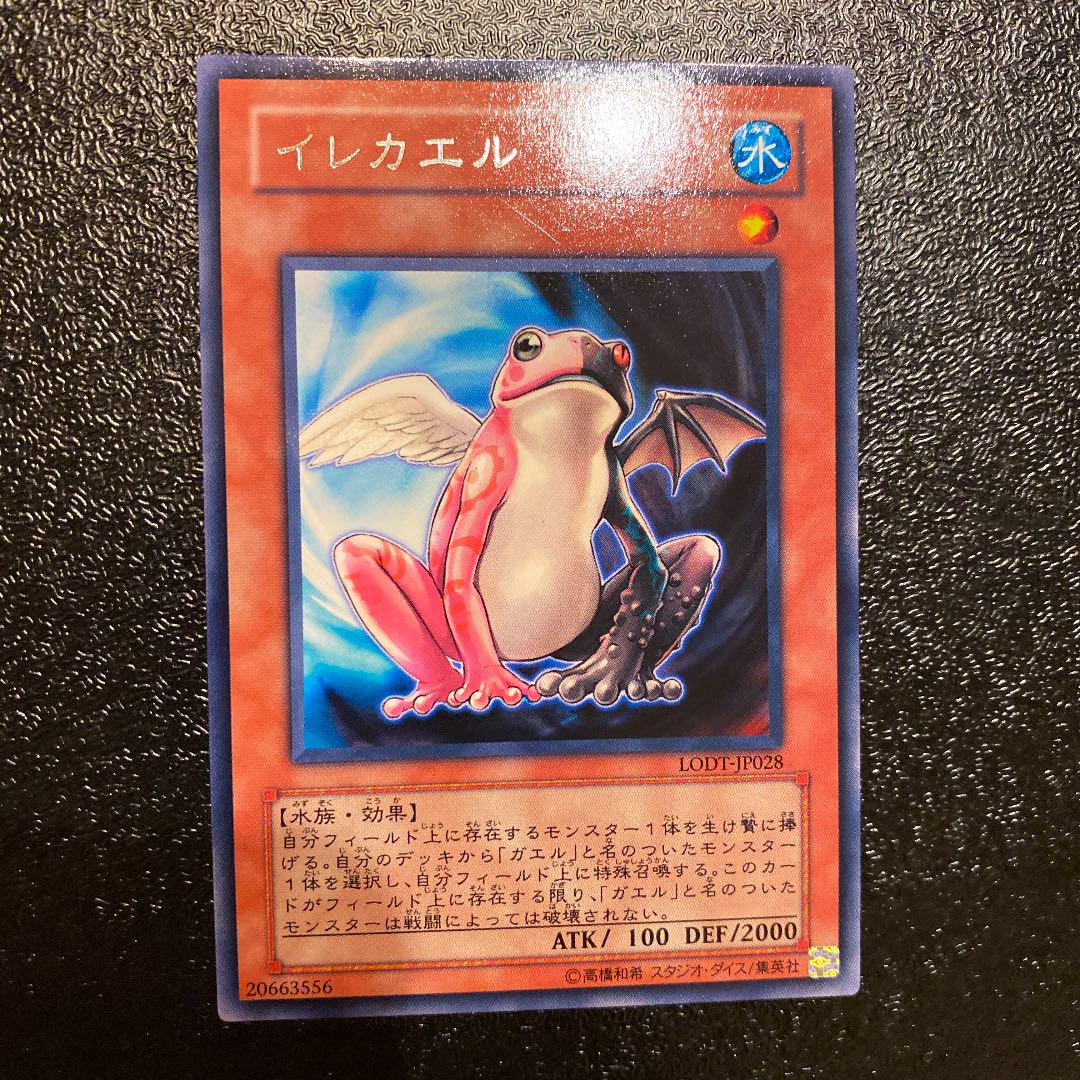
The game balance will be destroyed by the broken cards.
Here we introduce cards from the trading card game "Yu-Gi-Oh!" based on Kazuki Takahashi's manga "Yu-Gi-Oh!" that have broken the game balance. Many of them have been designated as banned cards in tournaments.
Read Article
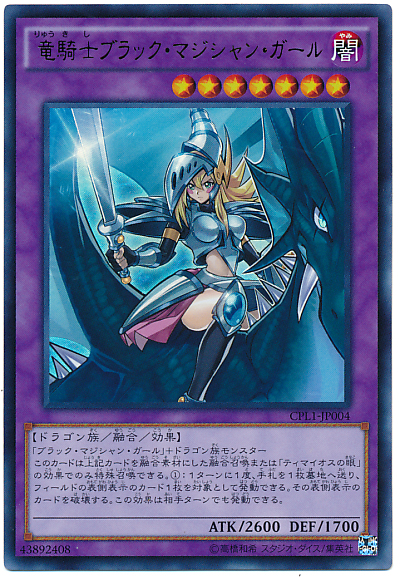
The past and present of cards used by Yugi, Kaiba, Jounouchi and others.
Yu-Gi-Oh Duel Monsters is a legendary card game that has been a pride of Japan since 1996. The game has boomed many times since its inception, and its popularity has not faded even now in 2016, its 20th anniversary. In fact, the game's success has been remarkable, with overseas versions being released and the PSP version of Yu-Gi-Oh TF-SP remaining in first place for almost a year. In this issue, we summarize one such evolution, how much stronger the cards used in the past have become.
Read Article

Summary of changes in the cover of Weekly Shonen Jump from the past to the present
Weekly Shonen Jump" has a long history. Jump" started serialization in 1968 as "Shonen Jump" and was very famous as a representative of hot-blooded or white-hot manga that gave dreams to boys and girls. However, now that about 50 years have passed, the manga, its contents, and its treatment of the genre have changed drastically with the times. In this article, we focus on "JUMP covers" and summarize their transition and changes.
Read Article
The text makes it difficult! A summary of the arcane rules of "Yu-Gi-Oh!" (1)
The legendary card game "Yu-Gi-Oh! However, some players have quit the game because of the difficulty of the rules. In this article, we will summarize the detailed and difficult rules of "King of Games" with explanations and examples. Follow the rules and have fun!
Read Article
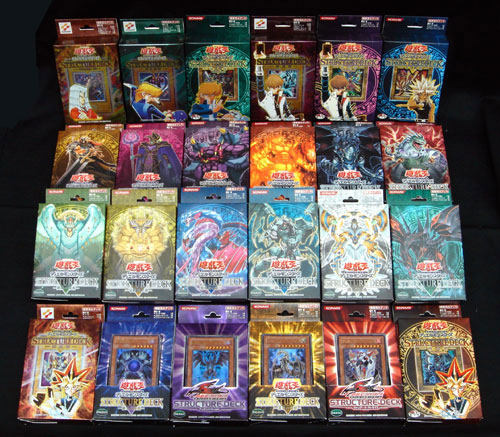
The latest Structured Deck is too gorgeous.
One of Japan's most legendary card games is Yu-Gi-Oh! However, in the past few years, various cards have been introduced and the rules have become more complicated, making it expensive and tedious to collect and play. However, the Structure Decks that have been released in the past few years contain many of the best cards in the game, and at a low price of around 1,200 yen, they are an affordable way to start out with a strong deck.
Read Article
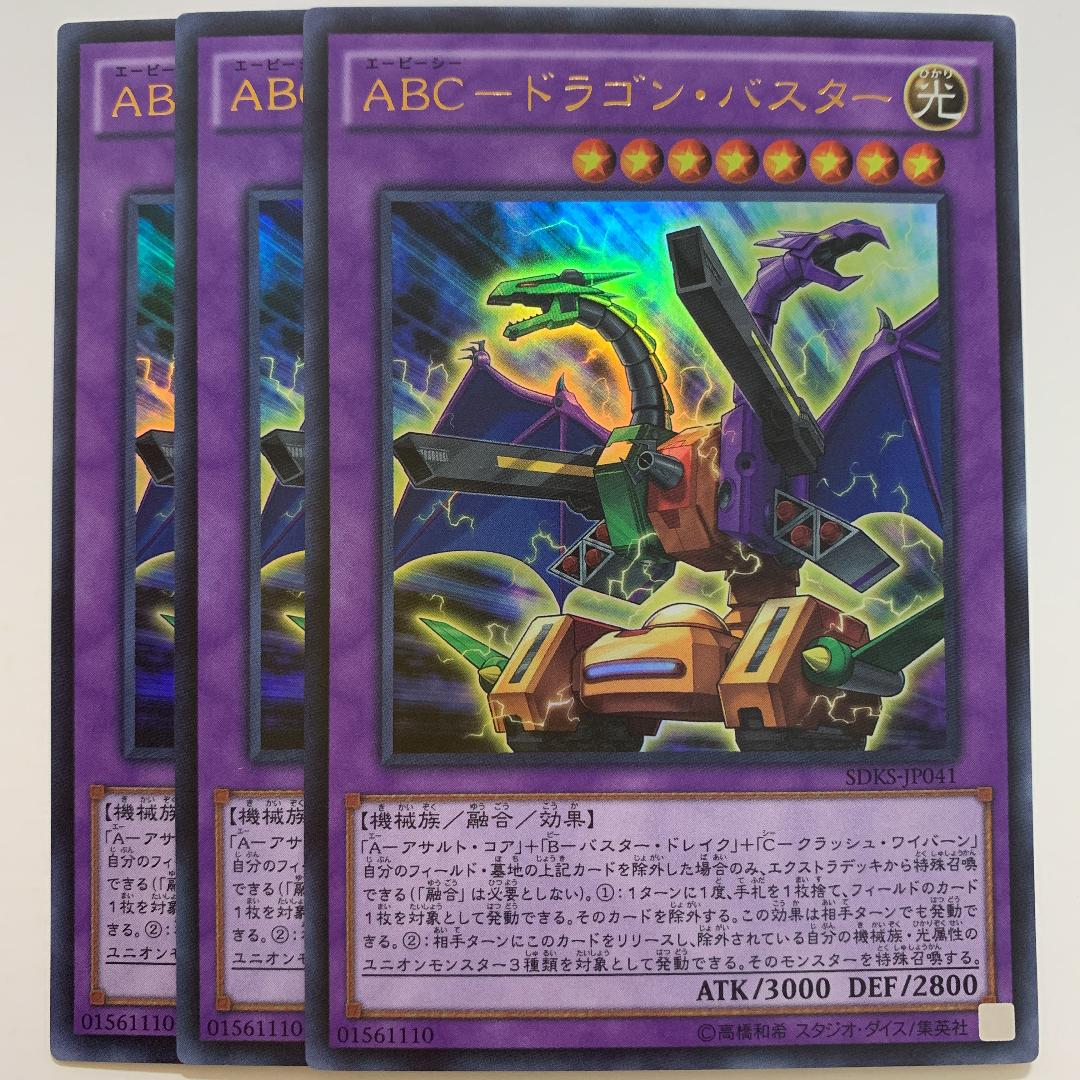
Summary of the best and mid-tier decks of Yu-Gi-Oh! [A must for returning players and beginners!
This article summarizes the strongest and mid-tier decks that work well in the "Yu-Gi-Oh!" environment. In addition to strength, it is also important to choose a deck based on how fun it is to play. We hope you will use many decks and find the one that suits you best.
Read Article
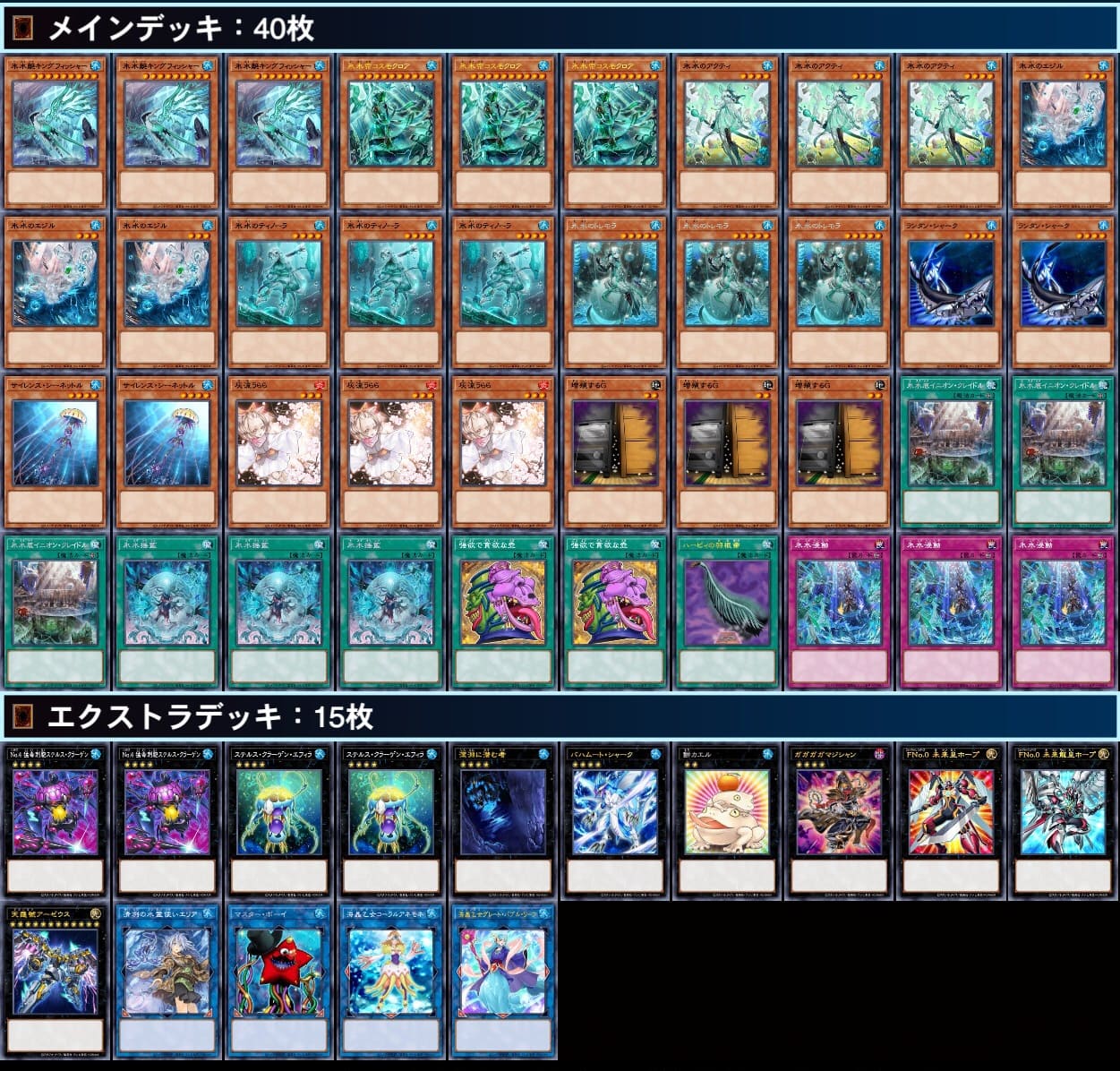
[Strongest Card in the Environment] Yu-Gi-Oh's World Championship Winning Deck Summary [from 2003 to 2019!
The environment of the "Yu-Gi-Oh!" card game is constantly changing, and different themed decks are active in the World Championships every year. Here we have compiled a list of winning decks from the World Tournament from 2003 to 2019. It is interesting to consider the trends of the year based on the winning decks.
Read Article
The text makes it difficult! Summary of arcane rules of "Yu-Gi-Oh!" (2)
This time we will look at more complicated and difficult rules than last time. Here we will introduce "Spell Speed," "Missed Timing," "Revival Restrictions," and more. Follow the rules and have fun dueling!"
Read Article
![Yu-Gi-Oh!] Some of the rarest of the rarest! Summary of High-Priced Cards](https://renote.net/files/blobs/proxy/eyJfcmFpbHMiOnsiZGF0YSI6NjczNTY3NSwicHVyIjoiYmxvYl9pZCJ9fQ==--a6e8b8158b2f810091ce085a9527a4f7a9dbf305/6172c4c7-7d6e-4b2d-836a-b96dbdfca2e8.jpg)
Yu-Gi-Oh!] Some of the rarest of the rarest! Summary of High-Priced Cards
Yu-Gi-Oh!" is known to have many fans around the world. Some of the cards are extremely rare and some of them are priced close to 1 billion yen. They are not something that the average person can afford. In this article, we have compiled a list of such extremely rare Yu-Gi-Oh! There may be some great treasure cards in your possession, too!
Read Article

Urban legends and trivia about Yu-Gi-Oh!
The "other Yugi" appears from a "millennium puzzle" in the hands of a timid boy, Yugi Muto, and uses various dark games to punish those who do evil. The card game that appeared in "Yu-Gi-Oh," which started with such a concept, became a huge hit and triggered an unprecedented boom. Here is a collection of urban legends and trivia about Yu-Gi-Oh!
Read Article
Contents
- Outline of "Yu-Gi-Oh Tag Force
- Flow of "Yu-Gi-Oh Tag Force
- Game System of "Yu-Gi-Oh Tag Force
- tag-duel
- tag team partner
- Tag Team Duel Rules
- story mode
- Hours.
- How to Increase Confidence
- how to put a person in a good mood
- compatibility
- free duel
- Duel Points (DP)
- card
- How to obtain the card
- deck (e.g. ship, tape, cassette, observation deck, etc.)
- Partner Deck
- duel tournament
- duel mission
- communication mode
- Characters in "Yu-Gi-Oh Tag Force
- The main character in the anime
- Yugi Muto / Yami Yugi
- Yuuki Jyudai
- Fudo planetary
- Tsukumo Yuma
- Yuya Sakaki
- Major characters in the anime
- Seto Kaiba
- Katsuya Jounouchi
- Jun Manjome
- Ryo Marufuji
- Ed Phoenix.
- Jack Atlas.
- Crowe Hogan
- Kyosuke Oniyanagi
- Ryoga Kamishiro
- Kite Tenjo
- Noboru Gongenzaka
- Heroine character in the anime
- Mai Peacock
- Tenjoin Asuka
- Aki Ichiyori
- Kotori Mizuki
- Hiiragi Yuzu
- enemy character
- Shadow Maru
- Takuma Saio
- Rudger Godwin
- Lex Godwin
- zone
- Original male characters in the game
- Neo Monoma
- Yasuhiko Tanaka
- Hideyuki Takahashi
- Seiichiro Yoshimitsu / Shunsuke Yoshimitsu
- Takuya Mitagawa
- KENYoU / KENYoU SATO
- Shuji Kubota
- Akihiro Yamane
- Warrior Teshima
- Game original female characters
- Reika Hara
- Yukino Fujiwara
- Naomi Ohba
- Jackal Misaki
- Yuma Miyata
- Tsang Dire
- Aoba, Aoiba, Aoiba, Aoiba, Aoiba, Aoiba, Aoiba, Aoiba, Aoiba, Aoiba
- Uria Ono/Uria Yasuda
- Ayumi Sera
- Yuki Kato
- Nobuko Narita
- Items appearing in "Yu-Gi-Oh Tag Force
- draw pin
- Gift Items
- duel
- tastes
- daily necessities
- foodstuff
- figure
- Terms of "Yu-Gi-Oh Tag Force
- Duelist Level
- distiny draw
- limit regulation
- List of "Yu-Gi-Oh Tag Force" series
- PlayStation Portable (PSP) version
- Yu-Gi-Oh Duel Monsters GX Tag Force
- Yu-Gi-Oh Duel Monsters GX Tag Force 2
- Yu-Gi-Oh Duel Monsters GX Tag Team Force 3
- Yu-Gi-Oh Five Deeds Tag Team Force 4
- Yu-Gi-Oh Five Deeds Tag Team Force 5
- Yu-Gi-Oh Five Deeds Tag Team Force 6
- Yu-Gi-Oh! Arc-5 Tag Team Force Special
- PlayStation2 (PS2) version
- Yu-Gi-Oh Duel Monsters GX Tag Team Force Evolution
- Backstories, trivia, and small stories/episodes/anecdotes about "Yu-Gi-Oh Tag Force".
- Player = Mr. Konami.
- Duel without Riding
- Real "I picked up the cards."
- Cards that do not appear in the "Yu-Gi-Oh Tag Force" series at all.
- Parodied deck names
- Goegoe Road Bakuten Tenpaku Tenpaku
- "Six Gates + Yaliza's Ambition."
- 'Sortie! Adramelech Purgatory"
- "So hot."
- "September 13th Night in the Camp"
- Production staff as duelists?