
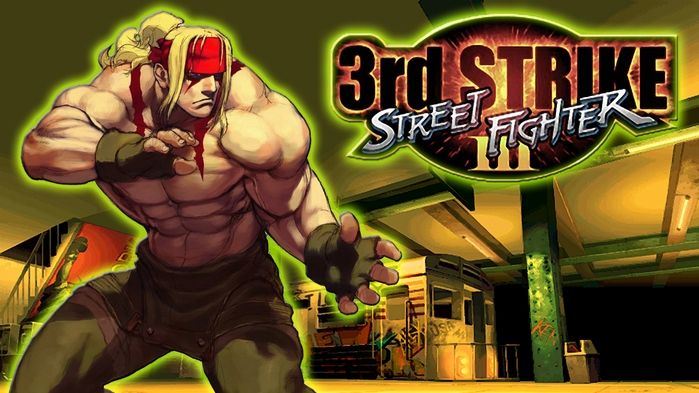
Street Fighter III" is an arcade game series developed and marketed by Capcom and its port, the fourth in the Street Fighter series.
Set 10 years after "Street Fighter II," the game is played by winning CPU matches or competing against other players.
Three games were released in the series in total, and the final game, "Street Fighter III 3rd Strike -Fight for the Future-," became a long-played classic.
CV: Atsuko Tanaka
A leading female character in fighting games who made her strong debut in "Street Fighter II". She is an Interpol detective and a martial artist who wields the Assassin's Fist. She has been eagerly awaited since the release of the first game, and was the first character to be introduced in the third game, making her a signature character in the series.
He is the first of the three strongest characters in the series.
He is the first of the three strongest characters in the game, and with his strong judging and numerous hit-confirmation combos, he can take out opponents with relative ease and certainty in many situations. He can also throw all characters at once with his move throw (see Special Technique), which has an unusually wide range, so he can be seen throwing opponents at the edge of the screen for a long time.
Super Arts are "Qigong Palm" (I), "Houkou Fan" (II), and "Tensei Ranhua" (III).
Qigong Palm is a technique that fires 18 hits of qigong in front of the target. It has a short gauge and a stock of 1. It can be used in many situations, but does little damage.
The Houkou Fan is a large move in which the left and right legs deliver a series of kicks of 8 hits each, ending with a kick that sends the opponent flying into the air. With a standard gauge length and a stock count of 2, it is as easy to hit as the Qigong Palm and does as much damage. It is possible to cancel the final kick up with a high jump for a follow-up attack. Depending on the method and timing of the follow-up attack, as well as the maneuvering after the follow-up attack, it is possible to sway the direction and type of guard of the opponent who lands on the ground. If the opponent fails to defend and there is stock, it is possible to strike again with the Houtsufan. Furthermore, since it keeps moving forward when attacking and has a large number of hits, it is sometimes used to cut down the strength of a dying opponent. The opponent will have to succeed in blocking a total of 17 times in a row, but because of the irregularity of the kick, it is difficult to get the timing right, and it is quite difficult for even the top players in national tournaments to perform blocking consistently. It is said that there is no reason not to choose this Super Art, and it is difficult to find a Chun-Li user who does not use it.
Tensei-Ranka is a small vertical jump, spinning in mid-air, and kicking the opponent in a heel drop motion. It has a short gauge and a stock of 3, making it difficult to use, and its damage is low. Chun-Li's low dependence on EX Special Moves means that she is not satisfied with the large total amount of gauge she has available due to her large stock. However, since the final move is unguardable on crouching, it may be able to break the guard of players who are unaware of its nature.
Remy.
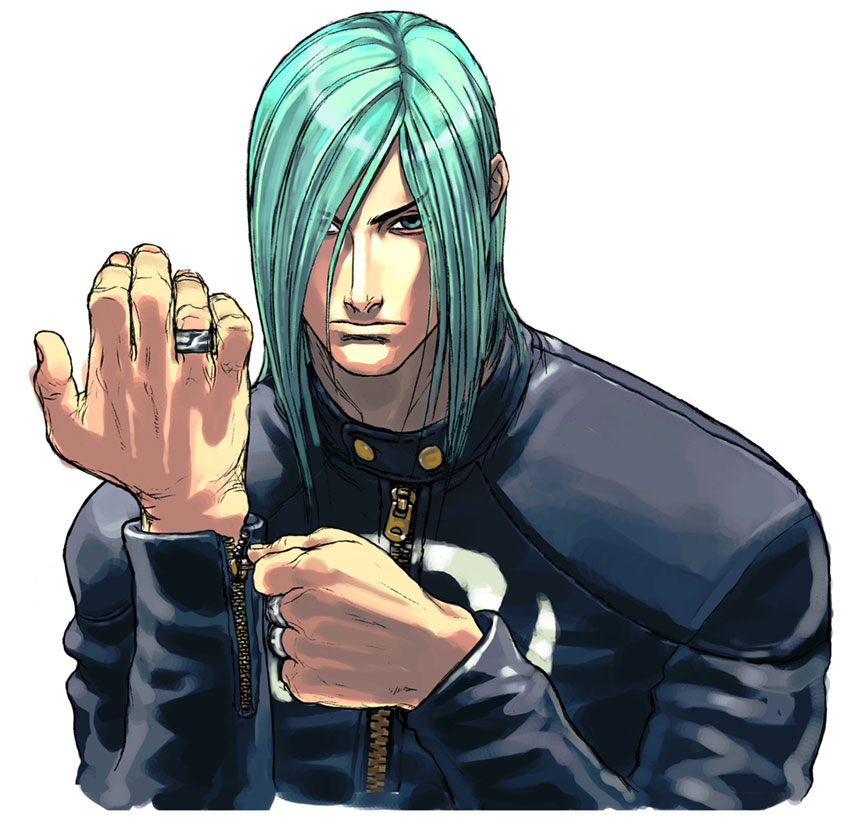
CV: Eiji Sekiguchi
A beautiful boy who hates his father and, by extension, martial artists themselves, because his family was destroyed by his father, who was a martial artist. Perhaps because of his character, he has a stern look in his eyes. He wears a leather jacket and trousers in a rough fashion. He is obsessed with his sister, who died as a result of a family breakup, and he keeps her body on ice in an undersea cave to preserve her beauty.
He hates fighters so much that he despises his opponents, but he is also a cynical fighter who is honing his skills in order to defeat them. He is clearly pointed out by other characters, and is also depicted as struggling with his own twistedness.
As a character, he is a "tame character," which means that he taps the lever in a certain direction to accumulate special moves, and then swings in response to his opponent's moves. He has the same flying props and anti-air jumping kicks as Guile of "Sto II," a character synonymous with tame characters. Although he has low attack and defense, his ability to respond to his opponent's attacks is not low, and his normal moves have high performance, so he fights mainly to gain damage by carefully avoiding painful blows and crushing his opponent's actions. He is a craftsman character who must make maximum use of tame-splitting (see Special Techniques) to move forward and backward, and must have the skill to maintain a pause that the opponent is not good at, or a pause that he is good at.
Tame-splitting is a technique that is highly rewarding when mastered, as it allows one to move while preparing a tame-technique and can also be used for the "sonic machine gun," which alternates between two different tame-techniques.
The name of the technique is also characterized by excessive embellishment. It can be said to be ahead of the later boom in the kitchen.
Super Arts are I: "Indignation Spelnova," II: "Rest in Vierge," and III: "Nocturne of Heartbreak.
Indignant Supernova is a technique that releases countless projectiles. It has two gauges of normal length. The trajectory is unique, with the projectiles spreading up and down and then crossing each other. It comes out quickly, and even if it is blocked or guarded, Remy has the advantage. It is a no-risk move that can be used in many situations, but it is difficult to use as a damage source. Many players choose it to strengthen their stable standing.
Vierge ni Satoru wo Satoru (Rest in Peace) is a backward somersault technique that delivers three high-powered kicks. It has a long gauge and a stock number of 2. If it is blocked, the counterattack will be confirmed, but it is very powerful. It is the exact opposite of the rage super art of Spernova. Many players choose it to take advantage of one chance.
Nocturne of Heartbreak is an Ejutsu move that takes a special posture, and when attacked, it turns around and delivers a counterattack. It is the only Super Art in the series with a short gauge and a stock of 1. It has high damage relative to the length of its gauge, but its low stock, low expected damage value due to the fact that it cannot be used in combos, and the situation of having the opponent attack at close range itself are extremely disadvantageous to Remy, so it is easier for him to win if he does not have the opportunity to use it. The situation in which Remy is forced to attack his opponent at close range is very disadvantageous to him, and it is easier for him to win if he does not have the opportunity to use this technique.
that's right (used when recalling forgotten information, suddenly changing the subject, etc.)
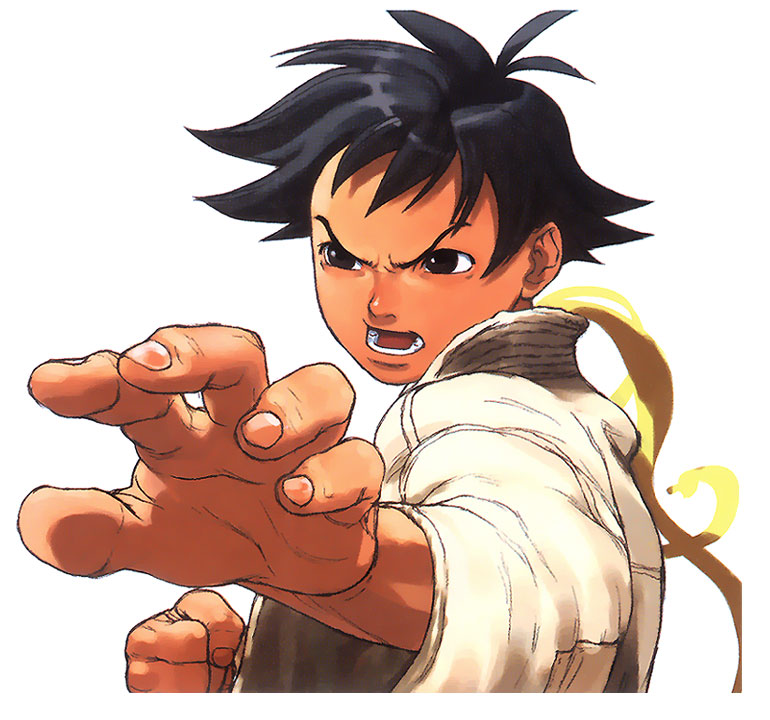
CV: Makoto Tsumura
A girl from Japan with a distinctive Tosa dialect. In order to increase the number of students of Ryuukan, a karate dojo that has been closed since her father's death, she sets out on a journey to make a name for herself around the world. Her trademark is her boyish appearance, karate uniform, and yellow hachimaki (a headband) around her neck.
He and Ibuki have a rivalry, with a special demo before their matches, and his winning lines are designed with his opponent in mind.
He later appeared in the "Street Fighter IV" series. He left a lasting impression on players with his rampaging antics.
The character's performance is habitual. His walk is extremely slow and his dash is extremely fast and sharp (other characters' walk and dash speeds are roughly correlated). He is not good at fighting beyond mid-range, but at close range he can turn the game upside down in an instant with a combination of his various attacks and his ability to accumulate a stun gauge. Because of his ability to turn the tables, he is feared by many players as one of the "three deadly fighters.
If he can make his opponent aware of his fast rushing move "Shippou" even from mid-range, he can suppress his opponent's movement and get a chance to get close to him. If he gets close enough, he can make his opponent aware of his slow crouching unguardable move "颪" to shake his guard direction, or pressurize him with his command throw "Karakusa" which leads to a large damage combo. It can also be used to pressurize the command throw "Karakusa" that leads to a large damage combo. After the research of "Double Blow Up," which stuns the opponent by hitting "Blow Up" twice with a high stun gauge increase as a follow-up to the Super Art "Violent Tosa Wave Crusher" (see below), he became an even more vicious character who can stun the opponent and turn the match upside down with a single arabesque even in a desperate situation.
The Super Arts are: I, "Midasen Godan-tsuki"; II, "Rampaging Tosa-ha-bashiki"; and III, "Tanden Neri Ki, Kata for Offensive Attacks.
The "Five-stage thrust" is the first thrust from the lower half of the opponent's body to the upper half of the body. The gauge is long and the stock number is one. It can be used for a series of moves and counterattacks, taking advantage of its high damage, fast technique startup, and large increase in stun gauge. Many players use it regularly because of its outstanding stability. Even players who mainly use the Rampaging Tosa Wave Crusher (see below) may use it against opponents who are difficult to "Double Blow Up" against or difficult to stun.
The Rampaging Tosa Hani Crusher jumps up to the edge of the screen, then launches a flying kick toward the opponent, followed by a series of body strikes and a blow up. The gauge is short and the stock number is two. It does less damage, but it increases the stun gauge more than the mid-line 5-stage thrust, and it is possible to cancel the last blow-up with a dash and follow it up with a follow-up strike. If the character uses the "Double Blow Up" twice in the follow-up, most characters will be stunned, and the damage, including the follow-up attack on the stunned opponent, will be enough to kill them instantly. Its weakness is that it jumps up to the edge of the screen, so you need to be near the edge of the screen to include it in a sequence, and it does not do as much damage as the mid-line 5-dan strike without the stun. It is a very strong Super Art, but its explosive power makes it the most powerful Super Art in the series, and many users are attracted to its one-hit reversal appeal.
Tanden Neri Ki, the offensive form, is a technique that renders the user unguardable and increases attack power for a certain period of time. Blocking is possible even during the effect. The length of the gauge is average and the stock is one. Even with its increased attack power, it does not increase damage because it cannot be used in a combo, and it is difficult to use because it is necessary to read the opponent during the effect, and the disadvantage of being unguardable weighs heavily on the opponent.
twelve
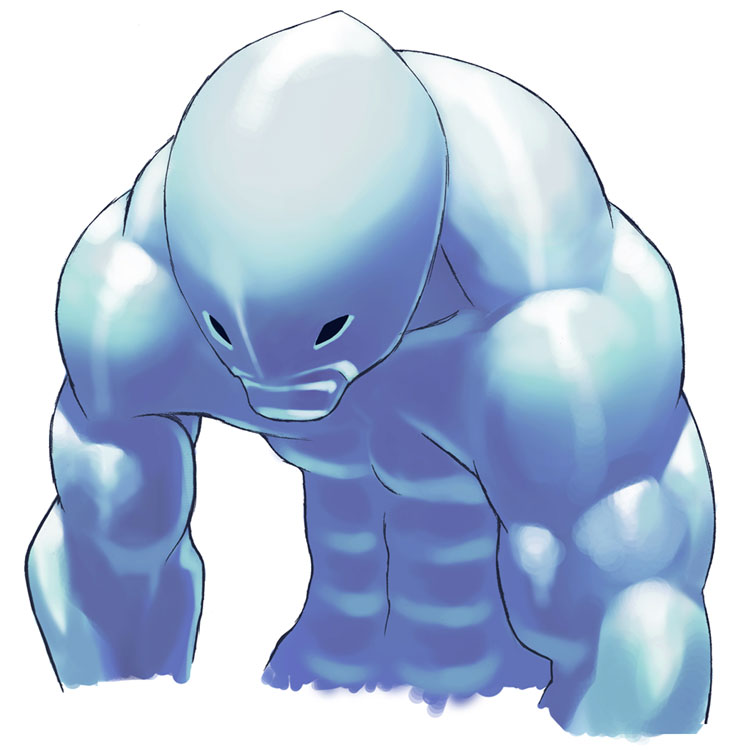
CV:Lawrence Bayne
The puppet weapon of the secret society that succeeded Necro. It is a kind of perfected form, capable of more physical changes than the Necro. It does not speak clearly, and its victory lines are a series of zeros and ones. The winning lines are a series of 0s and 1s, which can be deciphered by using the binary alphabet.
The face appears to be faceless, and the body is white. He joined the war with the goal of capturing Necro. It has no personality and is loyal to orders.
Several of his companions appear in the same form, but only in the demo before the match against Necro.
He is an artificial human, and his profile is filled with unknowns.
He has special aspects such as disappearing with personal actions, and depending on his Super Arts, he can change into his opponent's form. He is also the only one who can dash in the air. His walking posture is very low, which allows him to avoid flying weapons and get close to them. The reach of his techniques is longer, though not as long as Necro's.
However, both the power of his single blow and the damage of his combos are very low, and he has few means to take away his opponent's strength all at once. The player is required to use aerial dash, unique moves, and personal actions to keep running away from the opponent and stab him with prickly thrusts. The artisanal offensive and escaping moves of advanced players attract a lot of attention, but even so, there are many matches in which he is unable to compete, and he is rated as one of the weaker characters in this series.
Super Arts are "X.N.D.L." for I, "X.F.L.A.T." for II, and "X.C.O.P.Y." for III.
X.N.D.L. is an attack in which an arm thrust into the ground is made to fly out from in front of the eye in the shape of a needle. The gauge is slightly shorter than normal, with a stock of two. Although it is not expected to have much firepower, the EX technique can be used while the gauge is stocked, so the overall expected damage is considerably higher. This is the iron plate Super Art chosen by many players.
X.F.L.A.T. transforms into a streamlined form and launches the opponent into the air after delivering a dive assault, then attacks from all directions for massive damage. It has a long gauge and a single stock. It is the only airborne Super Art in the series. Although its firepower is very high, it cannot be used in combos without a special input, and there are very few situations where it can be used in a combo. However, since the time it takes for the move to come out is fast, it is possible to strike from the air into the opponent's move.
X.C.O.P.Y. is a Super Art that copies the opponent's appearance. During the duration of its effect, its attack power is increased by 1.25 times, and its defense is also extremely high. The gauge is very long, and the stock number is 1. It also has a weakness in that if it is attacked while in the motion of untransforming, the damage is doubled. It is also impossible to cancel the transformation at will.
q
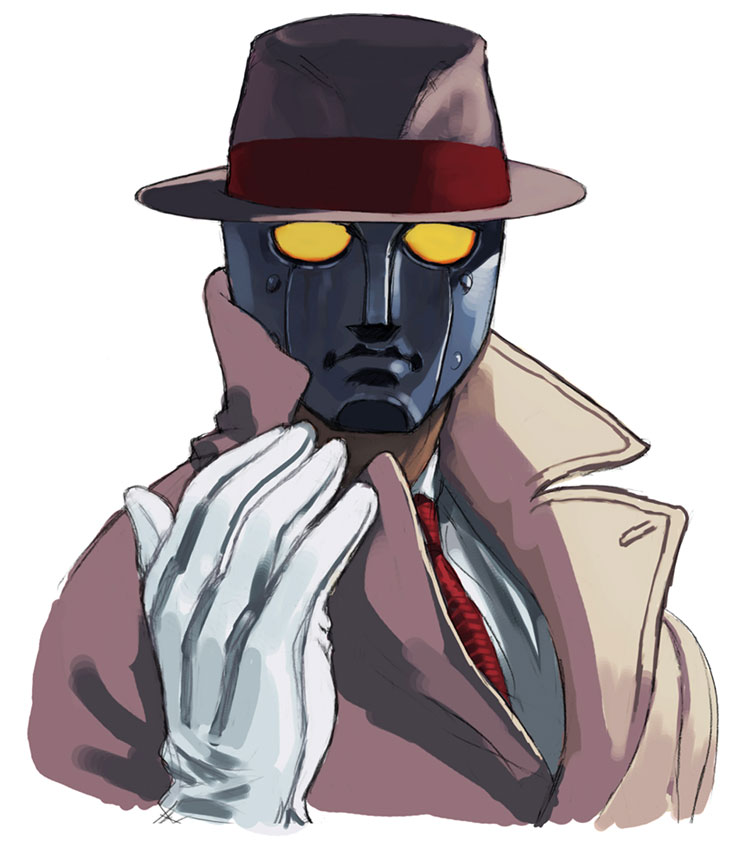
CV:Len Carlson
He wears an iron mask and a trench coat. The character is very tall and has mechanical and heavy movements. He is said to be involved in a bizarre murder case and is being pursued by the CIA. The character is said to be unidentified, and few details about him have been revealed as of 2018. Even his special moves are treated as tentative names with "(tentative)" attached. This is, of course, a setting story, and in reality it is the official name, including the "tentative".
In CPU battles, he is a hidden character who enters when certain conditions are met. He has almost no dialogue and his emotions are unreadable. However, in the overseas version, the silent victory line is accompanied by a bracketed translation (an explanation of his thoughts).
His movement speed is quite slow, and as mentioned above, his movements are heavy, but his one-shot firepower is high. His defense is also quite high, and can be further increased with personal actions. When its defense is increased to the maximum of three times, it has an ironclad defense that does not deplete its strength. If it is attacked while performing a personal action, its defensive strength will not be increased.
The character is required to be aware of his slow and heavy movements, and to fight carefully, striking a blow at the right moment, and then deciding to take a personal action while the opponent is down to increase his defense and win the damage race. If he can match his opponent's careless move with a rush special move, he will be able to fight more easily, but since his special move is a tame command, there are many situations where he must fight as if he is in a siege. However, since his special move is a tame command, he is often called upon to fight in a siege-like fashion.
Super Arts are I: "Charge and lethal strikes (tentative)," II: "Painful blows to the abdomen and back of the head (tentative)," and III: "Strikes and captures with explosions (tentative).
The fourth strike cannot be blocked by a standing guard. The fourth hit cannot be blocked by a standing guard, and the target is blown to the edge of the mask, ricochets back, and falls to the other side of the Q. The position of the target is then switched. The gauge is of normal length and the number of stocks is 2. After using it, it can be used without destroying the personal action.
Painful Strike to the Abdomen and Back of the Head is a technique that strikes the opponent in the abdomen and the back of the head when the opponent cowering. The opponent is also struck to the ground and bounces off the screen and falls to the ground. A follow-up attack is possible while falling. It has a single gauge, and the gauge is very long, making it a powerful move that is typical of Q. It can be performed as a follow-up or as a personal action. The ideal situation can be created in which the attacker can either pursue the target or use a personal action to raise the defense. If it is not used for a chase, the personal action can be performed twice.
Blows and captures (temporary) with explosions glow red for a certain period of time, and special blows and throws that can be followed up with explosions for heavy damage can be used. The explosion also causes Q to blow up, but it does not damage itself. The gauge is long, with a stock of 1. The effect lasts until a certain amount of time has elapsed or the blow or throw hits, so there is little risk of wasting a hit. It is also Q's only technique that speaks meaningful lines. The damage is not very high, but it has the advantage of being used with fairly low risk. It is also possible to establish a combo by cascading special moves and then immediately delivering a blow.
Special techniques for "Street Fighter III
Here, techniques are being actively developed, and we will explain the techniques for the 3rd system, which can be played by many users. For more information on the "1st" and "2nd" systems, see "1st" and "2nd" Systems.
non-guard coordination
As the name implies, it is the act of forcing an opponent into a situation where it is difficult to guard by linking attacks together. It is called "unguardable linkage" because it is impossible for a human to guard, and the guarding method can be complicatedly changed depending on the manipulation of the player who initiates the unguardable linkage, as shown in the heading.
The method is to sandwich the opponent between the main attack and another attack (the other attack must occur multiple times). The guarding party cannot guard the first attack of the main attack and the other attack unless it is in the opposite direction of the main body, and the second and subsequent attacks of the other attack unless the lever is in the opposite direction of the other attack. In addition, if the attack of the main body is later than the other attacks, the guard for the other attacks must be input in the direction of the main body, and the guard for the attack of the main body cannot be guarded without falling in the opposite direction of the main body (in this case, the guard for the attack of the main body can also be guarded at the same time). Since it is impossible for a human being to guard against all of these attacks, the only time a guard can get out of this coordination is when the inputs coincidentally mesh.
The only way to deal with this is to use blocking. The input direction of blocking is fixed in the direction of the opponent, and blocking downwards does not depend on the left or right direction, so the guarding direction problem can be ignored.
This linkage can be used by Oro, Yulian, and Yang. It is said that the accuracy of the unguardable linkage is directly related to the winning percentage.
It seems that this unguardable linkage was not expected by the developers, and it has been corrected in the boards that appeared on the market a few months after the launch (known as the "new boards"). However, since the performance of Julian in particular was greatly affected by the presence of this technique, and since the new boards were in small circulation and most arcades were playing with the first version, Capcom accepted this technique and made it optional for home use. In the home version, the option to enable or disable the linkage without guarding was made available. Many tournaments are held under the condition that the unguardable linkage can be used.
stocking filler
A technique for blocking an opponent's action by inserting blocking between actions, etc., rather than attempting to block by reading (or seeing) the opponent's attack. This is the act of inserting blocking input between attacks, or inputting aerial blocking just before an aerial attack.
This technique is used as a simple part of standing, and the more advanced players are less conscious of the fact that they are setting up a blocking move.
However, it is not the main purpose of blocking, and as soon as the blocking action is taken, blocking is no longer possible, so it is not as powerful as other techniques. However, it is not as powerful as other techniques because blocking is not the main objective and the blocking is not effective as soon as the blocking is applied.
Moving Throw / Slide Throw
This is a technique to increase the distance between throws. If a character can use this technique effectively, he can extend the distance between throws by almost double, allowing him to throw the opponent unilaterally.
It is called this technique because the character moves one step forward from his standing position and throws.
The input method is "to input a throw (weak punch + weak kick) immediately after pressing the button of the move used for the move throw".
Since this title is equipped with multiple simultaneous presses for throws, leap attacks, and personal actions, to make it easier for players to perform simultaneous presses, the game has a specification that states that if two buttons are pressed within two frames (1/30), they are considered to be simultaneous presses.
Since the game moves every frame (1/60 second), if it takes one frame from the time the first button is pressed to the time the other button is pressed, the action exited by the first button is aborted and the game is forced into simultaneous action.
This is only possible if there is a simultaneous push involved in the input, so that even if a simultaneous push is performed on the next frame after an unrelated button press, the simultaneous push command will take precedence.
The move-throw uses this specification and the fact that the position of the character at the time the simultaneous presses are executed is referenced to the position at the time the simultaneous presses are executed.
By making the movement that the character exits with the first button in the above example a forward movement immediately after the input, unrelated to the throw, it is possible to move forward by the amount moved during the first frame to execute the throw.
The grace period for "immediately after" the input is 1/60 second, which is very short, but even if a move used for a move throw and a weak punch or kick are pressed at the same time, the move throw is possible if the remaining buttons are pressed within the grace period (because when buttons other than simultaneous command presses are pressed at the same time, medium has priority over weak and strong over medium). (When buttons other than simultaneous commands are pressed at the same time, priority is given to medium rather than weak and strong rather than medium. ), the moves used for move-throwing are fixed to some extent, and it is possible to practice for a full time even against the CPU, etc. In addition, it is easy to see if the move is successful if practiced at a distance from the opponent (the character will move one step forward if it is successful). This makes it easy to practice, making it easier to learn than you might imagine. This is an essential technique for players who use characters that can take advantage of moving throws.
crouching grapple
Also abbreviated as "shagagagura. This is a technique for defending against a grapple while crouching.
The input method is simple and clear: press a weak punch and a weak kick simultaneously while in a crouching position. In a normal grapp defense, the throw is triggered by the input, exposing a large gap, but in a crouching grapp, the standing condition for the throw is not met, so a crouching weak punch is all that is needed. Of course, this weak punch is a normal attack, so it hits the opponent.
It is safer to dodge a throw than a standing grapple defense, but it has the disadvantage that it is invalid if the button is pressed before the opponent can throw you (in the case of a standing grapple defense, if you press the button before the opponent can throw you, the grapple defense is still valid).
If you are careful to press the button a little later, you can use it as a very advantageous option in situations where your opponent is planning to throw you. It is especially effective against move throws where you cannot throw the opponent even if you input the throw.
Compared to the move throw, it is easier to input and easier to learn, so it is a technique that you should definitely learn if you play.
SGK

Related Articles
In-depth explanation and discussion of Ryu (Street Fighter)
Ryu is the main character in the "Street Fighter" fighting game series, and is a martial artist who continues to search for "true strength. He is a character that represents fighting games of all ages. He has mastered a unique fighting technique that originates from assassination fists, and his character is honest and stoic to the end. He spends all of his time training to reach an unattainable state, not knowing what "true strength" is that he seeks. He is widely recognized for his abilities by various martial artists around the world, but he is also forced to continue to fight with evil fighters who have taken notice of his superior qualities. He is a good rival to his fellow fighter, Ken.
Read Article
A collection of little-known Street Fighter series backstories and urban legends
The Street Fighter series is a popular fighting game that has been highly popular for many years. In this issue, we have collected some little-known backstories, small stories, back settings, and urban legends about the Street Fighter series. Are there any episodes that you know about?
Read Article
Summary of Bosses in the Devil May Cry (Devil May Cry) series
The "Devil May Cry series" is a series of stylish action games released by Capcom. In the series, "1" through "3," Dante is the only protagonist, and in "4" and "5," Nero and Dante are the double protagonists. Dante, who is half demon and half human, is a devil hunter who defeats demons that threaten the human world. From "4" onward, Nero joins Dante to face a variety of powerful enemies. In each series, various demons modeled after mythological monsters appear as mid-bosses and last bosses.
Read Article
Yellow and green and gray. ...... "Mega Man" successive "Devil" monsters.
The Mega Man series is known for its bosses named Devils, who have a reputation for striking fear into the hearts of players. Since the series has been around for a long time, there have been many different Devils in its history. In this article, we would like to introduce such Devil bosses.
Read Article
Street Fighter II (STO II) Spoiler Commentary and Discussion Summary
Capcom released this game and its port as an arcade game in 1991. It was the second game in the Street Fighter series and the biggest hit in the series. Set in a world tournament of one-on-one street fights, players select one of 19 unique characters and aim to win the match. The "match-up" with another player was well received.
Read Article
Street Fighter Zero (STO ZERO) Spoiler Commentary and Discussion Summary
An arcade game series and its port that Capcom began releasing in 1995. This is the third title in the Street Fighter series. Set in a fictional time period after "Street Fighter" and before "Street Fighter II," the game is about winning CPU battles. It became so popular that three games were released in the series, eventually becoming a major work with a total of 39 characters.
Read Article
ストリートファイター6(スト6)のネタバレ解説・考察まとめ
『ストリートファイター6』とは、カプコンが2023年に発売した2D対戦格闘ゲームであり、『ストリートファイター』のナンバリングシリーズの6作品目である。 新しい操作方法「モダンシステム」が実装されており、格闘ゲームの初心者でもゲームを始めやすくなっている。 自動実況が収録されており、全体的にeスポーツシーンを意識した作りになっている。 主人公はリュウから前作の最終アップデートで追加されたキャラクター、ルークへと受け継がれている。
Read Article
Spoiler commentary and discussion of Resident Evil (Biohazard)
Resident Evil" is a survival horror game released by Capcom in 1996. The title of the game means "biological disaster," and the storyline revolves around that concept. The title "Resident Evil" outside of Japan means "evil lurking within" and is highly regarded as a pioneer of the survival horror genre that was to emerge later. The player chooses one of two protagonists and attempts to escape by solving various riddles and fighting creatures in a Western-style house where he or she has wandered after a mission.
Read Article
Spoiler commentary and discussion of Biohazard Village (Biohazard Village)
Biohazard Village is a survival horror game released by Capcom. It is the eighth title in the series, and the title logo is highlighted by the Roman numeral "VIII," meaning the eighth title, superimposed on the title. Ethan Winters, the protagonist of "Resident Evil 7," continues to be the main character, and while the previous film told the story of his search for his missing wife, Mia, this film tells the story of his attempt to recover his kidnapped daughter, Rosemary. The theme of the film is "family ties. This is the conclusion of Ethan's story.
Read Article
Breath of Fire II: Child of the Mission (game) spoiler commentary and discussion.
Breath of Fire II: Child of the Mission" is the second title in the "Breath of Fire" series, an RPG game released by Capcom in 1995. The powerful graphics that were well-received in the previous title have been further evolved, and new challenging elements such as the "Combination" system and the "Community" system have been incorporated. In a world 500 years after the previous game, the main character Ryu, who runs a ranger business, sets out on a journey to clear his partner Bosch of all charges. On his journey, Ryu meets various friends and gets involved in a fateful battle to seal the evil god as the child of mission.
Read Article
Resident Evil RE:2 (Biohazard RE:2) Spoilers and Discussion Summary
Resident Evil RE:2 is a survival horror game title released by Capcom in January 2019 and is a remake of Resident Evil 2, which was released in 1998. There were no major changes to the main plot of the story, but some parts of the story related to the main character were changed significantly. The story is told from the perspective of two main characters, Leon S. Kennedy, a rookie police officer, and Claire Redfield, a college girl who has come looking for her missing brother, with the goal of escaping from a city overrun by zombies. The film is a more realistic zombie and survival horror experience.
Read Article
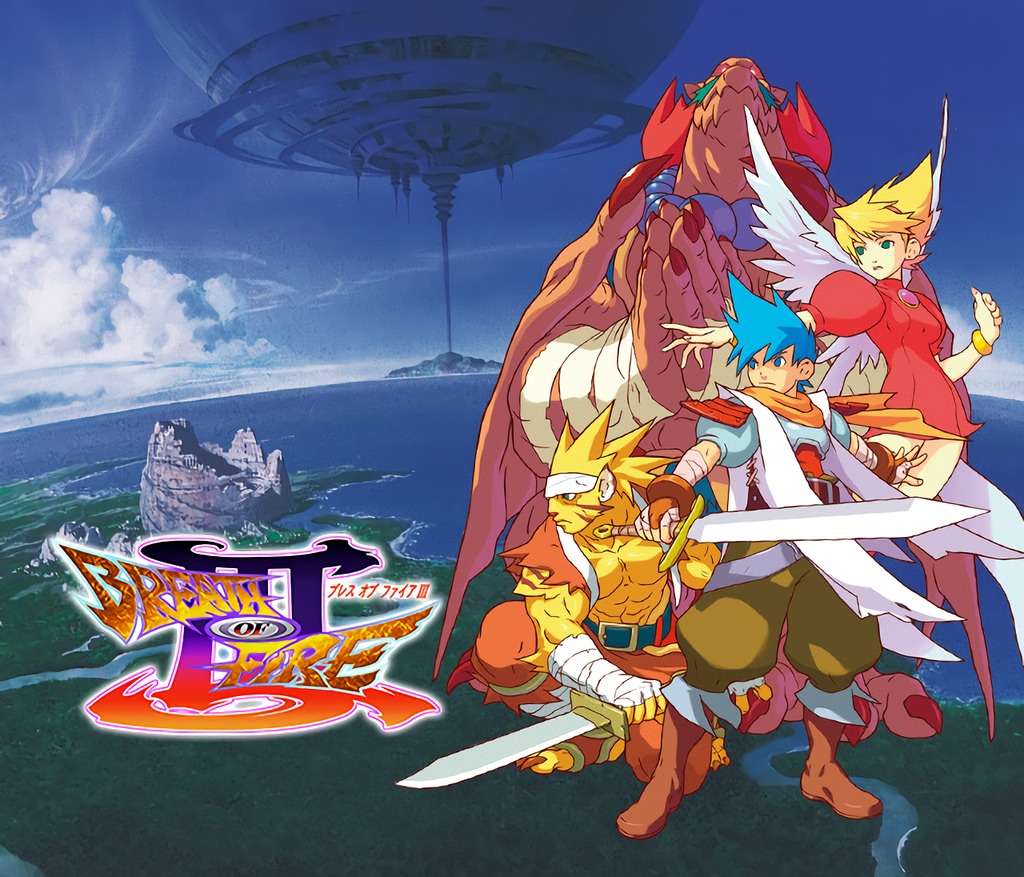
Breath of Fire III (game) spoiler commentary and discussion summary
Breath of Fire III" is an RPG released by Capcom in 1997. This was the first title for the PlayStation, and while maintaining the traditional high quality dots, it took on a new expression by using 3D polygons for the backgrounds. For the first time in the series, the characters are voiced, which makes for a more powerful storyline. The journey of Ryu, a boy survivor of the dragon tribe, as he unravels the world and his origins, is told in two parts: "childhood" and "adolescence.
Read Article
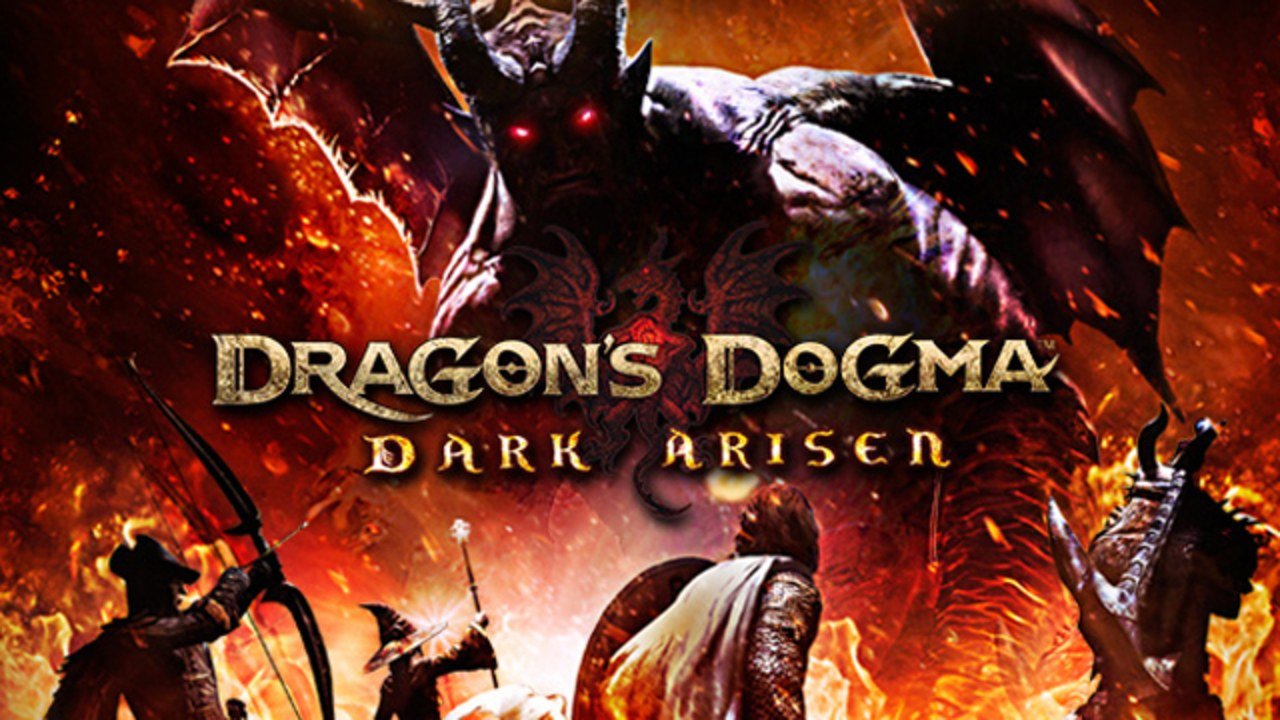
Dragon's Dogma: Dark Arisen (game) spoiler commentary and discussion
Dragon's Dogma: Dark Arisen" is an open-world action role-playing game released by Capcom in 2013, and is an expansion to "Dragon´s Dogma" released in 2012. The PS3 version alone has sold over 460,000 copies; in 2017 it was also released on PS4, Xbox One and Microsoft Windows, as well as on Nintendo Switch. The story follows the adventures of the protagonist, whose heart has been stolen by a dragon, through a vast open world.
Read Article
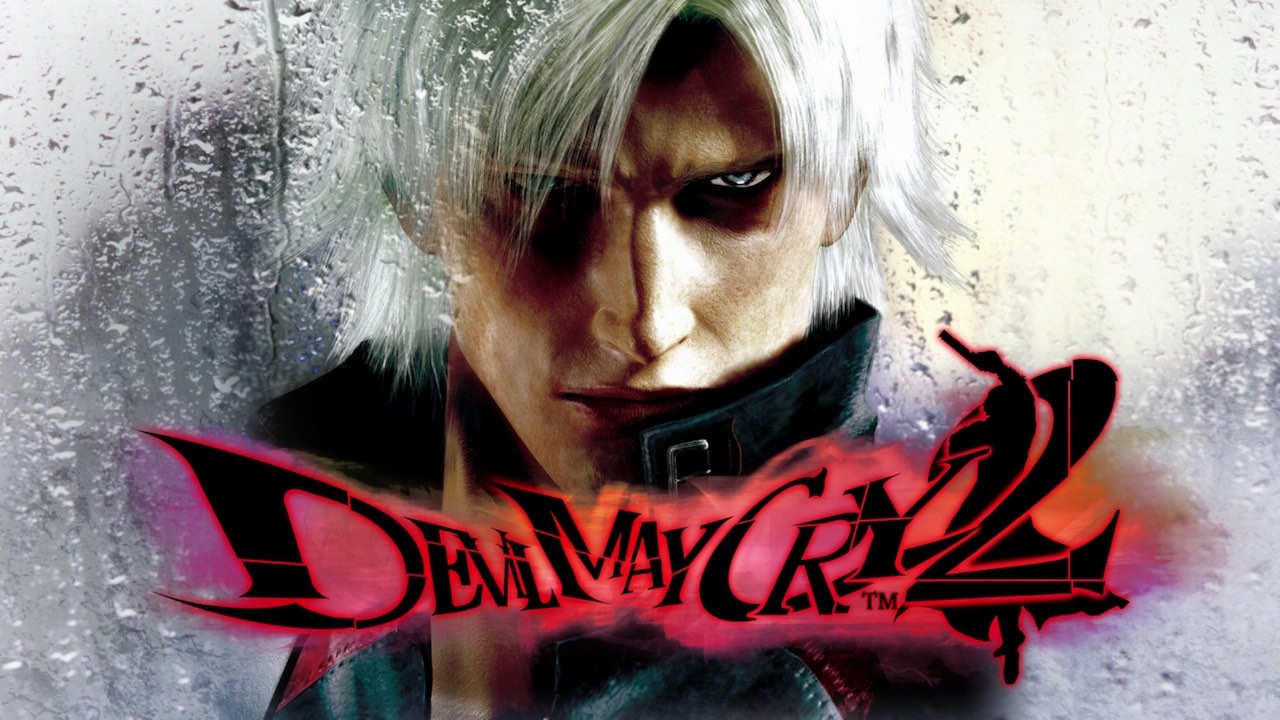
Devil May Cry 2 (Devil May Cry 2) Spoiler Commentary and Discussion Summary
DEVIL MAY CRY 2" (DEVIL MAY CRY 2) is an action game software produced by Capcom for the PlayStation 2 and released in 2003. It is a sequel to the popular Devil May Cry series, which pioneered the genre of stylish action from the action game genre. The catch copy is "Dance with the Devil. It won the "CESA GAME AWARDS FUTURE Excellence Award" at the 6th CESA GAME AWARDS.
Read Article
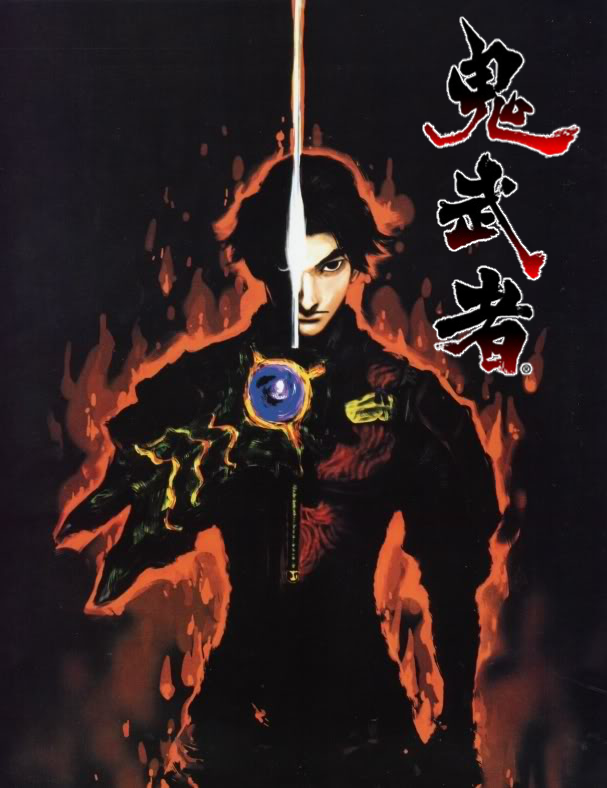
Onimusha (game) spoiler commentary and discussion summary
Onimusha" is an action game developed by Capcom and released on January 25, 2001, exclusively for the PlayStation 2. It is the first of the four "Onimusha" series. The game uses the game engine developed for the company's "Resident Evil" series, and features tense and fast-paced action using swords. The main character, with the power of an ogre in his hands, heads for a castle where monsters lurk in order to rescue a captive princess.
Read Article
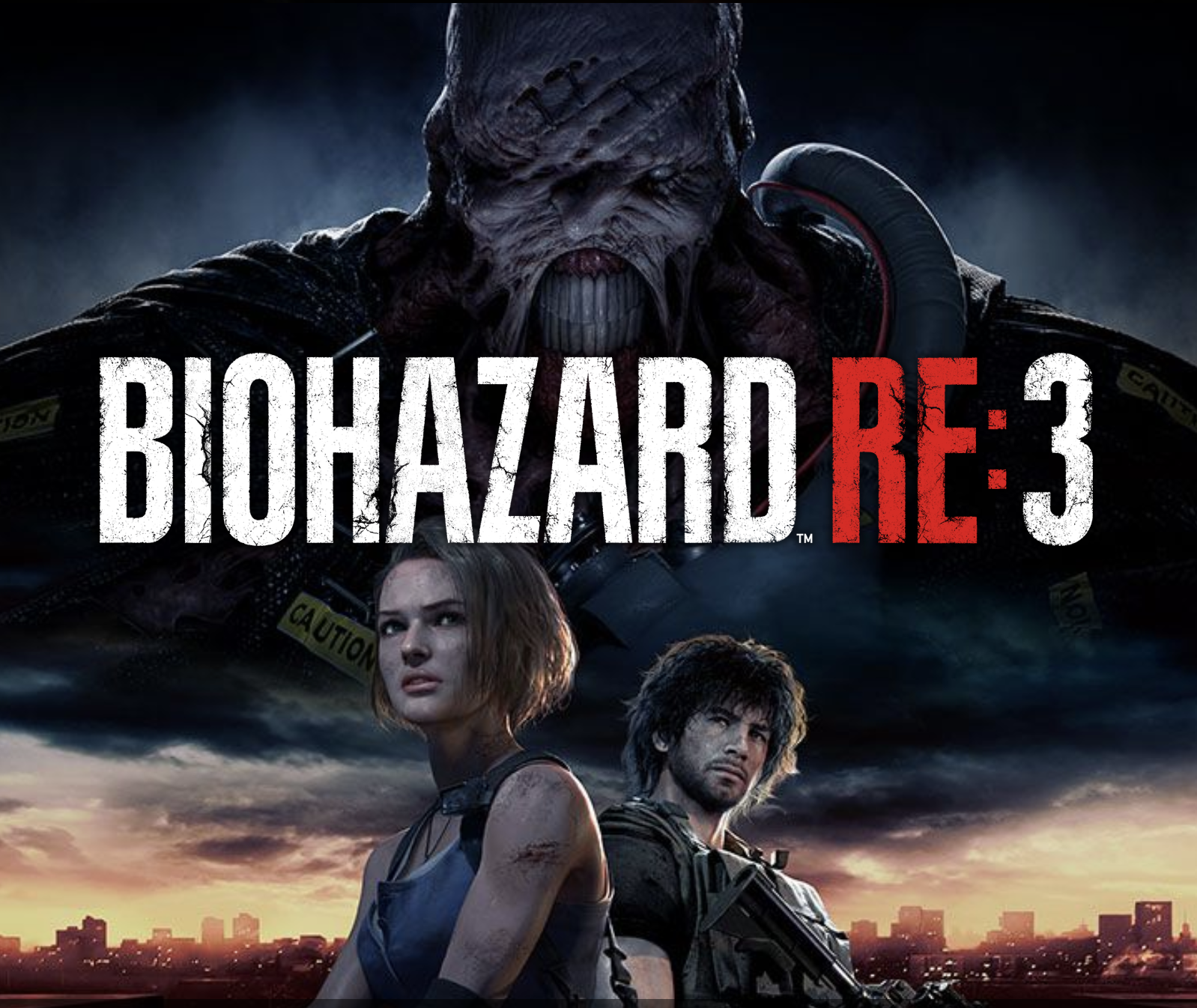
Resident Evil RE:3 (Biohazard RE:3) Spoilers and Discussion Summary
Resident Evil RE:3" is a survival horror game title released by CAPCOM in April 2020 and is a remake of "Resident Evil 3 LAST ESCAPE" released in 1999. And it is the second title in the "RE" series, following "Resident Evil RE:2" released in 2019. The story is about Jill Valentine, the protagonist of the first game of the original series, who escapes Raccoon City while running from her pursuers in order to uncover the truth about a biological disaster (biohazard) that occurred in Raccoon City.
Read Article
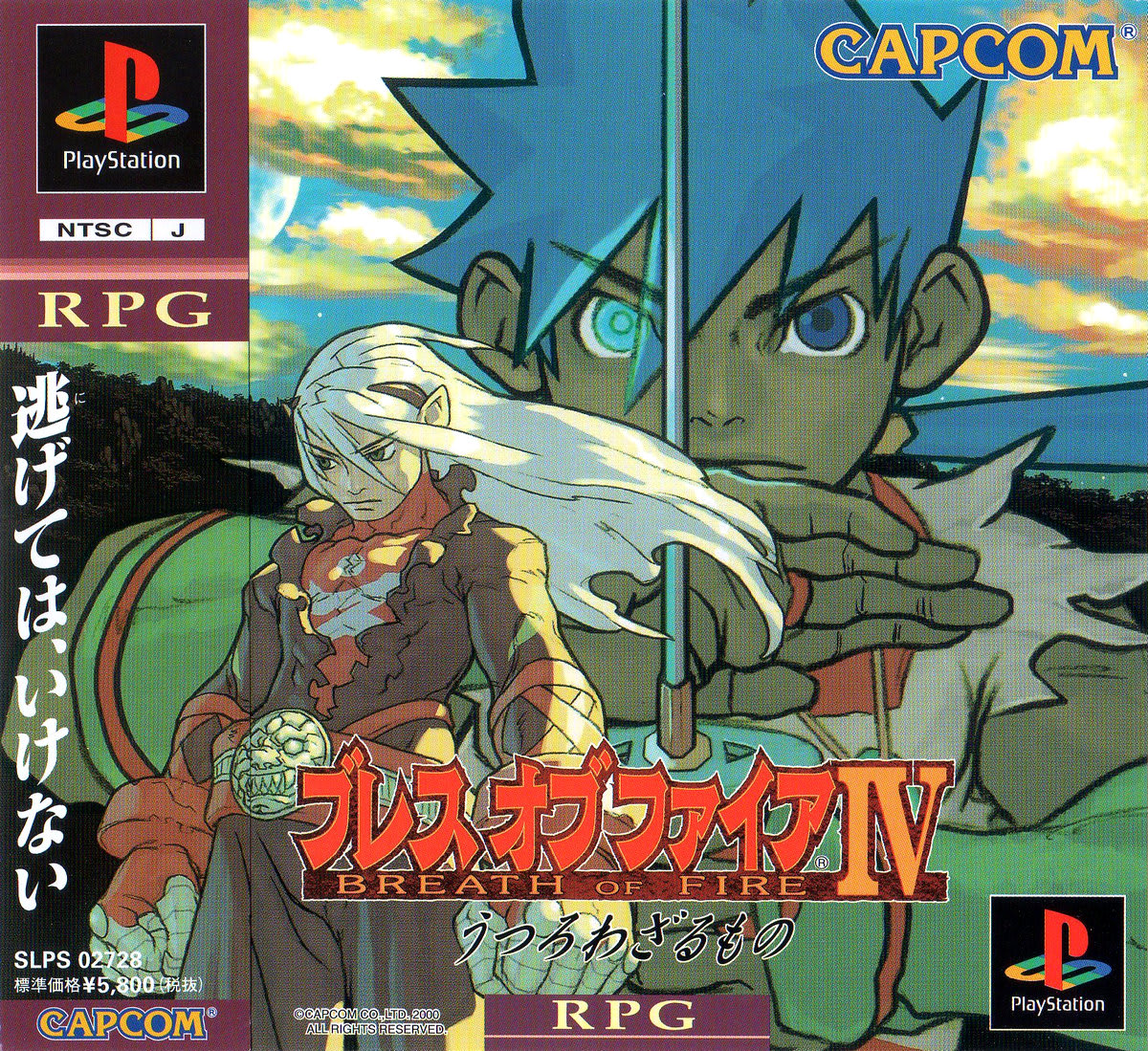
Breath of Fire IV: The Upside Down (Game) Spoiler Commentary and Discussion
Breath of Fire IV: Utsurowa Azareno Mono" is an RPG released by Capcom in 2000. It is the fourth title in the "Breath of Fire" series, and is characterized by an Asian-inspired worldview that sets it apart from the previous titles in the series. In a world where the long-running war between the Empire and the Confederation of Nations has come to a truce, Nina, the princess of Windia, who is searching for her missing sister, meets Ryu, a boy with amnesia. The intertwined stories of the two protagonists became the talk of the town as one of the most depressing scenarios in the series.
Read Article
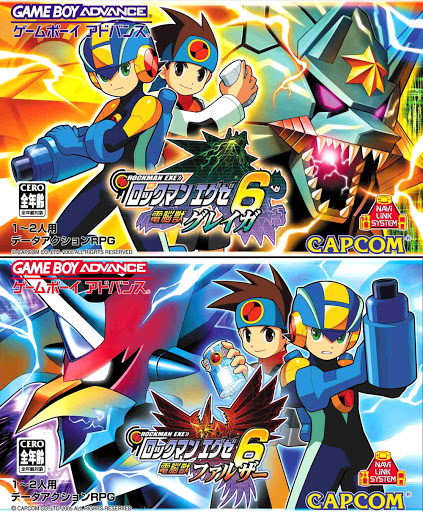
Spoiler commentary and discussion of Mega Man Exe 6 (Rockman.EXE 6)
Mega Man Exe 6" is a data action RPG game for the Game Boy Advance, released by Capcom on November 23, 2006. Two versions of the game were released: "Grainger" and "Falzer". Each version has a different beastification system, cross system, and other systems that can be used. When this game was released, it was in the transition period from the Game Boy Advance to the Nintendo DS, but there was a statement that "Since this software was released for the Game Boy Advance, we want to finish it off here," and it was released on the Game Boy Advance.
Read Article
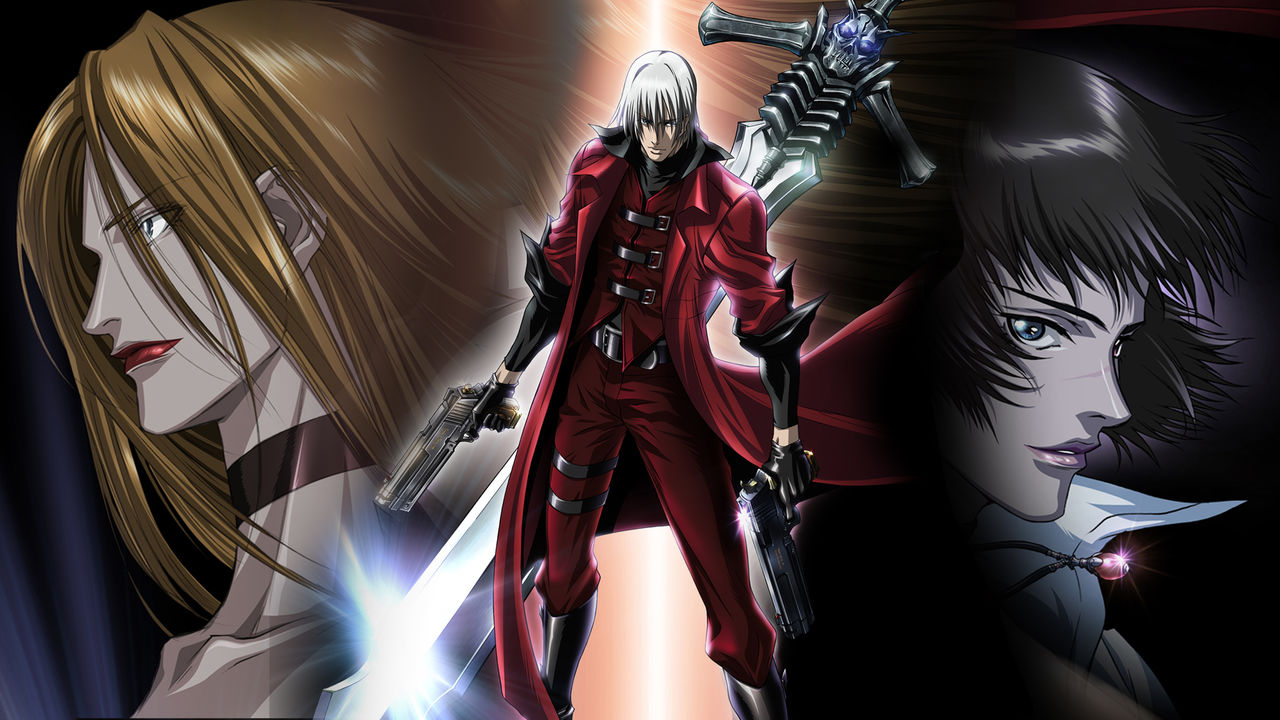
Devil May Cry (anime) spoiler commentary and discussion summary
Devil May Cry" is an animated television series based on Capcom's "Devil May Cry" video game series, which was broadcast by WOWOW from June to September 2007. In addition to the powerful battle scenes in which Dante, the main character of the game series, defeats demons with overwhelming strength befitting the "Devil May Cry" character, the anime also depicts Dante's daily life not seen in the game, such as playing card games with the original characters in the anime.
Read Article
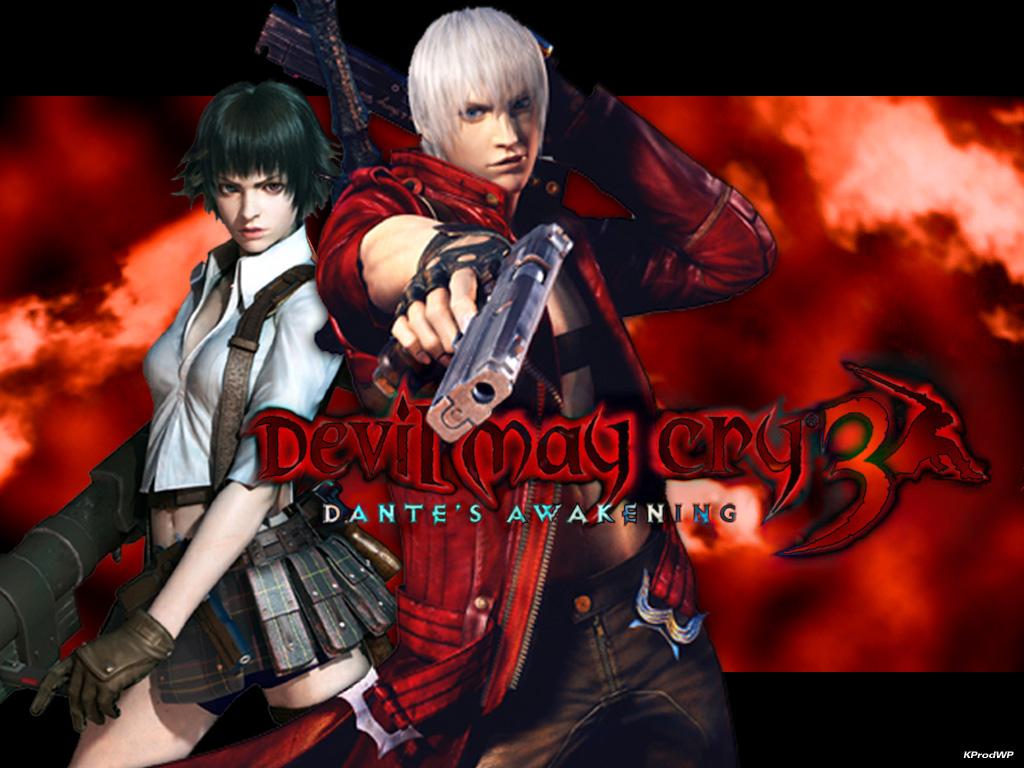
Devil May Cry 3 (Devil May Cry 3) Spoiler Commentary and Discussion Summary
Devil May Cry 3" (Devil May Cry 3, Devil may cry 3) is an action game produced by Capcom and released in 2005 for the PlayStation 2. It is the third title in the popular series that pioneered the stylish action genre from the action game genre, and tells a story that is further in the past than the first "Devil May Cry" title. An upgraded version of the game, "Devil May Cry 3 Special Edition" including additional elements was later released.
Read Article
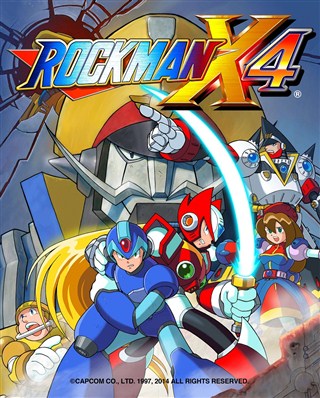
Spoiler commentary and discussion of Rockman X4 (Rockman X4)
Mega Man X4 is an action game by Capcom. X and Zero set out to put down a rebellion started by the Repliforce, an organization dedicated to protecting mankind. For the first time, Zero can be used as the main character in this title. The game features a completely different play style between X, who mainly uses shooting, and Zero, who mainly uses a sword for close combat. The graphics have been upgraded for the PlayStation and Sega Saturn consoles.
Read Article
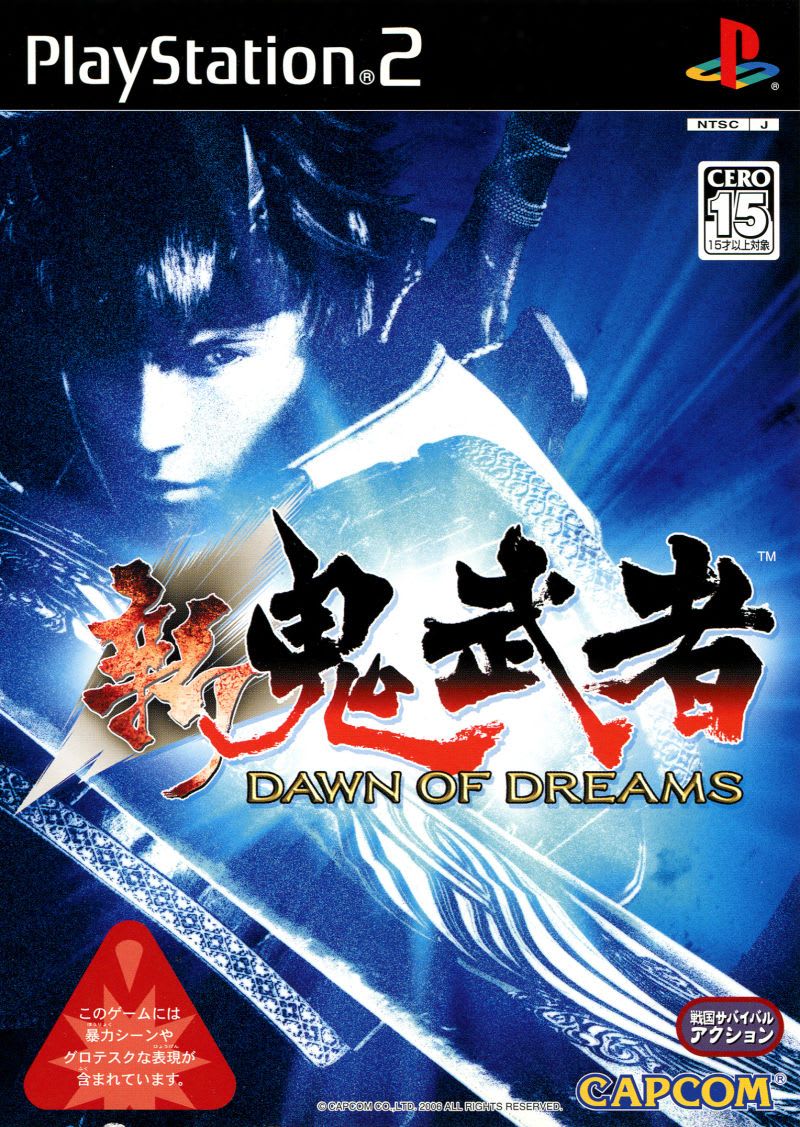
New Onimusha DAWN OF DREAMS (game) spoiler commentary and discussion
Onimusha DAWN OF DREAMS" is a Sengoku survival action game released by Capcom on January 26, 2006 as a sequel to the third title in the "Onimusha" series. Set in the year Keicho 3, the year of the reign of Hideyoshi Toyotomi, the chief vassal of Nobunaga Oda after his defeat in the previous "Onimusha 3," the game depicts the battle between the new protagonist, the ash-colored Ao-oni, and a strange monster, the Genma. In addition to major system changes from the previous trilogy, this work is conscious of the connections with the past series, such as the appearance of blood relatives of the protagonists of the previous trilogy.
Read Article
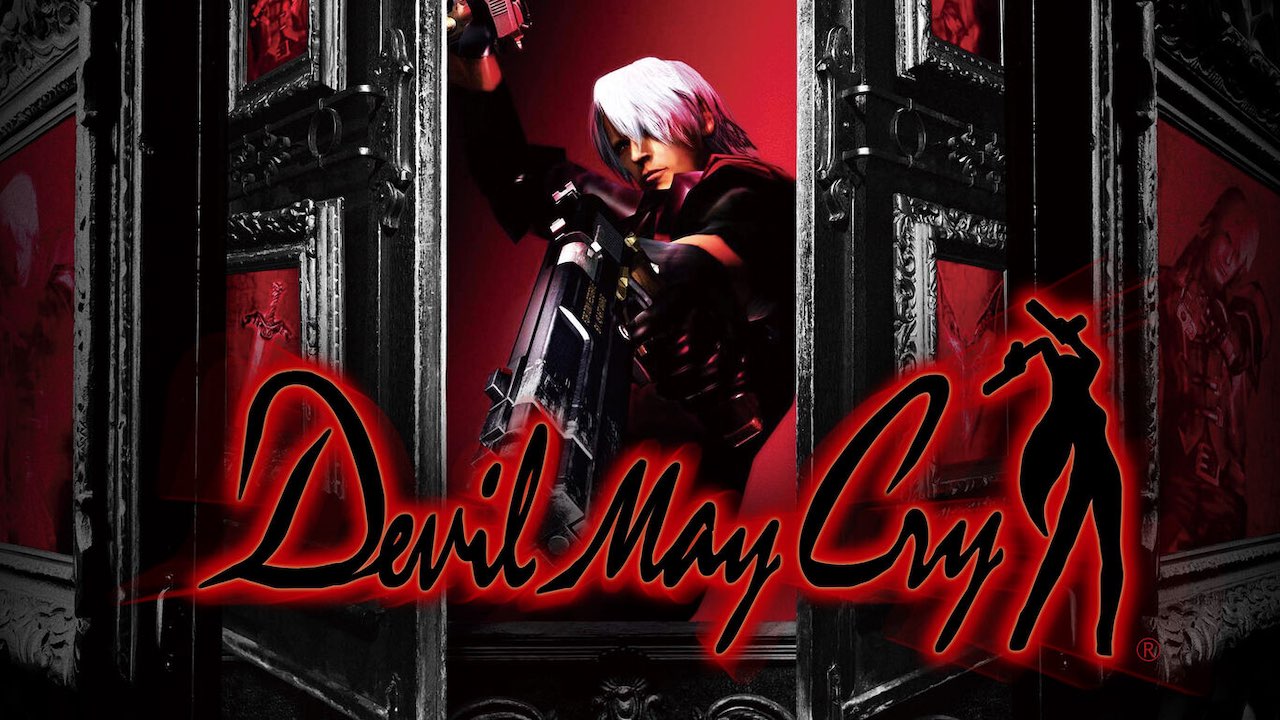
Devil May Cry Spoilers and Discussion Summary
Devil May Cry" is an action game created by Capcom exclusively for the PlayStation 2 and released on August 23, 2001. The fourth sequel to the game has been released, and the total sales of the series have reached 15 million units worldwide. Various media mixes have been created, including games and manga. One night under a full moon, a beautiful woman named Trish visits a man. The man's name is Dante, and he runs a handyman business called "Devil May Cry" that specializes in exterminating demons. Dante is led by Trish to an island where demons are to be saved.
Read Article
Monster Hunter Rise Monster Hunter Rise: Sunbreak (MHR and MHS) Spoilers and Discussion Summary
Monster Hunter Rise" is a hunting action RPG that was released simultaneously worldwide by Capcom for the Nintendo Switch in 2021, followed in 2022 by the release of "Monster Hunter Rise: Sun Break", also from Capcom, a very large expansion content. The game is a new action RPG with a wide range of action. New elements include the "Sho-mushi Action," which expands the range of action, and the new otomo "Garuku," which makes movement more comfortable, allowing players to experience exhilarating hunting action that is different from that of previous titles in the series.
Read Article
Spoiler commentary and discussion of Rockman X2 (Rockman X2)
Mega Man X2 is an action game software released by Capcom in December 1994 exclusively for the Super Nintendo Entertainment System. It is the second title in the Mega Man X series, which was derived from the Mega Man series. Capcom's proprietary DSP chip, the CX4, was installed in the cartridge, and it provided more advanced graphics and presentation than the previous Super Nintendo Entertainment System software.
Read Article
Spoiler commentary and discussion of Sengoku BASARA (anime and game)
Sengoku BASARA" is a popular action game released by Capcom and an animation work based on the game. Production I.G produced the first and second seasons and the movie version, and Telecom Animation Film produced the third season. It is also the spark that ignited the "Sengoku Busho" boom among young women, and has been developed in a variety of media including manga, anime, drama, and stage.
Read Article
Mega Man not only in action, but also in RPG! Mega Man X Command Mission
The only RPG in the Mega Man X series released on PS2/GC is Command Mission. What kind of game is it? I would like to introduce it.
Read Article
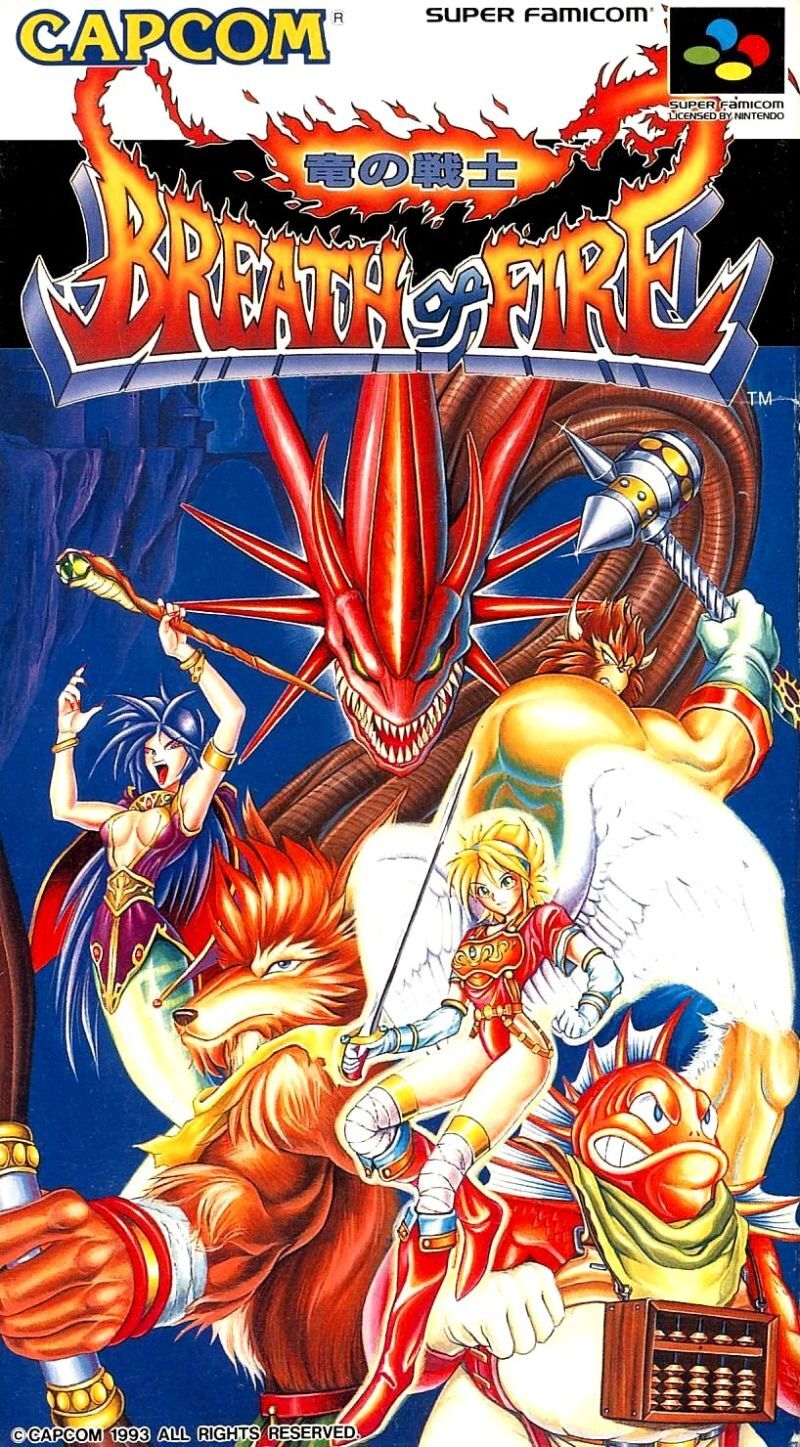
Breath of Fire: The Dragon Warrior (Game) Spoilers and Discussion Summary
Breath of Fire: Dragon Warrior" is an RPG game released by Capcom in 1993. It is the memorable first title in the "Breath of Fire" series and the first RPG that Capcom created. With a hero who uses the power of a dragon, a heroine with wings, and friends of the subspecies, this first game laid the foundation of the series. The story follows Ryu, a hero of the White Dragon Tribe, and his seven friends as they fight to crush the ambitions of Zogon, the emperor of the Black Dragon Tribe, who seeks to resurrect the goddess Myria and conquer the world.
Read Article
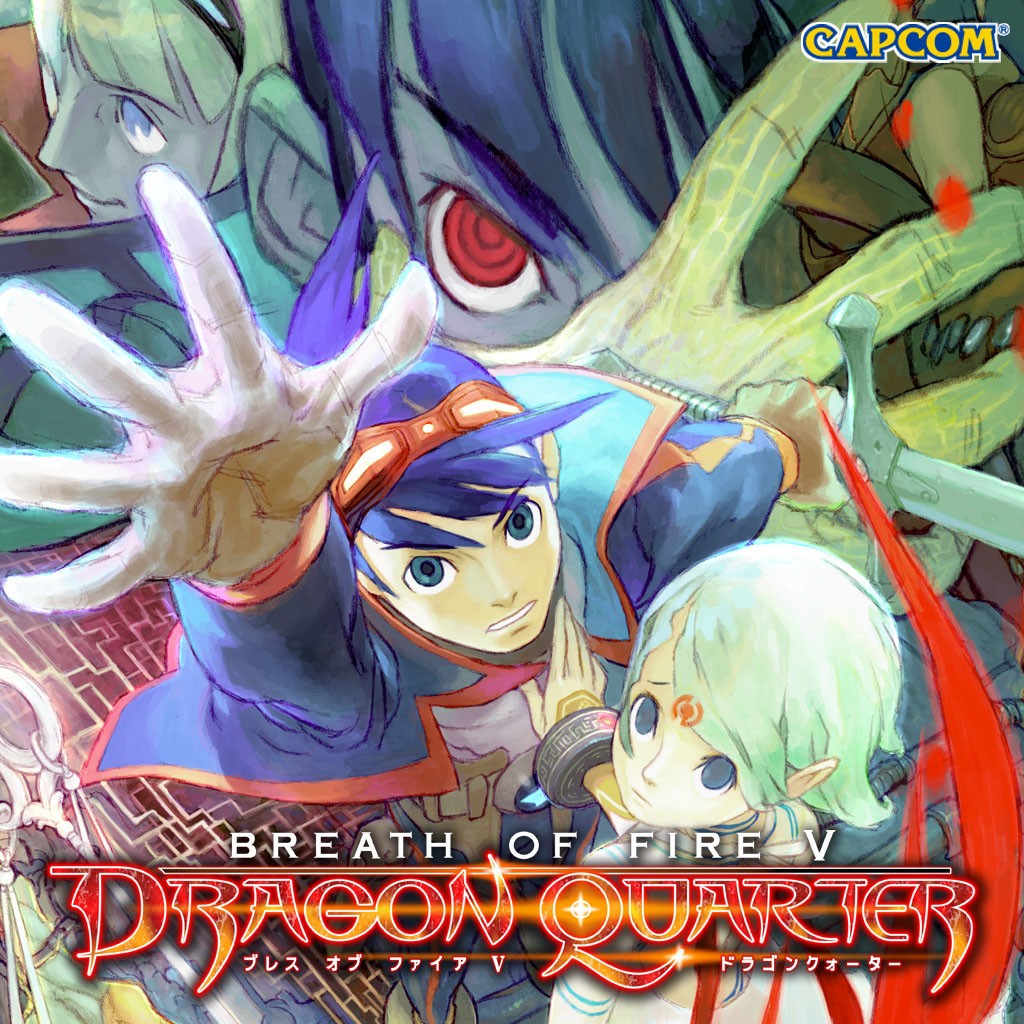
Breath of Fire V: Dragon Quarter (game) spoiler commentary and discussion.
Breath of Fire V Dragon Quarter" is an RPG released by Capcom in November 2002. It is the fifth title in the "Breath of Fire" series, and its catchphrase is "I'm going to see the sky. The world view and game system have been drastically renewed, and the game challenges a new axis from the royal road RPGs of the previous titles. In an age when people have left the earth and are living in underground cities due to disasters, Ryu, a member of the Rangers, a security force, meets a mysterious girl, Nina, on a mission with his best friend, Bosch. In order to save Nina, who cannot live in an underground city, Ryu sets his sights on the skies above.
Read Article
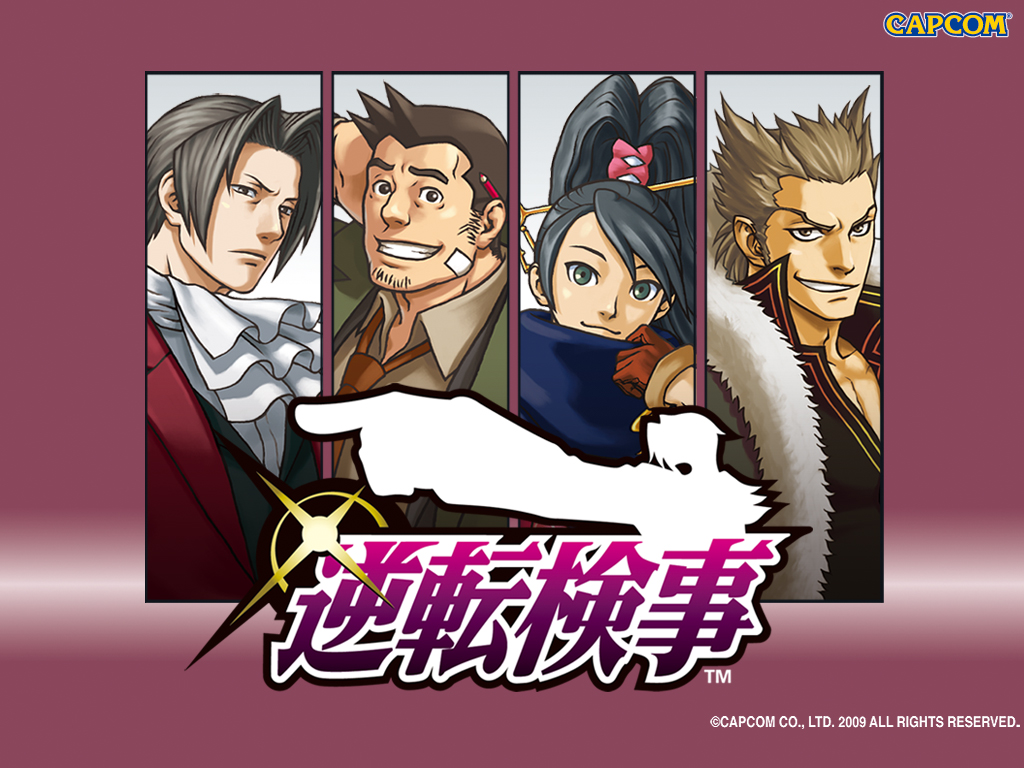
Spoiler commentary and discussion of Reversal Prosecutor (game)
Ace Attorney" is a mystery adventure game released in 2009 exclusively for the Nintendo DS. In this game, Reiji Goken, a rival prosecutor familiar to fans of the "Ace Attorney" series, takes on the role of the main character as he confronts a number of cases that take place in the present day. While retaining the flavor of the "Ace Attorney" series, the game follows the case from a completely different angle, offering a new sensory experience that cannot be experienced in the previous "Ace Attorney" games.
Read Article
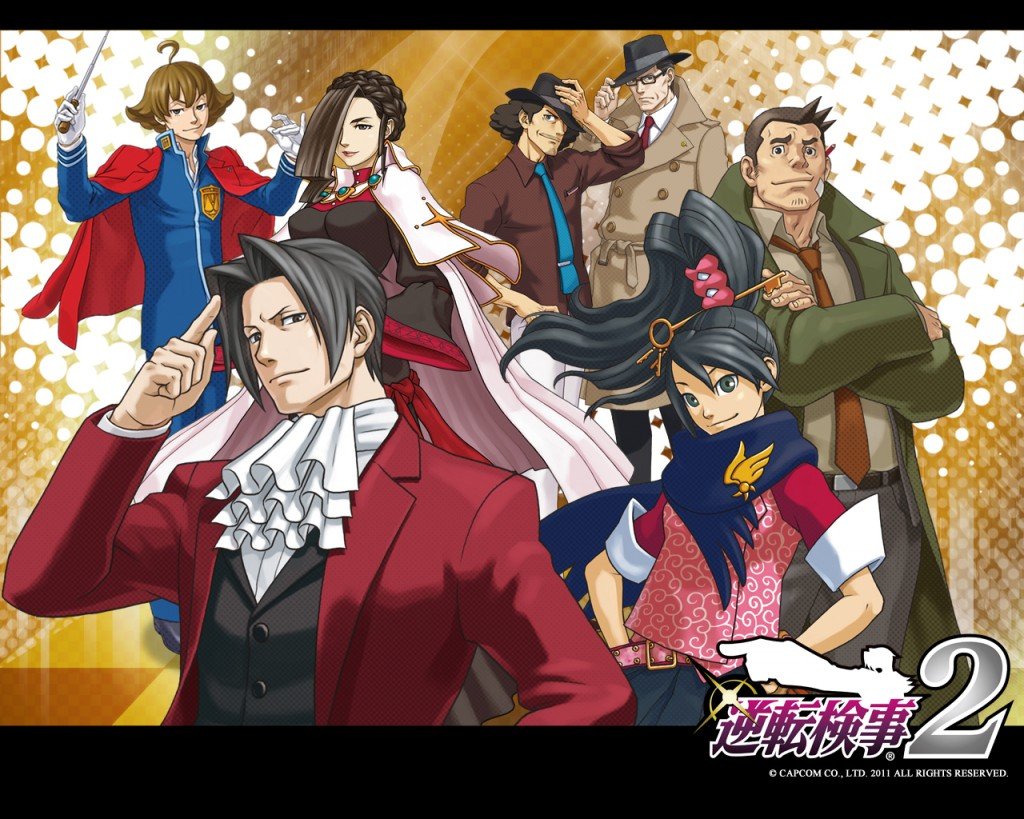
Spoiler commentary and discussion of Averted Prosecutor 2 (game)
Ace Attorney 2" is a mystery adventure game released in 2011 exclusively for the Nintendo DS. Continuing from the previous title, the main character is Reiji Goken, a rival prosecutor well-known in the "Ace Attorney" series, who confronts a number of cases that take place in the present day. This time, Reiji Goken's father also makes an appearance, and the story takes another step deeper as Reiji Goken himself investigates the cases while considering how he should face them "as a prosecutor".
Read Article
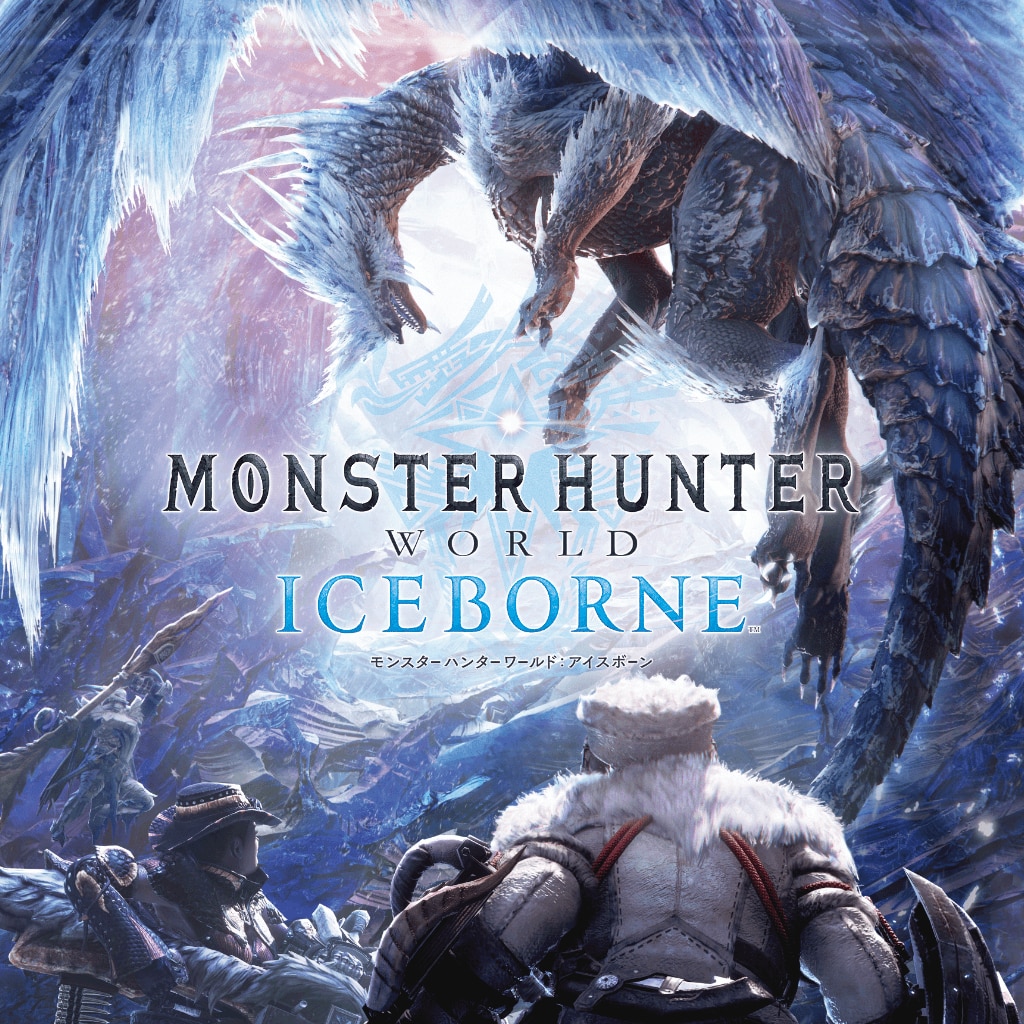
Monster Hunter World: Iceborn (MHWI) Spoilers and Discussion Summary
Monster Hunter World: Iceborn is a very large expansion content for the very popular title Monster Hunter: World, which was released in 2018 and sold 16.1 million copies in 2020. In this scenario, which unfolds after the ending of World, both fields and bases have been completely redesigned. A new quest rank, "Master Rank," has been established, and hunters will encounter new powerful enemies in the extremely cold lands known as the frozen lands of the crossing.
Read Article
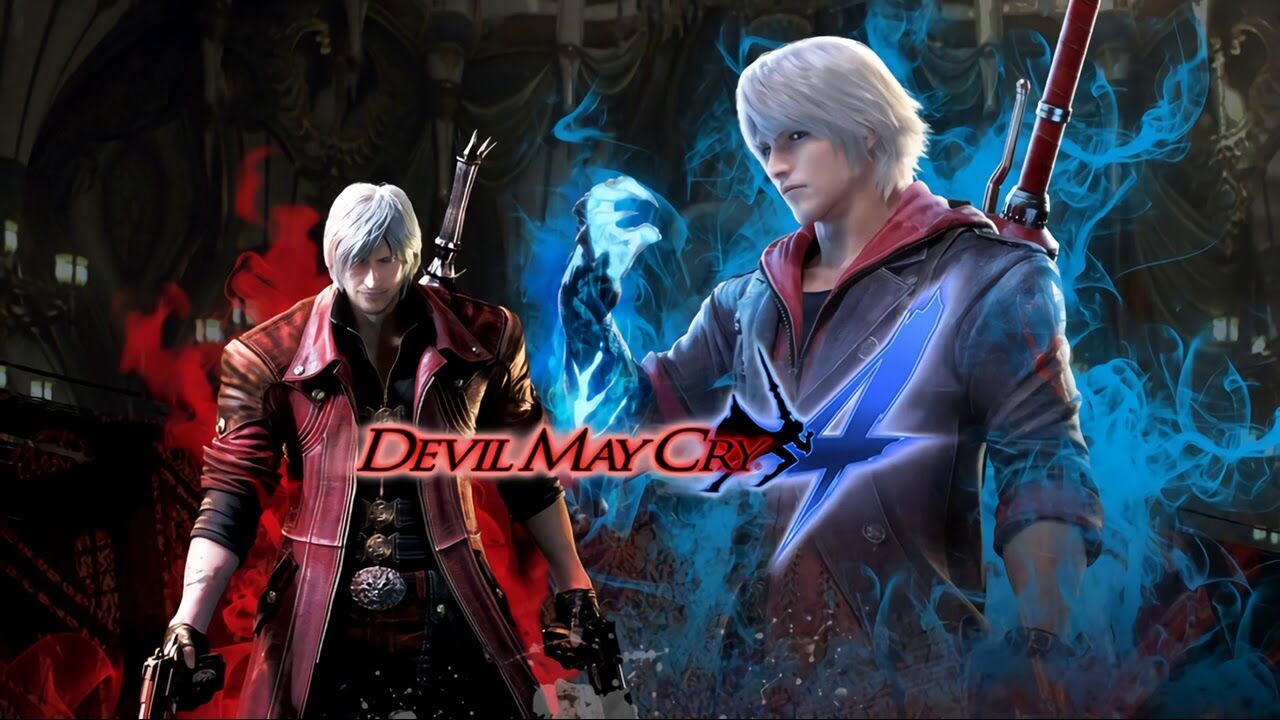
Devil May Cry 4 (Devil May Cry 4) Spoiler Commentary and Discussion Summary
Devil May Cry 4 is a stylish action game released by Capcom Co. The game is compatible with PlayStation 3 and Xbox 360, and a PC version was later released. The main character has been changed from Dante, who had been the protagonist until the previous game, to a new character, Nero. The story is set in a world where demons exist and harm humans. In the fortress city of Fortuna, Nero, a young knight who belongs to the Order of the Magic Sword, pursues the murderer of the Pope during the Magic Sword Festival, and discovers the true identity of the murderer and the true purpose of the Order.
Read Article
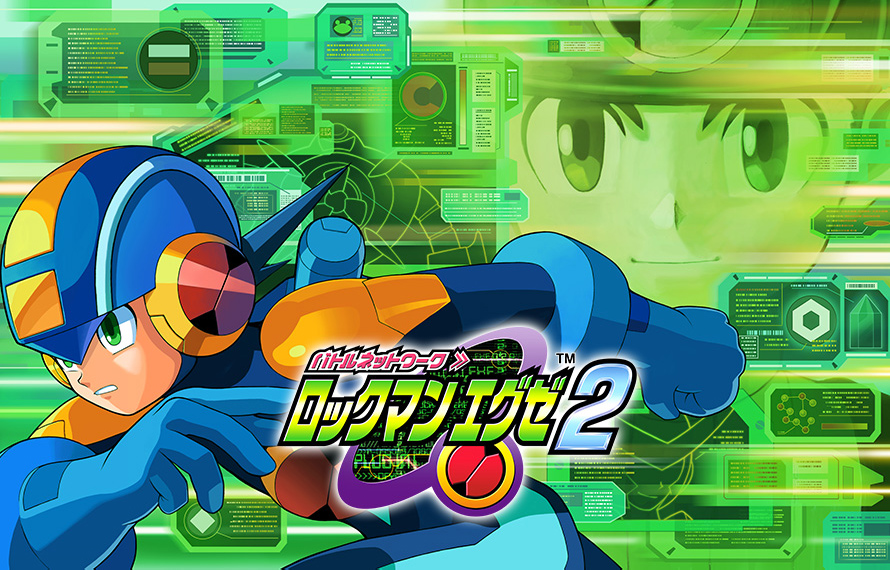
Battle Network Mega Man Exe 2 (Game) Spoiler Commentary and Discussion Summary
Battle Network Mega Man Exe 2" is a data action RPG for the Game Boy Advance, the second title in the popular "Mega Man Exe" series. It was developed by Capcom and released in December 2001. The game alternates between the real world and the cyber world, and depicts the battle against viruses spreading in the cyber world. Three months after the destruction of the criminal organization WWW (World Three), Internet crimes occur one after another in the world. In order to find out the truth behind the crimes, Kouto and his navigator, Megaman, overcome various difficulties.
Read Article
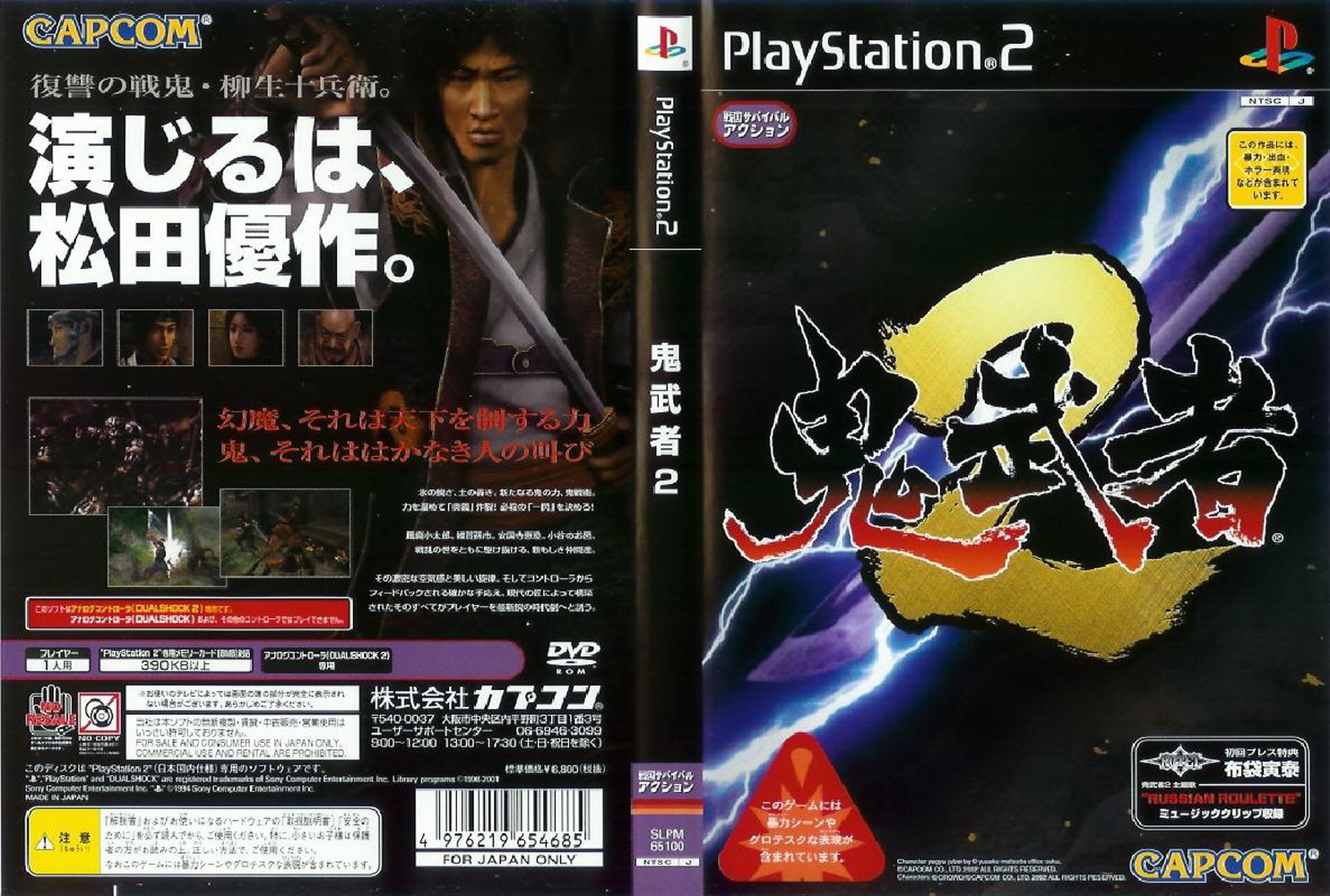
Onimusha 2 (game) spoiler commentary and discussion
Onimusha 2" is a video game developed by Capcom for the PlayStation 2 and is the second title in the "Onimusha" series. The genre is an action game. Set 13 years after the battle between Samosuke Akechi and a phantom demon in the previous "Onimusha," the game depicts the battle between Jubei Yagyu, the hero who has become the new Onimusha, and the phantom demon, an oddly shaped monster. The exhilaration of slashing, which was so well received in the previous title, has been enhanced with the introduction of many new systems, and an adventure element has also been added to branch out the story.
Read Article
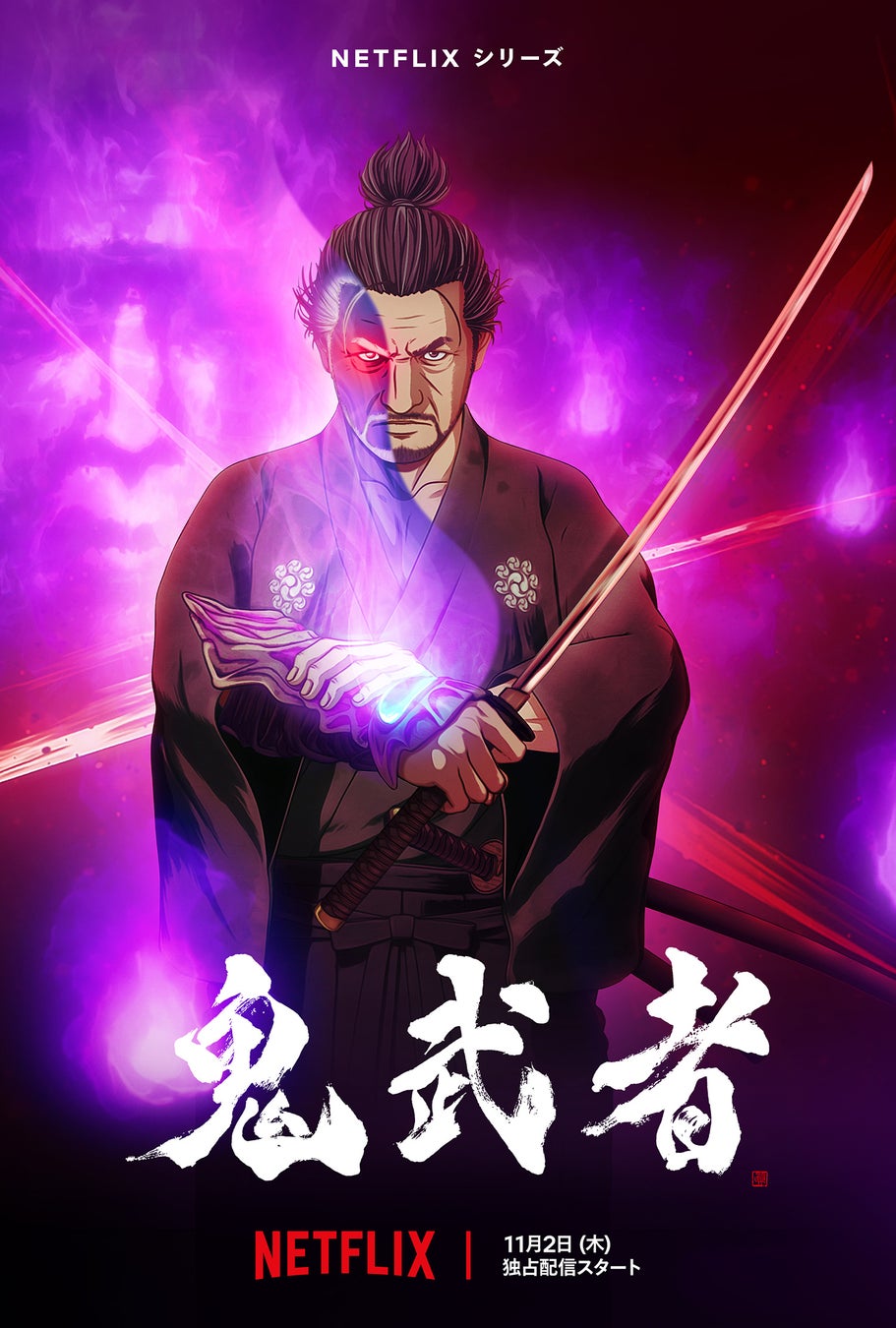
Onimusha (anime) spoiler commentary and discussion summary
The anime version of "Onimusha" is a 2023 original anime based on the action game series of the same name. The film is strongly geared toward a Western audience, with the world-famous swordsman Miyamoto Musashi as the main character and Toshiro Mifune, who starred in several of Akira Kurosawa's internationally acclaimed samurai films, as the film's motif. Musashi Miyamoto, who is on a journey of ascetic training, is entrusted by a certain monk with a demon's cage hand, which was made to defeat a phantom demon. While offering his own soul or the souls of those he has discarded to the demon's cage, Musashi throws himself into the battle against the demons that threaten the people of Japan.
Read Article
Contents
- Outline of "Street Fighter III
- Commentary on the "Street Fighter III" series
- arcade version
- Street Fighter III -NEW GENERATION
- Street Fighter III 2nd IMPACT -GIANT ATTACK
- Street Fighter III 3rd STRIKE -Fight for the Future
- Home porting version
- Street Fighter III W IMPACT
- Street Fighter III 3rd STRIKE -Fight for the Future-" (Dreamcast version)
- Street Fighter III 3rd STRIKE -Fight for the Future-" (PlayStation2 version)
- Street Fighter Anniversary Collection
- Street Fighter III 3rd STRIKE ONLINE EDITION
- Street Fighter 30th Anniversary Collection
- The World of "Street Fighter III
- secret society
- Game System of "Street Fighter III
- Game Progression
- Screen Display and Win/Loss Conditions
- How to operate
- Targeted combos / Various continuous technique systems
- Super Arts (SA)
- blocking
- System of "1st" and "2nd
- Characters in Street Fighter III
- Appeared from "1st
- Alex
- dragon flute (medium-pitched bamboo transverse flute with seven-holes)
- Ken.
- yun (ancient Chinese plucked zither)
- Yang.
- Oro
- necro
- Dudley.
- breath (metaphor)
- Elena.
- schooner
- gill
- Appeared from "2nd
- urean
- Hugo
- formidable fighter
- Appeared from "3rd
- Chun-Li (dynasty of China; 221-263 CE)
- Remy.
- that's right (used when recalling forgotten information, suddenly changing the subject, etc.)
- twelve
- q
- Special techniques for "Street Fighter III
- non-guard coordination
- stocking filler
- Moving Throw / Slide Throw
- crouching grapple
- SGK
- symmetrical partitioning
- Backstories, Trivia, and Small Stories/Episodes/Anecdotes from "Street Fighter III" (Japanese only)
- Released as unfinished due to lack of development progress
- Amazing Graphics
- How "3rd" grew to become one of the most popular gaming titles