
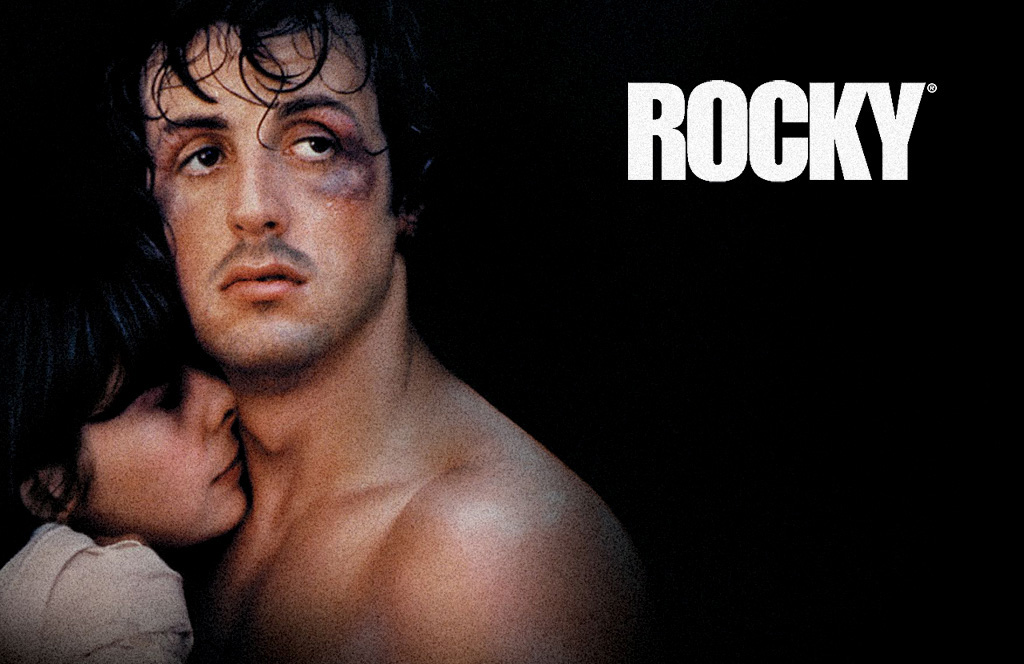
Rocky" is an American film released in 1976. Despite its low budget, it won three Academy Awards and was the first film in the worldwide blockbuster series that catapulted unknown actor Sylvester Stallone to stardom. Directed by John G. Avildsen. Rocky, a third-rate boxer living in the slums of Philadelphia, is picked as an opponent by Apollo, the world champion. In order to prove that he is more than just a ragdoll, and for the sake of Adrian, the woman he loves, Rocky challenges him to a deadly fight in the ring.
Stallone, who did not give up his role as Rocky.
The film company liked the script that Stallone wrote and pitched in just three days, and offered $75,000, a huge fee for a script at the time, but they insisted that the film be produced "with top stars such as Paul Newman, Robert Redford, and Al Pacino in the lead roles. Stallone, on the other hand, insisted that he would be the star of the film. Stallone, on the other hand, was adamant that he would not hand over the script if he did not play the lead role, and he insisted that he would not be dazzled by the script fee, saying that he could deal with poverty. In the end, his claim was accepted, but the film was treated as a low-budget B-movie because it starred an unknown actor, and the director was paid half his usual fee, Stallone was paid the minimum set by the actors' union, the producer was paid nothing, the production cost was the equivalent of one TV series (about $1 million), and the scriptwriting fee, which had soared to $360,000, was reduced to $20,000. The production started under the condition that the script fee, which had risen to $360,000, would be reduced to $20,000.
Stallone's dog and family also appear.
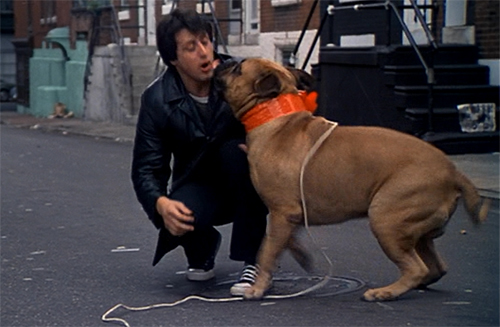
Bacchus, a large dog that was spoiling Rocky from his cage at the pet store where Adrian works, is the dog that Adrian, who has started dating Rocky, gives him as a training companion because he knows Rocky's favorite dog.
In fact, Bacchus was Stallone's pet dog at the time. When he wrote the script for this film, Stallone was at a financial standstill and was considering selling Bacchus to save money for feed.
The low-budget production of the film led not only to Bacchus making his first film appearance, but also to Stallone's own father (Frank Stallone) as the timekeeper (the person who rings the gong (bell) at the game) and his own brother (Frank Stallone Jr.) as one of the young men singing in the streets who appear early on in the film. This was his first film appearance. Stallone's wife at the time (Sasha) also participated as a still photographer.
Anomalous filming methods are for low budgets.
In order to save even more time and budget for the make-up work, an anomalous method was used for the final fight scene against Apollo, in which the film was shot in reverse order, from the last round to the first round, in order to gradually remove the make-up from the injuries. The reason for this is that if the rounds are shot in the reverse order, the amount of injuries must be gradually increased, but this requires a considerable amount of make-up time each time. If the order is reversed, the only thing that needs to be done is to peel off the layers, so it takes less time and effort.
Touching episodes at the preview
After the film was completed, Stallone, accompanied by his mother, invited the filmmakers to a screening of the film. However, after the screening, the filmmakers left quickly with no response at all. Deeply disappointed, Stallone replied to his mother, "I did all I could," and got up to leave. Then, to his surprise, the directors who he thought had left the venue gathered in front of the exit, and Stallone was greeted with thunderous applause.
What is an end-roll memorial?
At the end of the end roll, the sentence "This film is dedicated to Jane Oliver" appears.
Jane Oliver was the agent (manager) who supported Stallone from the time of his obscurity, and she passed away suddenly just before the Academy Awards ceremony.
Incidentally, this eulogy became a regular feature until the fifth film, "Rocky 5: The Last Drama.
実は成功者ではないロッキー
『ロッキー』を単純なサクセスストーリーとして記憶されている人も多いが、社会派映画として記憶されている人はあまりいない。『ロッキー』は題名の通りに、ロッキー・バルボアその人自身の物語だ。しかしロッキーはそれ以上に、一人の社会的弱者が自らの可能性に挑む物語だったのではないか。
それにはこの映画の登場人物、メインとなる二人のボクサーに対する考察を深める必要がある。主人公のロッキー・バルボアは素質こそ認められているものの、練習が嫌いな無名の三流ボクサーであり、闇金融の取立人として使われることでようやく生計を立てているという絵にかいたようなホワイトトラッシュ(白人のクズ)だ。学歴もなく、まともな職を望めないような境遇にくすぶっている。対する王者アポロは国民的大スター。慢心や打算も見えるが、パワー・スピード・テクニック三拍子そろった本物の実力者だ。しかし、彼ももともとはスラム街の薄暗いジムで必死の練習を積み、その地位を確立した成り上がり者である。
図式としては、成り上がりの黒人と、おそらく日の目をみないであろう貧乏白人の対決ということで、社会的な弱者が自らの生存をかけた争いだったと言える。『ロッキー』ではアポロがかろうじて勝利するが、続編では、ロッキーのファイトに胸を打たれた国民がアポロの勝利は八百長ではないかと声をあげ、窮したアポロには避けられない戦いとして、ロッキーに再戦をせまるのが続編の『ロッキー2』となる。ロッキーは体に衰えを感じてボクシングを引退しているが、なかなか職につけず自身の車を売ってしまう程に困窮していた。この戦いは、アポロもロッキーと同じく本当に後がない状況にいることが伺える。
『ロッキー』で主人公のロッキーが作品の中で得たものは、婚約者とボクシングへの情熱だけた。試合は判定までもつれ込むが負けてしまうため、これでは映画におけるサクセスとしてはいささか物足りない。
実は、彼は『ロッキー』では成功しておらず、成功者となるのは『ロッキー3』、厳密には『ロッキー2』の最終シーンである。鍛えぬかれた体で格上のチャンピオンに対して必死に食らい付き、ボロボロになっても戦い続ける闘志が強い共感を得たために生まれた勘違いだが、少なくとも映画『ロッキー』において、彼は勇者であって成功者とは言えないのだ。
背景として~当時のアメリカ~
1970年代のアメリカでは黒人の公民権運動がようやく成果を見せ始め、黒人の社会進出が活発になってきていた。劇中の王者アポロは名声を絶対のものとする為に躍起となっているが、そうした行動もいまだ不安定な黒人の権利の代表だったとも言える。
一方のロッキーはフィラデルフィア出身。70年代当時のフィラデルフィアは不況による劇的な治安低下で非常に荒廃していた。白人社会の落伍者の吹き溜まりそのもので、ロッキーもその一人。こうした両雄が偶然にも出会い栄光を争う、また決戦の地フィラデルフィアは独立宣言が出された場所。『ロッキー』は白人社会が威厳を取り戻すための旗印だったとも考えられるのだ。
結びに~映画『ロッキー』の真価を考えよう~
初戦ではロッキーの目標は勝利ではなかった。劇中で彼は「最後まで立っていられれば俺が屑ではないことが証明できる」と言っている。つまり、勝ち目の薄い相手に対して決死の覚悟で挑むことこそがロッキーの目的だったのだ。ロッキーはその目的を果たし、一度は自信を取り戻し、地元のヒーローともなったが、それだけでは成功者にはなれなかった。むしろ負け犬の世界から全く脱却できなかった。成功者になれるのは勇者ではなく王者のみなのだ。
対するアポロも疑惑の王者ということで権威を失っており、窮地に立たされている状態であるため、王者であることの証明こそがアメリカンドリームを掴む唯一の方法だったといえるだろう。『ロッキー』の映画としての価値はまさにここにこそあると言える。二人の不遇な境遇を持つボクサーが生存をかけてまで争わなければいけなくなる、過剰な競争社会を代弁したこと、誰しもに可能性を与えることの素晴らしさを社会に訴えかけたこと、そして片側では大衆に対して自らも境遇と戦う勇気を与えたこと。自由とは何かを考えるのに十分な映画であり、その意図が知らず知らずに観衆にも伝わったことがこの映画が大衆を沸かせた秘密だったのではないだろうか。
Awards for "Rocky
The 49th Academy Awards
<Winners
Best Picture (Irwin Winkler, Robert Chartoff)
Best Director (John G. Avildsen)
Best Editing (Richard Halsey, Scott Conrad)
<NOMINATIONS
Best Actor Award (Sylvester Stallone)
Best Actress Award (Talia Shire)
Best Supporting Actor (Burgess Meredith, Burt Young)
Best Screenplay (Sylvester Stallone)
Best Song Award (Bill Conti, Carol Connors, Ayn Robbins)
Best Sound (Bud Alper, Harry Warren Tetrick, William McCoy, Lyle Burbridge)
31st British Academy Awards
<Awards
Best Picture (Irwin Winkler, Robert Chartoff)
<Nominations
Best Director (John G. Avildsen)
Best Actor in a Leading Role (Sylvester Stallone)
Best Original Screenplay (Sylvester Stallone)
National Society of Film Historians Award
Best Performance by an Actor in a Leading Role (Sylvester Stallone)
David di Donatello Award
Best Performance by an Actor in a Foreign Film (Sylvester Stallone)
34th Golden Globe Awards
<Winners
Best Picture - Drama (Rocky)
Best Director (John G. Avildsen)
<Nominees
Best Performance by an Actor in a Leading Role (Drama / Sylvester Stallone)
Best Performance by an Actress in a Leading Role (Drama/Talia Shire)
Best Original Score (Bill Conti)
Best Screenplay Award (Sylvester Stallone)
42nd New York Film Critics Circle Awards
Best Supporting Actress (Talia Shire)
2nd Los Angeles Film Critics Association Awards
Best Picture, "Rocky" (concurrent with "Network")
The 1st Japan Academy Prize
Best Foreign Film "Rocky
The 20th Blue Ribbon Awards
Best Foreign Film "Rocky
『ロッキー』の主題歌・挿入歌
Gonna Fly Now (Rocky's Theme)
Composed by Bill Conti
Lyrics: Carol Connors, Ayn Robbins
Known as "Rocky's Theme," this song is played in the opening scene with the giant "ROCKY" letters running from right to left, and in training scenes.
The song was nominated for an Academy Award for Best Song, and would be used in many scenes throughout the world, including TV programs and entrance songs for athletes.

Related Articles
Rocky 5: The Last Drama (film) spoiler alert and discussion summary
Rocky 5: The Last Drama" is a 1990 American film. It is the fifth and final installment of the "Rocky" series, which has depicted a success story through the love and struggle of one man's attempt at boxing. John G. Avildsen, who directed the first film in the series, was invited back to direct, and Sylvester Stallone wrote the script and stars. The film depicts Rocky, who retired from boxing due to brain damage, lost his fortune, and returned to his roots in downtown Philadelphia to lead a second life as a trainer and trainer of new boxers.
Read Article
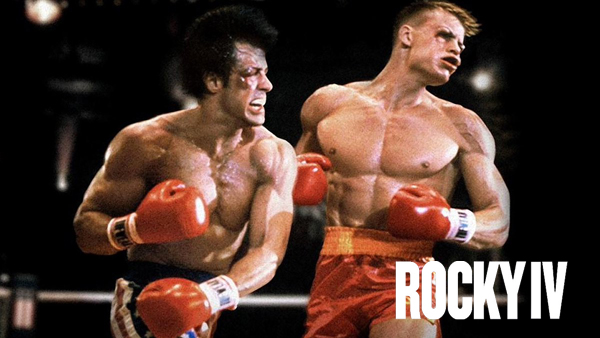
Rocky 4: Friendship in Flames (movie) spoiler summary
Rocky IV: Friendship on Fire" is an American film produced in 1985. It is the fourth film in the "Rocky" series. It was directed by, written by, and starring Sylvester Stallone. The story, set against the backdrop of the Cold War between the U.S. and the Soviet Union at the time, is very different from the previous three films. Apollo, Rocky's nemesis and best friend, has retired and is ready to step into the ring again. However, he is killed in the ring by the murderous punches of his challenger, the tall Soviet boxer Drago. Rocky sets off for the hostile Soviet Union to defeat Drago.
Read Article
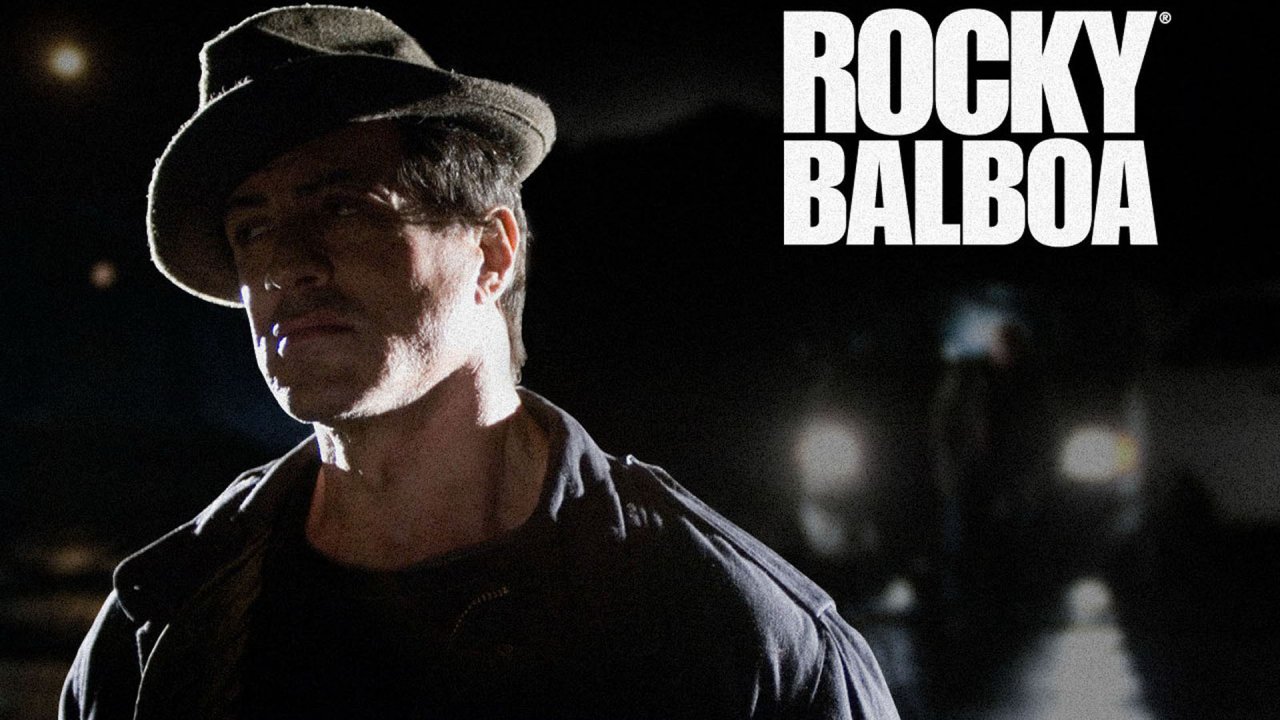
Rocky the Final (movie) spoiler alerts and discussion summary
Rocky the Final" is a 2006 American film. It is the sixth film in the "Rocky" series, Sylvester Stallone's career and masterpiece. Stallone directed, wrote, and starred in the film, which concludes the legendary series 16 years after the fifth film and 30 years after the first film. The film passionately and movingly depicts Rocky, who has retired, his beloved wife Adrian has passed away, and his relationship with his only son Junior is strained and unsatisfying, as he makes a reckless comeback with a determination, interspersed with many memories from his life.
Read Article
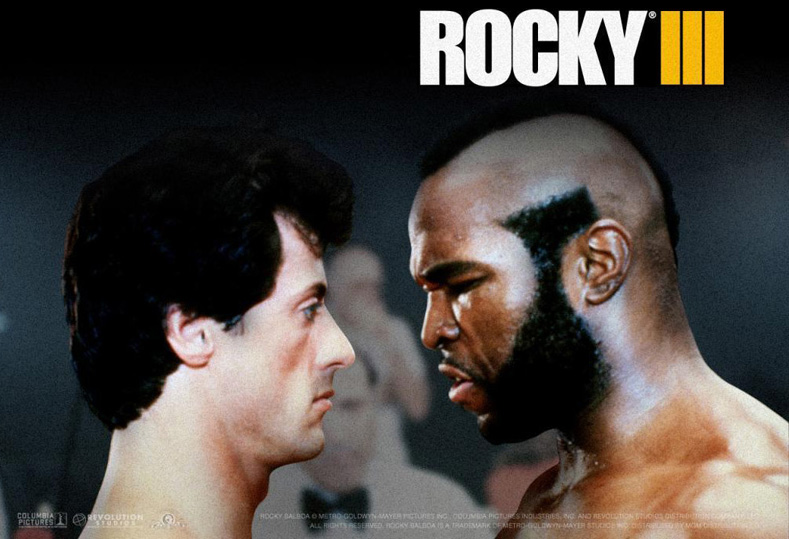
Rocky 3 (movie) spoiler summary and discussion
Rocky III" is an American film released in 1982. It is the third film in the "Rocky" series and a sequel to "Rocky 2" (1979). Sylvester Stallone continued to direct, write, and star in the film, which was intended to be the final chapter in the series. Rocky becomes world champion and leads a smooth sailing life. Then a powerful black boxer named Clubber comes to challenge him. However, Rocky, who has forgotten his hungry spirit, is cruelly defeated. Rocky is determined to make a comeback, and his old nemesis Apollo comes forward as his trainer to challenge him to a return match against Clubber.
Read Article
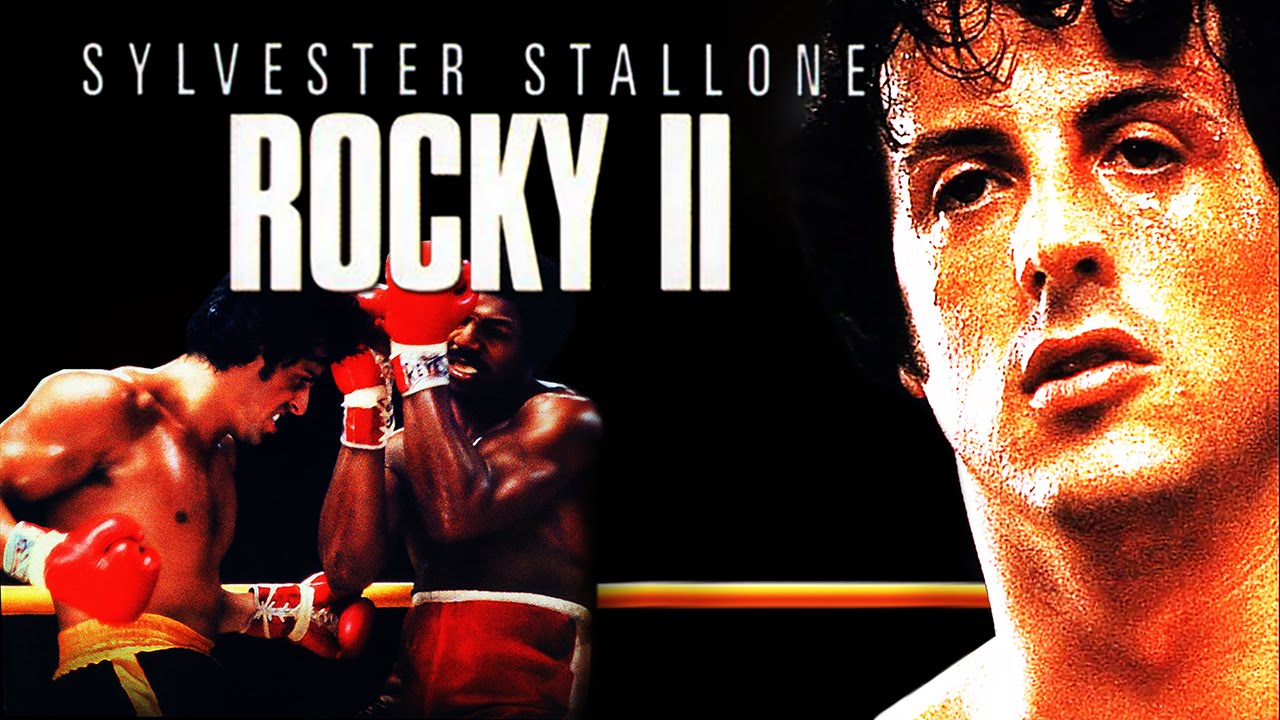
Rocky 2 (film) Spoiler Summary and Discussion
Rocky 2" is an American film released in 1979. It is the sequel to "Rocky" (1976), which catapulted Sylvester Stallone to stardom, and the second in the series. In this film, Stallone replaces John G. Avildsen as director, writer, and star. Unsatisfied with his match with Rocky, world champion Apollo plots to drag him into a return match. Rocky quits boxing, marries his girlfriend Adrian, and has Junior, but after much anguish, he decides to accept Apollo's challenge again.
Read Article
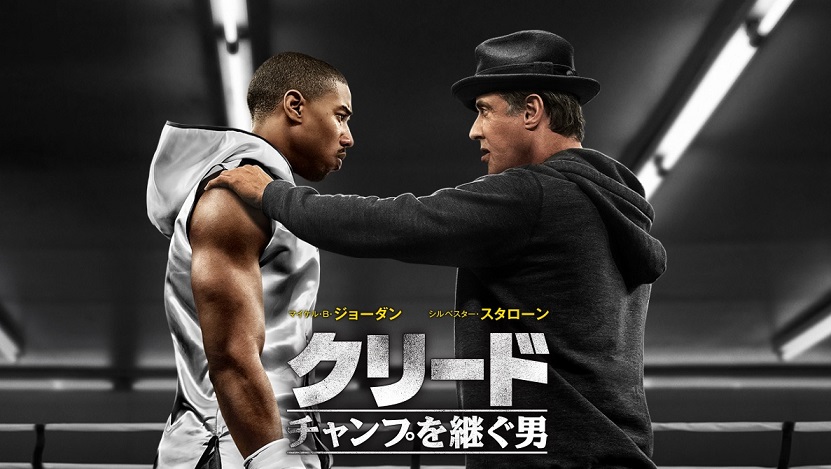
Creed: The Man Who Would Inherit the Champ (film) spoiler alert and discussion summary
Creed: The Man Who Would Inherit the Champ is a 2015 American film. It is the first spin-off film in the "Rocky" series that catapulted Sylvester Stallone to stardom and tells a new story after nine years since "Rocky the Final". Adonis, the son of the late legendary boxer Apollo, seeks out Rocky, who once fought a fierce and historic battle with his father, and asks him to train him. Rocky sees the image of Apollo in Adonis' purity and passion, and trains him, entrusting him with everything he has, and together they challenge for a world title match as seconds.
Read Article
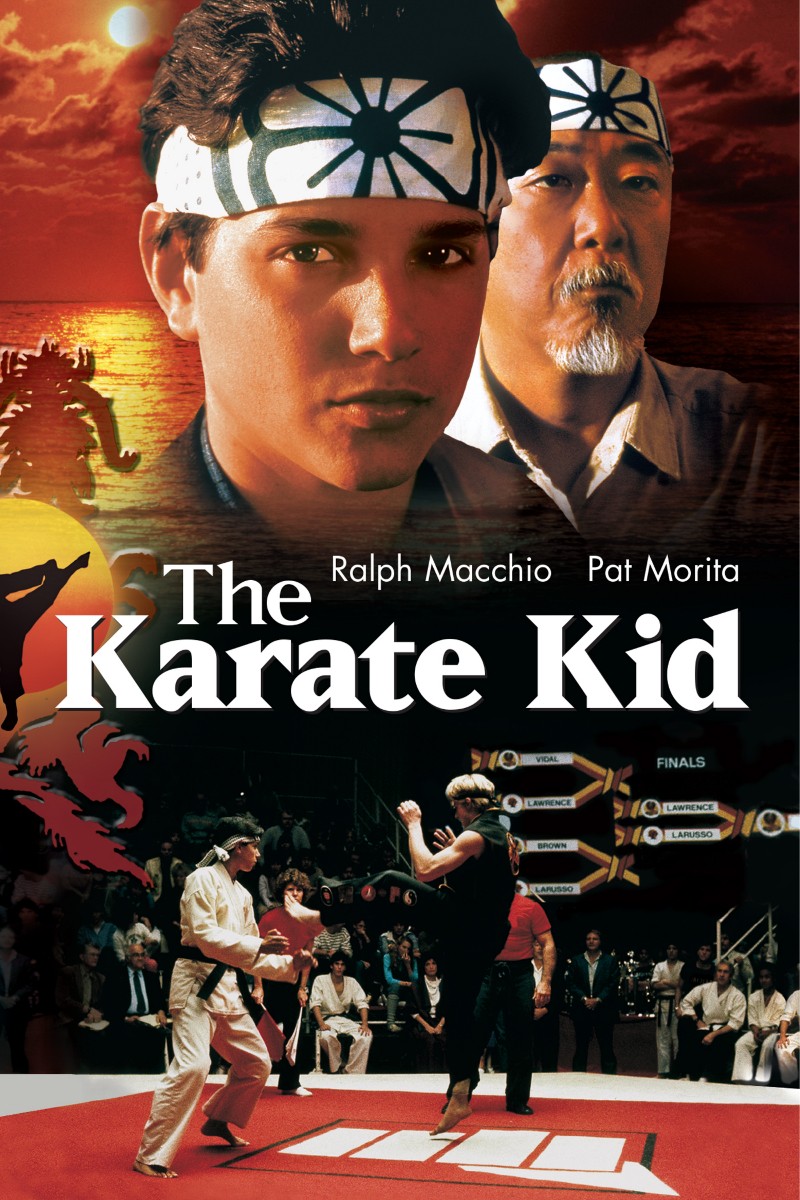
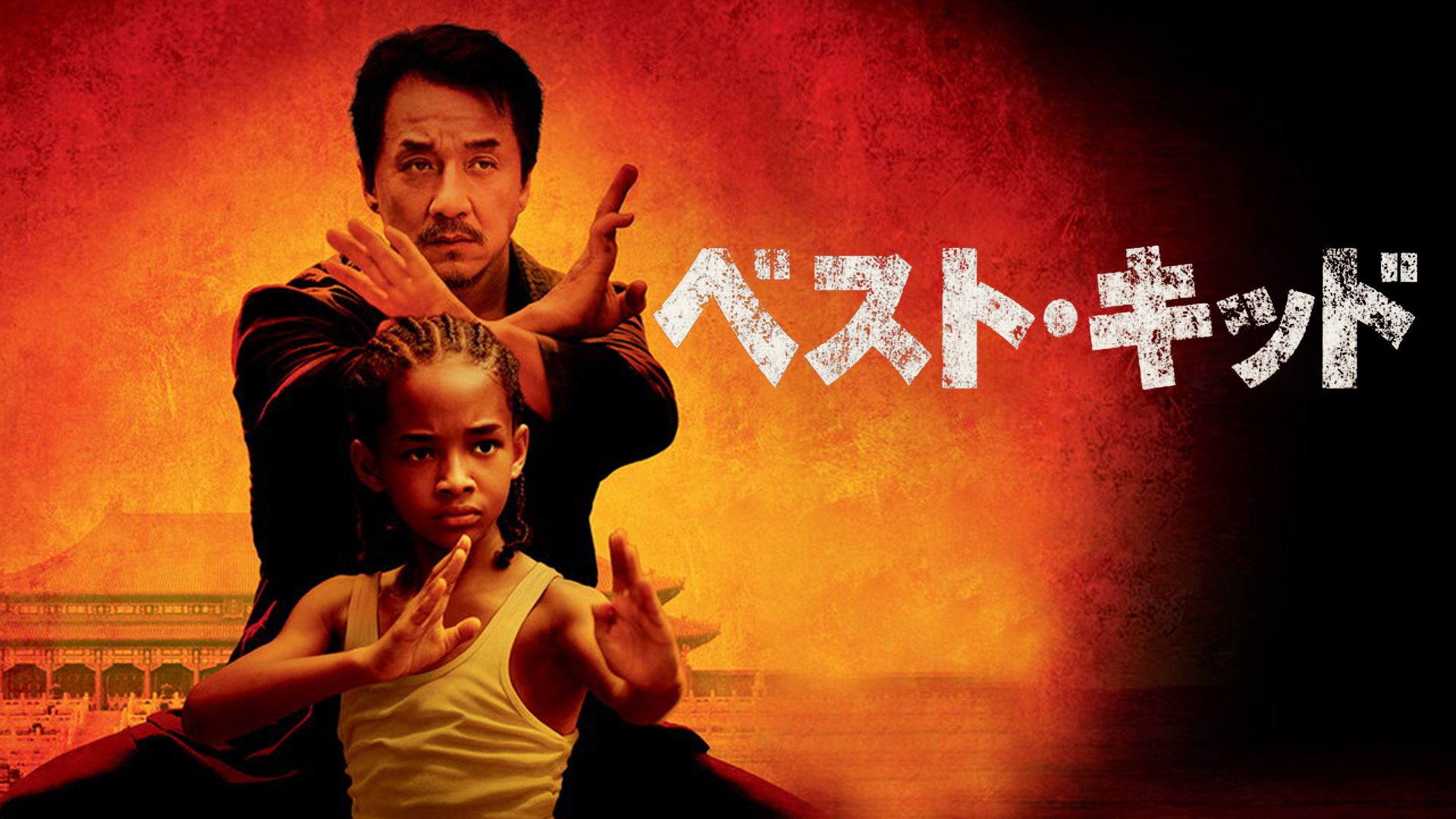
Best Kid (The Karate Kid) Spoiler Commentary and Discussion Summary
The Best Kid" is a 1984 American film directed by John G. Avildsen (Rocky). Directed by John G. Avildsen ("Rocky"), "The Best Kid" is a coming-of-age action film about a boy who grows up through karate. Noriyuki Pat Morita, who plays Miyagi, a karate expert, was nominated for an Academy Award for Best Supporting Actor. Daniel is a weak high school student who is beaten up by a group of delinquents. When he meets Miyagi, a karate master, he begins to learn karate and eventually competes in a youth karate tournament.
Read Article
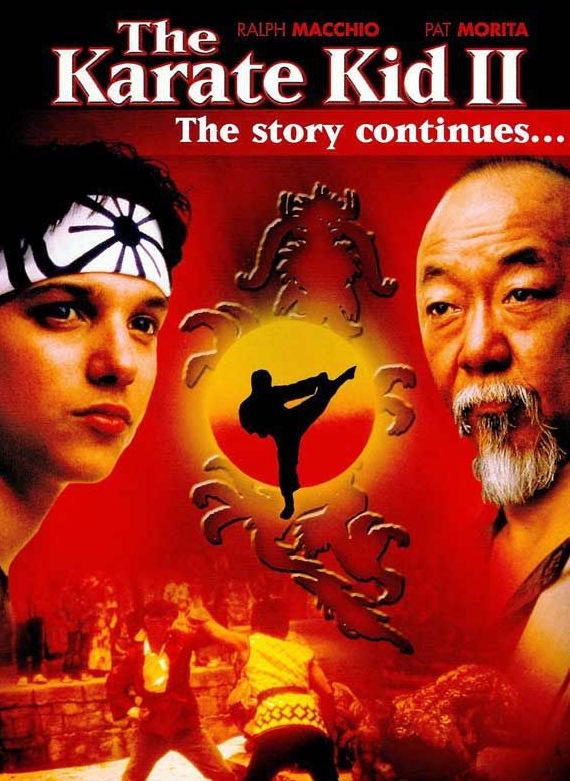
Best Kid 2 (The Karate Kid Part II) Spoilers and Discussion Summary
Best Kid 2" is an American film released in 1986. It is the second installment of the hit "Best Kid" series, in which Daniel, a high school student, grows up through karate, which he learned from Miyagi, a Japanese-American. Directed by John G. Avildsen, following on from the first film, this time the film takes place in Miyagi's hometown of Okinawa. This time, the film takes place in Miyagi's hometown of Okinawa, and depicts Daniel's new ordeal as he gets caught up in a fateful confrontation with his former rival Satou, who is bent on revenge against Miyagi.
Read Article
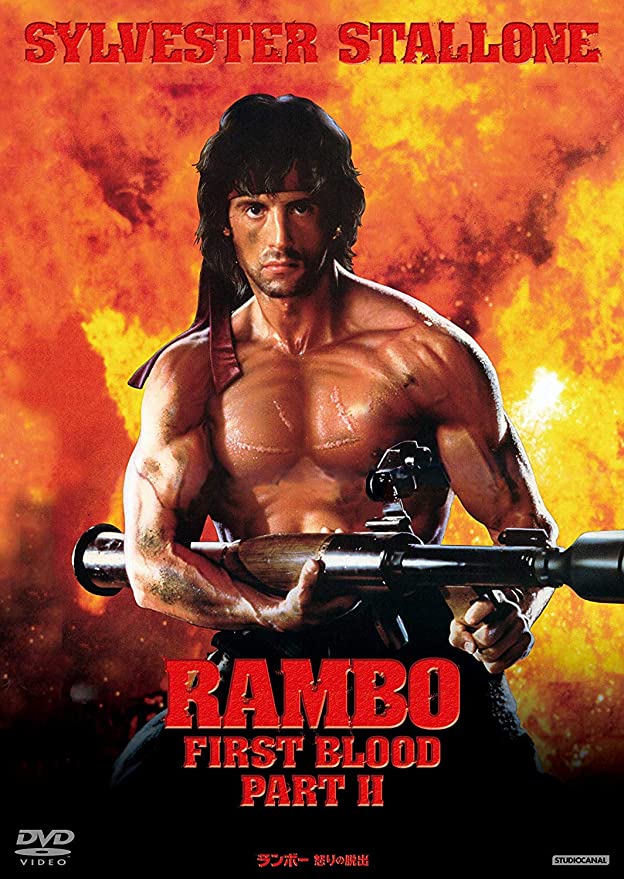
Rambo: Escape from Wrath (Rambo 2) Spoilers and Discussion Summary
Rambo: Deliverance of the Fury" is a milestone in 80's action movies. Colonel Trautman visits Rambo in prison and proposes that he participate in an operation in the Far East. The mission is to investigate soldiers being held as prisoners of war in Vietnam. As Stallone says, "In the '80s, it was all about muscle and explosives." The amount of explosives and the depiction of action exceeded the norm. It is also said to be "the most cracked movie in the history of cinema," and movies with the themes of "Vietnam veterans" and "rescuing Vietnam POWs" lined the war action sections of video stores.
Read Article
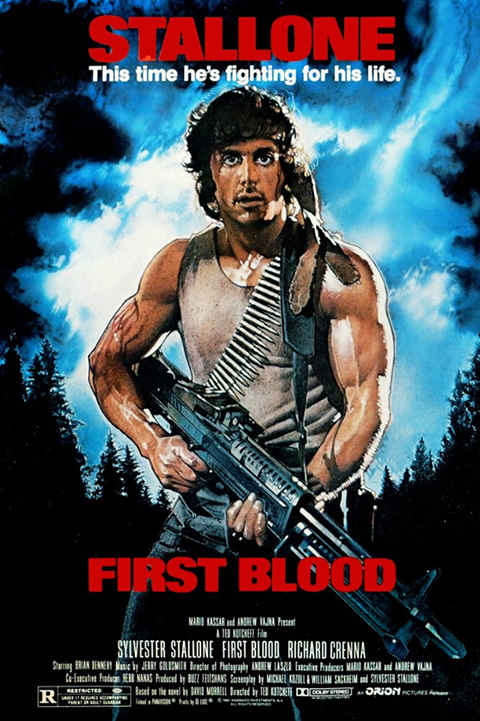
Rambo (movie) spoiler alerts and discussion summary
Rambo" (originally titled "First Blood") is a 1982 U.S. action film starring Sylvester Stallone and is the first film in the "Rambo" series. Rambo, a Vietnam veteran who has been excluded from society, happens to visit a town where he meets a sheriff who tries to drive Rambo out, leading to a fight. Through Rambo, the film depicts the dark side of the U.S., which has become a social problem as a negative legacy of the Vietnam War. Following "Rocky," this film became Sylvester Stallone's masterpiece and cemented his status as a Hollywood star.
Read Article
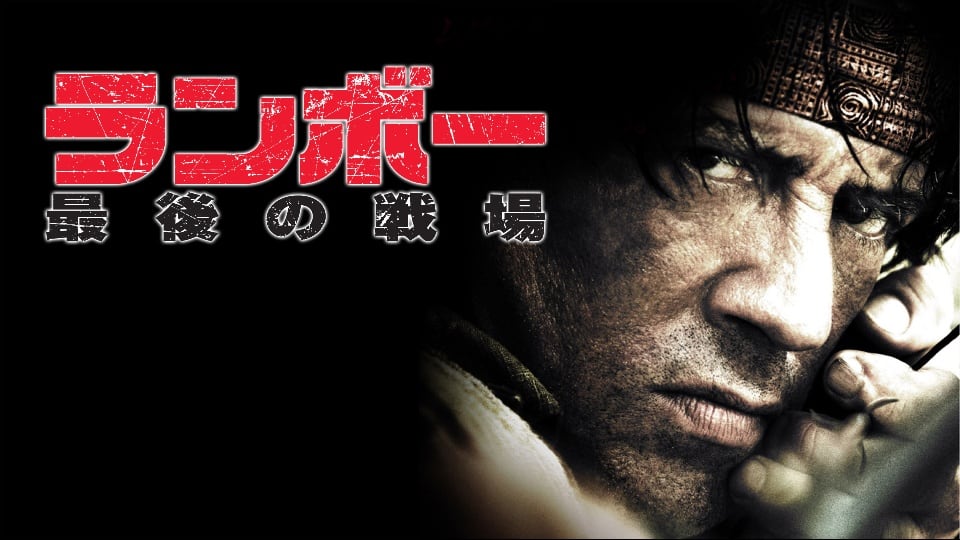
Rambo: The Last Stand (Rambo 4) Spoilers and Discussion Summary
Rambo: The Last Stand is an action film released on May 24, 2008, and is the fourth film in the Rambo series. It stars, was directed and written by Sylvester Stallone. It is the first sequel in 20 years since the previous film, "Rambo 3: The Wrath of Afghanistan. Rambo, who has been living quietly in northern Thailand, heads into enemy territory to rescue a Christian NGO group captured by the Myanmar army. This film is set in Myanmar, and Rambo returns to the battlefield.
Read Article
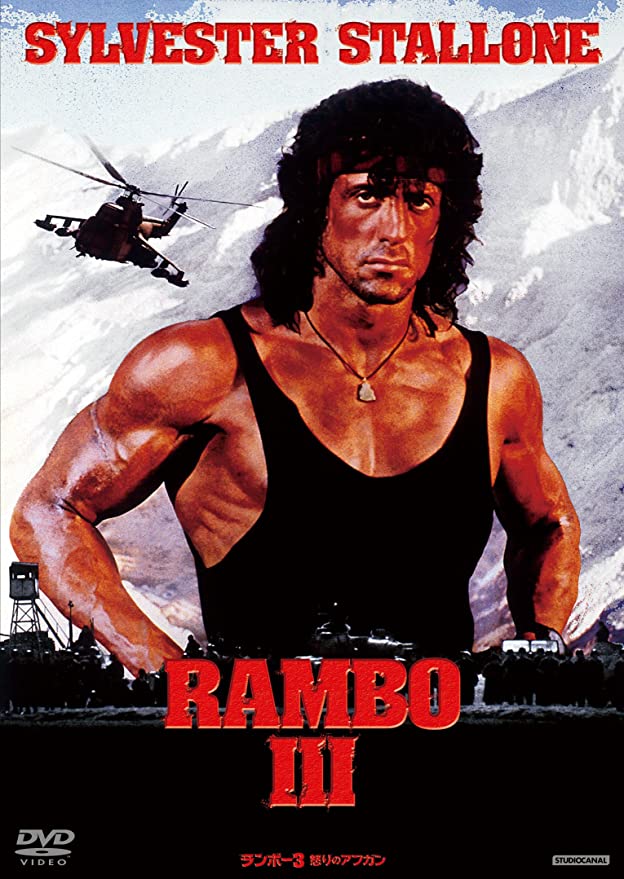
Rambo 3: The Wrath of Afghanistan (film) spoiler alert and discussion summary
Rambo 3: Afghanistan of Fury" is a 1988 American action film and the third film in the "Rambo" series. Colonel Trautman, Rambo's superior officer during the Vietnam War and the only person who understands him, is captured by Soviet troops on the battlefield in Afghanistan. Rambo, who had been living quietly in Thailand, heads for Afghanistan to rescue Colonel Trautman upon learning of the incident. At the time of its release, the film was listed in the Guinness Book of World Records as the "Most Violent Film" with the catchphrase "108 deaths in 101 minutes of film.
Read Article
Contents
- Overview of "Rocky
- Synopsis and story of "Rocky"
- 鳴かず飛ばずの三流ボクサー
- 突然訪れたアメリカンドリーム
- 運命の試合
- ロッキーが得た勝利を超えた価値
- Major characters in Rocky
- 主人公
- Rocky Balboa (played by Sylvester Stallone)
- 主な登場人物
- Adrian (played by Talia Shire)
- Paulie (played by Burt Young)
- Mickey (played by Burgess Meredith)
- Apollo Creed (played by Carl Weathers)
- Gazzo (played by Joe Spinell)
- Jergens (played by Thayer David)
- Duke (played by Tony Burton)
- Spider (performed by Pedro Ravel)
- Marie (played by Jodie Letizia)
- Famous quotes, lines, scenes, and scenes from "Rocky
- Why do you wanna fight?" Why do you wanna fight?"
- "I don't know about you, but she fills gaps." "I dunno... "I dunno... she fills gaps."
- Only a pig would say that!" Only a pig would say that!"
- "If I can go that distance, you see, and that bell rings and I'm still standin', I'm gonna know for the first time that I'm not a goner. first time in my life, see, that I wasn't just another bum from the neighborhood."
- Adrian! Adrian!"
- Many training scenes imitated by many people.
- Backstories, trivia, and small stories/episodes and anecdotes from "Rocky".
- スポーツ映画の金字塔
- Another Ending
- The origin of "Rocky" was the world heavyweight title match.
- Stallone, who did not give up his role as Rocky.
- Stallone's dog and family also appear.
- Anomalous filming methods are for low budgets.
- Touching episodes at the preview
- What is an end-roll memorial?
- 実は成功者ではないロッキー
- 背景として~当時のアメリカ~
- 結びに~映画『ロッキー』の真価を考えよう~
- Awards for "Rocky
- 『ロッキー』の主題歌・挿入歌
- Gonna Fly Now (Rocky's Theme)
- The Final Bell