
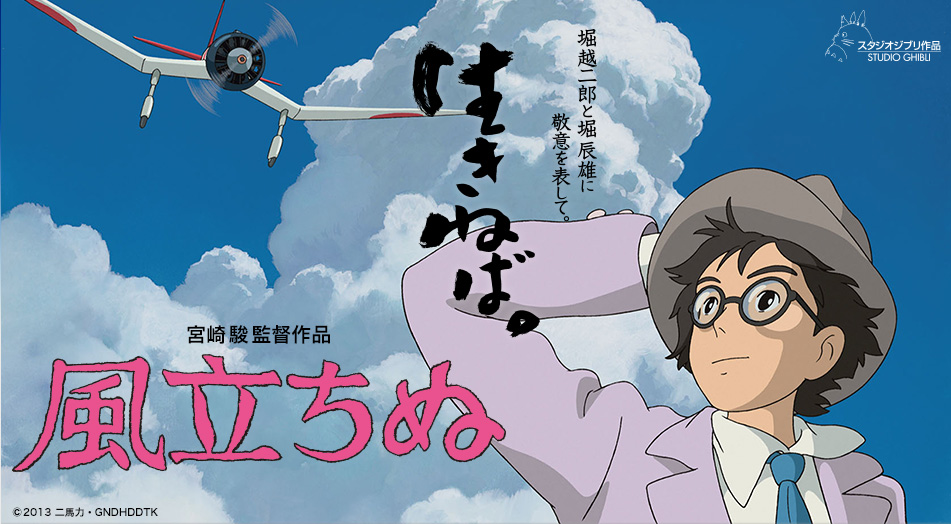
The Wind Rises" is an animated film released by Studio Ghibli in 2013 and directed by Hayao Miyazaki. Its catchphrase is "I must live." . The main character, Jiro Horikoshi, has loved airplanes since he was a child and wanted to become an airplane pilot. However, due to a critical defect, namely his nearsightedness, he gave up his dream of becoming an airplane pilot and decided to become a designer. When he was a university student, he was struck by the Great Kanto Earthquake and fell in love with Nahoko Satomi, a girl with tuberculosis whom he met at that time. The film is a moving portrayal of a young man struggling between life and death as the Taisho and Showa eras pass by.
The Great Kanto Earthquake occurred on September 1, 1923, around 11:58:32 a.m. It is estimated that 1.9 million people were affected, with over 105,000 dead or missing. The earthquake coincided with the lunch hour, which also caused many fires. Many residents took refuge in nearby shrines, temples, and schools, and temporary housing was built in tents rented by the army, but the concentration of evacuees on small plots of land in some places made the situation unsafe.
Famous quotes, lines, scenes and scenes from "The Wind Rises
Le vent se lève. Il faut tenter de vivre."
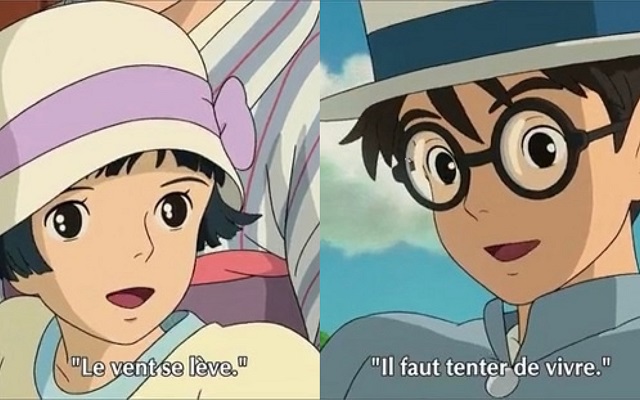
Jiro was reading a book on the train deck when his hat was snatched by a sudden wind and blown away. Catching the hat, Nahoko hands it to Jiro and says, "Le vent se lève. To which Jiro, who knew the rest of the poem, replies, "Il faut tenter de vivre. This is not only the scene of their meeting, but also the first scene in which the "wind" that is often depicted in the film is expressed.
In French, it translates to "The wind is rising, we must live".
These words are from a poem by French writer Paul Valéry titled "Cemetery by the Sea," and were also quoted in Tatsuo Hori's novel "Kaze Tachinu" and translated as "Kaze Tachinu, izakitameya mo. In Hayao Miyazaki's "The Wind Rises," Jiro translates it as "The wind rises, I must try to live.
Poetry reading "Wind
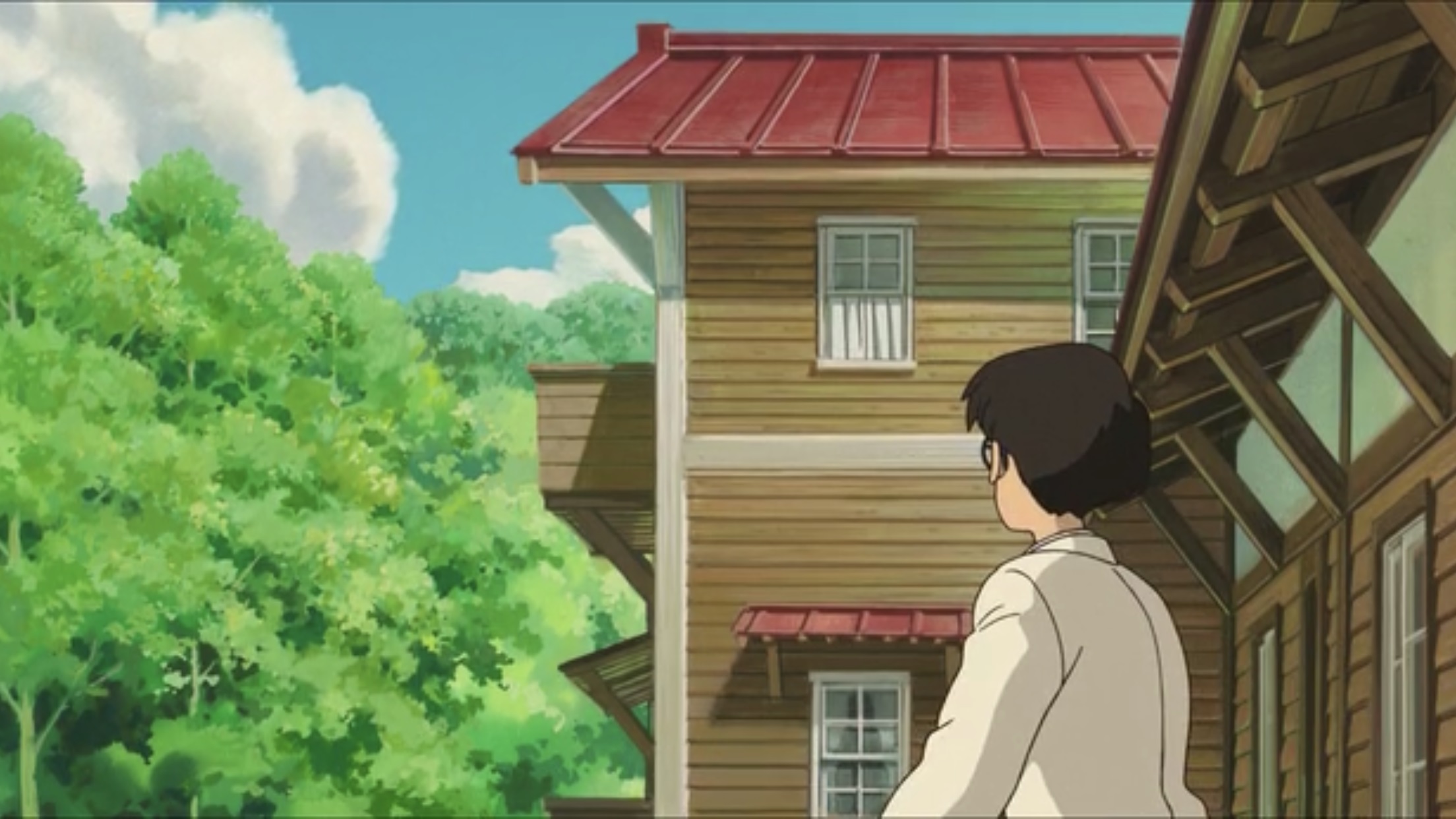
Who saw the wind?
I didn't see it, you didn't see it
But the leaves are shaking
The wind is passing through
Let the wind shake its wings
Let it reach you
As Jiro hums this poem, he looks up at the room where Nahoko, who has fallen ill, is sleeping and flies a paper airplane. This scene expresses Jiro's longing for Nahoko. The author of the original poem is the English poet Christina Rossetti. The Japanese translation was written by Yaso Saijo, and the poem is also known as a stirring composition by Shin Kusakawa. However, the words after "Kaze yo Tsubasa wo Furuwamashite," which Jiro hums, are not found in the original text either.
Saba (mackerel) again? Eat meat and tofu once in a while!"
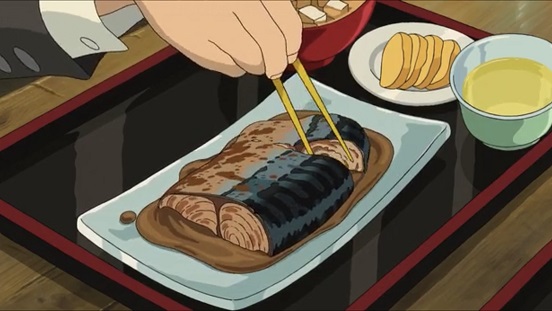
A line that Honjo, Jiro's best friend and classmate, said to Jiro in the cafeteria when they were students. Jiro used to eat only saba-teishoku (mackerel set menus) because the wing cross section of an airplane resembles a mackerel bone. Honjo said this was "mannerism" and recommended meat and tofu. He is angry because he feels Japan's aviation technology is lagging behind the rest of the world, and that the Japanese are repeating the same mistakes and not moving forward, whether in aviation technology or in other aspects of their culture. Ghibli movies are famous for their "delicious food scenes," and this is one of them.
Siberia
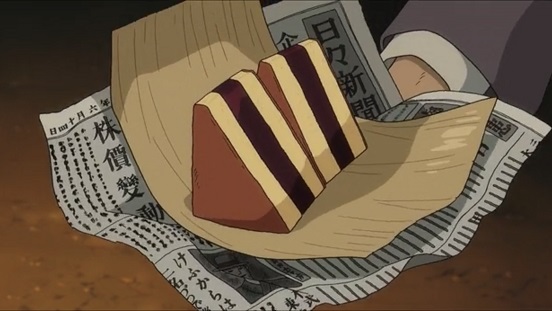
On the night the prototype Hayabusa fighter broke up in mid-air during a test flight, Jiro bought some sweets (sponge cake with yokan or sweet bean paste sandwiched in between) on his way back to his dormitory. Under a lamppost by the store that sold such Siberian, there was a girl with her young siblings. The owner of the store told me that they were children waiting for their parents to return home late. Jiro, who had been depressed by the discontinuation of the development of Hayabusa, wanted to feel like he had accomplished something, even if just a little. He gave her a Siberian he had just bought and said, "Aren't you guys feeling a little twitchy? Eat this." He offered it to them. But the girl gives Jiro a disapproving look and runs off with her brothers. When Jiro arrives at the dormitory, he tells Honjo about it, but Honjo also tells him, "That's hypocrisy! He was told "That's hypocritical!
Behind the Scenes, Trivia, and Anecdotes of "The Wind Rises
Original manga "The Wind Rises
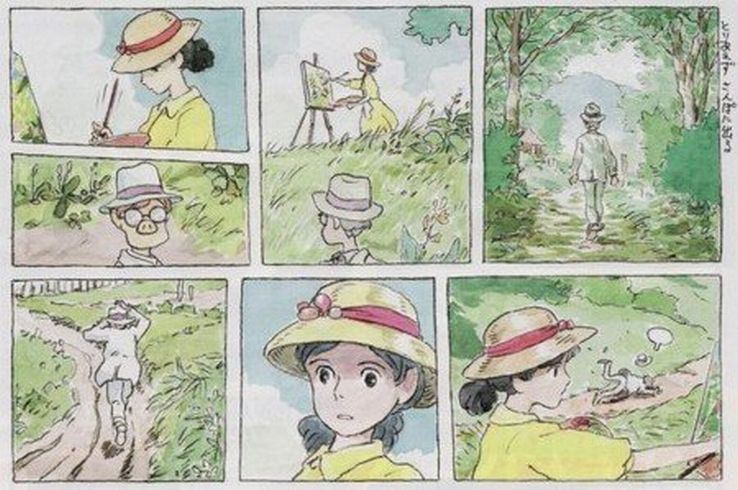
Hayao Miyazaki's manga "The Wind Rises" was serialized in Model Graphics after the production of "Ponyo on the Cliff" was completed. Most of the characters in this manga are anthropomorphic animals, and the main character, Jiro Horikoshi, is depicted as a pig. According to Miyazaki, "I drew this manga as a hobby, so to speak," and he had no intention of adapting it to film. When producer Suzuki suggested that Miyazaki make a film of the manga, Miyazaki opposed the idea, arguing that "animation is for children," in addition to the fact that the manga is aimed at adults. However, Producer Suzuki pointed out Miyazaki's "contradiction" and urged him to make a film that would answer that contradiction. The contradiction was that "Hayao Miyazaki hates war but loves fighter planes. After making the film, Miyazaki's answer to the contradiction was, "This film is not an indictment of war. The film is not about denouncing war, nor is it about inspiring the youth of Japan with the excellence of the Zero fighter. I have no intention of defending the fact that I really wanted to make a civilian plane. I want to depict a man who went straight ahead true to his dream.
Novel "The Wind Rises" and Tatsuo Hori
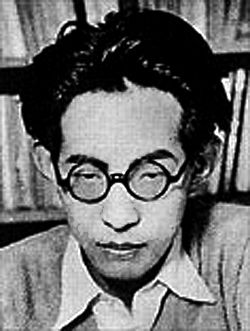
堀辰雄
The novel "The Wind Rises" is a love story consisting of five chapters: Overture, Spring, The Wind Rises, Winter, and The Valley of the Shadow of Death. The author is Tatsuo Hori (1904-1953). His teacher was Ryunosuke Akutagawa. He often spent time in Karuizawa to recuperate from pulmonary tuberculosis, and many of his works are set there.
This novel is the result of an encounter with a young oil painter, Ayako Yano, whom Tatsuo Hori met while staying at the Tsuruya Ryokan in Karuizawa to write his novel. The experience with her is described in Tatsuo's other novel, "Beautiful Village. Tatsuo and Ayako were engaged, but Ayako was also a tuberculosis patient. They both spent time together in a sanatorium in Fujimi, but Ayako was already seriously ill at the time and could have died at any time. Fortunately, Tatsuo's tuberculosis began to improve, and he did his best to care for Ayako, but she eventually died the year after entering the sanatorium. The novel "The Wind Rises" was written based on Tatsuo's own experiences.
The model for "Jiro
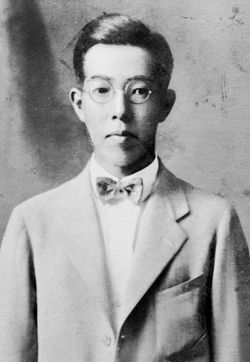
堀越二郎
Jiro Horikoshi (1903-1982) was the real-life designer of the Type Zero fighter plane (commonly known as the Zero fighter), which was considered the most powerful aircraft of its time due to its high maneuverability, speed, and ability to fly long distances. He was born in 1903, the same year that the Wright Brothers succeeded in the world's first manned powered flight.
Horikoshi graduated at the top of his class from the Department of Engineering at Tokyo Imperial University (now the University of Tokyo), and was recruited by Mitsubishi Fuel Machinery (now Mitsubishi Heavy Industries) to join the company because of his brilliant mind. After joining the company, he traveled to the U.S. at the company's expense to study aeronautical technology and spent a year and a half on the road. There, Horikoshi met Giovanni Baccista Caproni, the founder of the Italian aircraft manufacturer, and was deeply impressed by his idea that "an airplane is not just a tool of war, but a beautiful dream in its very existence.
Thus, this film, "The Wind Rises," is a story that traces a true story. However, it was also Miyazaki's first attempt to use a real person as the main character in a film. Because the story is based on an actual event but incorporates fictional and original elements, the production of the film was approved by Jiro Horikoshi's family. It can be said that Jiro as an airplane designer was modeled on the real Jiro Horikoshi, while Jiro's romantic relationship with Nahoko was modeled on Tatsuo Hori, the author of the novel "The Wind Rises. The poster for "The Wind Rises" is therefore accompanied by the inscription, "In honor of Jiro Horikoshi and Tatsuo Hori. Jiro Horikoshi and Tatsuo Hori. Furthermore, the life of Miyazaki's father is also an element of "Jiro". The director's father, who suffered the Great Kanto Earthquake when he was a child, was involved in the management of a company that manufactured windshields (windshield glass in the cockpit) for Type Zero fighter planes and other aircraft. Like "Jiro," he lost his wife (his ex-wife) to tuberculosis.

Related Articles
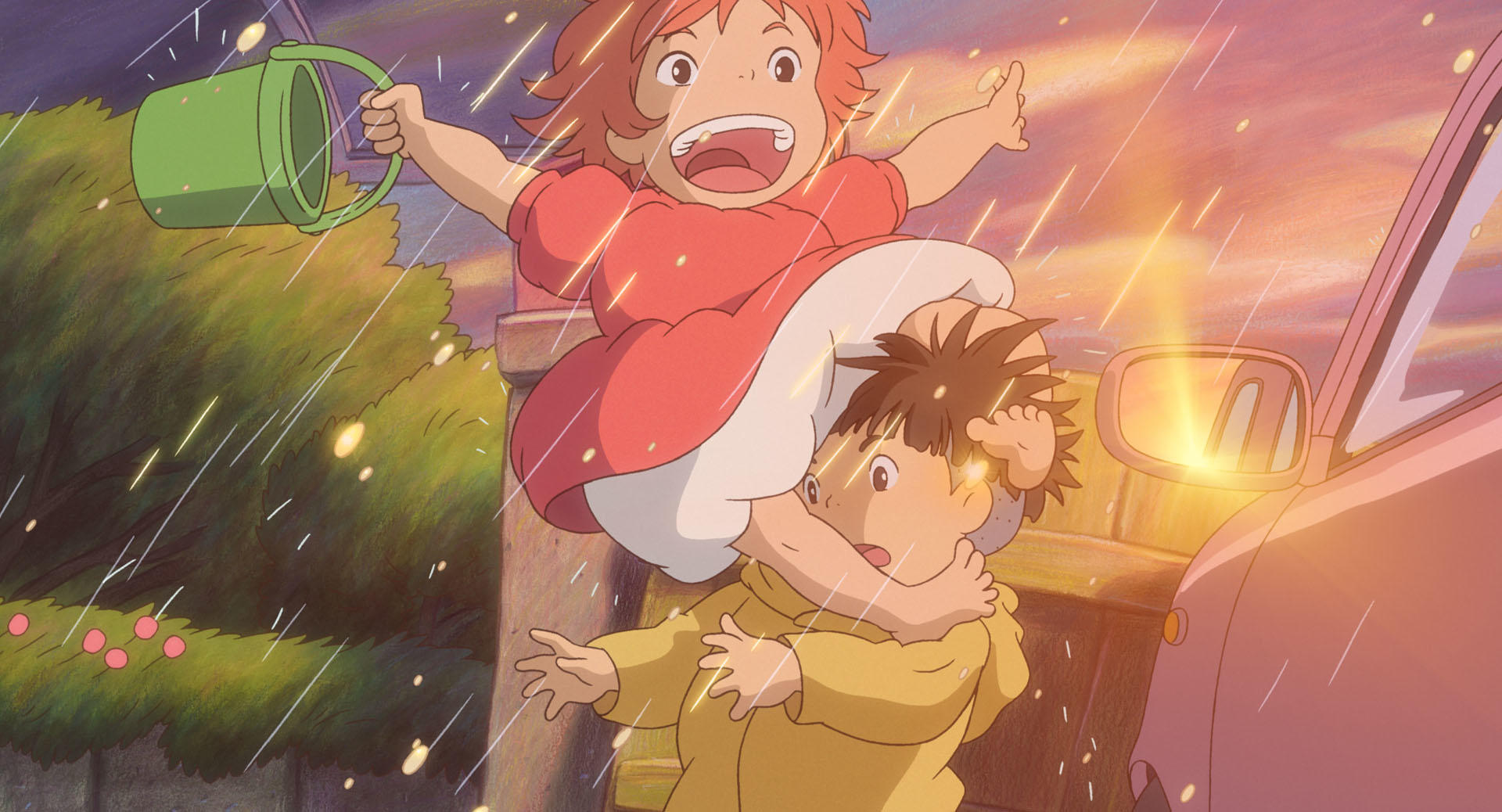
A compilation of couples from Studio Ghibli produced films! Pazoo & Sita, Howl & Sophie, and more!
This article introduces a collection of couples who appear in films produced by Studio Ghibli. From the smiling couple Sosuke and Ponyo in "Ponyo on the Cliff" to the adult romance of Marco and Gina in "Red Pig," many love scenes are depicted in Ghibli films. The article also introduces brief characteristics of the main characters.
Read Article
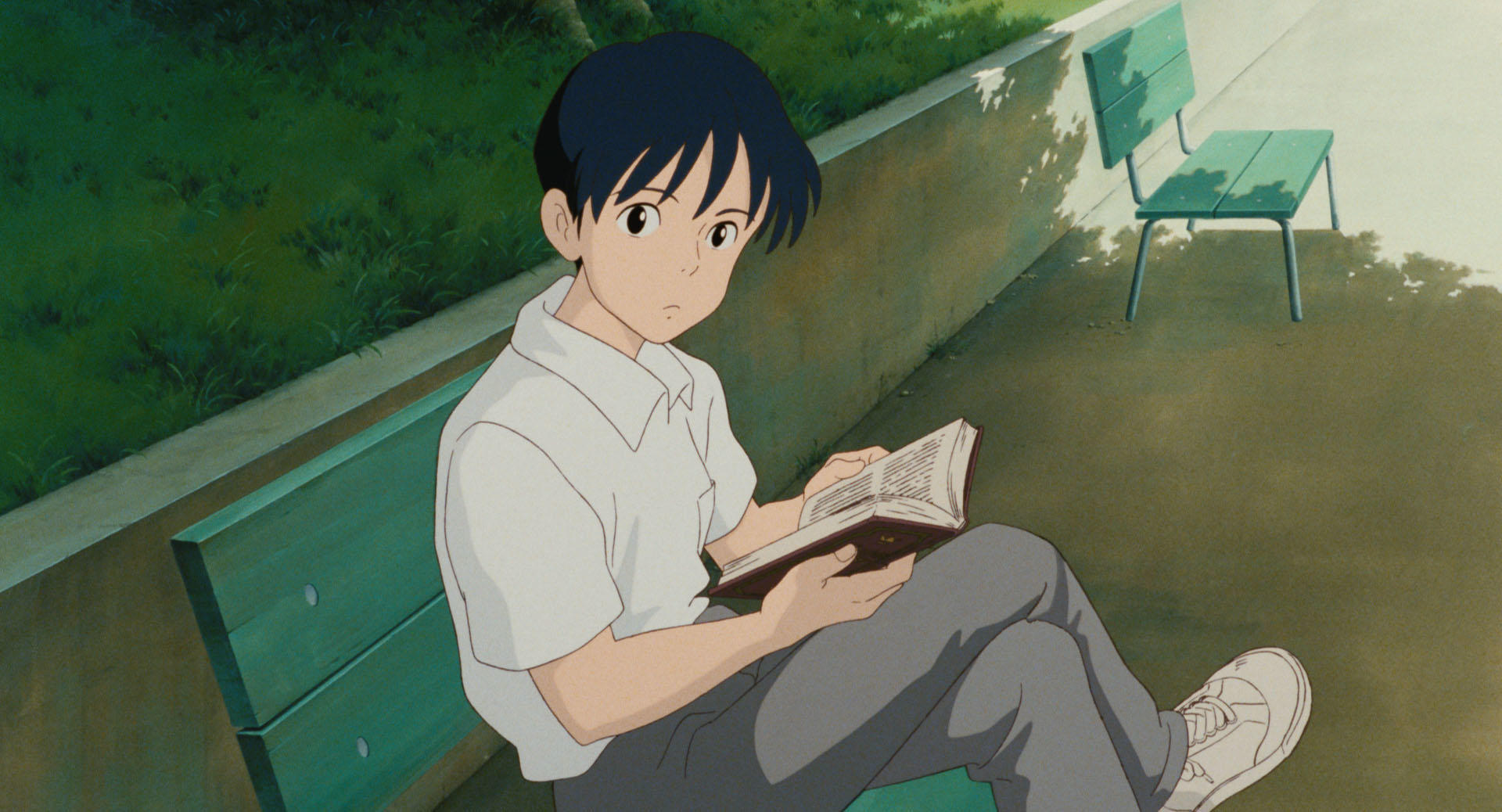
A compilation of handsome characters from Ghibli movies! The circumstances they each have are fascinating!
This article introduces a collection of handsome characters that have appeared in films produced by Studio Ghibli. Many attractive characters have appeared in Ghibli films, such as Haku from "Spirited Away," Pazoo from "Castle in the Sky," and Sho from "The Borrower Arrietty. Each of these characters has his or her own story, and this is what makes them so appealing. We hope you will find your favorite character.
Read Article

Summary of Miori Takimoto's profile information and pictures! She is a hot topic for her appearance in the drama "GTO"!
Miori Takimoto played a teacher in the 2012 drama "GTO. The role was highly watched by viewers because she was playing opposite "Eikichi Onizuka," a character with strong habits, and because she was the successor to Nanako Matsushima, an actress of great seniority. However, she performed well under pressure and received high acclaim. This article introduces detailed profile information and images of the talented actress Miori Takimoto.
Read Article
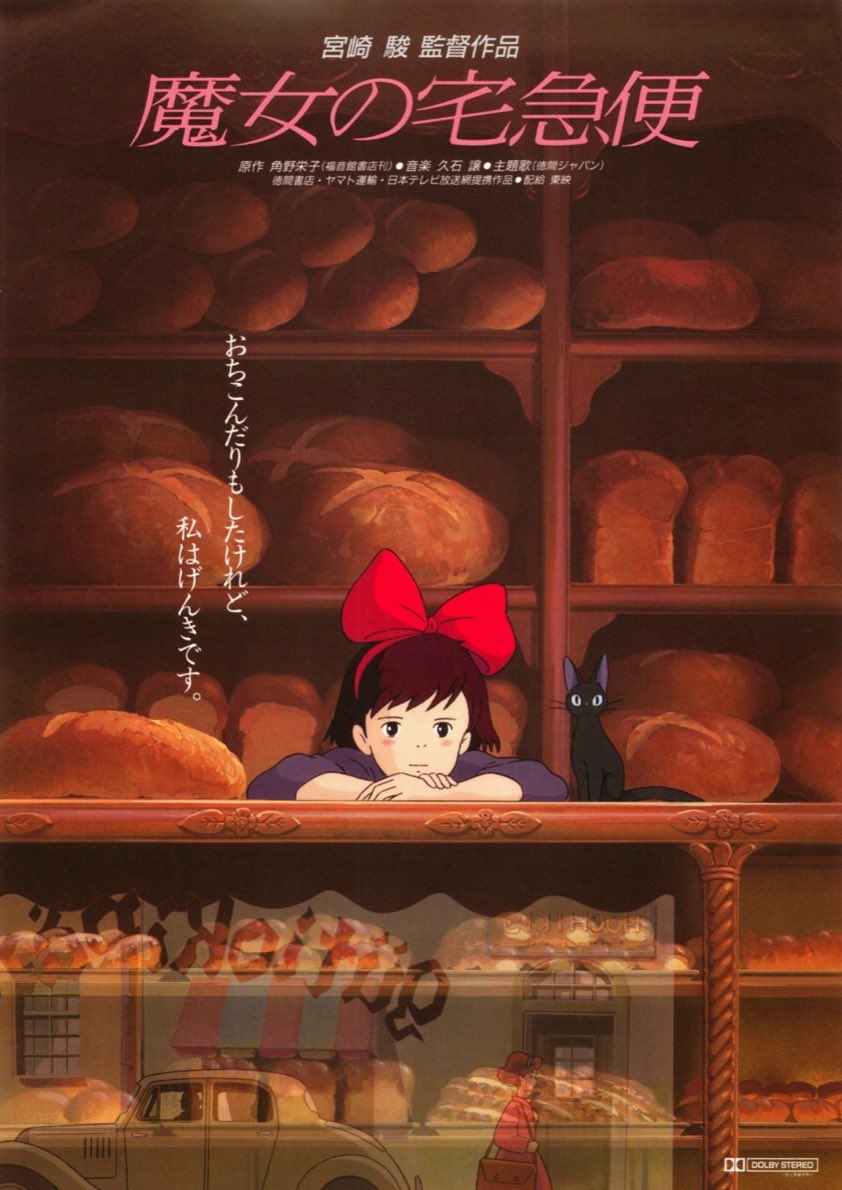
Catch Copy Summary of Ghibli Works by Shigesato Itoi, Toshio Suzuki, and Masaya Tokuyama [The Witch's Delivery Service].
We have compiled a list of famous catchphrases from Ghibli films by Shigesato Itoi, Toshio Suzuki, and Masaya Tokuyama. The Witch's Delivery Service" and "The Wind Rises". and "I must live" from "The Wind Rises. and "I have to live" from "The Wind Rises. Here we introduce their brief biographies and the works for which they were in charge of catchphrases.
Read Article
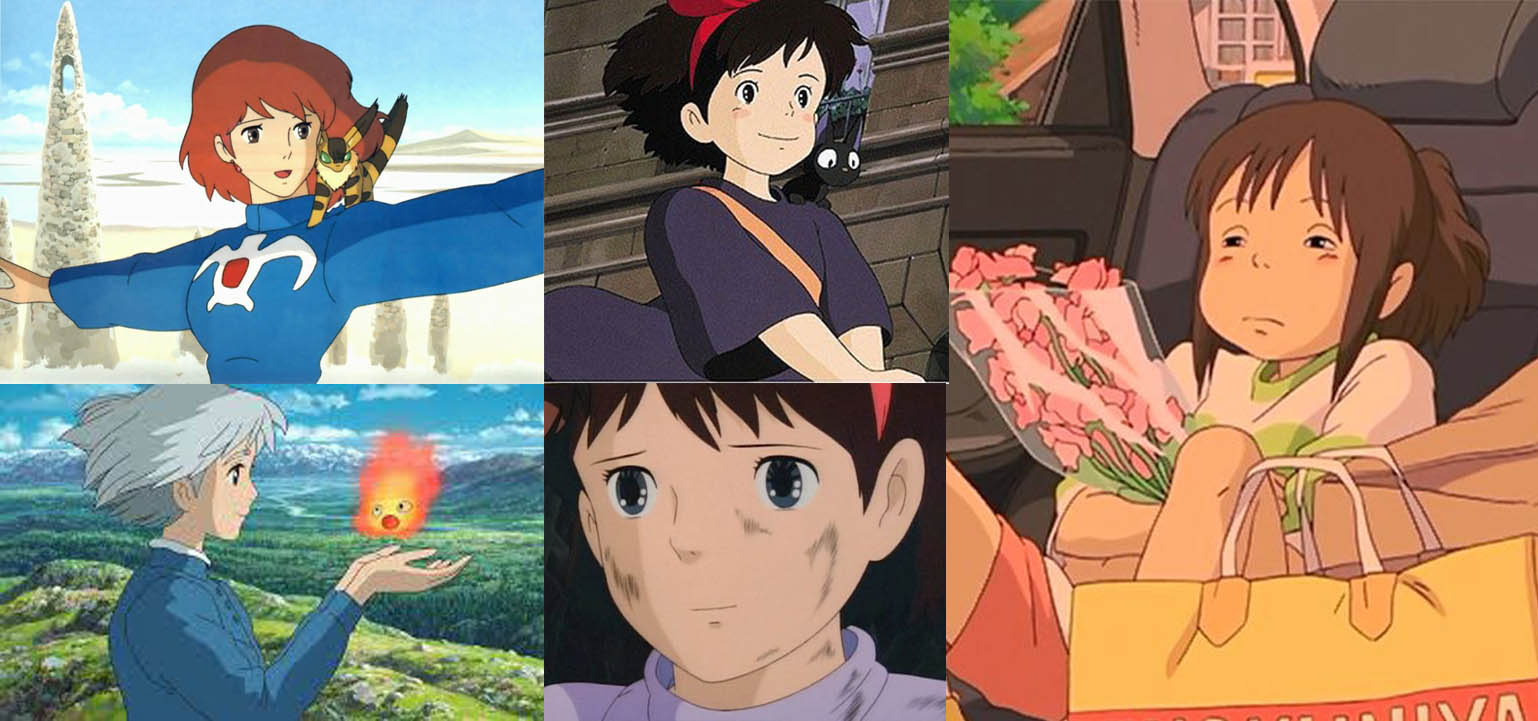
Summary of Ghibli's past heroines
Ghibli's historical heroines are the female characters who appear in Ghibli films such as "Nausicaa of the Valley of the Wind" and "Laputa: Castle in the Sky. Ghibli heroines often appear as protagonists, and their presence is often admired by fans. Although mainly teenage girls play an active role, there are also young girls such as Ponyo and Mei, and adult women such as Madame Gina, who also make up the cast of the films.
Read Article
![Studio Ghibli] Ehh... Too Scary to be Quicksilver... A compilation of the Scariest Ghibli Urban Legends.](https://renote.net/files/blobs/proxy/eyJfcmFpbHMiOnsiZGF0YSI6ODY4OTEzMywicHVyIjoiYmxvYl9pZCJ9fQ==--14548f541bdc1bbadea476760f449082caa71346/61Ia+bUCNGL.jpg)
Studio Ghibli] Ehh... Too Scary to be Quicksilver... A compilation of the Scariest Ghibli Urban Legends.
Ghibli" films have various charms, such as cute characters, adventure stories, and nostalgia. However, behind the popularity of these works, there are also a wide variety of urban legends and rumors about them. This section introduces a collection of rumors and scary urban legends about Ghibli's works.
Read Article
Ghibli Characters Ranked by Strength! A wide range of choices from forest fairies to gods!
This article presents a ranking of the strength of characters appearing in films produced by Studio Ghibli. In the article, we have selected characters from a wide range of genres, including Gyobu Oragami from "Heisei Raccoon War Ponpoko," Kaonashi from "Spirited Away," and "My Neighbor Totoro," so please be sure to check it out until the end.
Read Article
Neon Genesis Evangelion (Eva) Spoiler Commentary and Discussion Summary
Neon Genesis Evangelion" is the name of a TV animation work by GAINAX, led by director Hideaki Anno, and the giant humanoid weapon that appears in the work. It is abbreviated as "Eva". There are many derivative works based on this work, such as film versions, manga, and video games. This article describes the TV series that was broadcast from October 1994 to March of the following year. It is one of the national anime that was even called a social phenomenon in the 90's. The story is mainly about the struggles of a boy and a girl. The story mainly depicts the anguish of boys and girls, and as they fight against the "apostles," the enemies of mankind, many mysteries are solved, such as the true identity of the apostles and Eva, but the work is completed without all being explained.
Read Article
Evangelion (Eva) Spoiler Commentary and Discussion Summary
Evangelion" is an anime film series that has been released since 2007. It is based on the 1994-1995 TV series "Neon Genesis Evangelion. The film is a "rebuild" rather than a remake, with Hideaki Anno in charge of the general director as in the TV series, and the main staff and voice actors are also almost the same. It is scheduled to be a four-part series, and the third film has already been released. The main characters are boys and girls who are pilots of the giant humanoid weapon "Evangelion," and the story depicts the struggle against the human enemy "Apostles," conflicts among humans, solving the mystery of the conspiracy, and the anguish and growth of the main characters.
Read Article
Shin Evangelion the Movie 𝄇 (Shin Eva) Spoilers and Discussion Summary
Shin Evangelion the Movie (EVANGELION: 3.0+1.0 THRICE UPON A TIME) is a science fiction animation film released in 2021. It is the fourth film in the "Evangelion" quadrilogy, and as the culmination of the "Evangelion" series spanning a quarter of a century, it attracted a great deal of attention even before its release. Hideaki Anno serves as general director, scriptwriter, author, and executive producer. The film depicts Shinji Ikari, who is in the depths of despair after the previous film, "Evangelion: Q," and his recovery.
Read Article
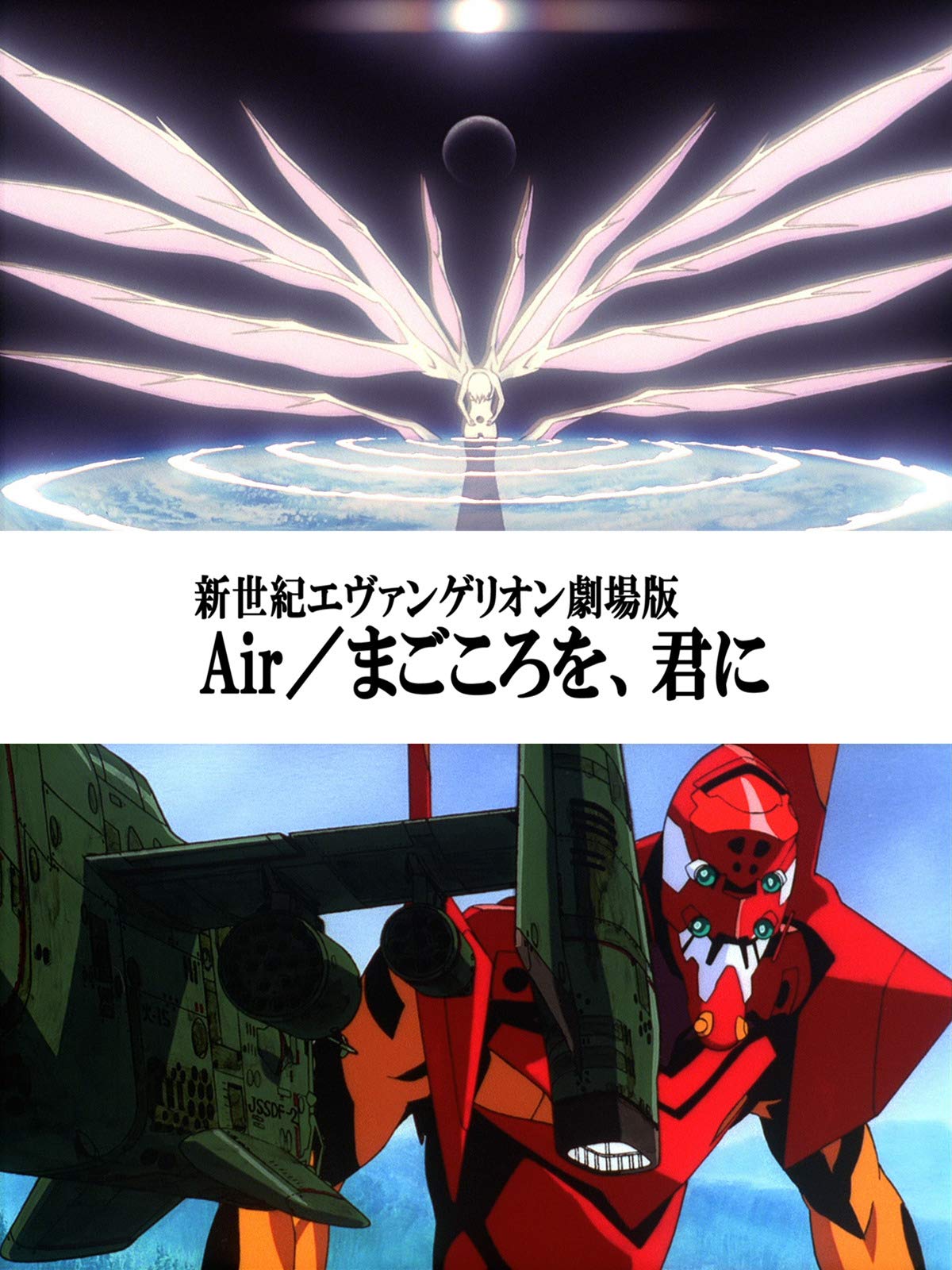
Neon Genesis Evangelion the Movie (Old Theatrical Version) Spoiler Commentary and Discussion Summary
Neon Genesis Evangelion the Movie (formerly The Movie) is an animation film produced by GAINAX and directed by Hideaki Anno. The main genre is classified as robot animation. It is a remake of the TV work of the same name. A mysterious giant life form, "Apostle," suddenly appears on Earth. The special agency "Nerf" organized to deal with it creates a giant artificial humanoid "Evangelion. To pilot it, a qualified 14-year-old boy is needed. The film depicts the complicated and bizarre love-hate relationship between Shinji Ikari, the boy chosen as the pilot, and the people surrounding him.
Read Article
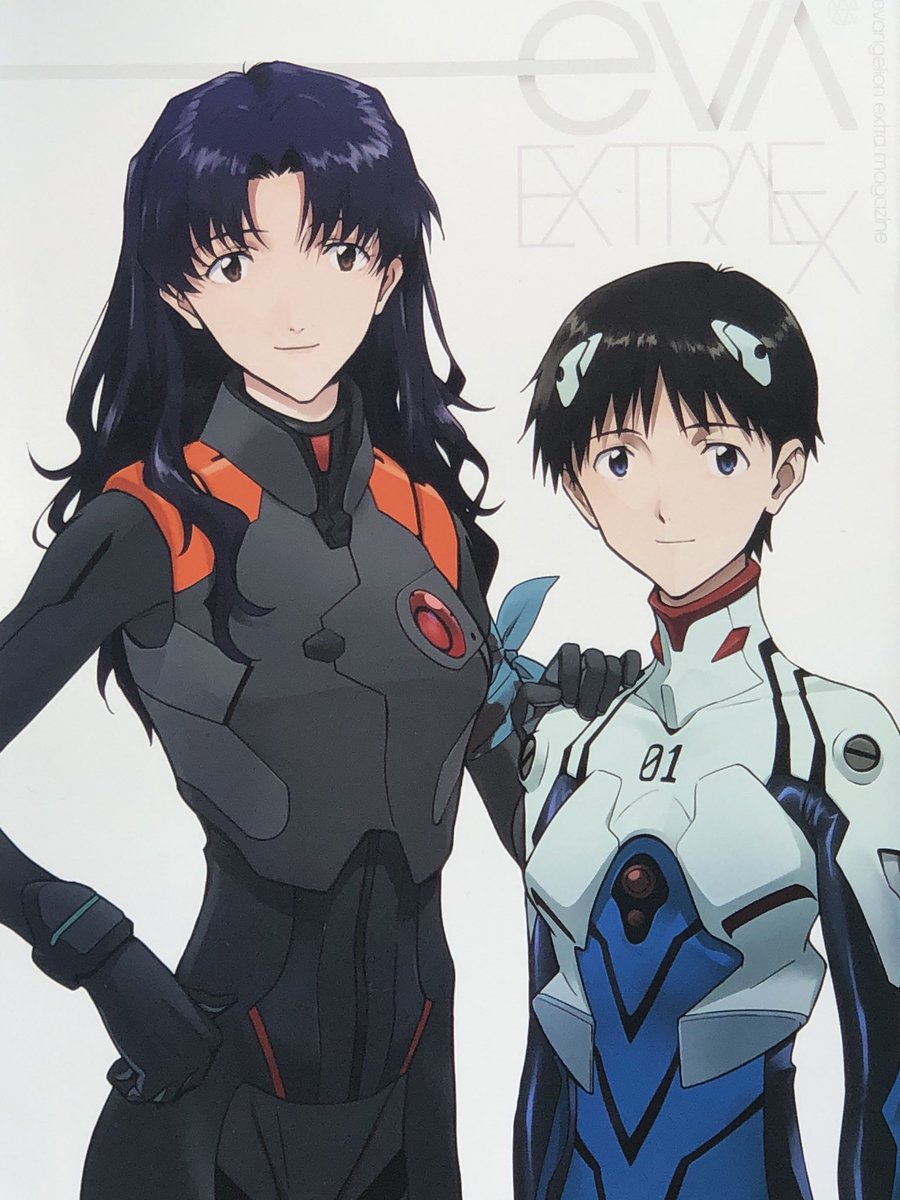
EVA-EXTRA-EXTRA (thin book on Shin Eva) spoiler commentary and discussion summary
EVA-EXTRA-EXTRA" is an admission bonus distributed at movie theaters nationwide from June 12, 2021 as an admission present for "Shin Evangelion the Movie𝄇". It attracted a lot of attention because it contained many illustrations by official animators, including the manga "EVANGELION:3.0 (-120min.)," which is a prequel to the previous film "Evangelion: Q." The illustration on the front cover was created by the director of the movie, who is also the director of the movie. The cover illustration is by Atsushi Nishikori, the chief animation director.
Read Article
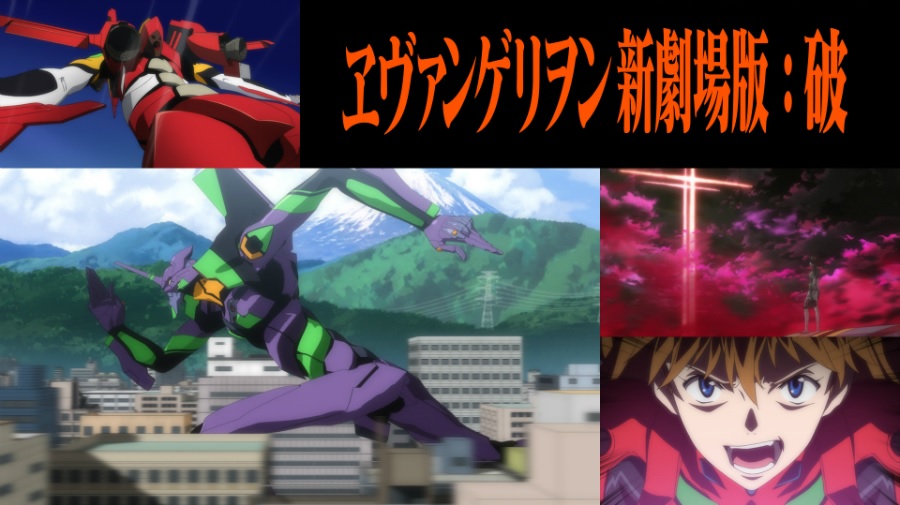
Evangelion: The Rebuild of Evangelion: Destroyed (Eva: Destroyed) Spoiler Commentary and Discussion Summary
Evangelion: The Second Rebuild of Evangelion" is an animated film based on the TV animation "Neon Genesis Evangelion" that became a social phenomenon and was reconstructed by Hideaki Anno, the director of "Evangelion: The Second Rebuild of Evangelion". It is the second film in the "Neon Genesis Evangelion" series. Fifteen years after the "Second Impact" disaster caused by the mysterious giant creature "Apostle," a 14-year-old boy named Shinji Ikari is forced by his father Gendo to board the general-purpose humanoid battle weapon Evangelion and fight against the Apostle. While interacting with other girls who have also been chosen as pilots, Shinji finds himself at the mercy of a bizarre conspiracy to solve the world's mysteries.
Read Article
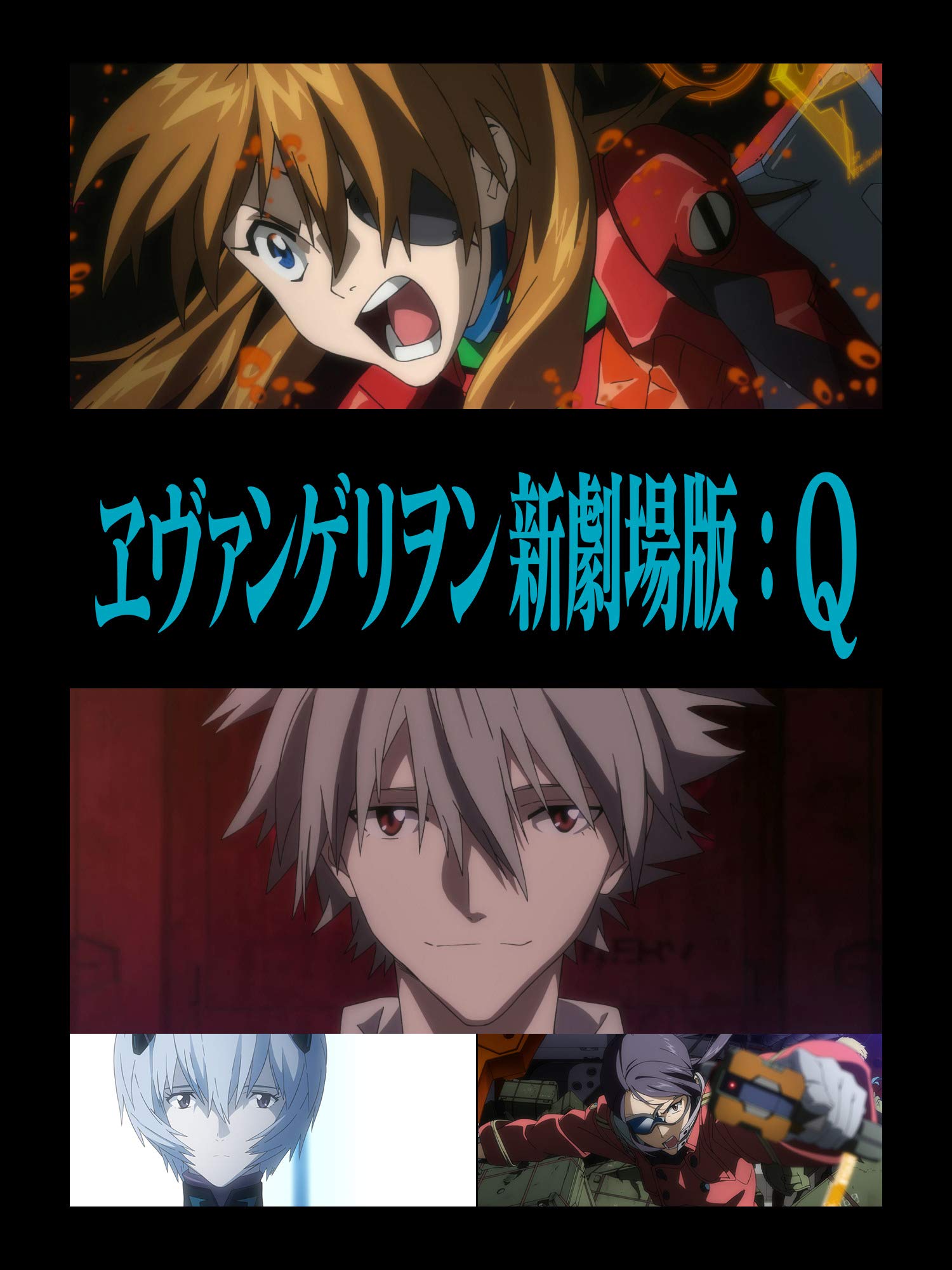
Evangelion: Q (Eva: Q) Spoiler Commentary and Discussion Summary
Evangelion: Q" is an animated film based on the TV animation "Neon Genesis Evangelion," which caused a social phenomenon, reconstructed by Hideaki Anno, the director of "Evangelion: Q." It is the third film in the "Evangelion" series. It is the third film in the "Neon Genesis Evangelion" series. When the protagonist Shinji Ikari wakes up, 14 years have passed since the previous film, "Evangelion: The Third Rebuild of Evangelion". The world is on the verge of destruction due to a catastrophe he caused, and his former friends are divided into two factions, "NERV" which plans to create a new world and "WILLE" which prevents them from doing so.
Read Article
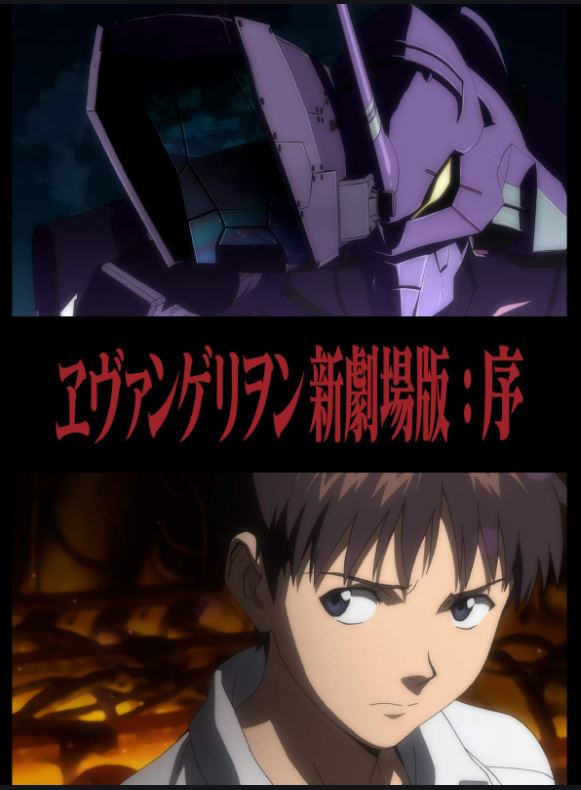
Evangelion: Introduction (Eva: Introduction) Spoiler Commentary and Discussion Summary
Evangelion: Introduction" (hereafter referred to as "Eva: Introduction") is the first film by Color Corporation, which was established in 2006 by Hideaki Anno, a former director of Gainax, as an independent company. It is the first in a series of reworkings of the "Neon Genesis Evangelion" TV anime (hereafter TV series), adding new settings and storylines. This work is the first of a four-part series. The "序" in the title comes from the Gagaku (Japanese ancient court music) term "序破急". Eva: Introduction is based on the story from episodes 1 to 6 of the TV series, but none of the original pictures from the TV series were used.
Read Article
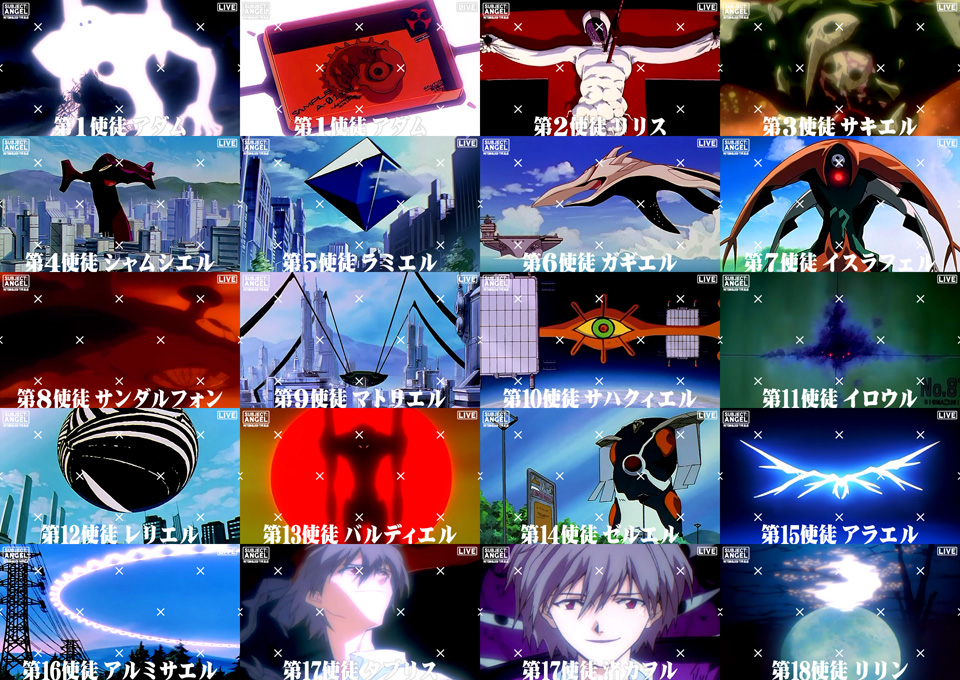
Summary of Apostles in the Evangelion Series
Apostles are the enemies that appear in the anime "Neon Genesis Evangelion" produced by GAINAX and directed by Hideaki Anno, as well as in the reimagined version of the same work, "Rebuild of Evangelion. The story centers on a 14-year-old boy and girl who, 15 years after the great disaster Second Impact, ride the artificial human Evangelion and fight the mysterious enemy, the Apostles. The Apostles' fighting style and design are distinct from those of conventional robot enemies, and they are one of the elements that have contributed to the popularity of "Evangelion.
Read Article
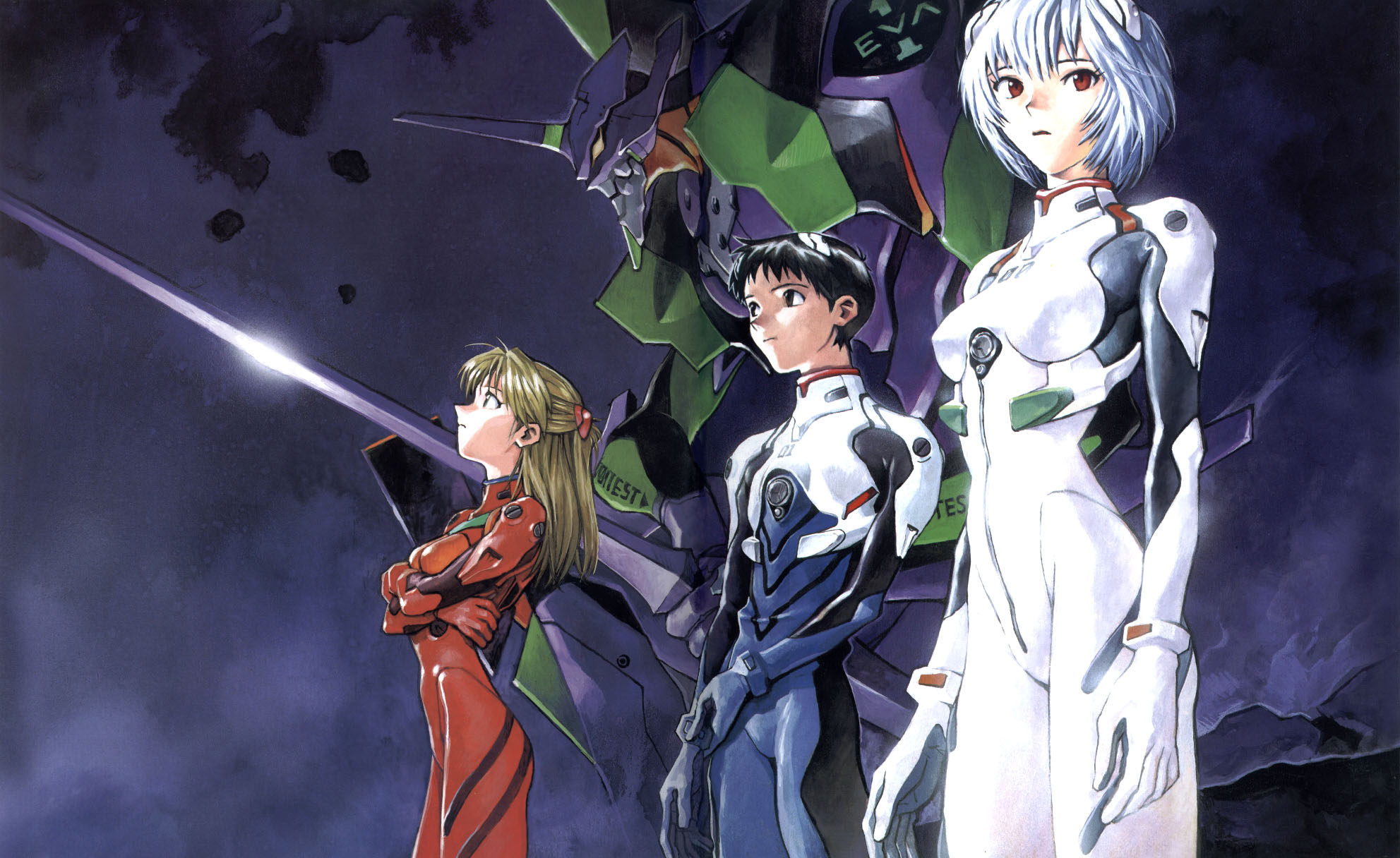
Evangelion series aircraft and pilot summary
Neon Genesis Evangelion" is an animated series by GAINAX, and the media that developed from it. 14-year-old boys and girls board the giant artificial human Evangelion and fight a mysterious enemy called the Apostles. In 2007, the "Rebuild of Evangelion" series was released as a "reconstruction. It is still a unique work in the animation world.
Read Article
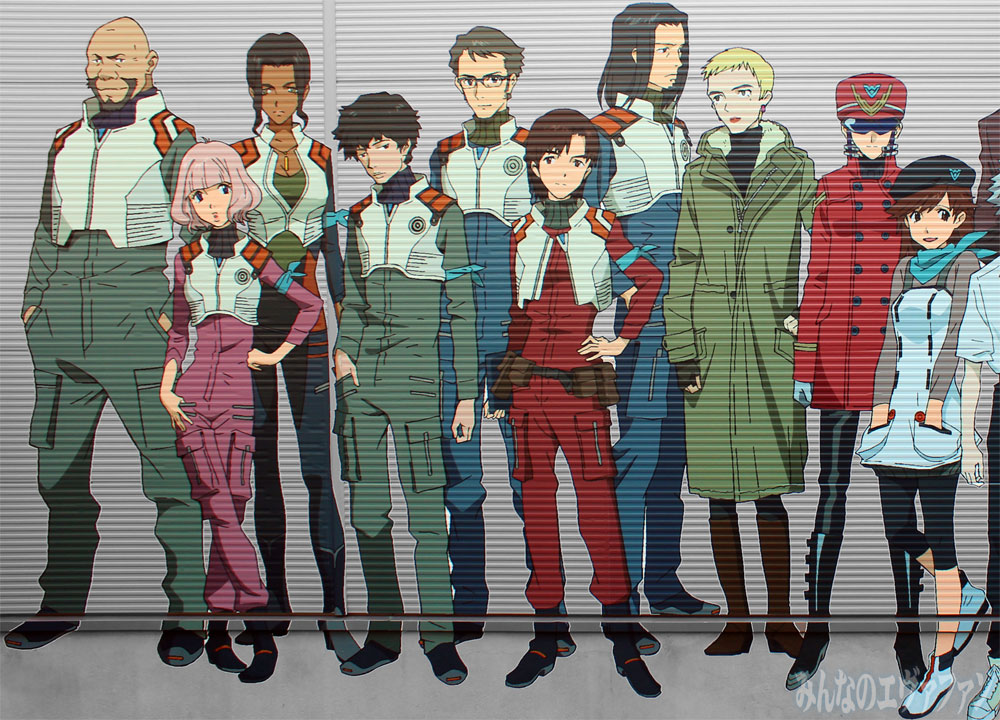
WILLE summary of the Evangelion series
WILLE is an organization that appears in the "Neon Genesis Evangelion" series, and is a military organization that acts under the banner of anti-NERV (NERV), and is currently working to stop NERV's Force Impact as its primary goal. With almost all the countries of the world destroyed by Third Impact, this mixed unit was formed by former NERV employees and volunteers from the military and private sectors. Because of this, the level of skill varies, with some being experienced with weapons and others not so much. The organization's image color is blue, and its members wear bandanas of this color.
Read Article
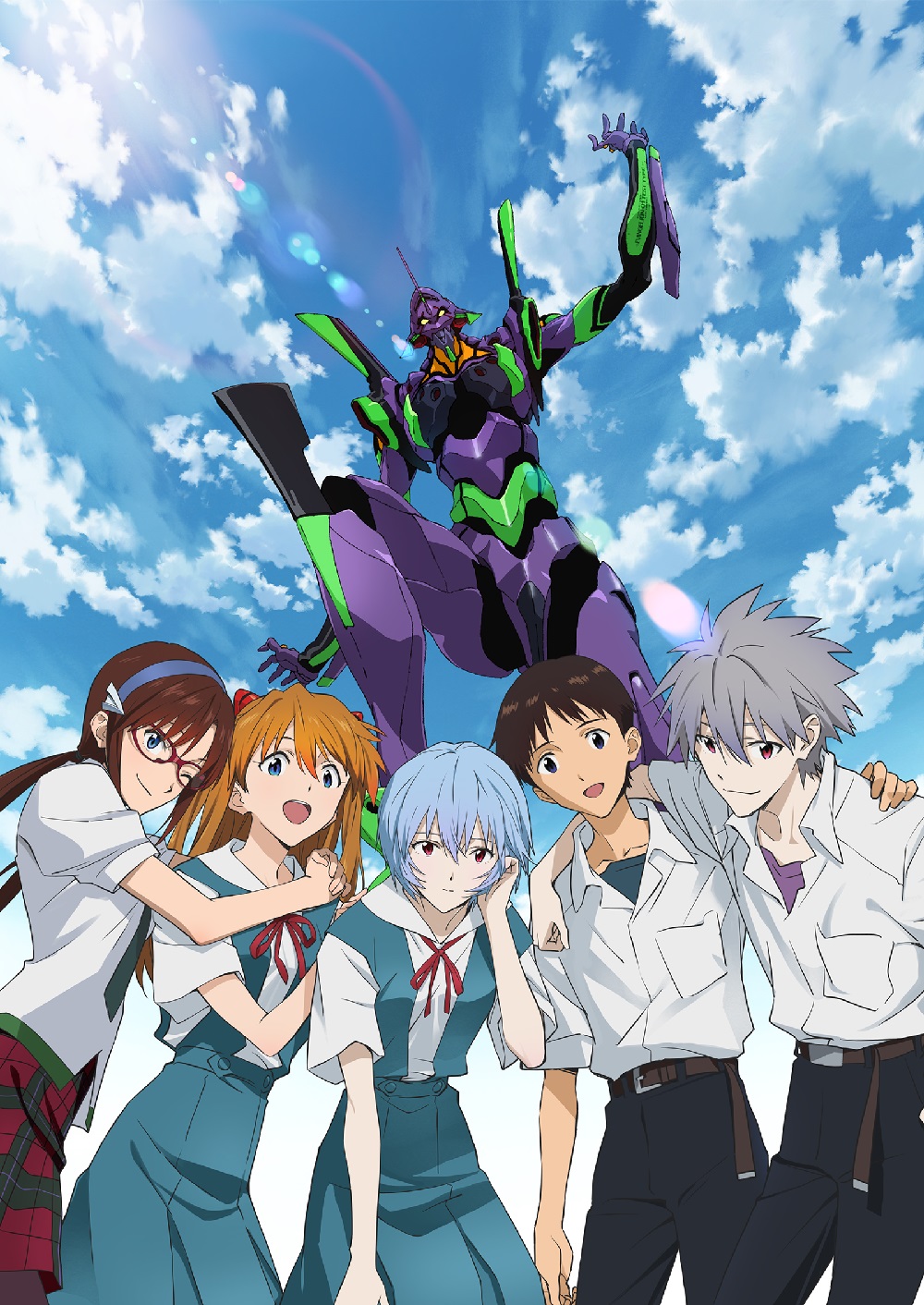
Summary of Foreshadowing and Mysteries in the Evangelion Series
The "Evangelion" anime series, which became a social phenomenon, has many complex and mysterious mysteries, settings and foreshadowing that ended without being discussed in detail. While these elements were a powerful attraction, they were also the cause of the reputation of "not knowing exactly who was trying to do what. The truth about the Second Impact that nearly destroyed the world. The true identity of Evangelion, a general-purpose humanoid battle weapon. Where did the apostles appear from? The entire picture of the Human Complementarity Project and its purpose. Who are Rei Ayanami and Kaworu Nagisa? Here we introduce the foreshadowing and mysteries depicted in the "Evangelion" series.
Read Article
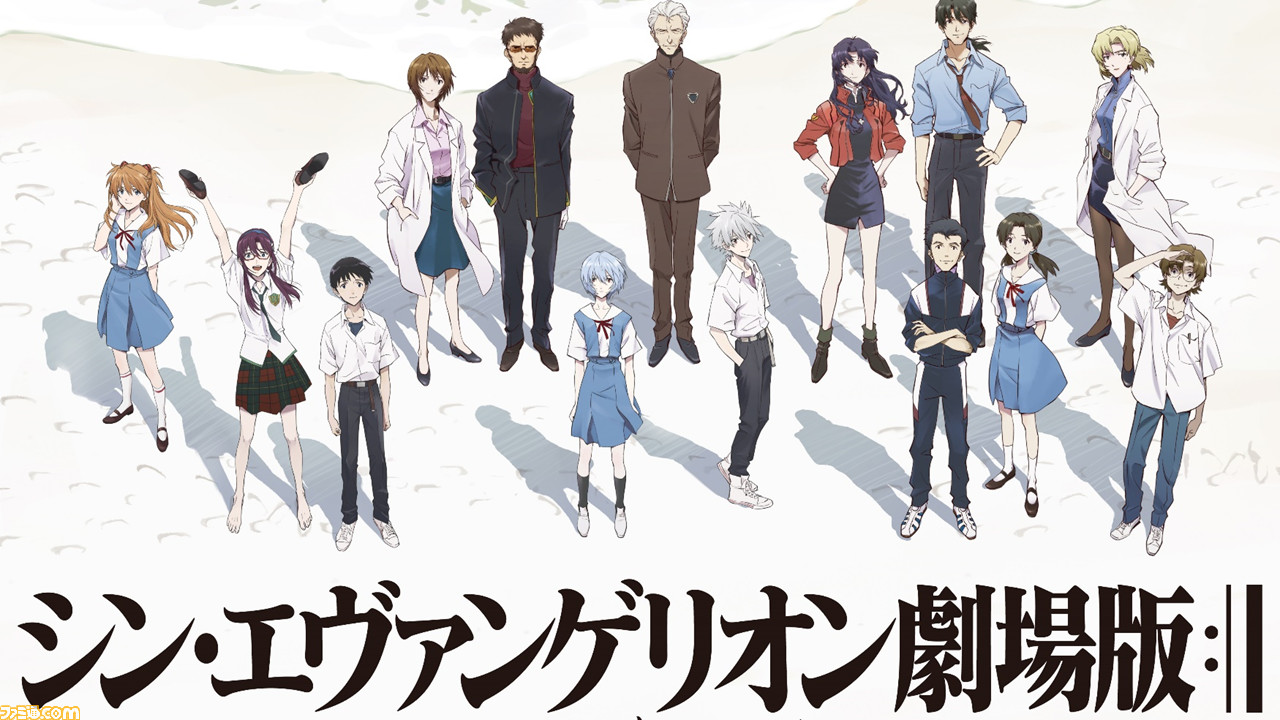
A compilation of famous quotes, lines/scenes, and scenes from Rebuild of Evangelion
The "Evangelion" series is an animated feature film based on the "Neon Genesis Evangelion" TV anime produced in 1995. The series was produced by Hideaki Anno, the general director, and most of the voice actors and staff continued to work on the TV anime series. The film is positioned as a "rebuild" rather than a mere remake, and while the main setting is the same, with a 14-year-old boy and girl riding a humanoid weapon called Evangelion and battling mysterious apostles, the film takes a completely new turn in the middle section. The series' final film, "Shin Evangelion the Movie: ||," was released in 2021.
Read Article
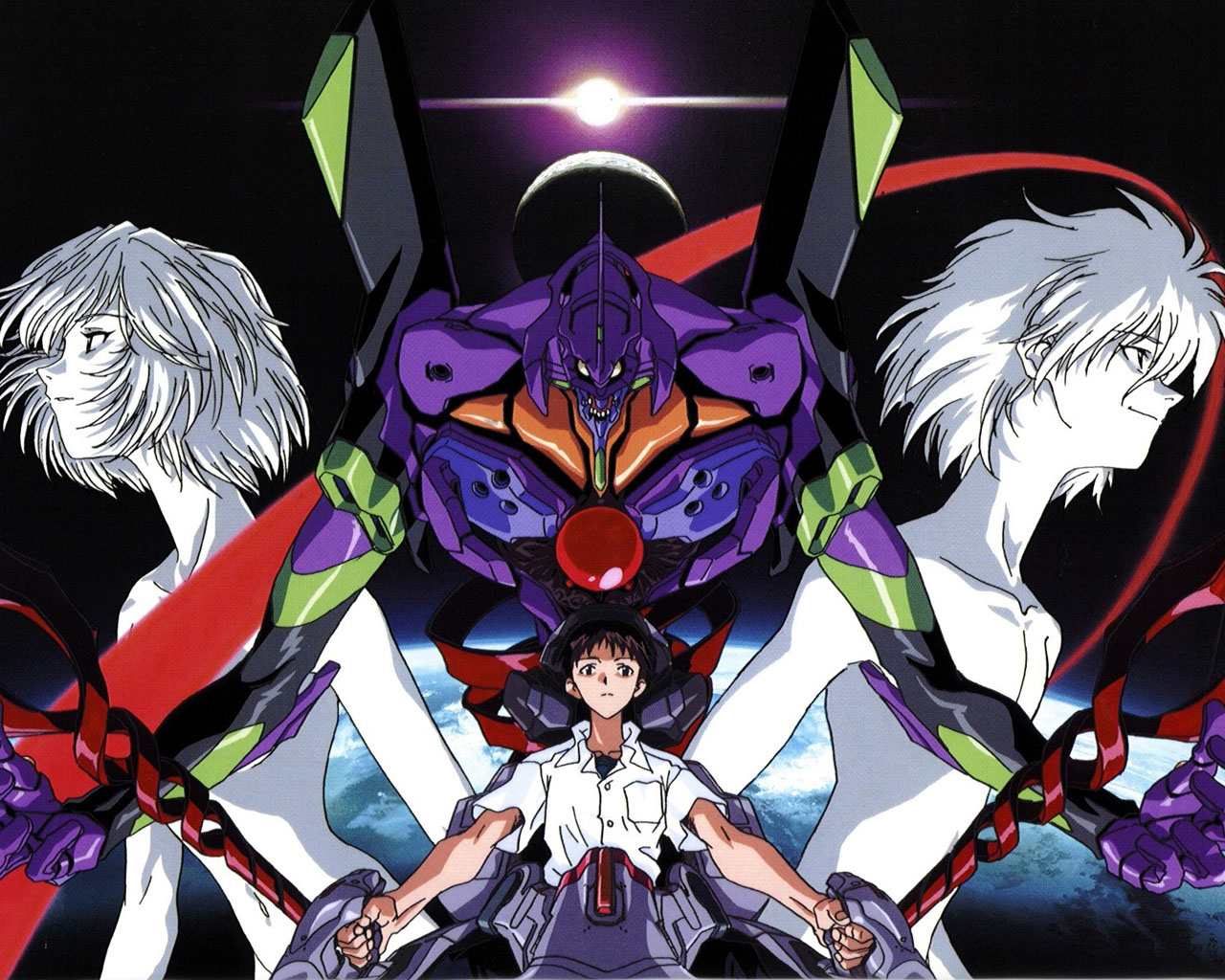
A compilation of famous words, lines/scenes, and scenes from Neon Genesis Evangelion and the old theatrical version.
Neon Genesis Evangelion" is a robot animation film directed by Hideaki Anno produced in 1995. It depicts a battle between 14-year-old boys and girls who are the pilots of the giant artificial "Evangelion" and the mysterious enemy "Apostles. The mysterious storyline and unprecedentedly unique worldview have caused a social boom. Each unique character radiates memorable lines.
Read Article
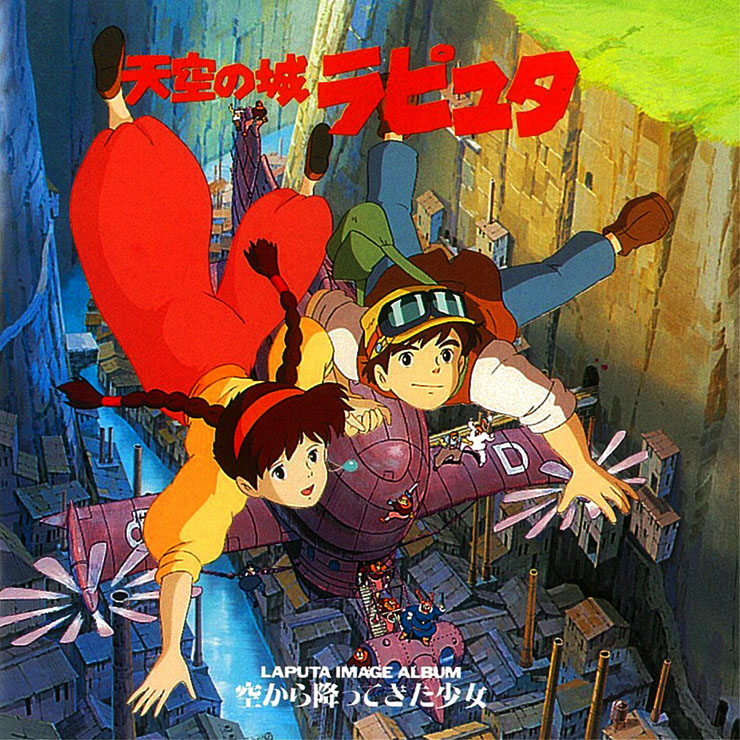
Castle in the Sky (Ghibli Movie) Spoiler Commentary and Discussion Summary
Released in 1986, this is a Studio Ghibli film. Hayao Miyazaki directed, wrote the script, and wrote the original story for this feature-length animation. Sita has a mysterious stone called the Flying Stone, and a boy named Pazoo rescues her. Dreaming of discovering Laputa, an island supposedly floating in the sky, Pazoo, who has been building an airplane, proposes to search for Laputa with Sita. Then, aerial pirates, government forces, and others intervene, aiming for the flying stone and Laputa. The fact that it is not just an adventure adventure drama has made it popular even after several decades.
Read Article
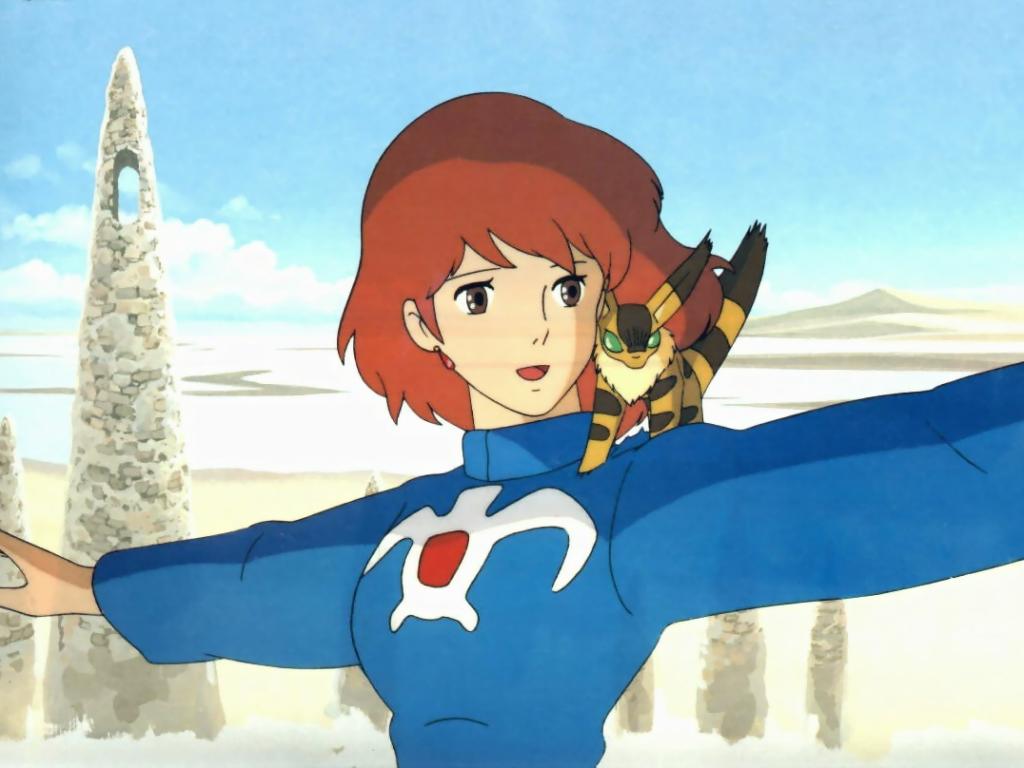
Spoiler commentary and discussion of Nausicaa of the Valley of the Wind (Ghibli film).
Nausicaä of the Valley of the Wind" is a 1984 Top Craft-produced Japanese animated film and the second animated feature film directed by Hayao Miyazaki. It is based on Miyazaki's manga of the same title, "Nausicaä of the Valley of the Wind," which was serialized in "Animage. In the far distant future, modern civilization has collapsed and the world is covered by a fungus forest called the "Sea of Decay. The film depicts the life of a young girl who survives in the remote "Valley of the Wind".
Read Article
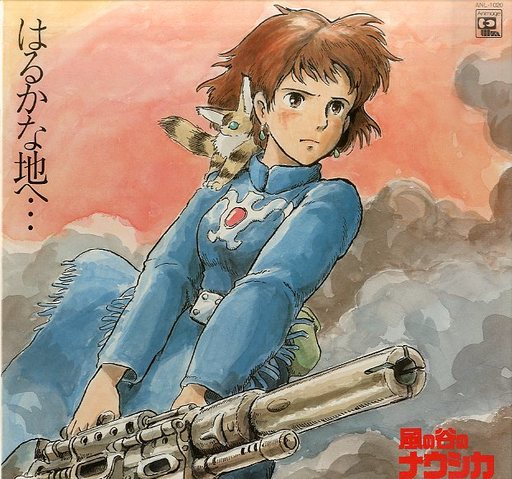
The future of death that Nausicaä invited [Manga version of Nausicaä of the Valley of the Wind (spoiler alert)].
Nausicaä of the Valley of the Wind" is the first Ghibli film and one of its best-known works. Nausicaä has both a movie version and a manga version, and the content of the movie version is the story of the first volume of the manga version's seven millstones. The manga version reveals shocking facts that were not depicted in the movie, such as why the king bugs and the bugs of the Sea of Putrefaction were born, what the Giant God Warrior was born for, and who Nausicaä and his friends are. When Nausicaä learns of these facts, she decides to take certain actions. It is a path of perdition from which there is no escape. This article explains the shocking ending and Nausicaa's decision as depicted in the manga version.
Read Article
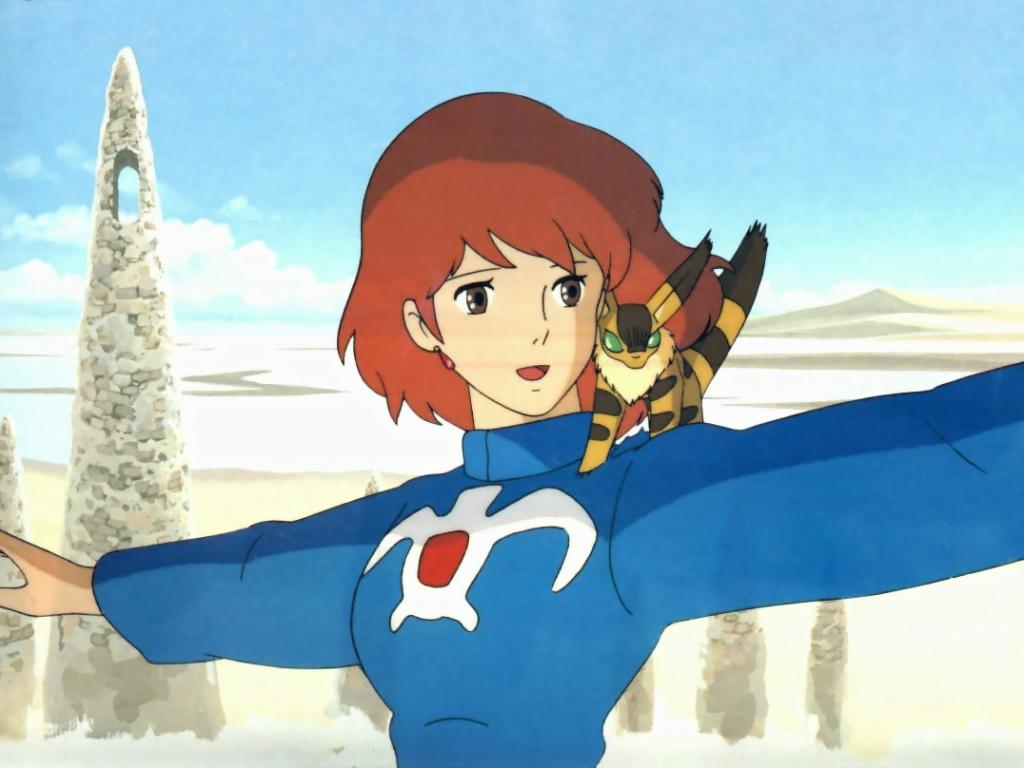
風の谷のナウシカの名言・名セリフ/名シーン・名場面まとめ
『風の谷のナウシカ』とは、1984年公開のトップクラフト制作の長編アニメーション作品である。原作・脚本・監督は宮崎駿。1982年に『アニメージュ』で連載していた宮崎の同名漫画を原作としている。宮崎駿の長編アニメーション映画としては第2作である。 「火の七日間」という最終戦争から1000年後の世界。近代文明が崩壊し、「腐海」と呼ばれる異形の菌類の森に世界は覆われていた。本作には、この世界の過酷な現状やナウシカの生き様を表した印象的なセリフが数多く登場する。
Read Article
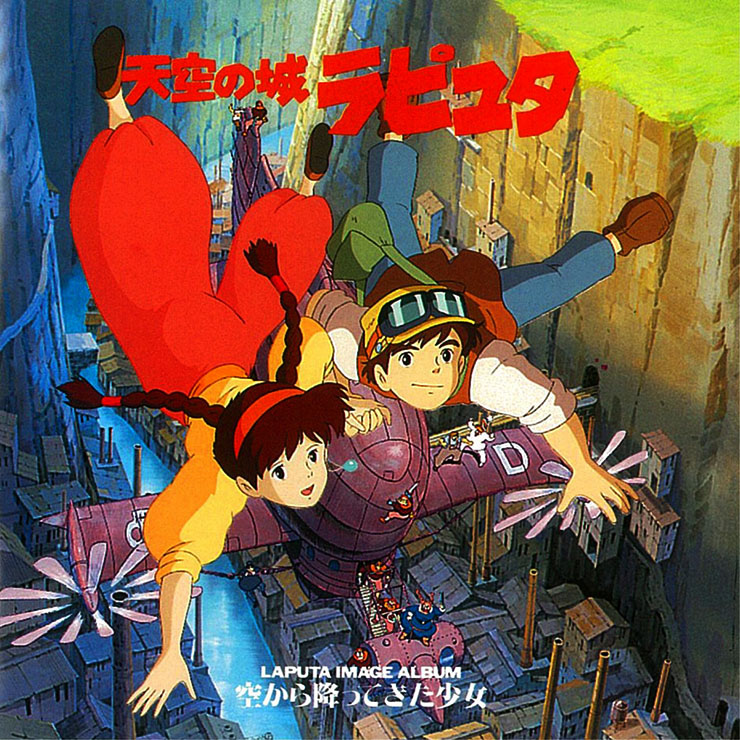
天空の城ラピュタの名言・名セリフ/名シーン・名場面まとめ
『天空の城ラピュタ』とは、1986年公開のスタジオジブリ初制作の長編アニメーション作品である。原作・脚本・監督は宮崎駿。鉱山で働く少年パズーは、ある時、空から降ってきた不思議な女の子・シータを助ける。追われている彼女を助けようとするパズーだが、自分の古い名前がラピュタであることを打ち明けたシータは、敵に捕まってしまったパズーの身代わりとして連れ去られてしまったのだった。本作には、「バルス!」や「見ろ!人がゴミのようだ!」など有名でキャッチーな名言が多く登場している。
Read Article
![Ghibli] A collection of little-known backstories and urban legends about Nausicaa of the Valley of the Wind](https://renote.net/files/blobs/proxy/eyJfcmFpbHMiOnsiZGF0YSI6NTM4Nzc0LCJwdXIiOiJibG9iX2lkIn19--16f407a400fd33a78172e3df8cadfab15fe7db61/nausika.jpg)
Ghibli] A collection of little-known backstories and urban legends about Nausicaa of the Valley of the Wind
Nausicaä of the Valley of the Wind" is a well-known masterpiece by Hayao Miyazaki. In this article, we will introduce you to some little-known backstories, urban legends, trivia, and stories about Nausicaa of the Valley of the Wind. Please enjoy the episodes that you may know but may not be aware of.
Read Article
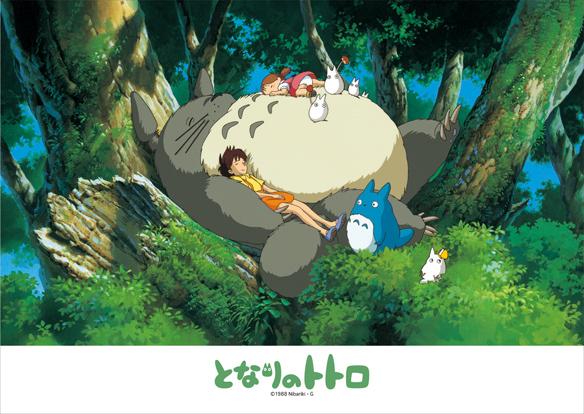
My Neighbor Totoro (Ghibli Movie) Spoilers and Discussion Summary
Released in 1988. In the 1950s, sisters Satsuki Kusakabe and Mei Kusakabe move to a lush green farm village and meet Totoro, a strange creature. Including a cat bus, this film depicts their interactions with these people, whom they only see as children, and a bit of growing up. It is also a film with refreshing depictions of nature and many dark urban legends to contradict it. An animated film written and directed by Hayao Miyazaki.
Read Article
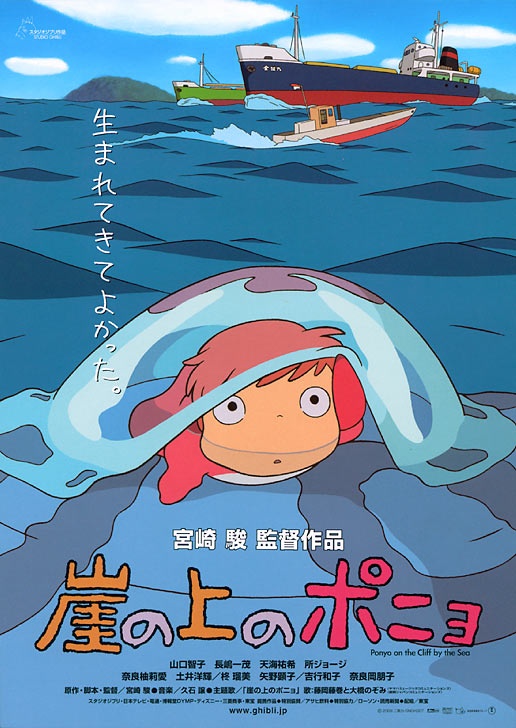
Ponyo on the Cliff (Ghibli film) Spoiler Commentary and Discussion Summary
Ponyo on the Cliff" is an animated feature film directed by Hayao Miyazaki and produced by Studio Ghibli and released in 2008. The ending theme song "Ponyo on the Cliff," sung by Fujioka Fujimaki and Nozomi Ohashi, became a hot topic, reaching No. 3 on the Oricon weekly chart. Sosuke, a five-year-old boy who lives in a house on a cliff, meets a fish girl named Ponyo in the sea. Ponyo falls in love with Sosuke and tries to become human.
Read Article
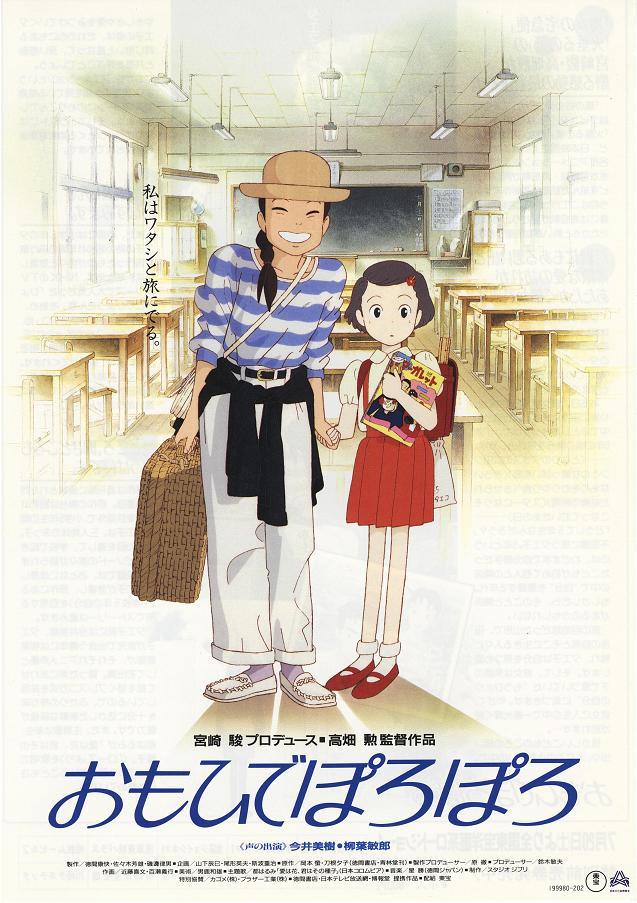
Omohide Poroporo (Ghibli Movie) Spoiler Commentary and Discussion Summary
A Studio Ghibli film released in 1991. Directed and written by Isao Takahata. Hayao Miyazaki also participated as a production producer. The film tells the story of a 27-year-old me who sets out on a journey alone, and looks back on my life up to that point with "Watashi, a fifth grader. The participation of Imai Miki and Yanagiba Toshiro as voice actors was also a hot topic at the time of the screening. The catch copy of the film is "I'm going on a journey with Watashi.
Read Article
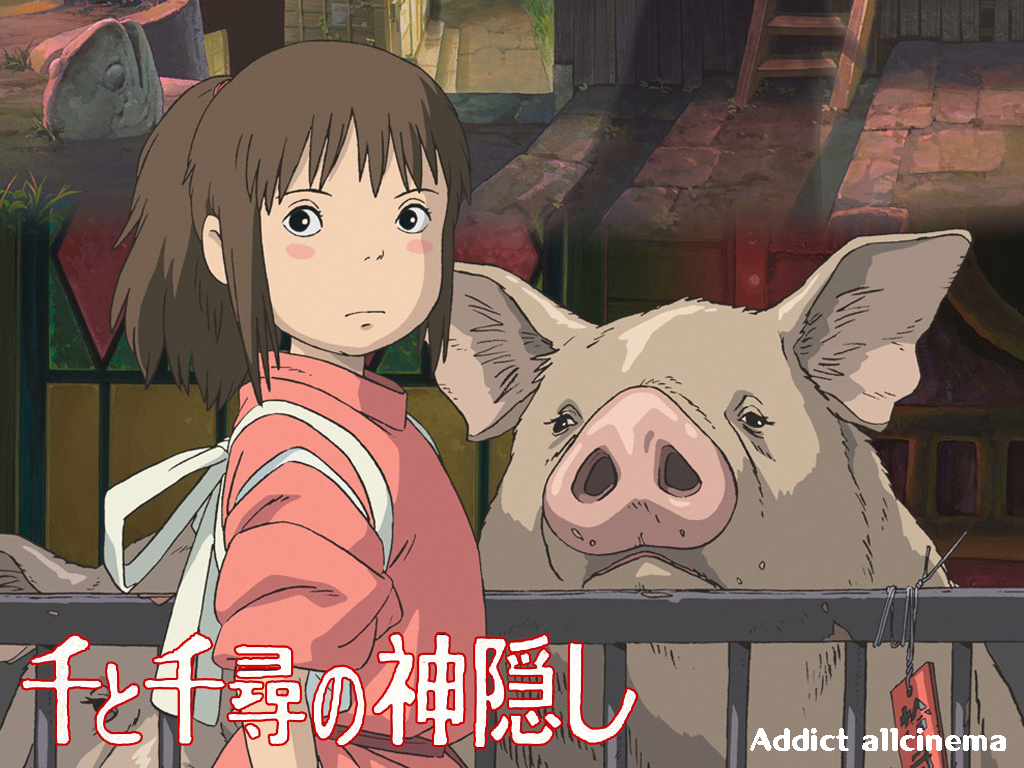
Spoiler commentary and discussion of Spirited Away (Ghibli film)
Spirited Away" is an animated feature film by Ghibli that was released in theaters in the summer of 2001. The film tells the story of a 10-year-old girl named Chihiro who wanders into the world of the gods. The film generated box-office revenues of over 30 billion yen and won an Academy Award in 2003. It is truly a masterpiece among masterpieces. It is such a masterpiece that it was voted by the BBC of the United Kingdom in 2016 as the fourth best film of the 21st century in their list of the 100 greatest films of the 21st century.
Read Article
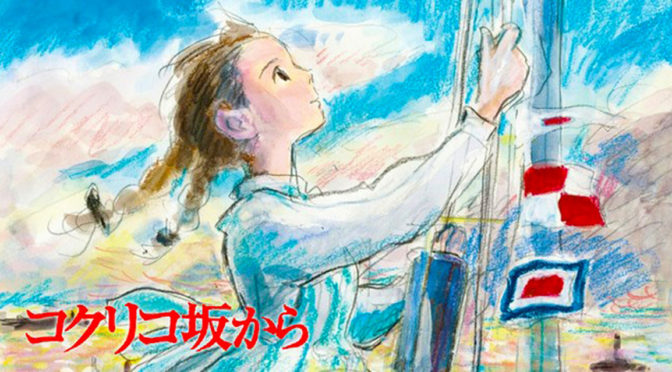
Spoiler commentary and discussion of From Up On Poppy Hill (Ghibli film).
From Up On Poppy Hill" is an animated film by Studio Ghibli released in 2011. The director is Goro Miyazaki, and the catchphrase is "Ue wo muite arukou." The film is based on the story of a high school student, Mel. Every morning, a second-year student at Konan Gakuen High School, Umi Matsuzaki, aka Mel, flies a flag in the garden. It was a signal flag for her father, who had gone off to war and never returned. One day, she noticed that she was featured in the school newspaper, "Weekly Carceratan," as the girl who flies the flag. It was an article written by Shun Kazama, a junior at the same high school. Mel begins to pay attention to Shun because of this article and gradually becomes attracted to him.
Read Article
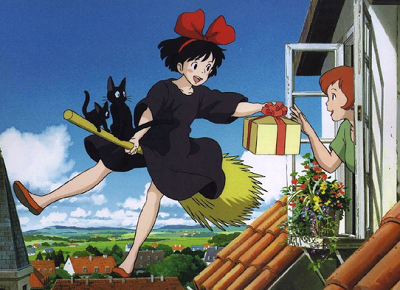
Spoiler commentary and discussion of The Witch's Delivery Service (The Witch's Home)
The Witch's Delivery Service" is an animated film produced by Studio Ghibli and released in 1989. Kiki, a 13-year-old witch, leaves her home town on a full-moon night and arrives in Koriko, a town across the sea. There, she opens "The Witch's Delivery Service" and experiences setbacks and grows up. Based on Eiko Kakuno's "The Witch's Delivery Service," the film features less fantasy than the original.
Read Article
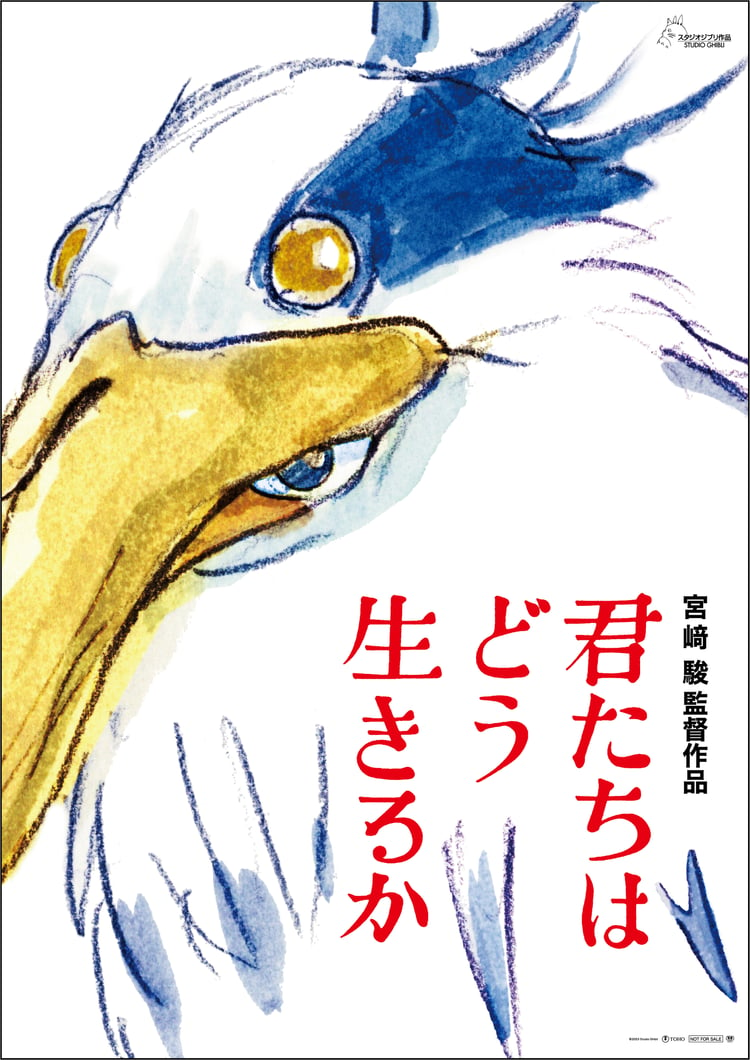
Spoiler commentary and discussion of How Do You Live (Ghibli movie)
How Do You Live?" is an animation film by Hayao Miyazaki about a boy who travels through a mysterious world to save his mother-in-law. The film, which Miyazaki made explicitly stating that "this is really the last one," became the talk of the town for its unique technique of being released with no publicity, no official website, and no information at all. As the Pacific War intensifies, Masato Maki and his father move to the suburbs, where he is reunited with his aunt Natsuko, who is to become his new mother-in-law. While the two are at a loss as to how to interact with each other, Natsuko disappears into thin air, and Maki is led on a journey to another world by a mysterious blue heron in order to bring her back.
Read Article
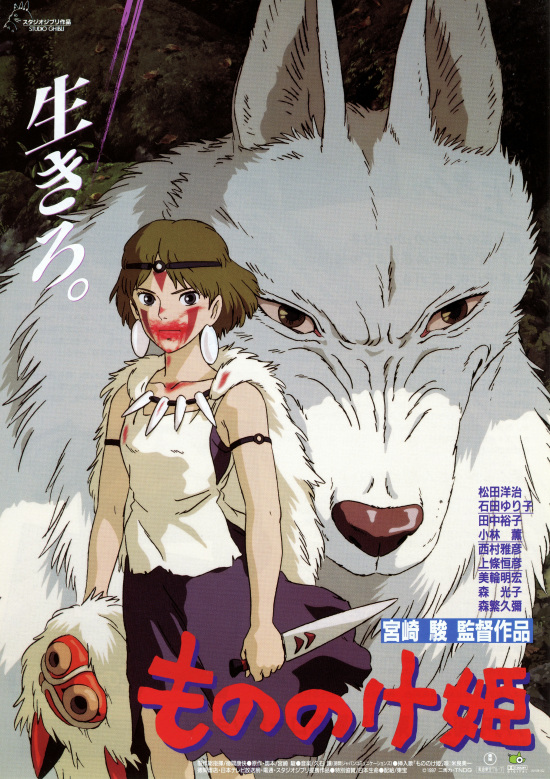
Princess Mononoke (Ghibli Movie) Spoiler Commentary and Discussion Summary
Princess Mononoke" is an animated feature film written by Hayao Miyazaki and Studio Ghibli. The film was released nationwide on July 12, 1997, with some movie theaters holding long-run screenings until early spring 1998, The film grossed 19.3 billion yen, making it the highest-grossing Japanese film of the 20th century. The film depicts the encounter between a human named Ashitaka and San, who was raised by a monster, and is an epic depiction of the conflict between man and nature.
Read Article
Howl's Moving Castle (Ghibli Movie) Spoiler Commentary and Discussion Summary
Howl's Moving Castle" is a Japanese animated feature film directed by Hayao Miyazaki and produced by Studio Ghibli, which was released nationwide on November 20, 2004, grossing 19.6 billion yen at the box office. It surpassed "Princess Mononoke" and became the second largest animated film produced by Studio Ghibli after "Spirited Away". The story takes place in a fictional world where magic and machines coexist. It depicts the warlike love between Sophie, a girl who was turned into an old woman by a curse, and Howl, a wizard.
Read Article
Tags
Contents
- Outline of "The Wind Rises
- The story of "The Wind Rises
- Jiro Horikoshi's Dream
- Fateful Encounters and Farewells
- Beyond the Dream
- Characters from "The Wind Rises
- Jiro Horikoshi
- Nahoko Satomi
- Honjo
- Kurokawa
- castorp
- Satomi
- Jiro's mother
- Kayo Horikoshi
- Hattori
- Kurokawa's wife
- caproni
- Junkers
- 『風立ちぬ』に関連する飛行機・戦闘機
- 隼型試作戦闘機
- 九試単座戦闘機
- 九二式超重爆撃機
- 一三式艦上攻撃機
- 八試特殊偵察機
- 零式艦上戦闘機
- 鳳翔
- Ca.60
- Ca.36
- Ca.90
- Junkers F.13
- Junkers G.38
- 九六式陸上攻撃機
- ポリカルポフ I-16
- 実在の堀越二郎が設計した機体
- 七試艦上戦闘機
- 九六式艦上戦闘機
- 雷電
- 烈風
- YS-11
- 幻の零戦後継機「烈風改」
- 実在のジャンニ・カプローニが設計した機体
- Ca.48
- Ca.64
- Terminology for "The Wind Rises
- tuberculosis
- Great Kanto earthquake of 1923
- Famous quotes, lines, scenes and scenes from "The Wind Rises
- Le vent se lève. Il faut tenter de vivre."
- Poetry reading "Wind
- Saba (mackerel) again? Eat meat and tofu once in a while!"
- Siberia
- Behind the Scenes, Trivia, and Anecdotes of "The Wind Rises
- Original manga "The Wind Rises
- Novel "The Wind Rises" and Tatsuo Hori
- The model for "Jiro
- The model for "Nahoko
- Why Hideaki Anno was chosen to voice "Jiro
- Why Miori Takimoto was chosen to voice "Nahoko
- Theme and insert songs for "The Wind Rises
- Theme song: Yumi Arai "Hikikumo