

This section summarizes modernism, which ranges from architecture to the art that adorns its interiors to figurines.
Modernism, at least in this day and age, is not so much avant-garde as it is something that is sought after and considered fresh by everyone.
What is Modernism?
Modernism refers to the artistic movements that occurred after the 20th century, especially the avant-garde trends that took place after World War I (the interwar period), especially in the 1920s
Source: ja.wikipedia.org
Generally, it means modernism or modernism against traditionalism, but in a narrower sense it is a term in the fields of religion and the arts.
Source: kotobank.jp
In a broader sense, it might be said to be cutting edge.
Modernism Today
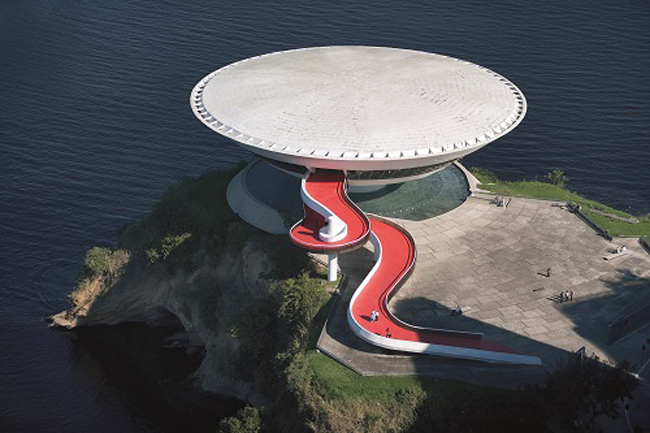
The design seems quite novel and looks like it could be in a game.
Art is very important to architecture," said Niemeyer, who has excelled at drawing since he was a child and felt that by staring at his drawings, they would appear as if they existed. The boldness and freedom of freehand and spatializing it
Source: fashionpost.jp
I love the feeling of reality taking shape.
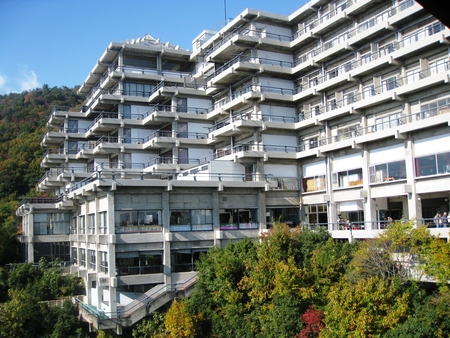
Japanese architecture. It is said to be a hotel, but it looks like a condominium, but somehow different.
Modern architecture of the past? It may sound strange, but modernist architecture usually has a retro feel to it.
In terms of the beauty of Japanese architecture with its exposed beams and pillars, the motif is even more tangible than in the famous Osaka Central Post Office.
Source: otube.osakazine.net
It is indeed often said that the retro feel is conversely fresh.
This is the latest modernism!

It is a sensibility that Japanese people do not seem to be able to compete with.
In the realm of modern design, everything is required to be post-modern at all times. In the modern sense of values, which demands "novelty," "interesting design" is more likely to attract attention than "lofty beauty," "neat forms," "functional shapes," and "traditional structures.
Source: kotobank.jp
Yes, there may be such a place.
Is his work like that?
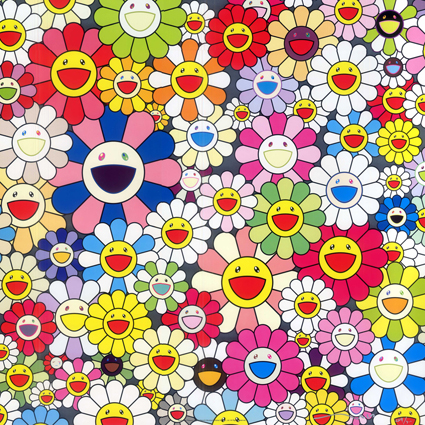
More than a decade ago, a work similar to this (also by Takashi Murakami) appeared in the ED theme of the anime Doraemon.
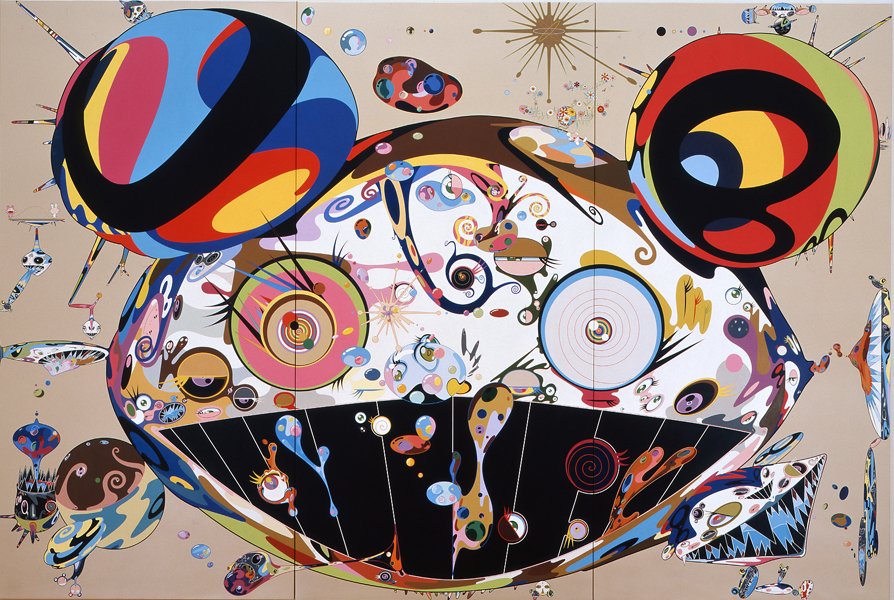
Well, it has a tremendous impact, doesn't it?
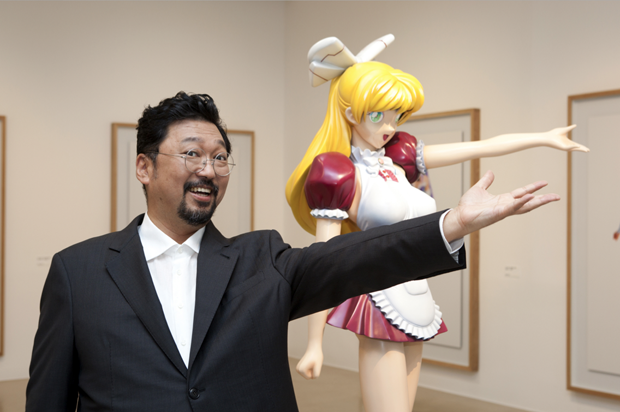
It's like you know exactly what the arms of the work should look like.
Rather than being novel, Takashi Murakami's works are a familiar Japanese business, and perhaps this is what foreigners find novel about them.
Whether one would call Takashi Murakami a modernist or not may be another matter of evaluation, but I feel that modernism itself is always seeking to be "novel" in its own way.
