
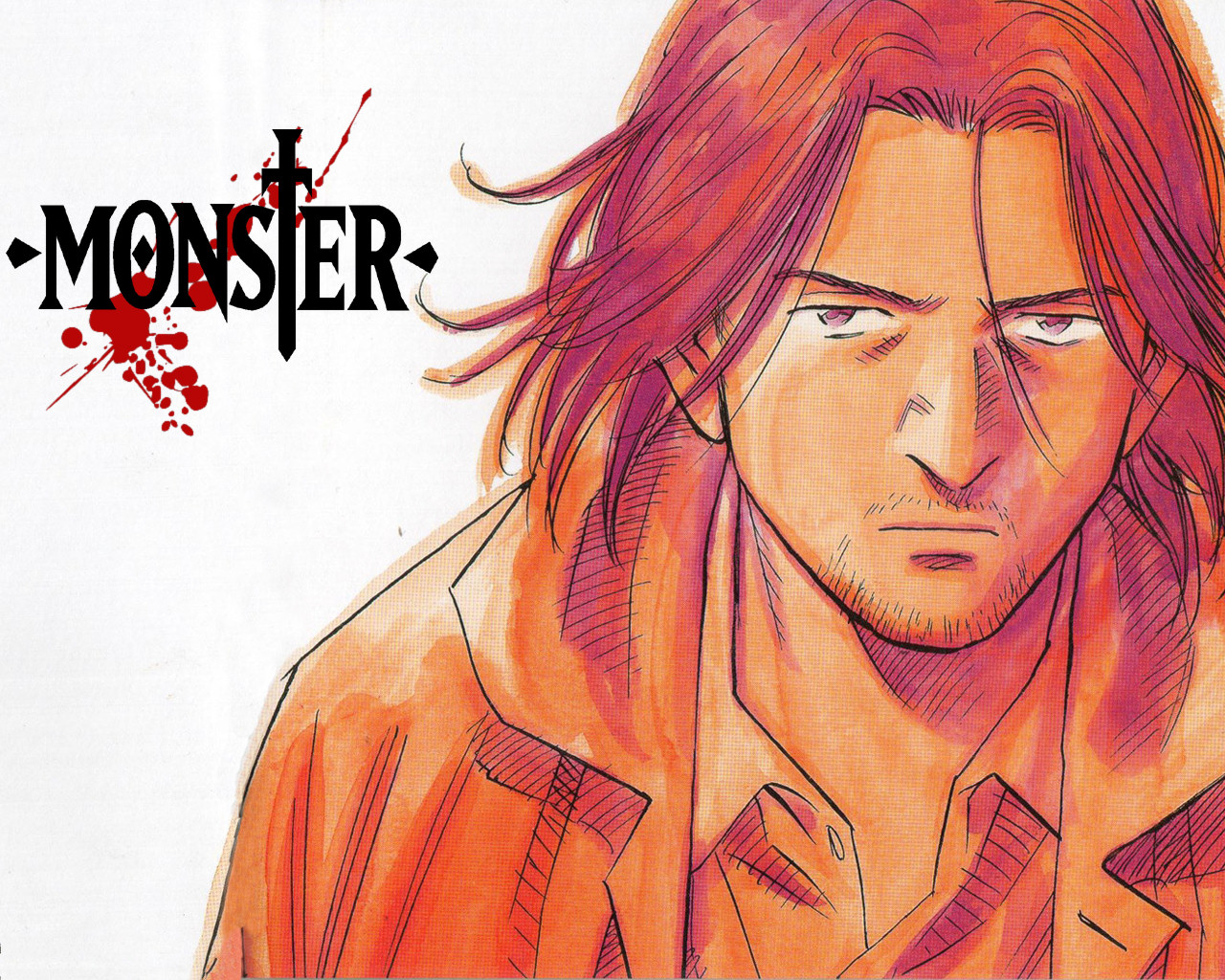
MONSTER" is a manga by Naoki Urasawa and an anime based on the manga.
The story takes place in Europe in the late 1980s and late 1990s.
Tenma, a genius Japanese brain surgeon, saves the life of Johan, a boy who was seriously injured in a robbery. However, when Tenma meets Johan again nine years later, she discovers that he is a serial killer who kills with impunity.
Feeling responsible for bringing the murderer Johan back to life, Tenma sets out on a journey to eliminate him in order to fulfill her responsibility.
Johan and Nina escaped from "The Three Frogs" and wandered near the border.
Famous quotes, lines/scenes and scenes from "MONSTER
Human life is not equal." (Volume 1, Chapter 1, "Hell Dr. Tenma")
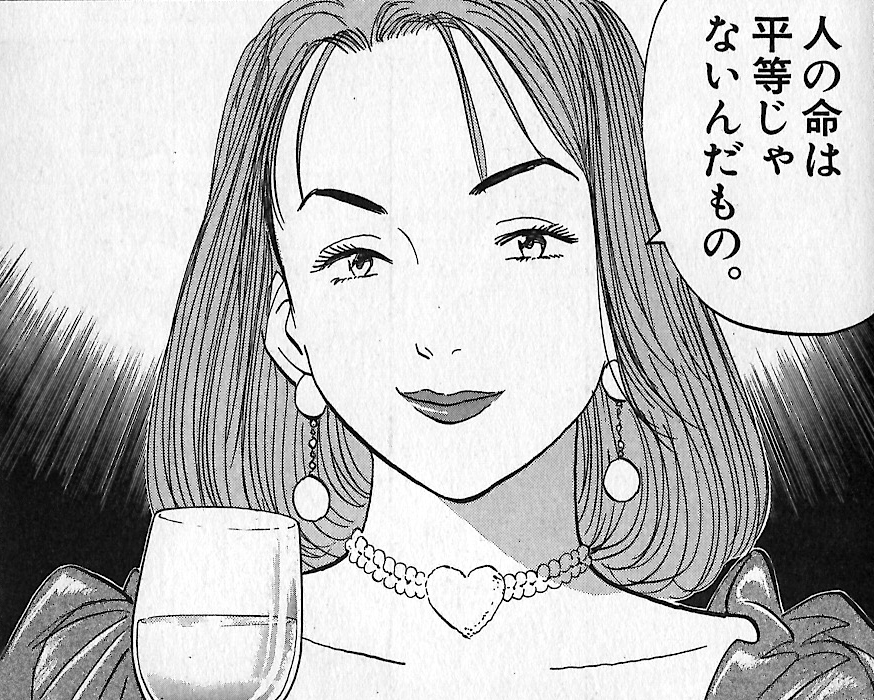
A line said by Eva to encourage Tenma, who was distressed because she was being blamed by the family of a deceased patient.
While Temma was preparing to operate on a Turkish patient brought in, a famous opera singer was brought in.
By order of the director, Temma took charge of the surgery of the opera singer who was brought in later, and another doctor took charge of the Turkish patient, the opera singer survived and the Turkish patient died.
Temma was blamed for this by the wife of the Turkish patient whom he met later, and was worried that what he had done was wrong.
To this, Eva replies that it is not Tenma's fault because human life is not equal.
However, Tenma is puzzled by Eva's assertion that 'the value of life differs depending on one's birth.
This is an important line that repeatedly appears in scenes where Tenma ponders the value of life.
For Eva, the line is meant to comfort Tenma, but for Tenma, who believes that human life is equal, it is a line that leaves a strong impression as well as a strong sense of resistance.
"Bari-bari-bari-bari-baki-baki-baki-baki-gokun." (Volume 9, Chapter 3, "Nameless Creatures")
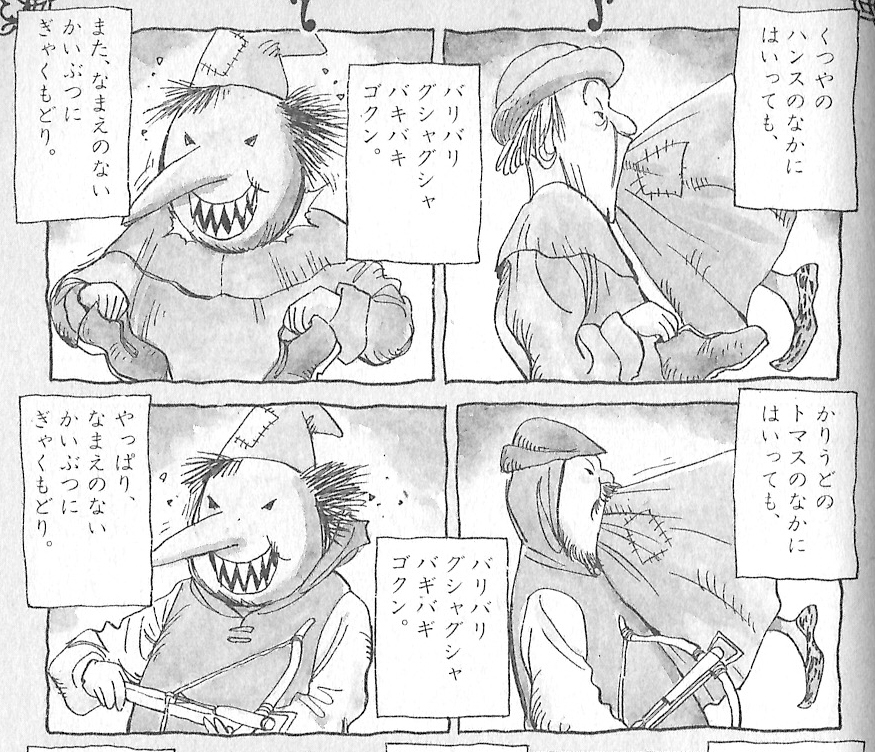
A passage that appears repeatedly in Franz Bonaparta's picture book "The Nameless Creature".
The book is a picture book that had a great influence on Johan's character development. It is a striking phrase that appears repeatedly in the book.
When Johan accidentally reads this picture book after growing up, he is so shocked that he faints.
Welcome back." (Volume 11, Chapter 8, "The Door of Nightmares")
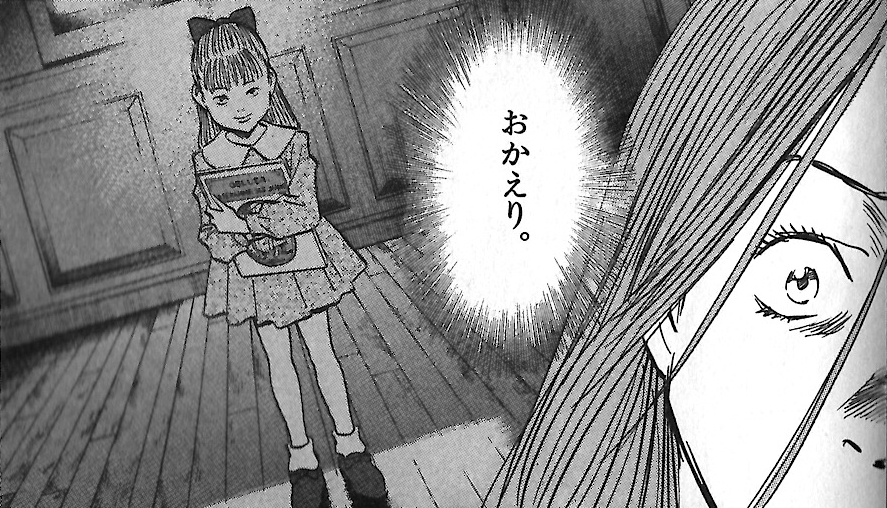
In Nina's mind, which traces her childhood memories, a scene of a girl holding a picture book smiling at her and saying, "Welcome home," comes to mind repeatedly.
She says that the girl is the Nina of her childhood.
Nina was waiting for her brother Johan, who had been taken to the "Red Rose House," while reading a picture book in the "Three Frogs.
When Johan eventually returned and opened the door to his room, Nina smiled and said, "Welcome home.
In reality, however, it was Nina who had taken him to the "Red Rose House," and it was Johan who was waiting for her in the "Three Frogs" reading a picture book.
Johan and Nina's mother had dressed Johan as a girl to camouflage the fact that she had only one child, in order to prevent Bonaparta and the others from knowing where she was.
When Nina returned, Johan smiled at her and said, "Welcome home.
Nina was taken to the "Red Rose House," where Franz Bonaparta told her that people could be anything, that you were beautiful jewels, and that she must not become a monster. You are beautiful jewels; you must not become monsters." These words kept her from awakening the viciousness that lurked within her, and she did not become a "monster" like Johann.
However, Johan, who remained in the "Three Frogs," repeatedly read the picture book "Nameless Creatures," which was used in the personality alteration experiment, while waiting for his mother and sister to return home, and when his sister came home and told him about the tragedy that occurred in the "Red Rose House," his evil nature awakened and he became a "monster" who repeatedly commits murder and brainwashes people. He becomes a "monster" who repeatedly commits murder and brainwashes people.
If the girl saying "welcome home" had really been herself, Nina might have become a monster like Johann.
This is an important line that repeatedly appears in Nina's memory.
"Human beings, you know, ......... can become anything."(Vol. 15, Chapter 6, "Nina's Memories")
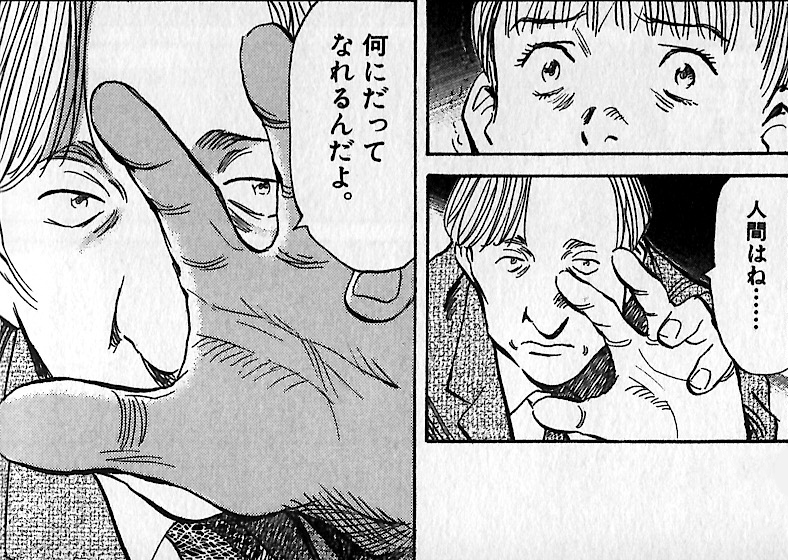
Franz Bonaparta's line to Nina after she saw the tragedy at the "Red Rose House."
Listen to me very carefully. ...... Now, forget everything you've seen. Run far away,...... as far away as you can,......... human beings,......... you can be anything you want to be. You are beautiful jewels,...... so don't be monsters,......"
Bonaparta was involved in a personality modification experiment to train superior fighters, but when he fell in love with Johan and Nina's mother, who was involved in the experiment, he came to believe that the experiment should be stopped. He then poisons everyone involved in the experiment and lets Nina, who was there, go.
Humans, like monsters, have both an evil side and a good side. Nina may have had the potential to become a monster like Johann. However, by hearing these words, Nina was able to suppress the evil part of herself and develop the good part, and she did not become a monster.
It is an important line that appears repeatedly in Nina's fragmented memory.
"Dr. Tenma ...... sorry." (Vol. 18, Chapter 2, "The End of Vacation")
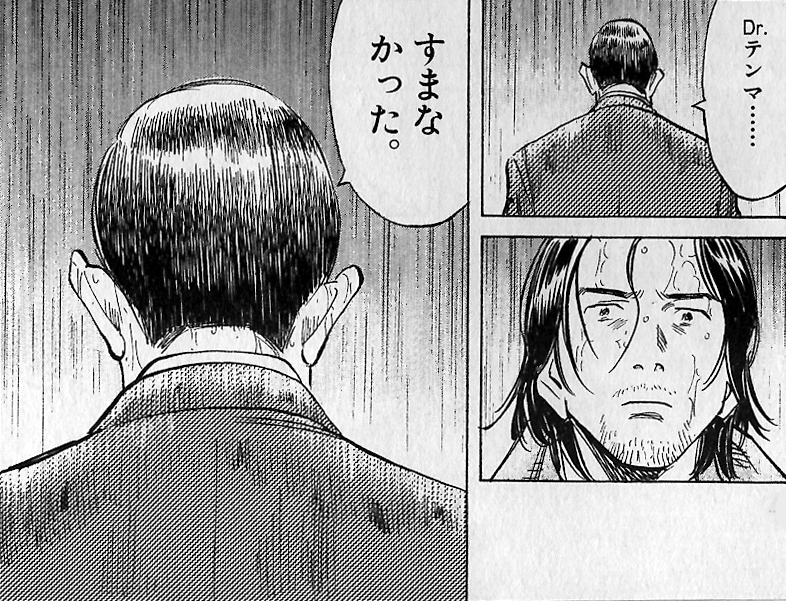
In the last volume of the book, Captain Lunge said this line when he met Tenma again.
Inspector Lunge had assumed that Tenma was responsible for the murder of the director of Eisler Memorial Hospital and other murders.
Even after hearing Tenma's testimony that the murders were the work of a boy named Johan, he concluded that Johan was another personality of Tenma, someone who did not actually exist, and he pursued Tenma as a serial killer.
However, as he investigates, Inspector Lunge learns about the "red rose mansion" and "Franz Bonaparte," and begins to think that Johann may be a real person.
In pursuit of clues about Franz Bonaparta, Inspector Lunge arrives in the small country town of Luenheim.
However, in that town, a mass madness set up by Johann and his associates leads to a killing spree.
While protecting the town's residents, Inspector Lunge is reunited with Tenma, who had also visited Luenheim in pursuit of clues about Bonaparta.
Lunge hands over the people he was protecting to Tenma and tells him where Bonaparte is. He then says to Tenma, "I'm sorry," and leaves for the hotel where Johann's man, Robert, is staying.
This is an important scene in which Inspector Lunge, who has been pursuing Tenma as a serial killer, admits the existence of Johann, Tenma's innocence, and his own mistake. The dialogue itself is short, but in his actions before and after this scene, we can feel Inspector Lunge's regret for having assumed that Tenma was the murderer.
"Sadness is fading away,...... and only memories of fun remain.......Humans are so conveniently made,......" (Vol. 18) Chapter 10, "Tomorrow Will Come")
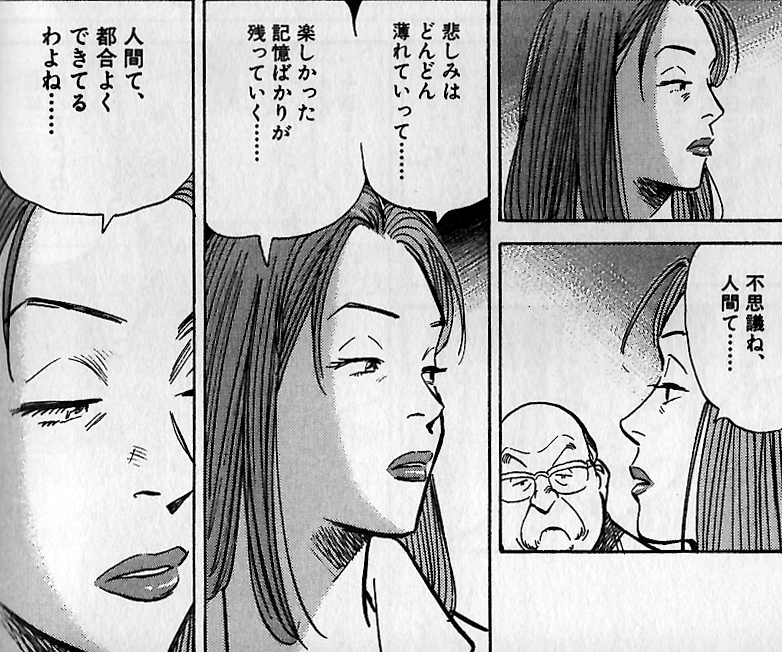
A line from Eva's visit to Dr. Reichwein's clinic in the last volume.
After her father's death, Eva has been married and divorced repeatedly, and after being dumped by Temma, who had tried to get back together with her, she became an alcoholic and led a life of desperation.
When she accidentally sees Johan's face, she becomes the target of an attempt on her life by Johan and his associates.
After being forced to take care of Eva for a few days, Johan's associate, a "baby" subordinate named Martín, is ordered to kill Eva.
However, he disobeys the order and lets Eva go, which leads to her murder by Johan's associate.
Eva has been through many things: the death of her father, three divorces, a desperate life as an alcoholic, and the death of Martin who helped her.
However, now that she has overcome her alcoholism through Dr. Reichwein's treatment and has found a job, the sad memories are fading away and only the happy memories remain.
The line is deeply moving because it reminds us that Eva, who had been emotionally fragile, having put Temma in a difficult situation for emotional reasons and leading a desperate life because she could not endure adversities such as the death of her father, has recovered through encounters with various people.
Backstories, trivia, and small stories/episodes/anecdotes about "MONSTER".
The original story of "Tenma"
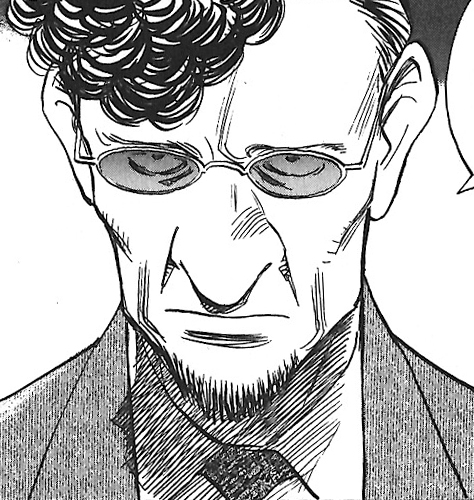
Dr. Tenma appears in PLUTO.
The main character, Kenzo Tenma, is named "Kenzo Tenma" written in kanji characters.
Tenma's name is thought to be derived from "Dr. Tenma," a mad scientist who appears in Osamu Tezuka's work "Astro Boy.
In the works of Naoki Urasawa, the author of "MONSTER," there are many places where one can sense his respect for Osamu Tezuka's works, such as the scientist Chirico in "20th Century Boys" (modeled after Dr. Chirico in "Black Jack").
Naoki Urasawa also once drew "PLUTO," a remake of Tezuka's work "Astro Boy: The Greatest Robot of All Time.

Related Articles
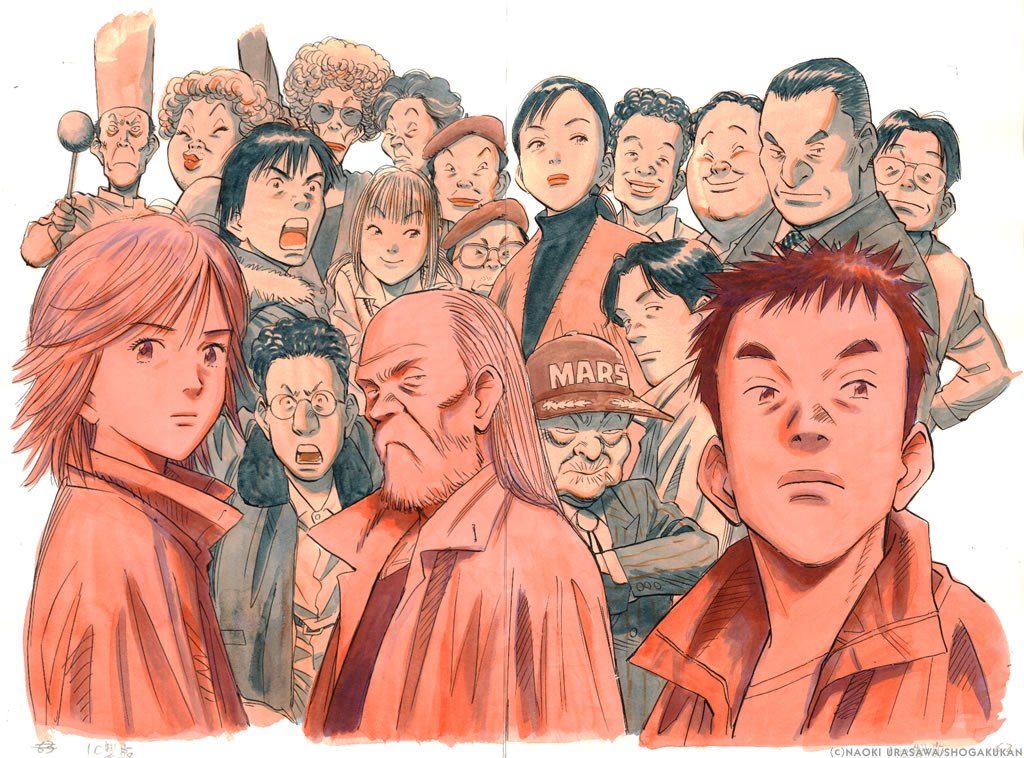
Spoiler commentary and discussion of 20th Century Boys (manga and film)
20th Century Boys" is a manga by Naoki Urasawa, which was made into a movie from 2008 to 2009. Kenji, a middle-aged convenience store manager, is surrounded by a series of unexplainable incidents. Eventually, Kenji and his friends realize that these incidents are the realization of their childhood fantasies. Kenji gathers his friends, who together imagined the future world in their youth, and together they search for the identity of the person called "Friend," who is the mastermind behind the incidents.
Read Article

Summary of PLUTO spoilers and discussion of PLUTO
PLUTO" is a manga work by Naoki Urasawa based on the episode "The Greatest Robot of All Time" in Osamu Tezuka's work "Astro Boy". The setting is a world where humans and robots coexist. One of the seven robots, Gejito, a German detective robot, is one of the seven robots, and he is trying to find out the identity of the mysterious robot "Pluto," which is believed to be deeply involved in the series of incidents.
Read Article
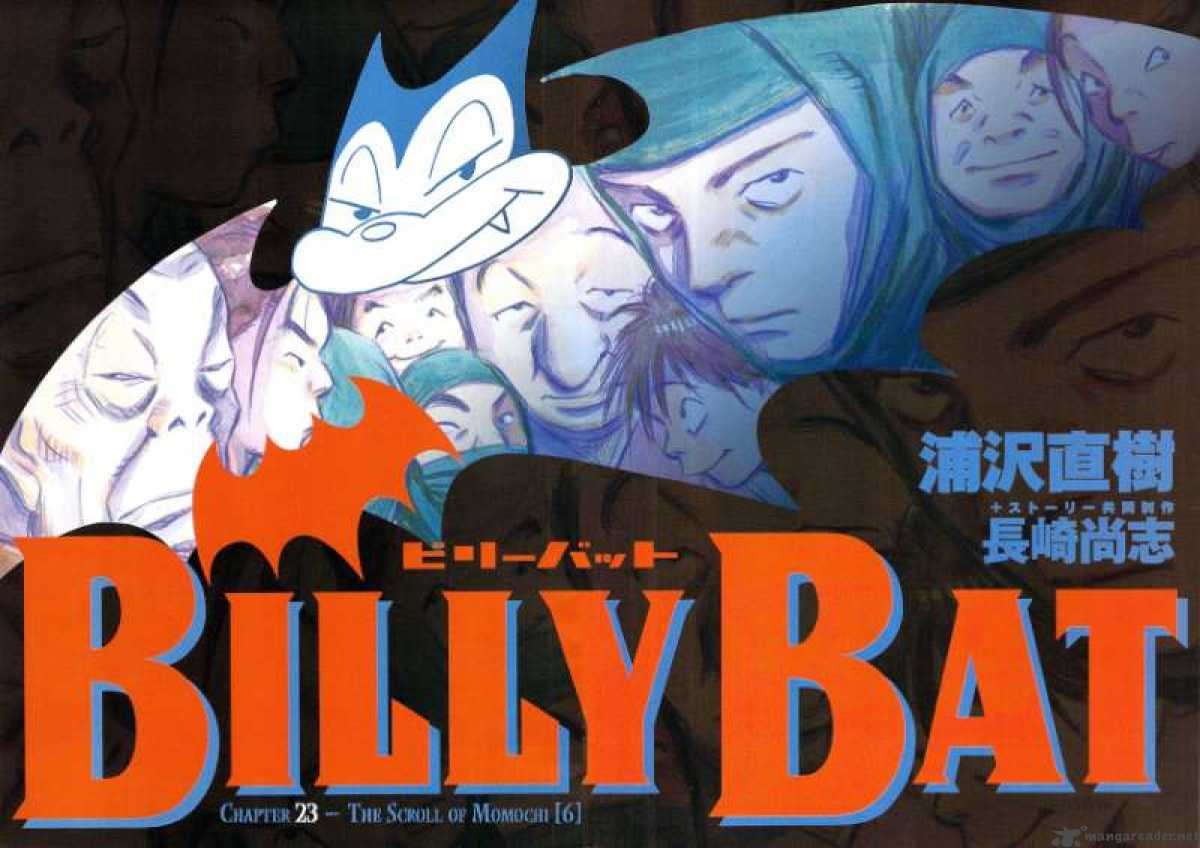
Summary of BILLY BAT spoilers and discussion
BILLY BAT" is a manga work by Naoki Urasawa. The story was co-created by Naoshi Nagashima. It was serialized in "Morning" (Kodansha) from 2008 to 2016 with several long breaks in between. It is a science fiction epic that depicts the reverse side of history. It depicts how people who hear the voice of a "bat" that haunts certain people and predicts the future eventually become heavily involved in historical events.
Read Article
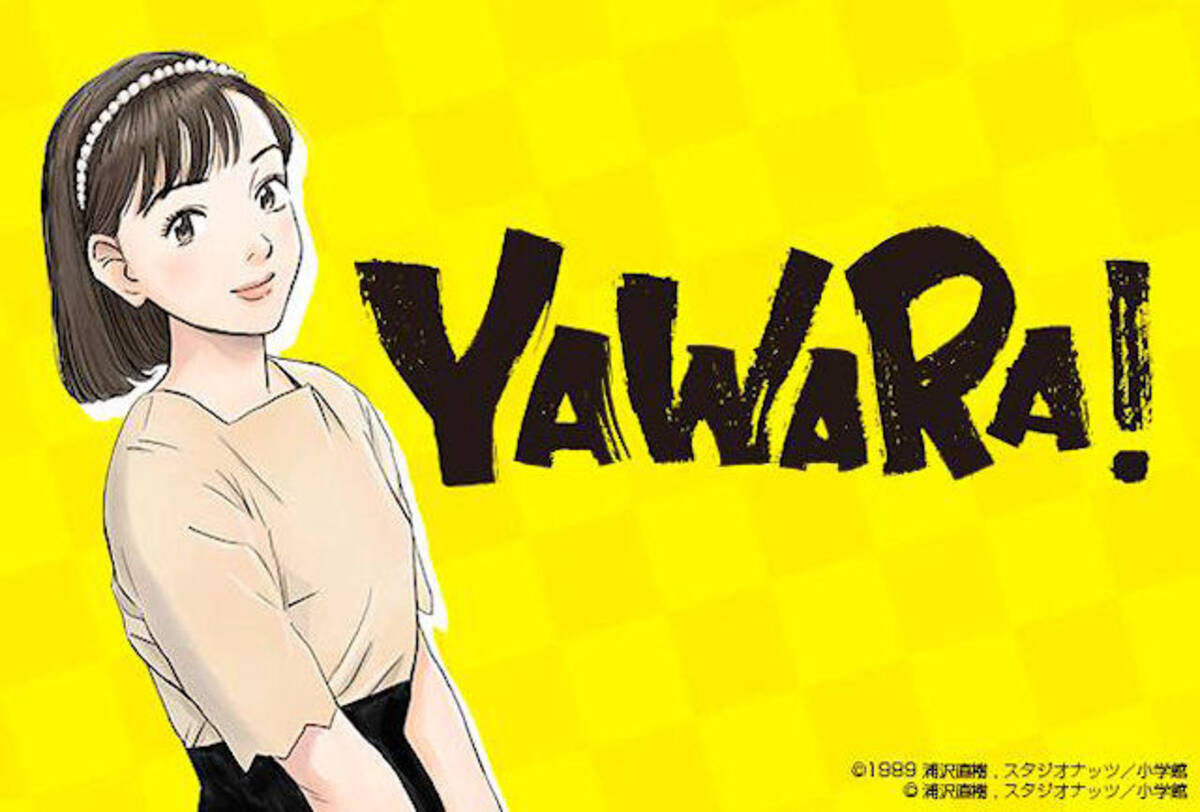
Spoiler commentary and discussion of YAWARA! (manga and anime)
YAWARA!" is a manga by Naoki Urasawa and an anime based on it. It was serialized in Big Comic Spirits from 1986 to 1993, with a total of 29 volumes and a circulation of approximately 30 million copies. In 1989, it was adapted into an anime that became a huge hit and triggered a women's judo boom. In this judo manga, Judo, who was educated as a gifted student by her grandfather, competes against the world's best at the Olympics and world championships. Judo is a sport that Judo was always backward-looking, but she gradually becomes more positive about it through her encounters with Matsuda, Fujiko, Jody, and others. It is also an attractive pure love story.
Read Article
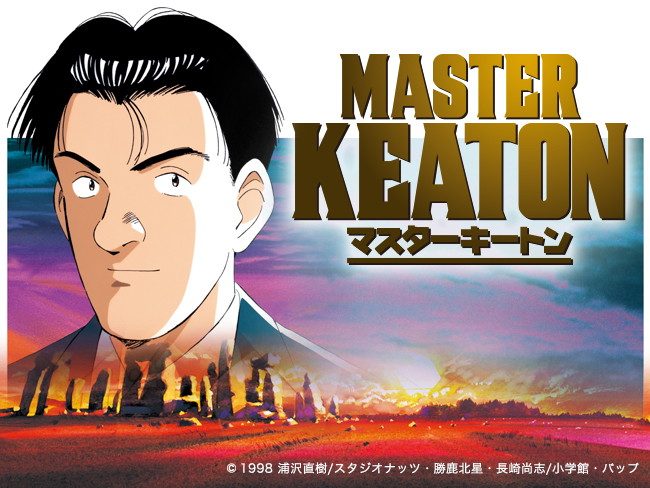
Spoiler commentary and discussion of MASTER Keaton (Master Keaton)
It is a manga and anime work by Katsushika Hokusei and Naoki Urasawa, serialized in "Big Comic Original" from 1988 to 1994. Hiraga Keaton Taichi spends his days as a British insurance investigator. He has two faces: he is an archaeologist and a former Special Forces soldier. He travels around the world making full use of the knowledge he has acquired through archaeology and the steel mind and body he has developed in the Special Forces.
Read Article
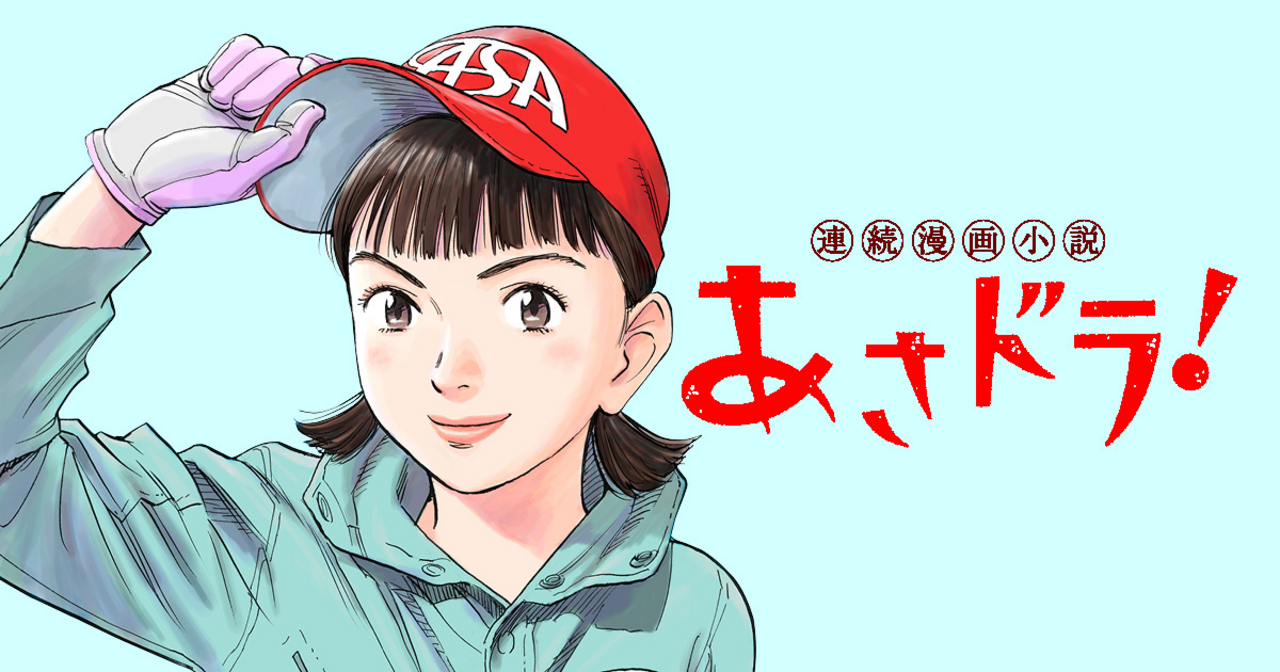
Asa Dora! (Naoki Urasawa) Spoiler Commentary and Discussion Summary
Asadora! is a human science fiction manga by Japanese manga artist Naoki Urasawa, which began serialization in Shogakukan's manga magazine Weekly Big Comic Spirits in October 2018. Set in postwar Nagoya and Tokyo, the manga depicts the main character, Asa Asada, a young girl who grows up to be a strong aviator. The story also involves the pursuit of the mystery of a giant monster that suddenly appears. The title is derived from NHK's television series, the so-called "morning drama. The title is also used in other names: "Serial Manga Shosetsu Asadora! (Japanese title is "Asadora!").
Read Article
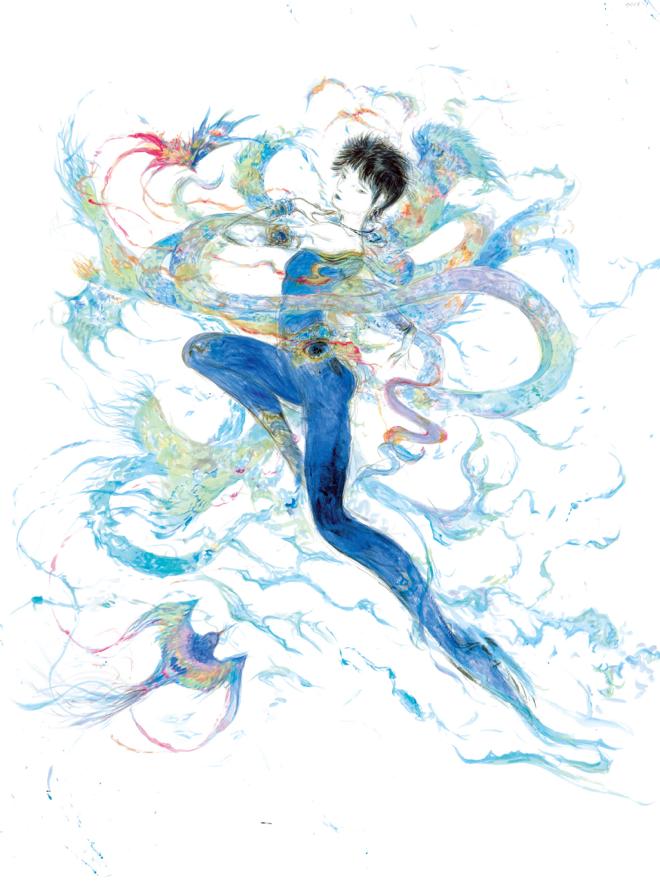
A collection of images of figure skaters drawn by famous cartoonists and illustrators!
We have compiled a collection of images of figure skaters drawn by world-class illustrators, popular Japanese manga artists, and other talented creators. You can enjoy the touch of each cartoonist and illustrator. They are all fascinating works, so please check them out.
Read Article
Tags
Contents
- Outline of "MONSTER
- Synopsis and story of "MONSTER
- Genius brain surgeon Dr. Tenma
- The Chaser and the Chased
- nameless (insignificant) creature
- Conclusion of the case
- Characters from "MONSTER
- key people
- Kenzo Tenma / Dr. Tenma
- Johann Liebert
- Nina Foltner / Anna Liebelt
- Eva Heinemann.
- Inspector Heinrich Runge
- Wolfgang Grimmer / Neumeier
- Tenma's collaborators
- Julius Reichwein / Dr. Reichwein
- Rudy Geelen / Dr. Geelen
- Dieter.
- Fritz Werdemann, Attorney at Law
- Günter Milch.
- Hans Georg Schubart.
- Carl Neumann / Karl Schubart
- Lotte Frank.
- RICHARD BROWN
- Otto Heckel.
- Detective Jan Suk
- Jacob Maurer
- Hugo Bernhard
- Dr. Schumann
- Milan Kolash
- Johan's relations
- Roberto / Alfredo Baul / Adolfo Reinhardt
- baby
- Professor Günter Goedelitz
- General Helmut Wolff
- Petr Chapek.
- Christoph Sievernig.
- Martin Röst.
- Other Important People
- Franz Bonaparta / Klaus Poppe
- Yaromir Lipsky.
- Margot Langer / Helenka Novaková
- Mikhail Ivanovich Pedrov / Reinhard Beeermann
- Philippe Zeman / Philippe Zeman
- Karel Ranke
- Benjamin Weisbach.
- Terms of "MONSTER
- nameless (insignificant) creature
- superhuman Steiner
- Three Frogs
- Red Rose House
- 511 Kinderheim
- recitation
- Landscape of the End
- Famous quotes, lines/scenes and scenes from "MONSTER
- Human life is not equal." (Volume 1, Chapter 1, "Hell Dr. Tenma")
- "Bari-bari-bari-bari-baki-baki-baki-baki-gokun." (Volume 9, Chapter 3, "Nameless Creatures")
- Welcome back." (Volume 11, Chapter 8, "The Door of Nightmares")
- "Human beings, you know, ......... can become anything."(Vol. 15, Chapter 6, "Nina's Memories")
- "Dr. Tenma ...... sorry." (Vol. 18, Chapter 2, "The End of Vacation")
- "Sadness is fading away,...... and only memories of fun remain.......Humans are so conveniently made,......" (Vol. 18) Chapter 10, "Tomorrow Will Come")
- Backstories, trivia, and small stories/episodes/anecdotes about "MONSTER".
- The original story of "Tenma"
- The actual release of "Namae no Nai Kaibutsu
- Doctors Without Borders
- Animated version of "MONSTER
- summary
- theme song
- Opening theme "GRAIN" Composition/Arrangement - Kuniaki Hajima
- Ending theme "for the love of life" (CHAPTER.1 - 32) Lyrics - David Sylvian / Composed by David Sylvian and Kuniaki Toshima / Song - David Sylvian
- Make It Home" (CHAPTER.33 - 74) Words, music, arrangement - Kuniaki Hajima / Song - Fujiko Hemming