
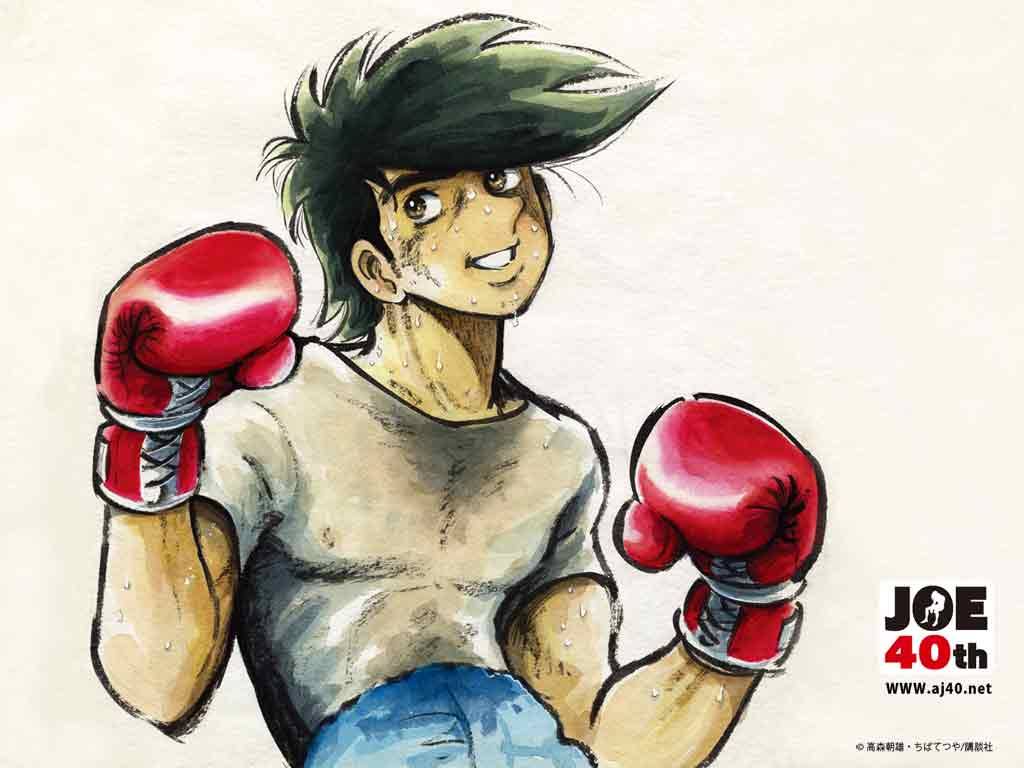
Ashita no Joe" is a Japanese manga (Japanese comic book) or animation based on the manga, written by Asao Takamori (Ikki Kajiwara) and drawn by Tetsuya Chiba. It was serialized in Kodansha's "Weekly Shonen Magazine" from the January 1, 1968 issue (the release date was December 15, 1967) to the May 13, 1973 issue.
The story revolves around Takeshi Yabuki, an orphan with wild instincts, who is bought for his boxing talent and engages in a solitary battle. The aesthetics of a man's dedication to boxing is both beautiful and sad.
In the 1960s, when "Ashita no Joe" was published, "racist terms" were commonly used in shōnen manga. Among the terms used to describe Joe were "mekura," "mekachi," "katawa," "kronbo," and "madman. Since this picture is from the 1995 edition of Chiba Teya's complete works, volume 3, "madman" has been changed to "weirdo.
However, Danpei's nickname "Kenkichi," which means "fist-fighting madman," does not mean "mentally challenged person," so it is used as it is.
The "hunchback" in the title of the play "The Hunchback of Notre Dame," the title of Yoko's consolation play at the reformatory, is treated as a racist term but has not been modified. This may be because the word is not used in the characters' lines, but only in the text of the play's title, but it is unclear what the standard is.
Yoko's parents
Yoko's parents appear only in the original work. They have no dialogue and appear only in this frame during Rikiishi's weight loss. It is assumed that one of them is Shiraki's biological son or adopted son, but it is never mentioned. Since neither Yoko nor Shiraki look much alike, it is possible that they are not related.
Irresponsible media and audience
Because "Ashita no Joe" is a boxing manga, there are always spectators who come to watch boxing, newspaper reporters who cover the fighters, and television stations that broadcast the fights.
However, the people who appear in the manga consider Joe and the other boxers to be nothing more than tools for entertainment and fodder for the newspapers and TV stations.
The spectators show no consideration or care for the players. They throw things and yell at the players and staff when they don't like the way a game is played, as if they are paid to watch the game and therefore deserve service, or as if they can say whatever they want because they are paid to watch the game.
The newspaper reporter does not care how bitter and lonely Joe is inside, and reports his selfish speculation that Joe does not care about Rikishi's death or that he has a high opinion of himself as if it were the truth.
As for the media in particular, it is so biased that not a single reporter has a kind word for Joe, but the style of the cartoon animation based on the original manga by Asao Takamori (Ikki Kajiwara) is consistently one in which the audience is ill-patterned and the media only cover the story in an arbitrary manner. Only in the anime "Ashita no Joe 2" did a serious and honest journalist appear as a completely original character.
If we dare to defend Ashita no Joe, the era of Ashita no Joe was the early 1950s, when Japan was recovering from the defeat in World War II and entering a period of rapid economic growth. The rattled audience was of an age when most of them were children at the time of World War II, and like Kim Yong Fei, who experienced the Korean War, they had experienced the oppressive life in the war. They are scolded by their bosses at work and by their wives when they go home, which is a different kind of oppressed life than during the war, so they may have no choice but to relieve their sorrows through boxing matches. However, it is difficult to defend them, even if they have a quota to cover a prescribed number of articles per day, because a newspaper reporter who can only cover a story with total disregard for the state of mind of the subject (Joe) is disqualified as a reporter.
Smoking scene of the little guys
The smoking scene of the chibis is present in both the original story and the anime.
The scene in the photo shows the chibis smoking and hunting for prey to earn some money by hitting cars while Joe is out on the road. The scene is resolved peacefully when West comes by later. While the romance of men and the coolness of boxing are eye-catching, we must not forget the darkness in the hearts of the children, who have become depressed due to the loneliness of not having Joe and the hardships of life.
slovenly Danpei
Joe and Danpei traveled to Hawaii for their first overseas expedition. When they arrived in Hawaii, they were welcomed with leis and kisses on the cheeks. Joe seemed to feel nothing in particular, saying, "It tickles me to have my cheek kissed," but Danpei got carried away and chased after the women.
It is a bit of a surprise that even Danpei, who usually has no interest in women, is interested in women, and Joe finds it unnatural that he only thinks of the kiss as "ticklish to lick your cheeks.
This is because Joe is self-described as 15 years old when he first appears in the film, and five years have passed since then, yet he does not even know how to kiss a greeting. Even though he has no experience, he is at an age where he can acquire a certain amount of sexual knowledge from magazines and other people, but Joe has no sexual knowledge at all. A newspaper reporter who is always chasing after Joe and saying all kinds of selfish things might be able to infuse him with sexual knowledge, but the fact that there is no evidence of this may be for the sake of the story.
Mystery of Carlos' return date
Carlos Rivera retired after being punched in the head in a fight with world champion Jose Mendoza, becoming a punch-drunker. How was he able to come to Japan after he retired and returned to his hometown in Venezuela? A punch drunker is a cripple, so to speak. So, no matter how much money he had, he could not even buy a plane ticket by himself, much less go to the airport. His manager, Robert, must have given up on him, and there was no sign of his cooperation.
Besides, even if he could somehow come to Japan, how could he get from Narita or Haneda airport to Joe's game venue without getting lost? Besides, Jose has made no explanation whatsoever for the punch-drunker that he turned Carlos into. It is unnatural for him, a proud world champion, to decide to remain silent about crippling a young boxer.
It is revealed at the end of the story that it was Jose's corkscrew punch that crippled Carlos, but if that were the case, Robert would not have said in an interview immediately after Carlos' defeat, "Carlos was crippled by Joe. If Jose's punch had hit Carlos on the head and crippled him, Robert, the audience, and the newspaper reporter would have seen the punch. However, the fact that the information that Joe crippled Carlos was spread in Hawaii and abroad suggests that the view abroad was that Jose did not cripple Carlos.
And Jose was surprised when he saw Carlos' face when he came to watch the match, but was the reason for his surprise because he saw the face of the boxer he had crippled? Could a man with that kind of mentality defend the title of world champion for several years? It was Dr. Kiniski, Jose's doctor, who took care of Carlos when he came to Japan, and it was also Dr. Kiniski who showed Yoko the x-ray photos that proved that Jose's punch was the cause of Carlos's crippling injury. However, there is no evidence that the photographs really belong to Carlos. First of all, there is no way that he could have obtained the x-rays of a patient who was not his patient. Moreover, it is extremely unnatural for a world-renowned professor to look at a video of Joe's fight, which even a layman like Yoko could see was in a dangerous state, and misdiagnose that he was fine.
We must not forget that Carlos is a true actor who never shows his true face, and even his manager Robert is sometimes fooled by him. Moreover, the story that even Robert is fooled may be a lie. An actor of his caliber should be able to pull off a punch drunk act with ease. If Jose went along with Carlos's act, he would have nothing to explain, since Carlos was not a cripple.
If Jose, Kiniski, and Carlos did engage in theatrics, why was this necessary?
Forgotten in the shadows of several fierce fights over Joe is the fact that the gym managers of the Japan Boxing Association were planning to legally kill Joe during the fight. It was thought that the matter had been swept under the rug at some point, but there is no possibility that they asked foreign boxers to take care of Joe, who was too much for Japanese boxers to handle. It is a clear fact that only a Carlos or Jose class could eliminate Joe.
If a head-on attack is futile, the only way is to push him mentally. Joe's mentality is inversely proportional to his offensive ability, as evidenced by the fact that it took him so long to recover from Rikishi's death. Joe believed that Carlos was crippled and that the only way to beat Jose was to take advantage of the fact that he had destroyed Carlos, but Joe would have suffered because that would have meant fighting Jose at Carlos' expense. If, after suffering, he received information that Carlos had actually been crippled by Jose, he would lose his advantage and further psychological damage would be inflicted on Joe. At the same time, the symptoms of the punch-drunker were actually progressing, but since Kiniski's diagnosis was that there was no problem, Joe was left untreated, and both his body and spirit were in shambles. If it was the decision of foreign boxing officials that Joe could not be eliminated without such a degree, then all the discrepancies can be explained.
Mystery of the Long Count
Round 5 of the Joe vs. Jose fight. Jose was down for the first time and was being counted. However, while the count was being taken, the fighter who had not been taken had to return to a neutral corner, but Joe was standing there stunned. The referee stopped the count midway and pushed Joe back to a neutral corner while Jose got up. Had the count not been interrupted at this time, Jose would not have been able to get up during the ten-count, and Joe would have been declared the winner. The referee's actions at this time are questionable.
The reason is that when Jose went down, he stopped the count once, but when Joe went down, he returned Jose to a neutral corner before taking the count. He also looked annoyed when Joe got up even though he was down several times, and when Jose's side asked him to abstain from the match because Joe was acting strange, for some reason he didn't take it, and he was even taking some notes. The judges outside the ring do the scoring to determine the winner of the match, not the referee, so there is no need for the referee to make any notes. The reason why the referee did not need to write a note was not clear until the very end of the match. The scoring cards that the judges collected from the judges at the end of the match are different from the judges' notes because they were only collected from what the judges had written.
The commentary at the end of the 11th volume of Tetsuya Chiba's complete works describes the "Long Count Incident," which seems to be the original source of this mysterious count.
In the eighth round of the 1990 world heavyweight title match between Mike Tyson and James Douglas, Douglas went down, but the referee stopped the count as he did with Jose, during which Douglas got up and won the fight by KO in the 10th round. The "Long Count Incident" is one that they have avoided mentioning since then, and the truth is that the truth is in the dark.
And this development is similar in some ways to the fight between Joe and Rikiishi in the special reformatory, in which Danpei asked Joe to let the fight continue under the rule that the fight would continue until one of them went down in order for Joe to learn the cross counter. The same can be said of the change in the development of the match due to a will (an act of the referee) other than the intentions of the players.
Carlos' return date and the long count. These two factors may have been the distant cause that pushed Joe to the point of burning up in white.
The Last Scene of the Phantom
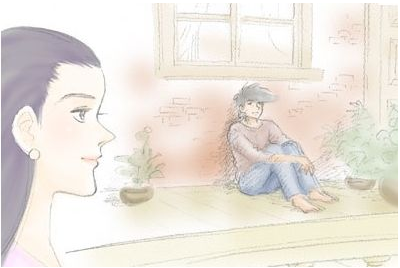
This is the image of Joe and Yoko after they burned up in white, as shown on Tetsuya Chiba's official website. It is worth reading the commentary by Tetsuya Chiba himself.
You can see it in the Reference Room / Works / Ashita no Joe page.
Yodo-shi hijacking
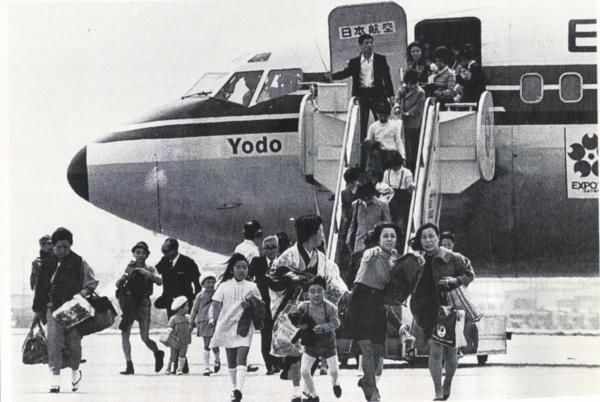
The hijacking of a Japan Airlines flight on March 31, 1970, by the Red Army faction of the Communist League, was the first hijacking in Japan.
It is unclear whether it was coincidental or inevitable that the incident occurred on April 1, 1970, the day after the first episode of the TV anime version of "Ashita no Joe" was broadcast. It is also unclear why they wrote "tomorrow" for a title that should have been "Ashita," whether it was just a writing error or because they did not know what "ashita" meant.
As a side note, the 53rd episode of the first TV anime season of Fujio Akatsuka's "Mouretsu Ataro" was suspended due to a special news program about this incident, and a new episode was produced using this incident as the story in the 74th episode.
Theme and insert songs for "Ashita no Joe
Opening theme "Ashita no Joe" sung by Isao Odo
Ashita no Joe OP
Ending theme "Joe's Lullaby" (episodes 1 - 40), sung by Asao Koike

Related Articles

Summary of the magazine's past heroines
Shonen Magazine" is one of the longest running weekly shonen manga magazines in Japan. Over its long history, the magazine has produced numerous masterpieces and supported Japanese manga culture. Because of the "shōnen manga" (boys' manga) concept, most of the main characters are boys, but the heroines who support them are also an integral part of the story, and are depicted in an attractive manner. The heroines are childhood friends, students, outsiders, and people from other worlds, and their relationships range from lovers to friends to rivals. Here we introduce some of the heroines who have graced the pages of the magazine.
Read Article
A compilation of famous quotes, lines/scenes, and scenes from Ashita no Joe
Ashita no Joe" is a boxing-themed manga written by Asao Takamori and drawn by Tetsuya Chiba. It was serialized in Kodansha's "Weekly Shonen Magazine" from 1968 to 1973. It is said to be one of the biggest hit manga of the postwar period, featuring such attractive characters as the main character Yabuki Joe, his coach Danpei Tange, and his rival Toru Rikiishi. The story is about Joe, a delinquent who appears in a doya street, and his coach Danpei Tange, who discovers his boxing sense, and aims to become a world champion by competing against numerous rivals. The story has produced many famous lines and scenes.
Read Article
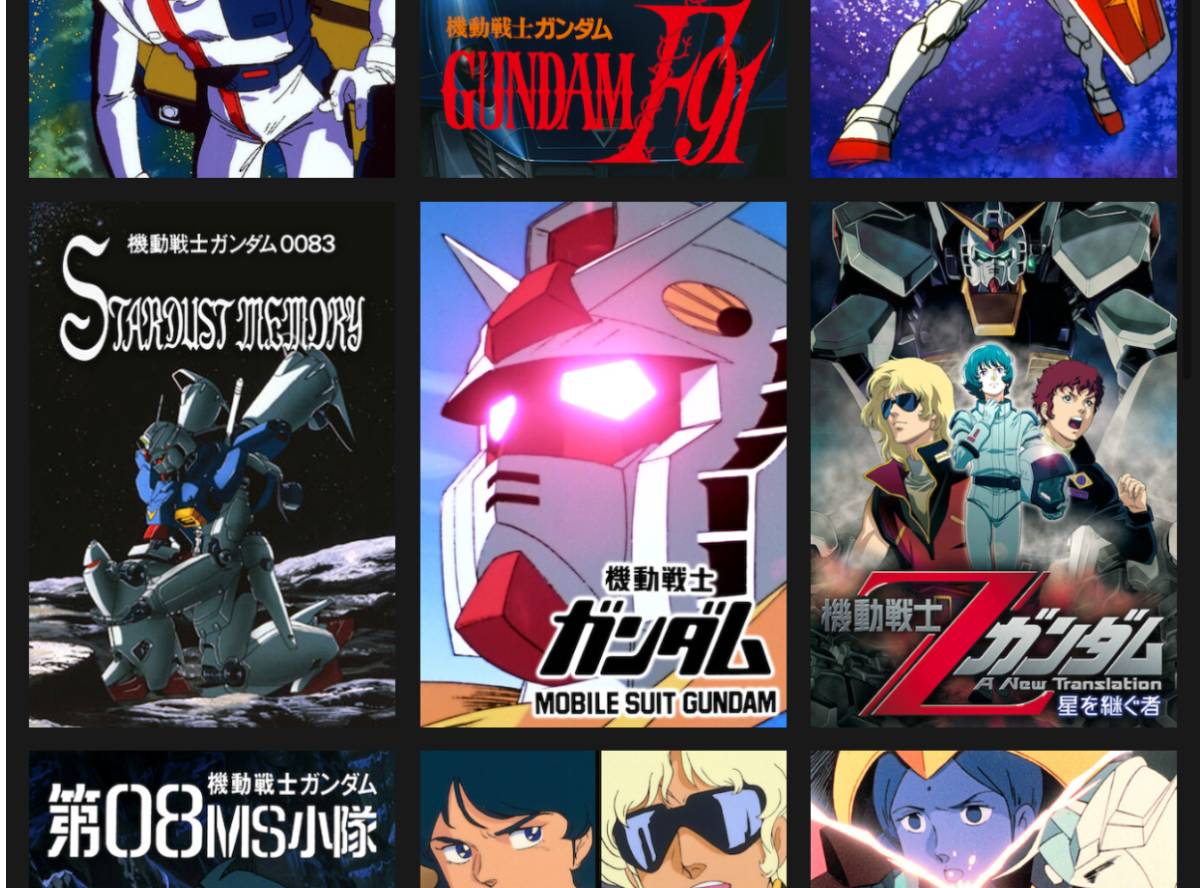
Gundam series space century timeline summary
The Space Century is a fictional history that exists between "Mobile Suit Gundam" and "G-SAVIOUR". It is a so-called "war chronicle" in which years are applied to the wars and other struggles between nations and organizations depicted in the above works, allowing the reader to enjoy the story as if the history of the Gundam world were really continuing. On the other hand, the Gundam series of the space century is based on a chronological table, which makes it difficult to understand the works if one does not know this setting.
Read Article
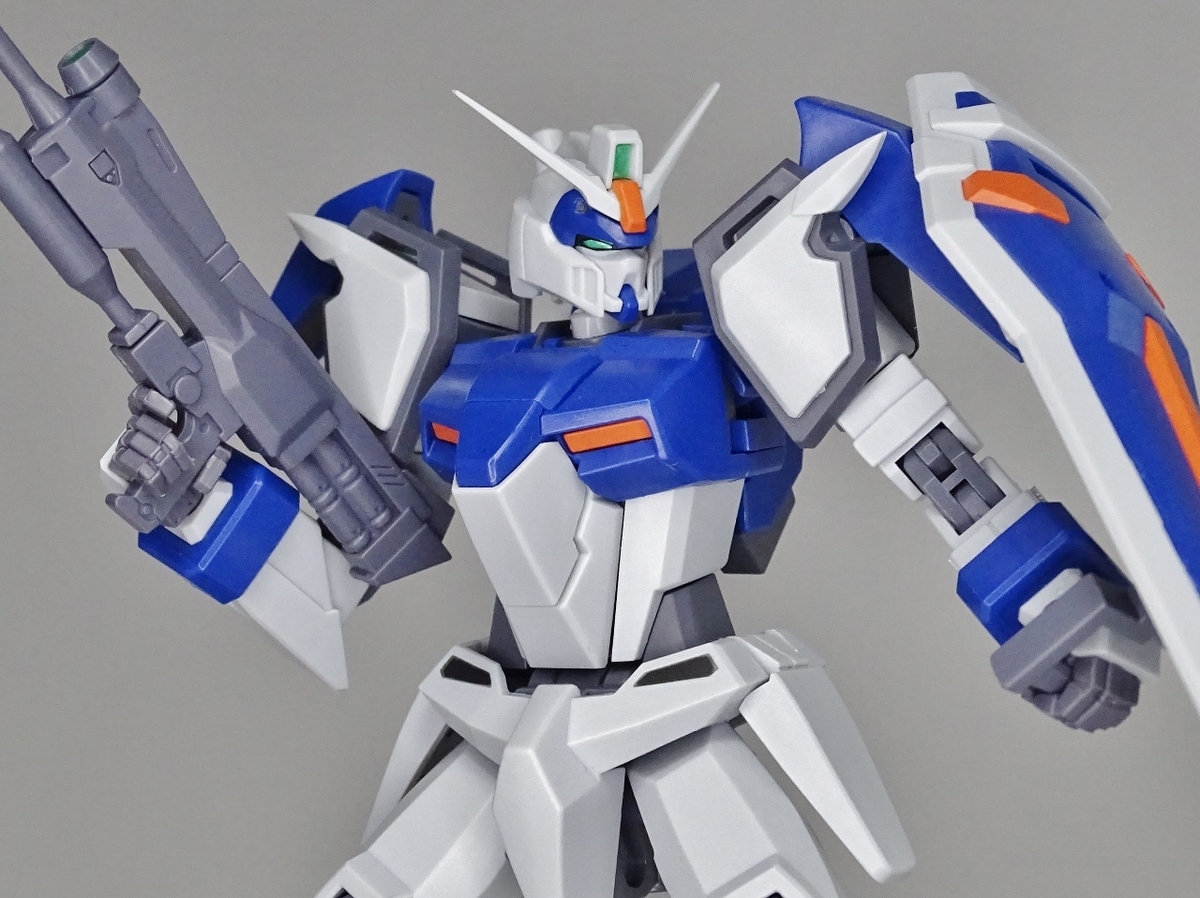
Summary of Cosmic Ila's Gundam-type aircraft, focusing on the SEED series.
The "Mobile Suit Gundam" series features a wide range of differences in the decorations and coloring of the machines that appear in each series. The "Cosmic IRA" generation of Gundams included the "Duel Gundam," which was lighter and specialized for hand-to-hand combat. The article includes a list of Gundam-type aircraft, focusing on "Mobile Suit Gundam SEED.
Read Article
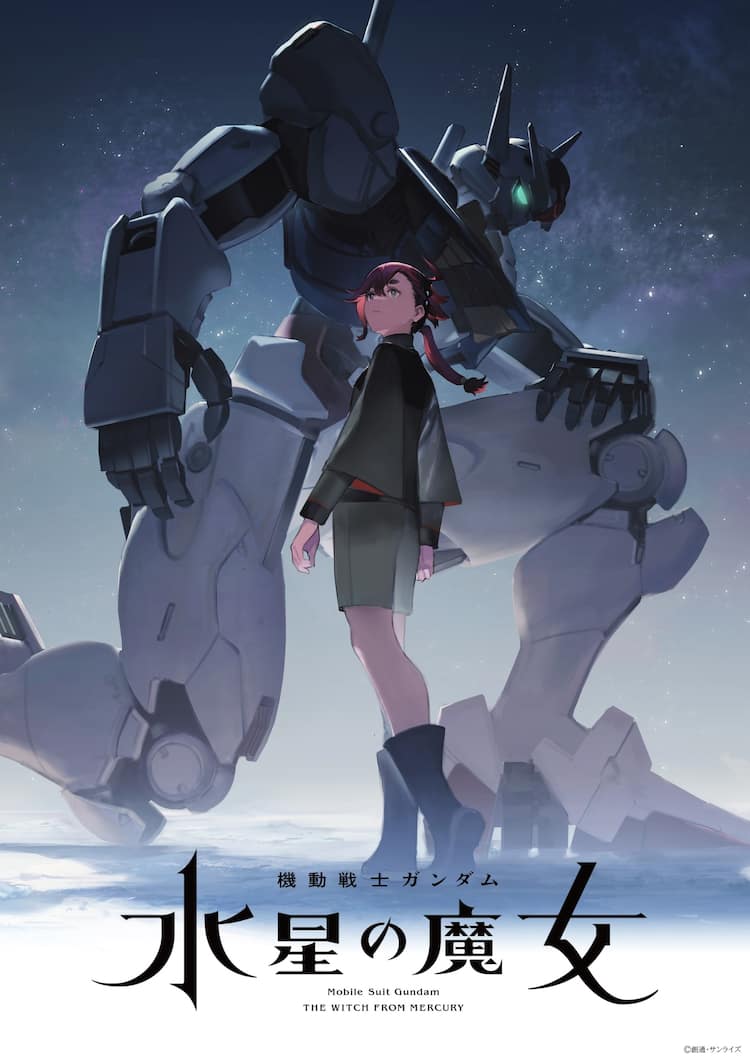
Mobile Suit Gundam: The Witch of Mercury (G Witch) Spoiler Commentary and Discussion Summary
Mobile Suit Gundam: Witches of Mercury" is an animation work by Sunrise, one of the works in the "Gundam Series," a milestone in robot animation. It is the first work in the series to be made for television in seven years, and had attracted the attention of fans even before it was broadcast. The year is 122 A.S., when mankind has advanced into space and expanded its influence widely in the solar system. A girl named Sletta Mercury from the remote planet Mercury is admitted to the Astycasia Academy of Advanced Studies. Soon, she and the other pilot candidates are swallowed up by the conspiracy of a giant corporation, but they do their best to resist it.
Read Article
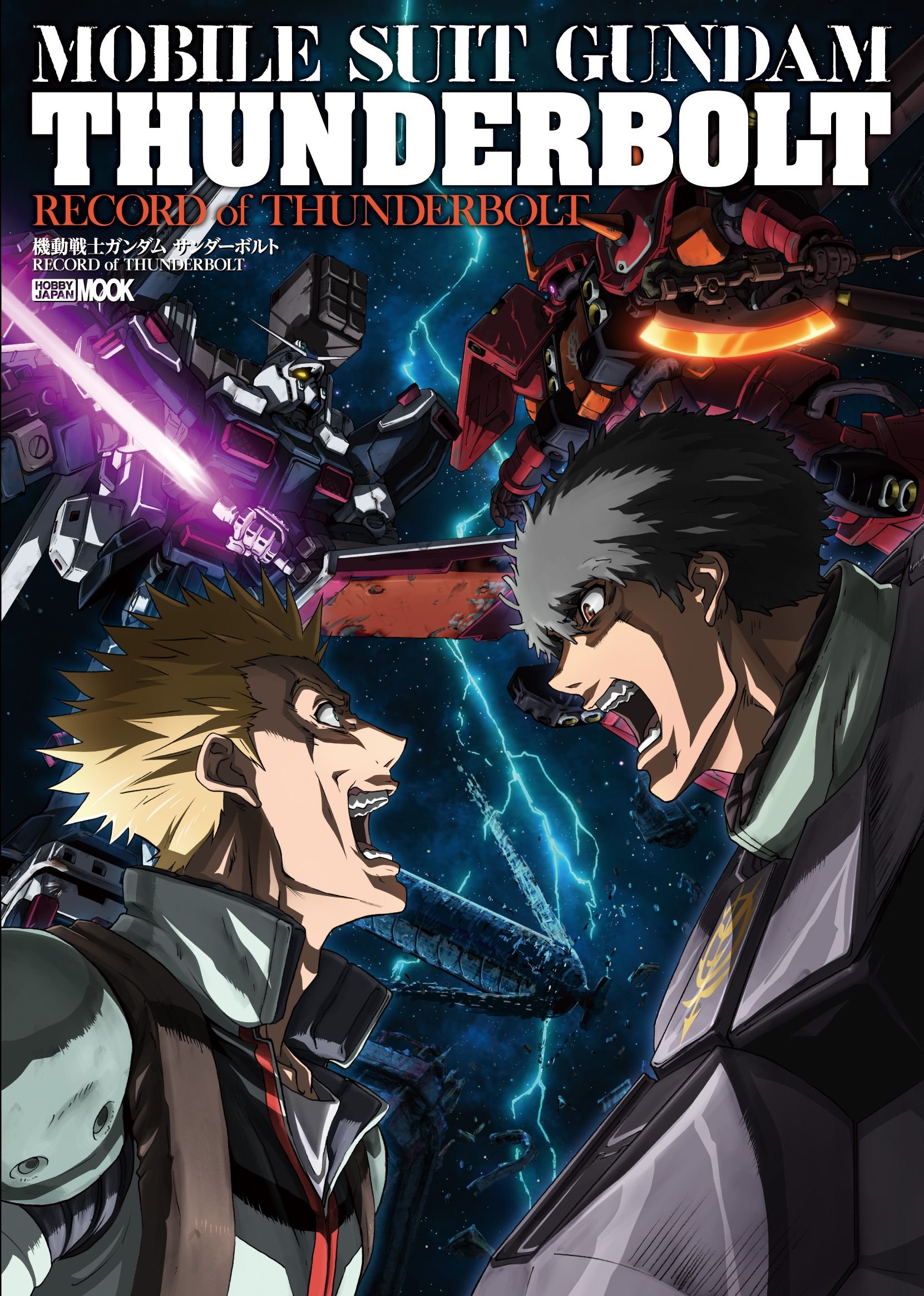
Mobile Suit Gundam Thunderbolt (Sambor) Spoiler Commentary and Discussion Summary
Mobile Suit Gundam Thunderbolt" is a manga or original video animation (OVA) work based on the Gundam series by Hajime Yatate and Yoshiyuki Tomino, with art by Yasuo Otagaki. This work depicts a period of time several months after the original "Mobile Suit Gundam" anime. It consists of two main characters, Io Fleming from the Earth Federation Forces and Daryl Lorenz from the Principality of Zeon, and depicts their fateful encounter and their fateful killing each other.
Read Article

Mobile Suit Gundam: Iron-Blooded Orphans (Tetsu-Or) Spoiler Commentary and Discussion Summary
Mobile Suit Gundam: Iron-Blooded Orphans is an anime work whose first season (episodes 1-25) aired from October 2015 to March 2016 and the second season (episodes 26-50) from October 2016 to April 2017. It depicts boys fighting to survive.
Read Article
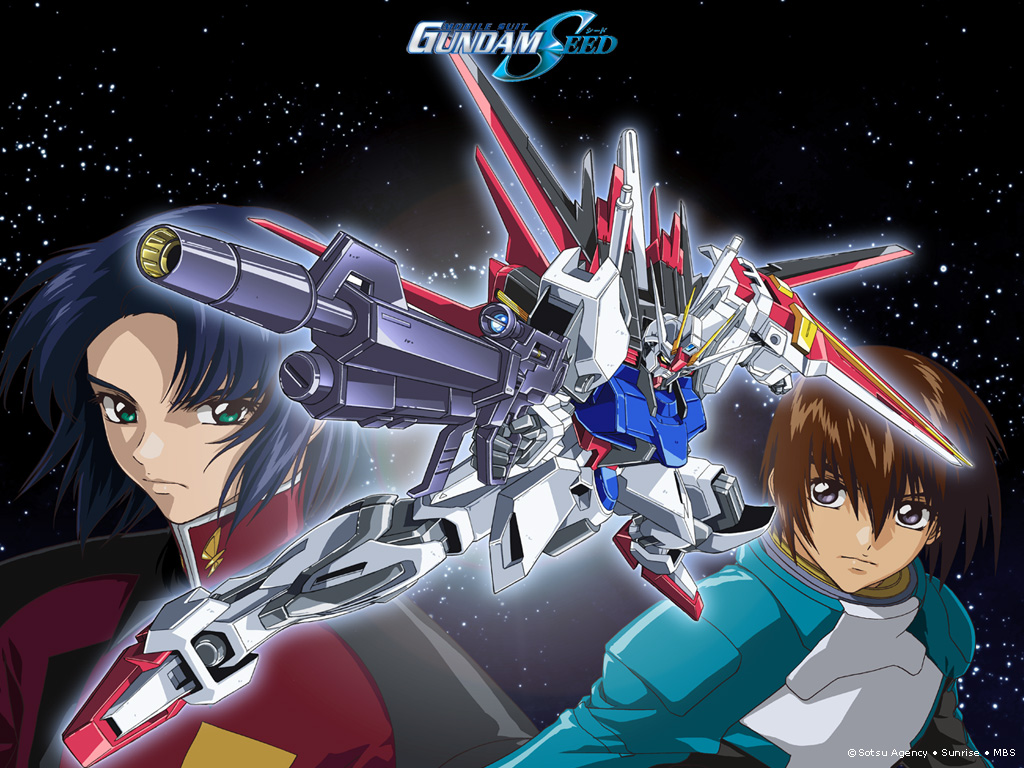
Mobile Suit Gundam SEED Spoiler Commentary and Discussion Summary
Mobile Suit Gundam SEED" is a robot animation series that aired from October 2002 to September 2003 on Mainichi Broadcasting System and TBS. It is called the "First Gundam of the Heisei Era" because it was created for a new generation within the "Mobile Suit Gundam" series. The highlight of this epic story is the depiction of two boys who are childhood best friends but enemies, and their struggles and anguish as they throw themselves into the battlefield to end the war.
Read Article
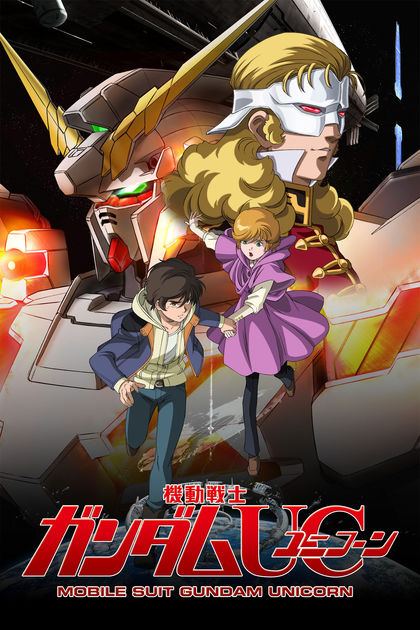
Spoiler commentary and discussion of Mobile Suit Gundam UC (Unicorn)
Mobile Suit Gundam UC is a novel by Harutoshi Fukui and an anime work based on the novel. In 2016, a TV anime version was broadcast under the title "Mobile Suit Gundam Unicorn RE:0096". Set in the world known as the "Space Century" following "Mobile Suit Gundam," the story depicts a boy who fights a conspiracy over "Laplace's Box," which is the most important secret of the Earth's mountain range, and grows up while suffering in the process.
Read Article

Spoiler commentary and discussion of The Legendary Giant God Ideon (THE IDEON)
The Legendary God Ideon" is a Japanese anime produced by Sunrise Japan and directed by Yoshiyuki Tomino (at the time). A clash occurs between the Earth and alien Buff Clan civilizations over the "Ideon," a giant robot that transforms and combines with the remains of the sixth civilization, and the source of its power, the "Infinite Power Ideon," which was excavated on the Earth colony star Solo. The clash between the Earth and alien Buff Clan civilizations over the "Ideon," a giant robot that transforms and combines with the ruins of the Earth, and the source of its power, the "Infinite Power Ideon," leads to an endless war that engulfs the entire galaxy. It is also famous for its strong influence (original story) on "Neon Genesis Evangelion.
Read Article

Spoiler commentary and discussion of Mobile Suit Gundam (first and first generation)
A robot animation produced and broadcast by Sunrise Japan from 1979 to 1980. It is a well-known work with many fans, but was cancelled due to poor viewer ratings at the time of broadcast. It is the first work in the Gundam series and is also called the "first generation (Gundam)" or "first (Gundam). It is a story of Amuro and his comrades in the Gundam who grow up through encounters, partings, and battles with various people, including his arch-enemy Char, as they fight their way from place to place.
Read Article
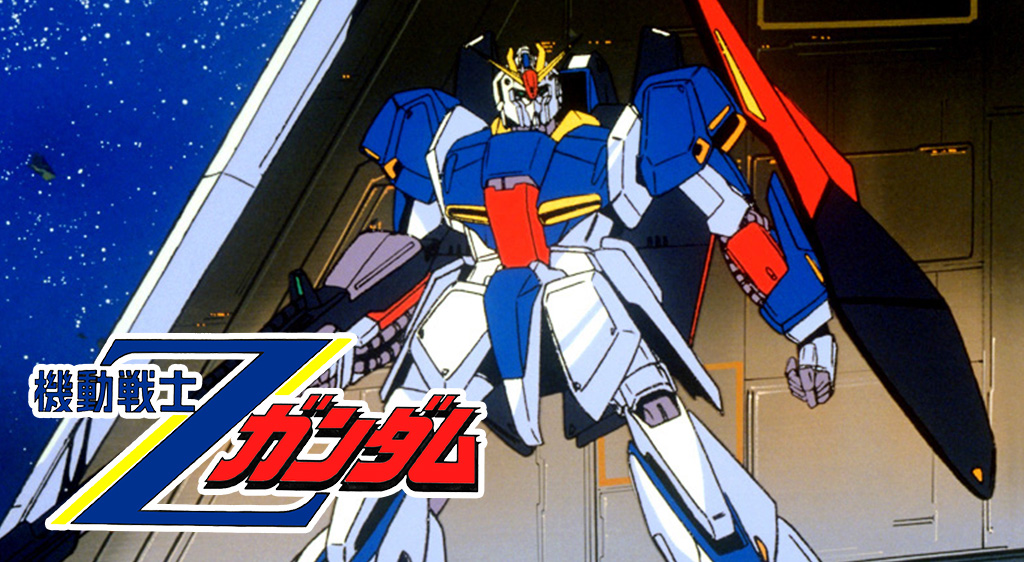
Mobile Suit Zeta Gundam (Zeta Gundam) Spoiler Commentary and Discussion Summary
Mobile Suit Zeta Gundam" is a robot animation produced and broadcast by Sunrise Japan from 1985 to 1986. It consists of 50 episodes and is abbreviated as "Zeta". Seven years after the end of the One Year War, the Earth Federation Forces are in a state of civil strife between the Titans, an elite organization that has grown stronger, and Ego, an anti-Earth Federation organization. Camille Bidan, a student, is caught up in the conflict, experiencing various encounters, partings, and battles, and awakening as a new Newtype.
Read Article

Spoiler commentary and discussion of New Mobile Suit Gundam W (Wing)
New Mobile Suit Gundam W" is a TV animation of the "Gundam series" produced by Sunrise. Although the main focus of the story is war, it also depicts OZ's strategy to control the colony and the human nature and various conflicts surrounding the pilots who ride the Gundam. Five Gundam models are featured in the series, one for Japan, one for the West, one for the Middle East, one for the United States, and one for China, and all five of the Gundam pilots play the main roles.
Read Article
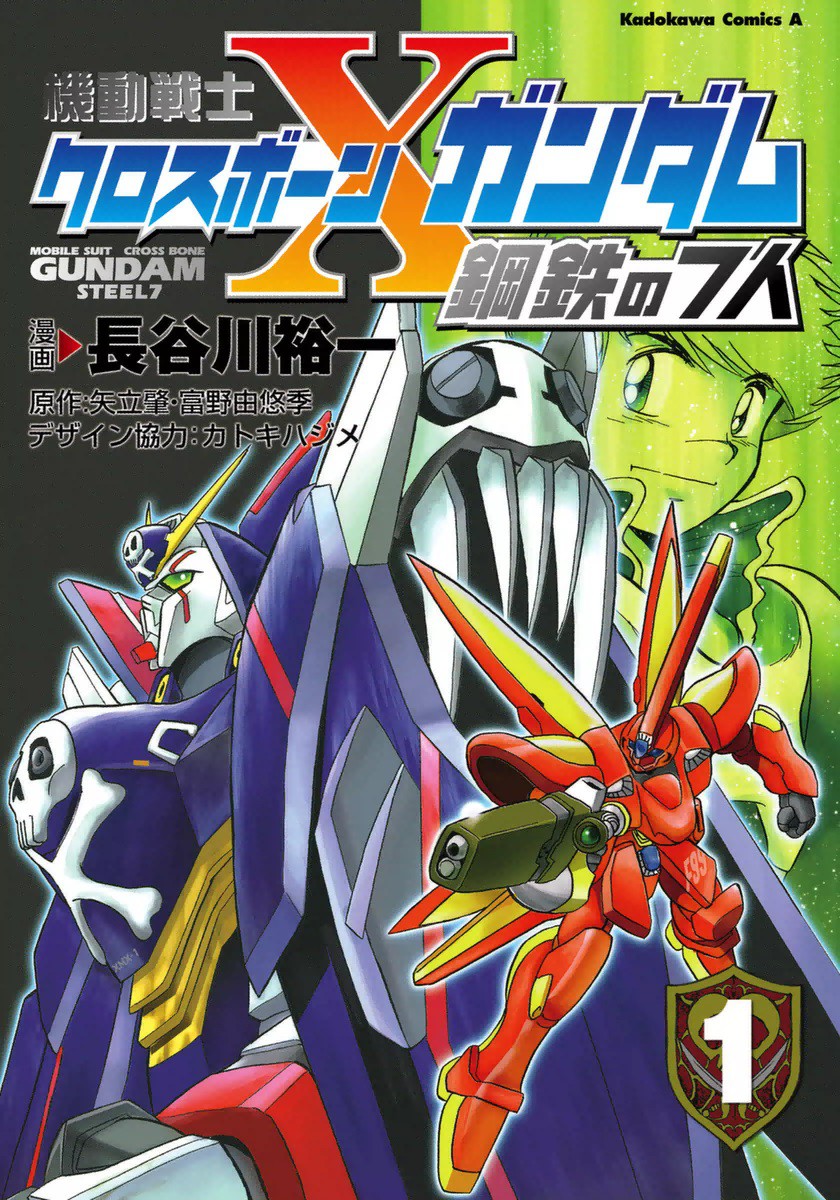
Mobile Suit Crossbone Gundam: Seven of Steel (manga) spoiler commentary and discussion.
Mobile Suit Crossbone Gundam: Steel Seven" is a manga work by Yuichi Hasegawa that was serialized in the July 2006 to September 2007 issues of "Gundam Ace Monthly". It is the second full-length work in the series called the "Crossbone Gundam Series" within the "Gundam Series. Three years later, Tobia Aronnax, the boy who thwarted the ambitions of the Jupiter Empire to destroy the Earth, learns that the Empire is still alive and well and that a new plan to destroy the Earth is underway. In order to settle the matter this time, Tobia and his seven friends set out for the Jupiter Empire's stronghold.
Read Article
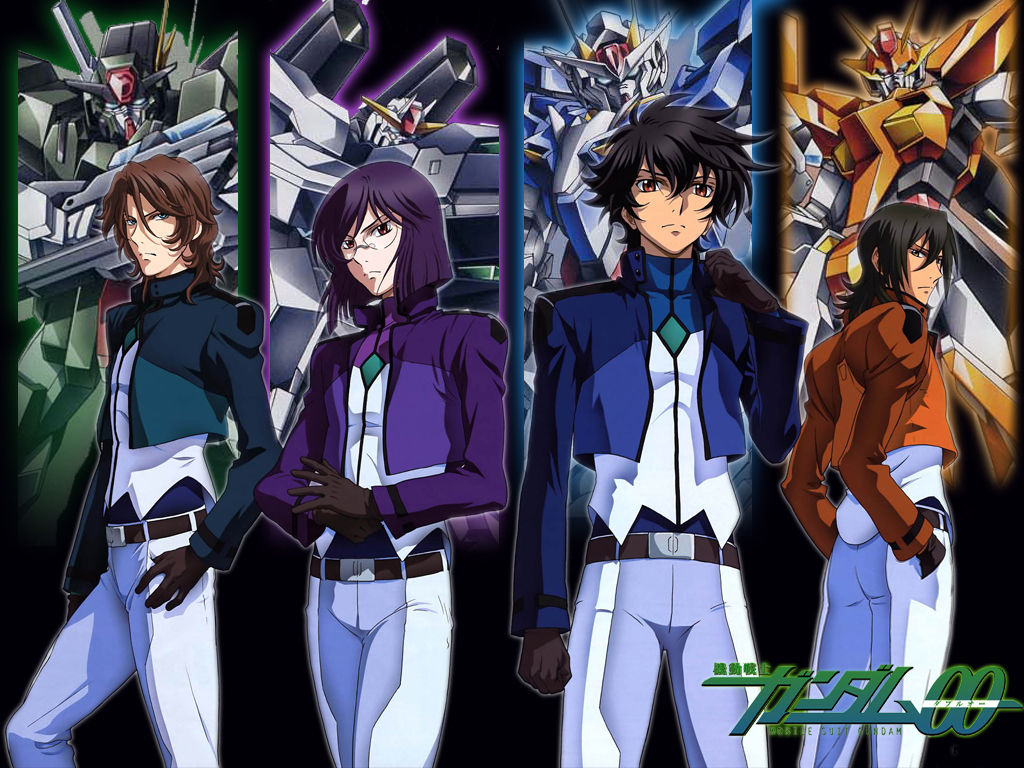
Mobile Suit Gundam 00 (Double O) Spoiler Commentary and Discussion Summary
Mobile Suit Gundam 00" (Mobile Suit Gundam Double O) is a Japanese original robot animation produced by Sunrise, which was broadcast twice on TV and later released as a movie. Set on an Earth that has expanded into space and where regional disparities are more severe than in the present day, the armed organization "Solestial Being" declares war on the world with the aim of eradicating war. The world is in turmoil, but it is united in its fight against Solestial Being.
Read Article
Spoiler commentary and discussion of Saint Dunbine (anime)
Saint Dunbine" is a robot animation series broadcast and produced by Yoshiyuki Tomino for Nagoya TV and Nihon Sunrise starting in 1983. It is a cruel and detailed depiction of people caught up in a war between the other world and the earth, who destroy themselves at the mercy of their own love, hatred, and ego. The beautiful fantasy-like worldview contrasts with the irredeemable human karma.
Read Article
Spoiler commentary and discussion of Mobile Suit Gundam F91 (Formula 91)
Mobile Suit Gundam F91 (機動戦士ガンダムF91) is an animated film that was released in theaters in 1991. It was produced to commemorate the 10th anniversary of the theatrical release of the series Mobile Suit Gundam. Set in the cosmic century 0123, it depicts the battle between the Earth Federation Forces and the aristocratic Crossbow Vanguard. The film's catchphrase is "When can people forget the war? was the catchphrase of the movie.
Read Article
Gundam G Reconguista (G Reco) Spoiler Commentary and Discussion Summary
Gundam G Reconguista" is a Japanese animation work by Yoshiyuki Tomino. The story takes place more than 1,000 years after the Space Century, when people at the pinnacle of technology nearly destroyed the human race after a war. Those who survived the war named the new era the "Re-Gilded Century (R.C.)," and to avoid making the same mistake again, they placed restrictions on technology and began to prosper again. This is the story of Berli Zenam, the bright and innocent protagonist, and Aida Surugan, the slightly overbearing young lady, and their journey to discover how the world works.
Read Article
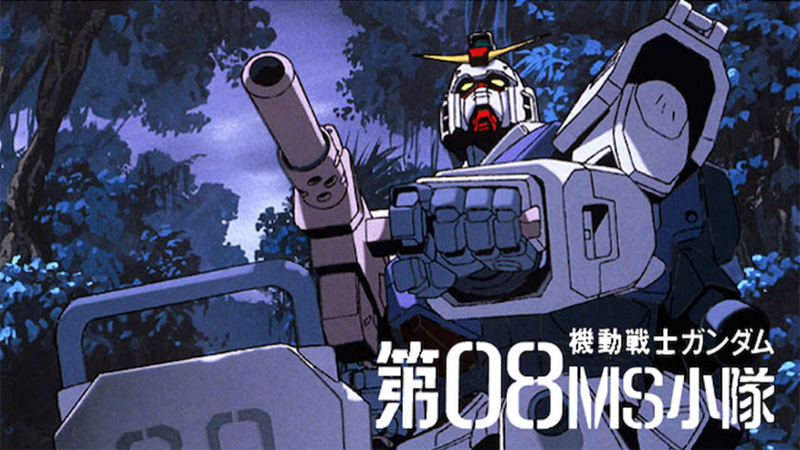
Mobile Suit Gundam: 08th MS Platoon (08 Platoon) Spoiler Commentary and Discussion Summary
Mobile Suit Gundam: The 08th MS Platoon" is an extravaganza that depicts the battle over a new weapon developed by the Zeon army in the jungles of Southeast Asia during the One Year War, and the relationship between a young Federation officer and a female Zeon soldier involved in the war. It consists of 11 video works and a concluding volume, and was released between 1996 and 1999. The work is mainly about land battles and depicts realistic battlefields as well as the suffering of soldiers in wartime. Unusually for the Gundam series, the story does not feature a special Gundam in action.
Read Article

Spoiler commentary and discussion of Mobile Suit Gundam: The Origin.
Mobile Suit Gundam: The Origin" is an anime adaptation of a comic book (manga adaptation) work by Yoshikazu Yasuhiko, the animation director of the "Mobile Suit Gundam" anime, in which he reconstructed the original anime setting and story. In the anime adaptation, the story is connected to the original anime by reconstructing the part of the previous day of the original manga depicted in the original anime in 1979; Char Aznable, a favorite opponent of the main character Amuro Rei in the 1979 anime, is depicted as the main character in this work.
Read Article
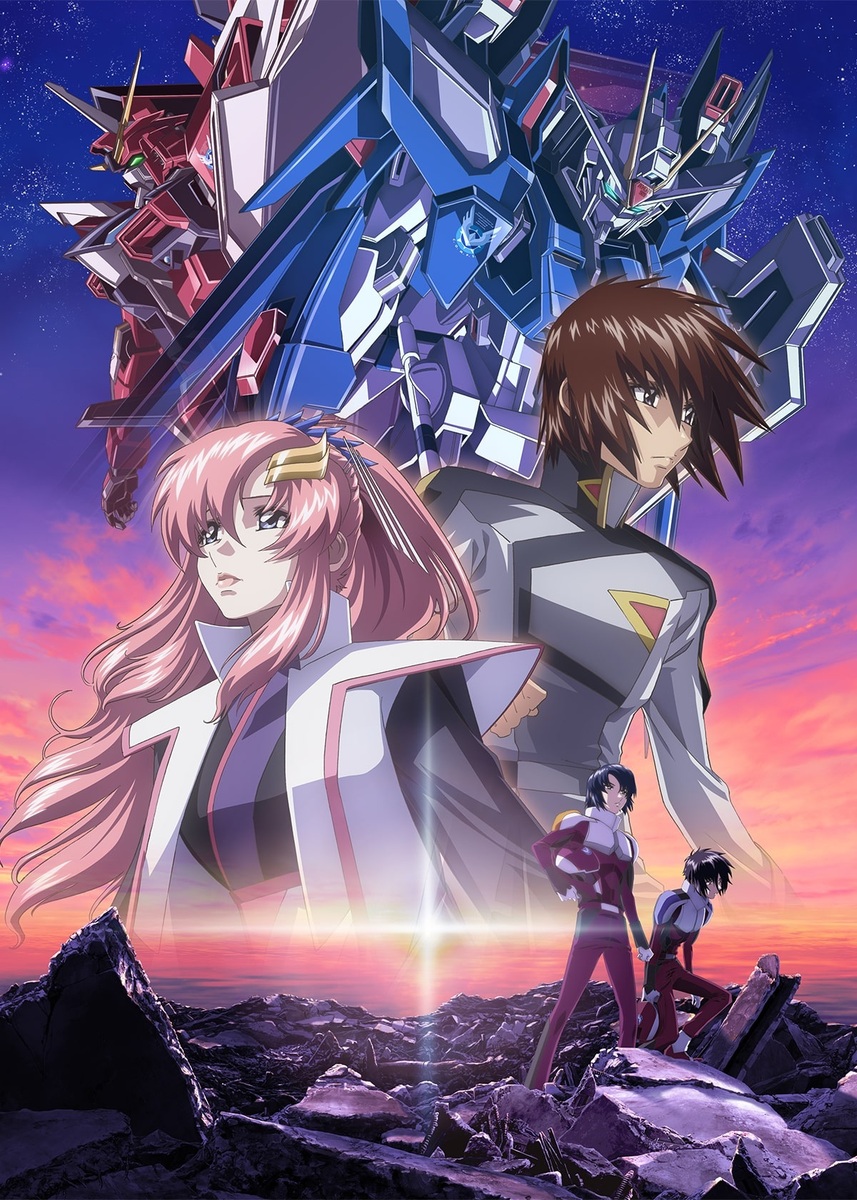
Mobile Suit Gundam SEED FREEDOM spoiler commentary and discussion
Mobile Suit Gundam SEED FREEDOM" (機動戦士ガンダム SEED FREEDOM) is an anime film directed by Mitsuo Fukuda and released in 2024, depicting the aftermath of the "Mobile Suit Gundam SEED" TV animation series. The catch copy is "Inside me you are. Is there me in you?" . Kira Yamato, who has twice saved the world from the brink of war of extinction, is invited to a small country on Earth with her friends, where they are threatened with total destruction by a plot. At this time, Kira learns that her lover, Lax Klein, has been kidnapped, and goes back to the battlefield to get her back.
Read Article
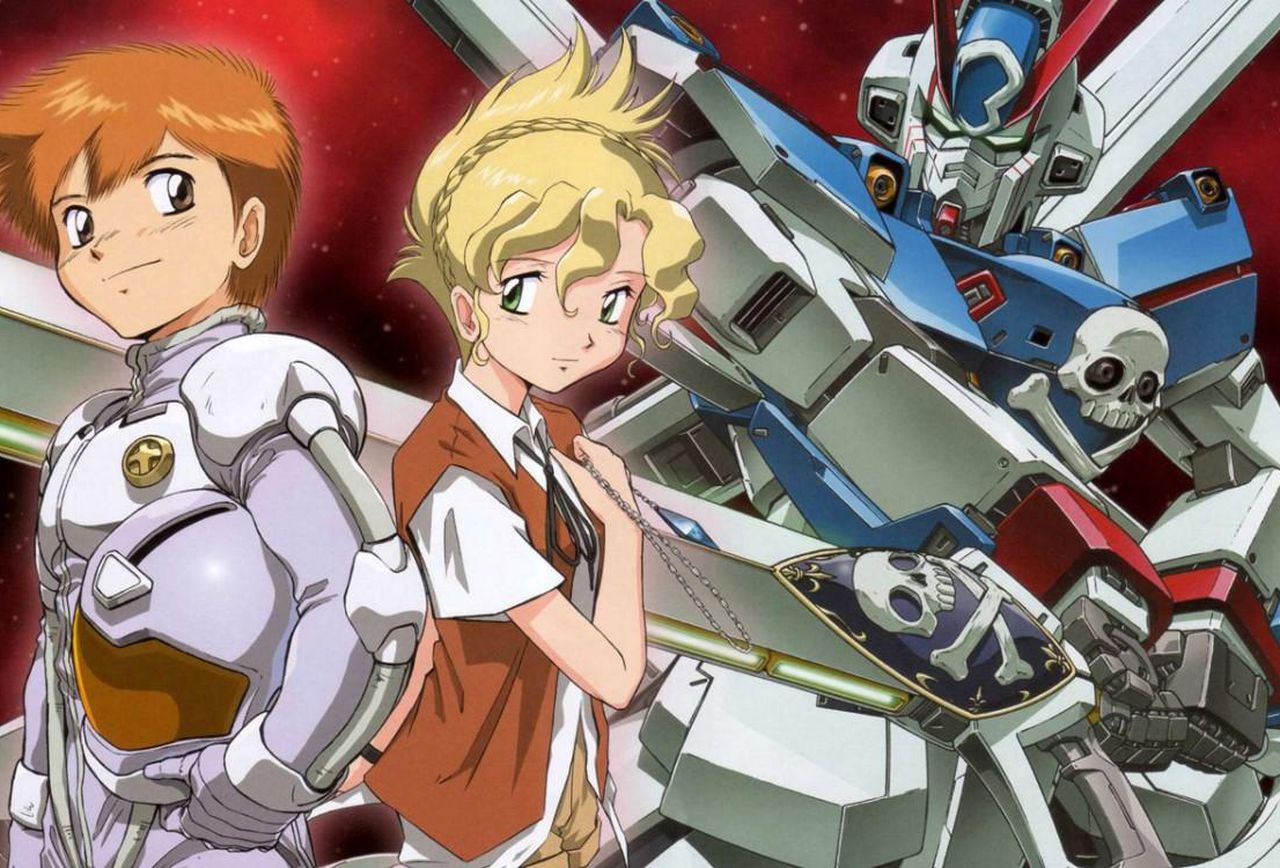
Mobile Suit Crossbow Gundam (Crobon) Spoiler Commentary and Discussion Summary
Mobile Suit Crossbone Gundam" is a manga work serialized in "Monthly Shonen Ace" from the December 1994 issue to the March 1997 issue. It is the first season of a series called the "Crossbone Gundam Series" within the "Gundam Series". Tobia Aronnax visits the Jupiter sphere as an exchange student and learns of the Jupiter Empire, which is planning to invade the Earth sphere, and the Space Pirate Force, which is fighting to stop it. Tobia becomes a member of the Space Pirate Army and grows into a powerful force to thwart the ambitions of the Jupiter Empire.
Read Article
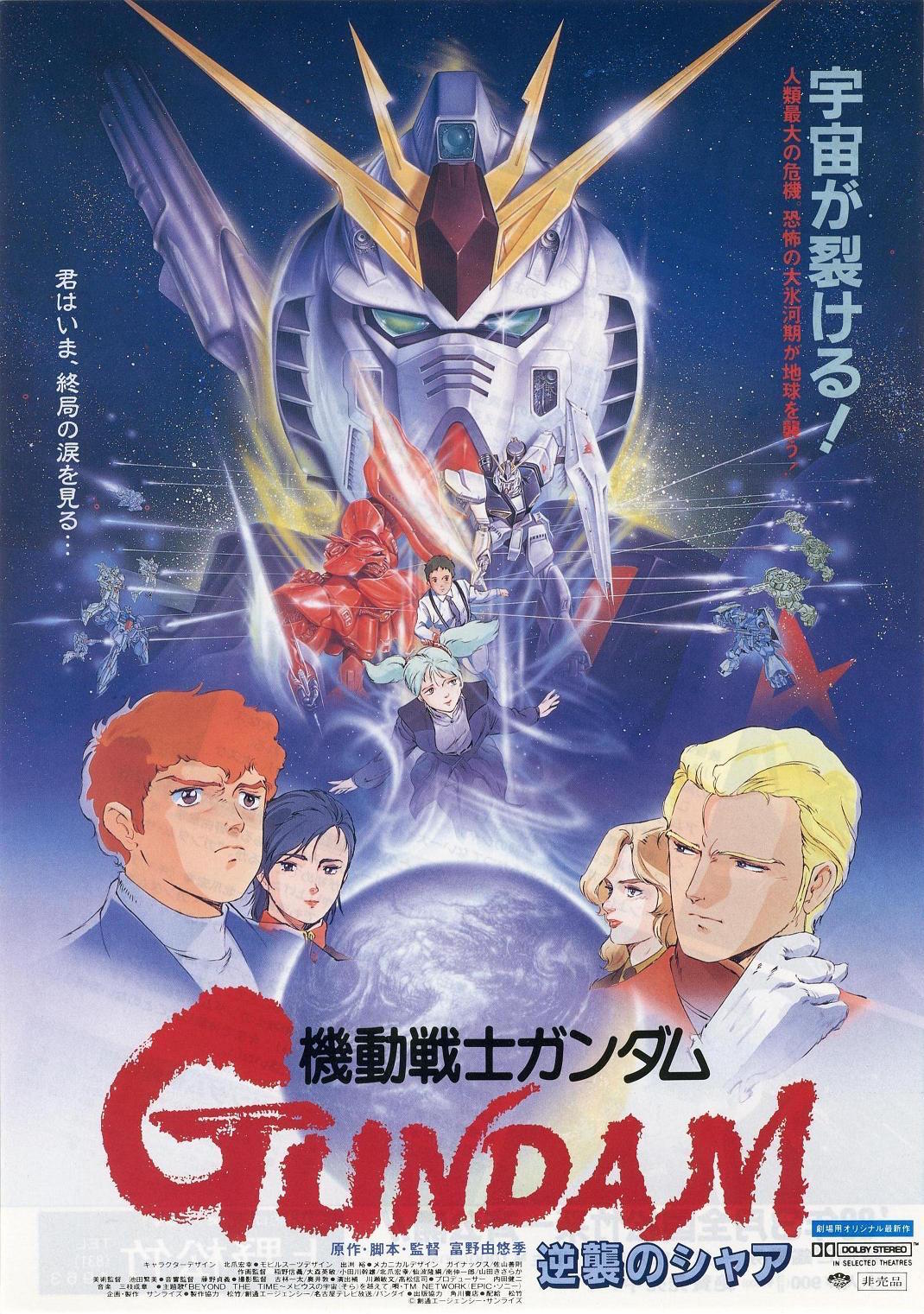
Mobile Suit Gundam: Char of the Counterattack (Gyakusyu Shaa CCA) Spoiler Commentary and Discussion Summary
Mobile Suit Gundam: Char of the Counterattack" is a Japanese anime film by Yoshiyuki Tomino. In the 0093 cosmic century, the "Rondo Bell," a special unit of the Federation Forces, does everything in its power to stop the newly born Neo Zeon Army's plan to drop Axis. Amuro Ray and Char Aznable, two of the main characters in the "Mobile Suit Gundam" series, clash with each other's beliefs and come to an end.
Read Article

Spoiler commentary and discussion of Mobile Suit Gundam SEED DESTINY (Seed Death, Seed Death, Seed Destiny)
Mobile Suit Gundam SEED DESTINY" is a robot animation belonging to one of the "Gundam Series" that was broadcast on TBS from October 9, 2004 to October 1, 2005. Total of 50 episodes plus special editions. Produced by Sunrise and Mainichi Broadcasting System. It is a sequel to "Mobile Suit Gundam SEED" and depicts the world two years later. The main character Shin Asuka, who lost his family in the war, enlists in the military because he wants the power to protect what he wants to protect. However, Shin's thirst for power and his overly pure heart drive him to the center of the battle, and the flames of war spread further.
Read Article

Spoiler commentary and discussion of Mobile Suit Gundam Zeta (Double Zeta)
Mobile Suit Gundam Zeta Zeta" is the third series of the Gundam series, which was broadcast from March 1986 to January 1987. Judau Arcita, a junk dealer on the space colony "Side 1," is awakened as a Newtype through a chance encounter with Camille Bidan, the protagonist of the previous Z (Zeta) Gundam series, and throws himself into battle as a mobile suit pilot.
Read Article

Mobile Suit Gundam 0083 STARDUST MEMORY spoiler commentary and discussion summary
Mobile Suit Gundam 0083 STARDUST MEMORY (Mobile Suit Gundam 0083) is an OVA series of 13 episodes produced between 1991 and 1992. It depicts three years after the battle of "Mobile Suit Gundam," which ended with the exploits of Amuro Rei. The story continues in "Mobile Suit Zeta Gundam" after a colony is dropped on Earth as a result of Operation Stardust in this series.
Read Article
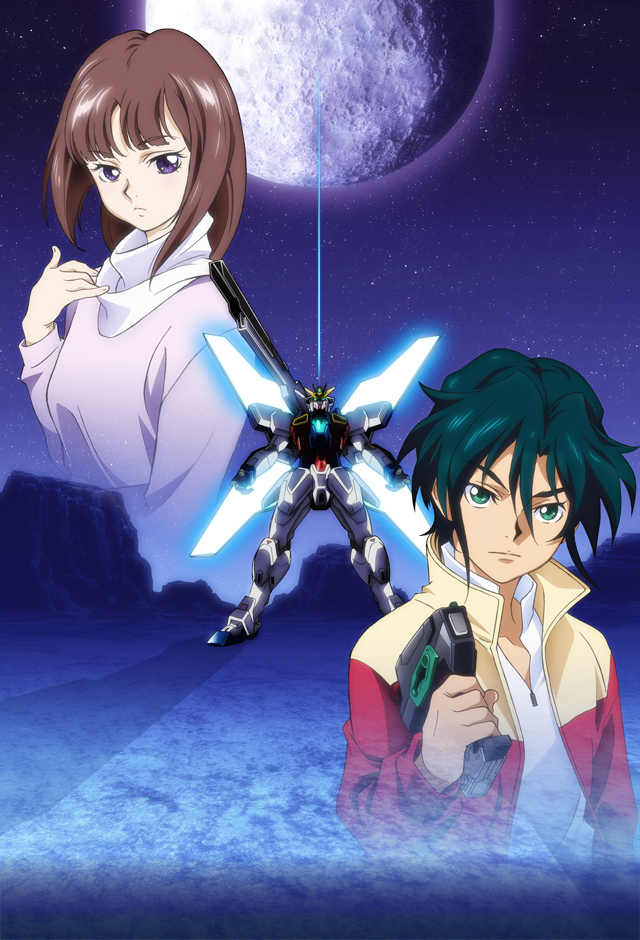
Spoiler commentary and discussion of Mobile New Century Gundam X (X)
Mobile New Century Gundam X" is an anime work that aired on the TV Asahi network from 1996 to 1997. The story takes place in a large postwar world, where an organization called Vulture is active. The main character, Garoad Run, survives the harsh environment as best he can. His actions move the adults around him and gradually change the situation around the world.
Read Article
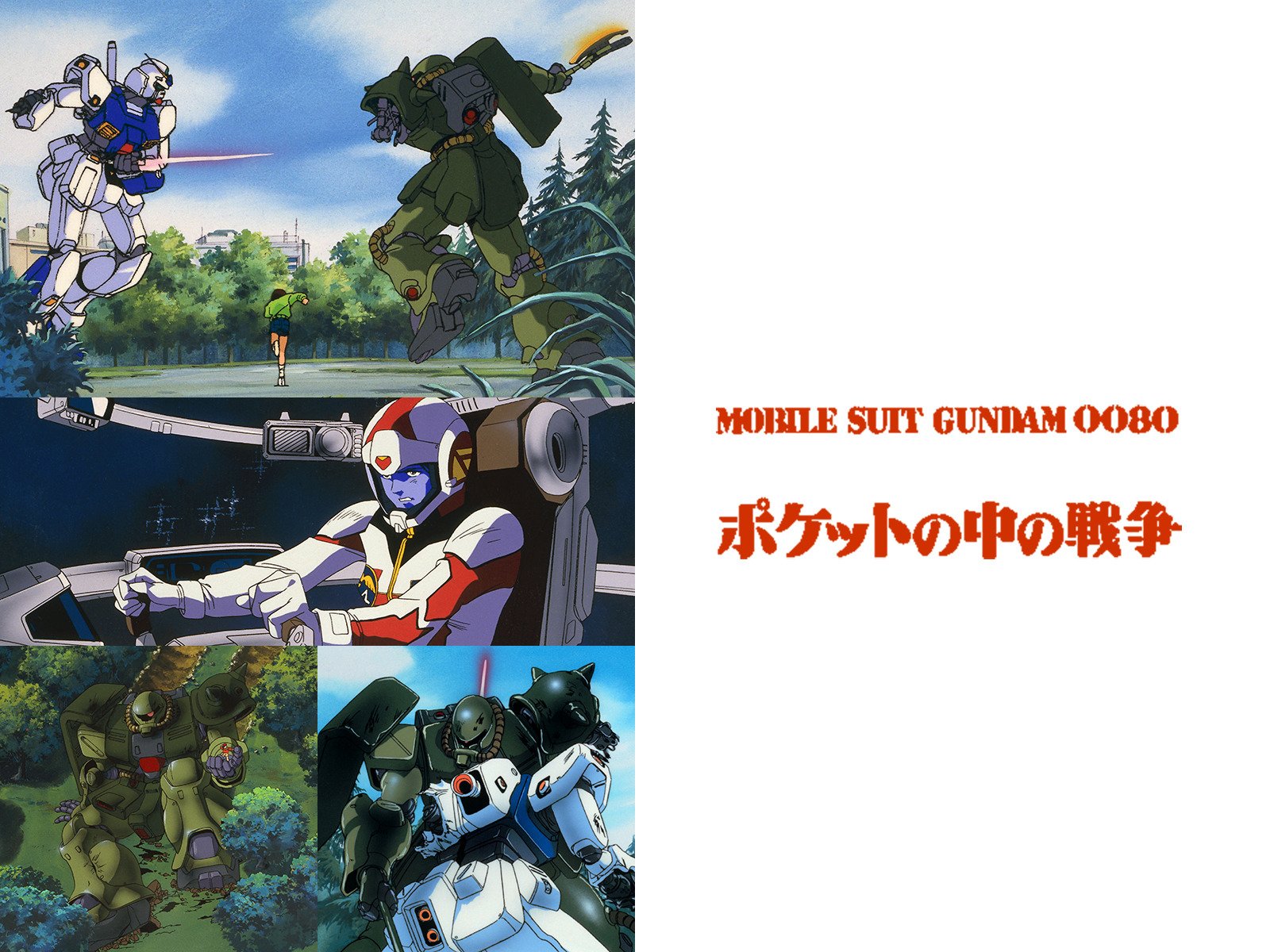
Mobile Suit Gundam 0080: War in the Pocket (Pocket Sen, Pocket Naka) Spoiler Commentary and Discussion Summary
Mobile Suit Gundam 0080: War in the Pocket" is an OVA that depicts the events of the fictional era known as the "Space Century," one of the robot animation "Gundam Series" that has been produced intermittently since 1979. The Cyclops Squad, a special unit of the Zeon Army, is ordered to capture or destroy the Earth Federation Forces' new mobile suit, the Gundam NT-1. Aru, a young boy living in the Ribault Colony, comes into contact with the Cyclops Squad by chance and becomes a part of their mission. Their battle soon involves the fate of the colony, and Al is confronted with the cruelty of war.
Read Article
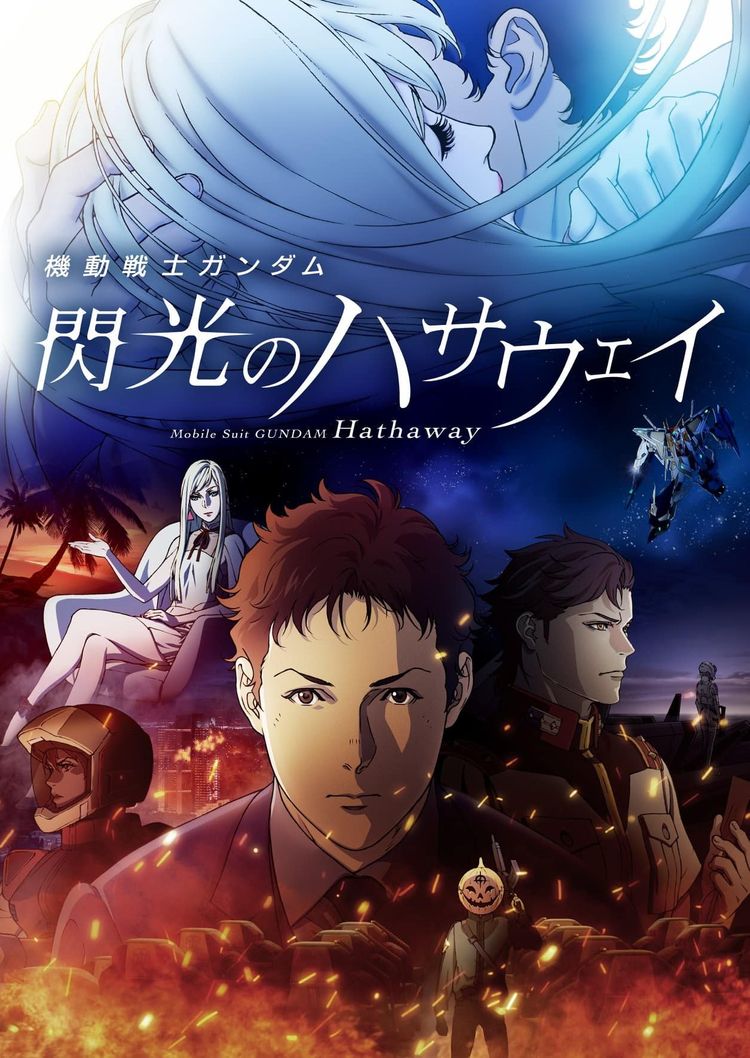
Mobile Suit Gundam: Senko no Hathaway (Sen Hatha) Spoiler Commentary and Discussion Summary
Mobile Suit Gundam: Senko no Hathaway" is an anime film to be released in 2021 that depicts the intersecting and conflicting fates of anti-Earth Federation terrorist Hathaway Noah, Earth Federation soldier Kenneth Slegg, and mysterious beautiful girl Gigi Andalusia. The film is a sequel to the story of "Mobile Suit Gundam: Char of the Counterattack," and is based on the novel by Yoshiyuki Tomino, the creator of the "Mobile Suit Gundam" series. It is the first of a trilogy of films produced to commemorate the 40th anniversary of the series, and features beautiful visuals, magnificent music, and powerful battle scenes.
Read Article
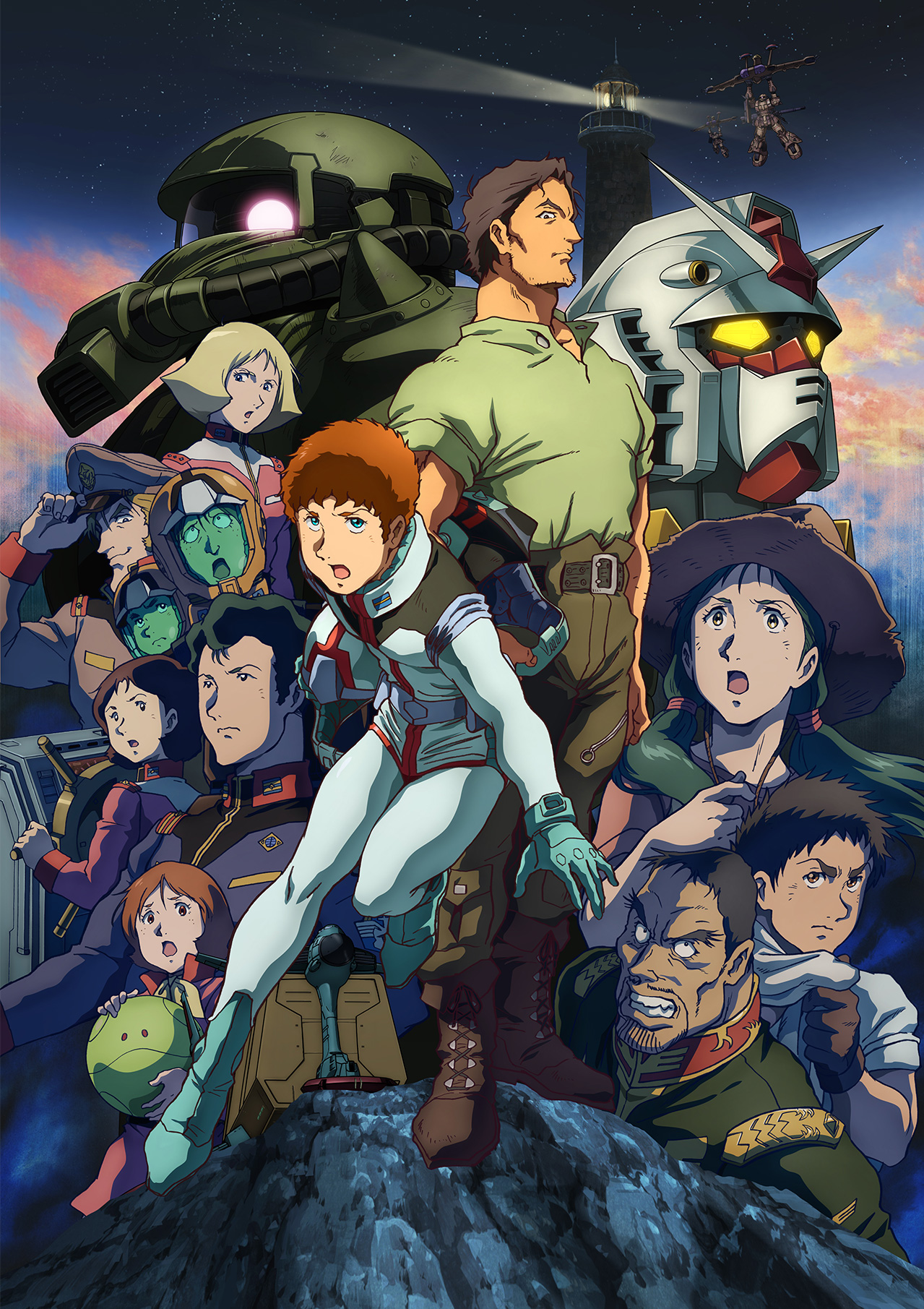
Mobile Suit Gundam: The Island of Cruz Doan (film) Spoiler Commentary and Discussion Summary
Mobile Suit Gundam: The Island of Cruz Doan" is a film remake of "The Island of Cruz Doan," episode 15 of the "Mobile Suit Gundam" TV anime. Yoshikazu Yasuhiko, one of the creators of the Gundam series, directed the film, and veteran staff who grew up watching the series were involved in its production. Amuro Rei, a soldier in the Federation Army, falls off a cliff during a forced reconnaissance and is saved by an enemy soldier, Cruz Doan. Doan is a deserter, living with war orphans on an island, but his pursuers are quietly creeping there.
Read Article

XVX-016 Gundam Aerial (Witch of Mercury) in-depth description and discussion summary
XVX-016 Gundam Aerial is a humanoid mobile weapon MS (mobile suit) that appears in "Mobile Suit Gundam: Witch of Mercury" and is the star of the film. Although its detailed origin is a mystery, it is believed to have been created using the Gundam Lubliss developed by the Vanadis Organization. It utilizes the GUND format, a system that was buried in the dark at the sole discretion of a large corporation, and features offensive and defensive combat using the GUND bit, an autonomous armament. Equipped with a high-performance AI, it is bonded with its main pilot, Sletta Mercury, like a sister and brother.
Read Article

Spoiler commentary and discussion of Mobile Suit Gundam AGE (Age)
Mobile Suit Gundam AGE" is a TV animation series that aired from October 2011 to September 2012 on MBS and TBS. The main characters (Flit, Asem, and Kio) change from generation to generation in the war against a mysterious force that suddenly appeared. Despite its child-friendly design, the story depicts the different struggles of each character in the war against the enemy, which is one of the charms of this work, and it can be enjoyed by both children and adults.
Read Article
ブレンパワード(Brain Powerd)のネタバレ解説・考察まとめ
『ブレンパワード』とは、矢立肇・富野由悠季原作、富野由悠季総監督のSFロボットアニメ作品。1998年に全26話がWOWOWにて放映された。富野にとって『機動戦士Vガンダム』以来5年ぶりとなるテレビアニメ監督作である。また、富野自ら「第2のデビュー作」と称する作品として有名で、後の『∀ガンダム』や『OVERMANキングゲイナー』に通じる牧歌的で明朗な作風を確立した。主人公の伊佐未勇とヒロインの宇都宮比瑪を中心に、謎の巨大遺跡オルファンを巡る世界の争いと人間ドラマを描いたSFロボットアニメである。
Read Article

戦闘メカ ザブングル(Xabungle)のネタバレ解説・考察まとめ
『戦闘メカ ザブングル』とは、1982年から1983年まで放映された富野由悠季・鈴木良武原作のロボットアニメ作品。総監督を富野が務め、制作に名古屋テレビ・創通エージェンシー・日本サンライズが名を連ねた。『機動戦士ガンダム』の大成功を受け、リアルロボットものの作風に加えて、アニメ独特の荒唐無稽な面白さも追及され大ヒットを記録した。「惑星ゾラ」という星を舞台に、主人公のジロン・アモスを中心にした庶民階級「シビリアン」が、支配階級の「イノセント」と戦うドラマを描いた西部劇風ロボットアニメ作品である。
Read Article
Tiger Mask (manga and anime) spoiler commentary and discussion
Tiger Mask" is a 1968 manga written by Kajiwara Ikki and drawn by Tsuji Naoki. It was serialized in three different magazines: "Monthly Bokura," "Weekly Bokura Magazine," and "Weekly Shonen Magazine. This work is a media mix work, and an animated TV series began airing in 1969, with a total of 105 episodes. It depicts Naoto Date, aka Tiger Mask, a masked wrestler who tries to do his best for his minors while fighting against villainous wrestlers sent by the mysterious organization "Tora no Ana".
Read Article
機動戦士Gundam GQuuuuuuX(ジークアクス)のネタバレ解説・考察まとめ
『機動戦士Gundam GQuuuuuuX』(ジークアクス)とは、「機動戦士ガンダムシリーズ」の一作品であり、2025年に放送・配信されたテレビアニメである。シリーズ第1作で描かれた世界を舞台に、ジオン公国軍がもしも勝っていたらというパラレルワールドが展開する。シャアがガンダムに乗るという発想を、公式に実現した点が魅力。「エヴァンゲリオンシリーズ」で有名な「スタジオカラー」と初めて共同制作したことでも話題となった。テレビ放送に先立ち、一部エピソードを再編集した劇場先行版も公開されている。
Read Article
Tags
Contents
- Overview of "Ashita no Joe" (Tomorrow's Joe)
- Synopsis and story of "Ashita no Joe" (Tomorrow's Joe)
- Joe the brawler appears!
- Fateful Encounter
- The Long Road to Tomorrow
- The Road to Joe's Resurrection
- Shurado, the Way of Boxing
- Joe, the Last Fight
- Terms of "Ashita no Joe" (Tomorrow's Joe)
- red-light district
- reform school
- Shiraki Boxing Gym
- cross counter
- using the "konnyaku" method
- Triple Counter (Triple Cross)
- no-guard strategy
- Mai Mai (Chom Chom)
- Corkscrew Punch
- dementia pugilistica
- Characters in Ashita no Joe
- Tange Gym
- Takeo Yabuki CV: Teruhiko Aoi
- Danpei Tange CV: Shigeyoshi Fujioka
- Mammoth West CV: Toku Nishio (TV version), Shiro Kishibe (Movie version, Movie 2)
- Shiraki Boxing Gym
- Yoko Shiraki CV: Kazuko Nishizawa, Masako Ebisu (TV version 1), Emi Tanaka (TV version 2), Fumi Dan (Movie version, Movie version 2)
- Toru Rikiishi CV: Hideo Nakamura (TV version), Toshiyuki Hosokawa (Movie versions 1 and 2)
- Mikinosuke Shiraki CV: Kei Wada (TV version 1), Tamio Ohki (Movie version 1, 2, TV version 2)
- rival
- Wolf Kanagushi CV: Osamu Kato, Masao Imanishi (TV version 1), Toshiyasu Nakamura (Movie version 1), Rokuro Narutani (Movie version 2, TV version 2)
- Tiger Ozaki CV: Shozo Iizuka (TV version 1), Hiroya Ishimaru (TV version 2)
- Carlos Rivera CV: Taichiro Hirokawa (TV version 1), Ryusei Nakao (TV version 2), Joe Yamanaka (Movie version 2)
- Ryuhi Kim CV: Norio Wakamoto (TV version 2), Toshio Furukawa (Movie version 2)
- Harimao CV: Taguchi Takashi (TV version 2)
- Jose Mendoza CV: Yoshito Miyamura (TV version 2), Masumi Okada (Movie version 2)
- Dwellers of the Doya Street
- Sachi CV: Fuyumi Shiraishi
- Mushroom CV: Keiko Ushizaki (TV version, Movie 1), Ayako Hori (TV version, Movie 2)
- Taro CV: Hiroshi Masuoka (TV version 1), Yuko Maruyama (movie version), Kiyonobu Suzuki (TV version 2), Kenta Kimotsuki (movie version 2)
- Hyoromatsu CV: Kenta Kimotsuki, Shunsuke Shima (TV version 1), Chukichi CV: Noriko Tsukase (TV version 2, Movie version 2)
- Tonkichi CV: Noriko Hachinami (TV version 1), Yuko Maruyama (TV version 2, Movie version 2)
- Noriko Hayashi CV: Kaoru Ozawa, Fuyumi Shiraishi (TV version 1), Megumi Moriwaki (TV version 2), Yoshiko Fujita (Movie version 2)
- Keishichi Hayashi CV: Setsuo Wakui (TV version 1), Minoru Yada (TV version 2)
- Tamako Hayashi CV: Mitsuko Abe (TV version 1), Masashi Saito (TV version 2)
- Other
- Aoyama Mamoru CV: Kiyoshi Komiyama (TV version 1), Shigeru Chiba (TV version 2)
- KUMETARO INABA CV:KIYOSHI KOBAYASHI (TV version 1)
- Goromaki Gondo CV: Shuo Otsuka (TV version 1), Takeru Watanabe (TV version 2, Movie version 2)
- Harry Robert CV: Takeshi Kuwabara (TV version 1), Michihiro Ikemizu (TV version 2, Movie version 2)
- Gen Sotatsu CV: Mikio Terashima (TV version 2)
- Dr. Kiniski CV: Mike Perlow (TV version 2), Kenji Utsumi (Movie version 2)
- Famous quotes, lines, scenes, and scenes from "Ashita no Joe
- Joe's Dream
- What you need to do to seize tomorrow
- Hey Joe... let's suffer together, grit our teeth together, and cross this incapacitating bridge backwards.
- Stand up..! Get up, Joe!
- Mammoth West Udon Incident
- Rikiishi and Yoko struggle with weight loss
- Death of Rikiishi
- Ten-count gong
- You owe both of them...you owe them a sacred debt!
- Noriko walking away from Joe
- Yoko's Confession
- Joe hands the grab to Yoko.
- Joe, who burned up white.
- Backstories, trivia, and small stories/episodes/anecdotes about "Ashita no Joe" (Tomorrow's Joe)
- About the theme song Lulu
- Literature in Tomorrow's Joe
- slovenly Rikishi
- Modification of lines
- Yoko's parents
- Irresponsible media and audience
- Smoking scene of the little guys
- slovenly Danpei
- Mystery of Carlos' return date
- Mystery of the Long Count
- The Last Scene of the Phantom
- Yodo-shi hijacking
- Theme and insert songs for "Ashita no Joe
- Opening theme "Ashita no Joe" sung by Isao Odo
- Ending theme "Joe's Lullaby" (episodes 1 - 40), sung by Asao Koike
- Ending theme "Toru Rikiishi's Theme" (episodes 41 - 79), sung by Yugi Hide
- Ashita no Joe 2 Opening Theme 1 "Kizudarake no Eiko" (Episode 1 - Episode 25), sung by Takeshi Obo
- Ashita no Joe 2 Opening Theme 2 "MIDNIGHT BLUES" (Episode 26 - ) Song: Ichiro Araki
- Ashita no Joe 2 Ending Theme 2 "Hateshinaki Yami no Kanata" (Episodes 1 - 25), sung by Takeshi Obo
- Ashita no Joe 2 Ending Theme 2 "Hateshinaki Yami no Kanata ni" (Episode 26 - ) Song: Ichiro Araki
- The Movie 1 theme song "Beautiful Wolves" sung by Takeshi Obo
- The Movie 1 Insert Song "K-O (Knock Out)" Song by Yasuo Shimizu
- The Movie 1 Insert Song "Goodbye Joe" Song by Susanna Sue
- Theme song of Ashita no Joe 2 "Ashita no Joe 2 no Theme ~Yell for Tomorrow~" sung by Joe Yamanaka
- The Movie 2 Insert Song "The Last Chapter of Youth (Period) - JOE...FOREVER" Song by Joe Yamanaka
- Theme song for the 1970 live-action film "Tomorrow's Me" by Shoji Ishibashi
- 2011 live-action film theme song "Show Me Love (Not A Dream)" by Hikaru Utada