

Here we have compiled a list of "miscellaneous knowledge that you shouldn't have known" introduced in the quiz variety show "Masahiro Nakai's Learning Library. The program introduces such trivia as "Osaka people do not eat okonomiyaki as much" and "If you make a smoothie from boiled vegetables, the nutrients are lost and it becomes just a juice.
Broadcast on February 3
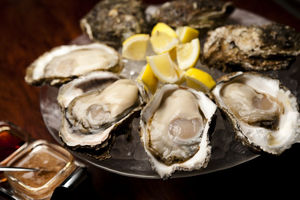
Source: www.oysterbar-tokyo.co.jp
Oysters are full of poop, especially in shellfish.
Kotoya Sato, Chairman of the Japan Oyster Association
Oysters filter about 300 liters of seawater per day, so they have a large proportion of guts among shellfish, so they poop a lot, and their poop is a jelly-like substance of seaweed and plankton
Oysters have norovirus 100 percent because of humans,
Oysters for raw consumption are already purified, but purification is not required for heated oysters, so the waters where heated oysters are grown may be contaminated with excrement and other domestic wastewater. Norovirus multiplies only in the human intestines, so it is in the oysters by circulation.

Source: blogos.com
Women who are unmarried after the age of 40 have only a 1.2 percent chance of getting married.
Marriage advisor Hiroko Grace
Men who are unmarried after age 40 have a 7.5 percent chance of marriage. Two in ten men are unmarried for life.
incidentally
Source: kimban.seesaa.net
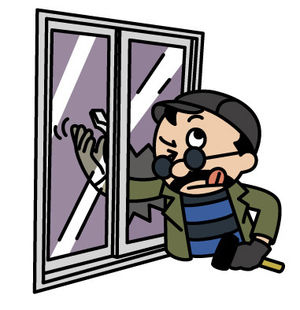
2.4 percent chance that a family member will experience theft in a year.
Source: ryuka-okinawa.co.jp
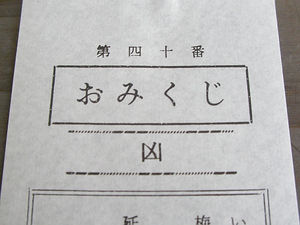
The probability of three consecutive bad lucks at a very famous Tokyo temple for Hatsumode is 2.7 percent.

3.3 percent chance of living to 100 years old.

Source: ja.wikipedia.org
Wearing high heels all the time causes nipples to be misaligned from side to side.
Katsuaki Kobe, plastic surgeon
When a person has a forward center of gravity, the body twists and the spine becomes distorted.
Holding a briefcase distorts the spine even more.
Source: netatama.net
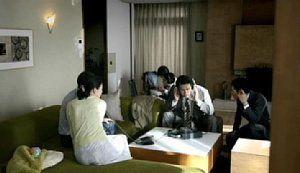
Trace detectors often seen in dramas are just recording machines.
Crime journalist Taihei Ogawa
The actual tracing can be done in a very short time.
Source: kumamotoh.rofuku.go.jp
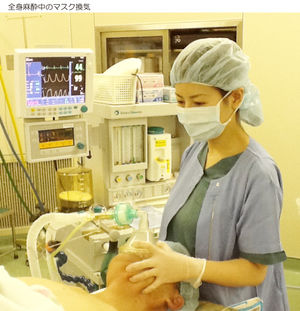
Even under general anesthesia, you may wake up suddenly during surgery.
Hirokazu Takazawa, surgeon and cosmetic surgeon
The incidence of intraoperative awakening is about 0.2%, with more than 8,000 per year in Japan.
January 27 broadcast
Source: ja.wikipedia.org

![Kazuki Sawamura] Summary of beautiful and dirty letters of celebrities shown on "Nakai Masahiro's Mi ni naru Library" [Chiemi Hori].](https://renote.net/files/blobs/proxy/eyJfcmFpbHMiOnsiZGF0YSI6NzI2Nzc5NywicHVyIjoiYmxvYl9pZCJ9fQ==--c102b36b0c1a87d91a63ac0019e748055663ca1a/bimoji.jpg)
Contents
- May 31 Broadcast
- May 24 Broadcast
- May 17 broadcast
- May 10 Broadcast
- May 3
- Broadcast on April 26
- Broadcast on April 19
- April 5 broadcast
- March 22 Broadcast
- March 21 Broadcast
- March 8 broadcast
- February 23rd broadcast
- February 16 broadcast
- February 9 broadcast
- January 12 broadcast
- January 5 broadcast
- Related Recommendation Summary
- Aired December 22
- December 8 broadcast
- November 24 broadcast
- November 17 broadcast
- November 10 broadcast
- November 3 broadcast
- October 27 broadcast
- October 20 broadcast
- October 13 broadcast
- Broadcast on October 6
- Broadcast on September 29
- Broadcast on September 22
- September 15 broadcast
- Broadcast on September 8
- Broadcasting on September 1
- August 25 broadcast
- Aired August 18
- August 11 broadcast
- Broadcast on July 28
- Broadcast on July 21
- Broadcast on July 14
- Broadcast on July 6
- Broadcast June 30
- June 23rd broadcast
- Broadcast on June 16
- June 15 broadcast
- June 9 broadcast
- June 2 broadcast
- May 26 broadcast
- May 19 broadcast
- May 12 broadcast
- May 5 broadcast
- Broadcast on April 28
- Broadcast on April 21
- Broadcast on April 14
- April 7 broadcast
- March 31 Broadcast
- Broadcast on March 24
- March 17 broadcast
- Broadcast on March 10
- Broadcast on March 3
- Broadcasting on February 24
- February 17 broadcast
- Broadcast on February 10
- Broadcast on February 3
- January 27 broadcast
- January 20 Broadcast
- January 13 broadcast
- January 6 broadcast
- December 23rd broadcast
- Aired on December 16
- Dec. 9 broadcast
- December 2 broadcast
- November 25 broadcast
- Official Site