
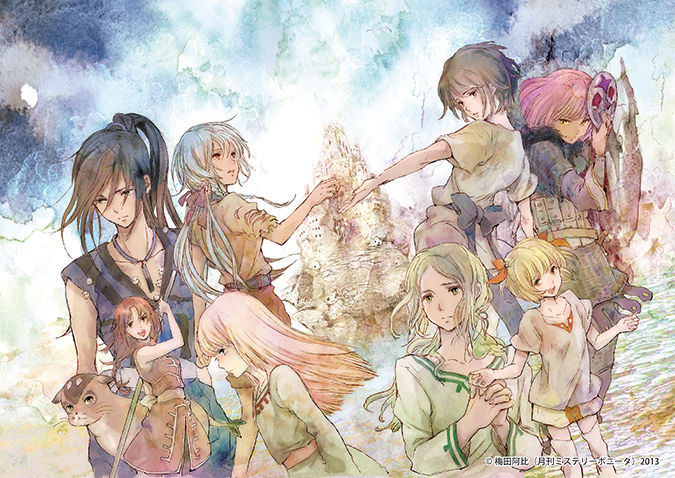
Whale Children Sing on the Sand" is a manga work by Abi Umeda, which was adapted into an anime produced by J.C. STAFF in 2017. On the "Mud Whale," a huge ship floating on the sea of sand, there are "seals" who can manipulate the supernatural power "Simia," and "Mujiru," who cannot. The main character "Chakuro," who is a mark, is a record keeper who writes down the history of the Mud Whale. One day, Chakuro meets a mysterious girl named "Lycos" on an island drifting in the sandy sea.
olivinis (extinct genus of sheep in the family Cichlidae)
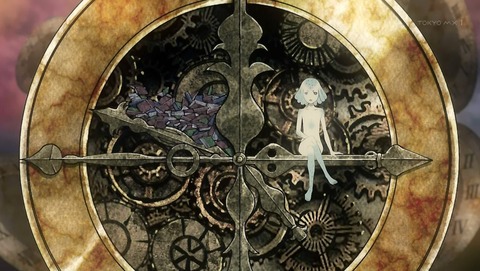
CV: Toyosaki Aki
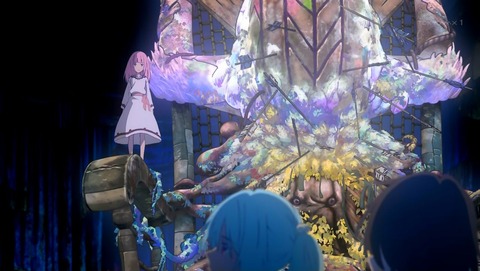
She is a kind of Nous Scyros' character, similar to Emma and Neri of the mud whales.
Her gender is unknown, and her first name is me.
She proposes to Chakuro a painless world where they share only happiness, but he says he wants to bear both pain and sorrow.
He wants to see where Chakuro's choice leads him, and gives Chakuro the "Anthropos Bone (Kokaro).
cocalo
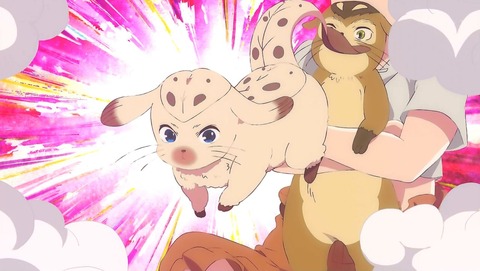
A mysterious creature given to me by Olivinis.
Olivinis calls it "the bone (kokaro) of Anthropos.
When he received it, it was round in shape, but it was actually a living creature, a rudder to steer the ship carrying Nous.
There is a similar mysterious creature in Nous Ricos, and Chakuro has brought it home, but it is not explained in much detail.
It is considered by Suou to be delicious.
Terms of "Whale Children Sing on the Sand
Emotional Movement (Simia)
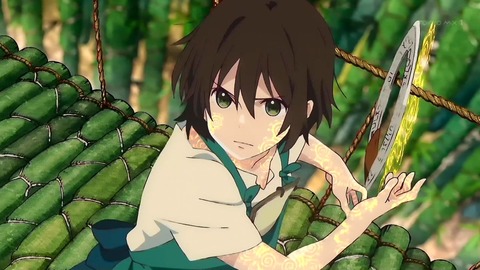
Aura is a supernatural power that allows one to move objects and draw a bow by levitating a bruise called aura on one's body with a thought.
In battle, it can improve the accuracy of bows and other weapons, and can make blades fly through the air.
90% of mud whales are marked.
This ability is given to people whose emotions have been eaten by nooses, but in Mud Whale, the nooses are not eating his emotions but his life.
In the film, the simia are strong, such as Ricos, a former military man, Masoo, who is so powerful that he was invited to join the vigilante group, and Ginshu, a vigilante.
Ouni and Shuang are even stronger in cymia and more valiant than these individuals.
Mark (Silsi)
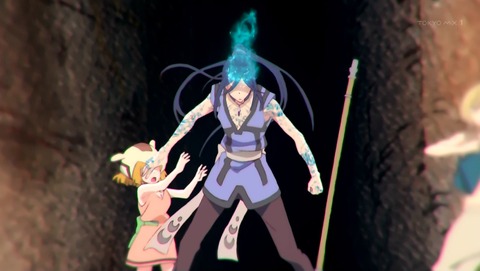
People who can use cymia in mud whales are called "marks".
Ninety percent of the population are marks, and they have a short life span.
The reason for this is that farrena eats their lives, and the life span of a mark is around 30 years old.
Mujirushi
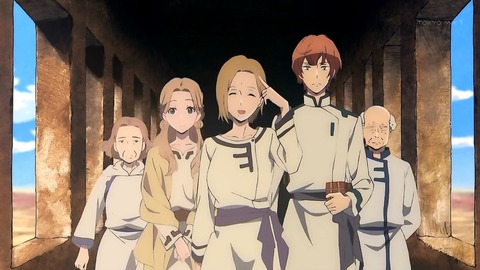
Unmarked people.
Souou, members of the Elders' Council, and other people who are not available for use in Saimia.
They are a minority of 10% in Mud Whale.
Since they have a longer life span than the mark, they play politics, and when they reach the age of 61, they can join the Elder Council members.
As a member, they are taught the history and secrets of Mud Whale.
The chief is a leader of the people who is not in power but is a beloved symbol of the people, and the person who is expected to become the next chief is called a candidate for chief.
At first, Taisya was the sheikh and Suoh was the candidate, but after Taisya's death, Suoh became the sheikh.
Presbyterian Church
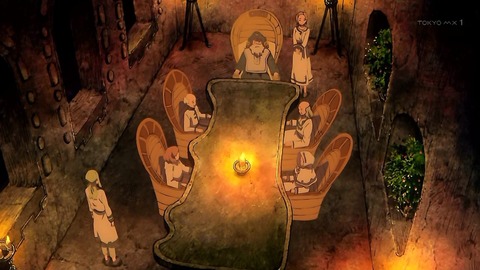
These are the old men who preside over the stewardship of the mud whales.
They can become members when they reach the age of 61, which makes them practically indentured members only.
The leader and chief executive of Mud Whale.
They know the history of Mud Whale through stories, and they know the reason why Mud Whale is short-lived, but it is also an organization that hides them.
Body Area
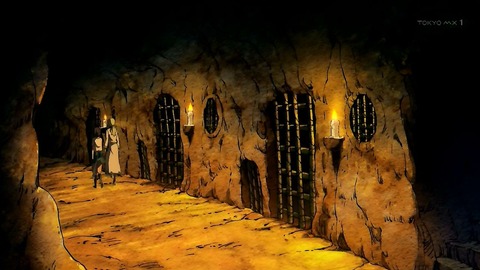
The depths of the Mud Whale.
A prison that temporarily locks up marks that have caused violations of the Code because the cymia is no longer available.
The rules are light, such as issuing amnesty when a rainbow appears.
A group of problem children led by Ouni, who are repeatedly sent to the inside of the body, are called "the mole inside the body.
Only a portion of the prison is used as a prison, and the off-limits area is home to noose farrenas.
Ships carrying nooses other than mud whales are generally the same, with the cymia becoming unusable as you go deeper, and nooses in the deepest areas.
Soul Form (Nous)

Contents
- Outline of "Whale Children Sing on the Sand
- The story of "Whale Children Sing on the Sand
- Meet Ricos
- Imperial Assault
- Decision to protect mud whales
- Scyros Defense
- Emergence of a third force, the "Suideracian Confederacy".
- The Future of Mud Whales
- Characters from "The Whale's Children Sing on the Sand
- toothed whale (i.e. a whale of suborder Odontoceti)
- cyclo (Southeast Asian pedicab)
- Lycos
- diagonal move (in the game of go)
- suou (ceremonial dress of lower-class samurai)
- Taisya (member of India's merchant-and-farmer caste)
- glans (esp. species Gnathopogon elongatus)
- Masoo.
- Ouni (hereditary title; orig. one of the two highest such titles, later demoted to sixth highest of eight)
- nivi
- ginseng (Panax ginseng)
- Shuang.
- neri
- Emma.
- empire
- orca (esp. orca, Orcas orca)
- ryodhari (traditional literary form of modern Greek)
- United Kingdom of Sideracia
- Roharito no amonologia.
- Other
- olivinis (extinct genus of sheep in the family Cichlidae)
- cocalo
- Terms of "Whale Children Sing on the Sand
- Emotional Movement (Simia)
- Mark (Silsi)
- Mujirushi
- Presbyterian Church
- Body Area
- Soul Form (Nous)
- toothed whale (i.e. a whale of suborder Odontoceti)
- empire
- Puppet Soldier (Apatoia)
- Highlights, Scenes, and Scenes from "The Whale's Children Sing on the Sand
- world view
- Fingers crossed, emotions suppressed.
- Chakuro and Sami
- Unmarked Suo.
- Why the mark was short-lived
- Ouni and Nivi
- The United Kingdom of Sideracia, the third power
- Theme song and insert song for "Whale Children Sing on the Sand
- Opening Theme
- RIRIKO: "To That Future"
- ending theme
- rionos: "hashtairo".
- featured songs
- Emma (Ai Kakuma): "Song of Light
- Songs of the Heart (Kiroku)
- Comic based on "Whale Children Sing on the Sand
- DVD of "The Whale's Children Sing on the Sand
- The official website of "Whale Children Sing on the Sand