
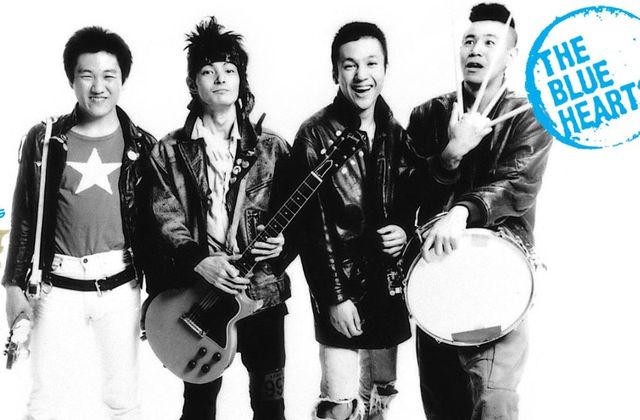
THE BLUE HEARTS is a Japanese punk rock band that formed in 1985 and made their major label debut in 1987. Their hit songs include "Linda Linda Linda," "TRAIN-TRAIN," "Jounetsu no Roses," "Hito ni Yasashii" and many others. The band is a legendary band that has released many great songs and influenced various musicians.
1. the future is in our hands
2. song that will never end
3. no no no no
4. punk rock
5. city
6. poem of a boy
7. when the bombs fall
8. the middle of the world
9. naked king
10. dance number
11. for you
12. linda linda
The first album by THE BLUE HEARTS, released on May 21, 1987. Highest chart position on the weekly chart was #31. This album is said to be the most powerful among their original albums, and the shortest album in terms of recording time throughout THE BLUE HEARTS' career. Included many hit songs such as "Linda Linda Linda" (their major label debut single), "Kirei nai Uta" and "Mirai wa Bokura no Te no Naka Naka", more than half of the songs on this album were included in the best album that was released later. Incidentally, this album does not include the single "Be Gentle to Others" from the indies era.
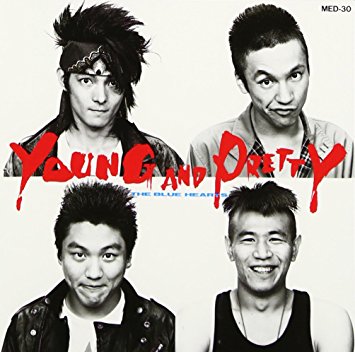
YOUNG AND PRETTY
1. kiss me
2. rokudenashi ii
3. scrap
4. rokudenashi
5. romantic
6. across the line
7. chewing gum
8. far away
9. please give me a star
10. restaurant
11. longing for the hero
12. chain gang
THE BLUE HEARTS' second album, released on November 21, 1987. It was released on November 21, 1987, and reached No.10 on the weekly chart. About half of the songs on this album were written as amateurs. From this album, the band has appointed producer Masahide Sakuma, who has produced many big-name musicians such as BOØWY, GLAY, JUDY AND MARY, Elephant Kashimashi, Kururi, and many others. The recording process was difficult due to the increased number of songs with rhythms other than 8 beats. When Sakuma was reluctant to give the OK, Komoto said to him, "It's a Blue Hearts record, so you should use the same level of technique." The recording of this album made the band members realize their own lack of skill.
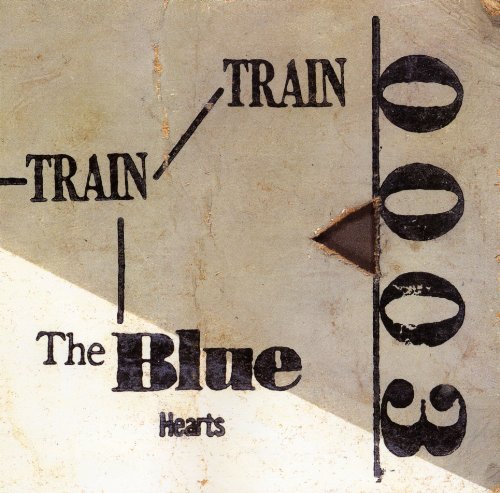
TRAIN-TRAIN
1. train-train
2. merry-go-round
3. lightning
4. missile
5. my right hand
6. mute phone blues
7. balloon bomb (bang bang bang)
8. love letter
9. a long but beautiful song
10. kick the blues
11. blue sky
12. you'll never let go of me
THE BLUE HEARTS' third album, released on November 23, 1988. It reached No. 3 on the weekly chart. Released at the same time as the single "TRAIN-TRAIN". This album is the first album that Komoto and Majima co-wrote together. It was also the first time that a song composed by Kawaguchi was included, although the lyrics were co-written. The album features a variety of songs, including blues, folk, and country, as well as a variety of guest musicians. Included are the hit songs "TRAIN-TRAIN" and "Blue Sky.
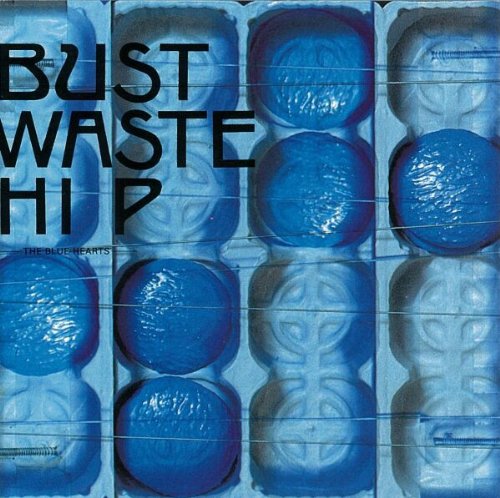
BUST WASTE HIP
1. image
2. license to kill
3. from the gallows
4. brains
5. through the night
6. sad rumor
7. blues of H
8. dream station
9. game of love
10. speed
11. cutie pie
12. passion rose
13. midnight telephone
14. navigator
THE BLUE HEARTS' fourth album, released on September 10, 1990. Highest chart position on the weekly chart. The first album after the label transfer from Merdak to East West Japan. It was the band's first album to reach No. 1 on the Oricon chart. Compared to the previous album "TRAIN-TRAIN," the album has a more hard rock, blues, and R&B flavor, and the lyrics have gone from straightforward to more abstract. In an interview at the time, Majima said, "It was a time when I was trying to break through the planned harmony of the Blue Hearts. The album includes the hit song "Jounetsu no Roses (Passion Rose)," which is still very popular today and is always cited as one of THE BLUE HEARTS' best-known songs.
HIGH KICKS
1. melody of murder
2. m-o-n-k-e-y
3. heart ambulance
4. touch that girl
5. home run
6. don't cry, sweetheart
7. the rolling man
8. tokyo zombie (russian roulette)
9. happy birthday
10. fighting man
11. neon sign
12. TOO MUCH PAIN
13. wandering nicotine guy
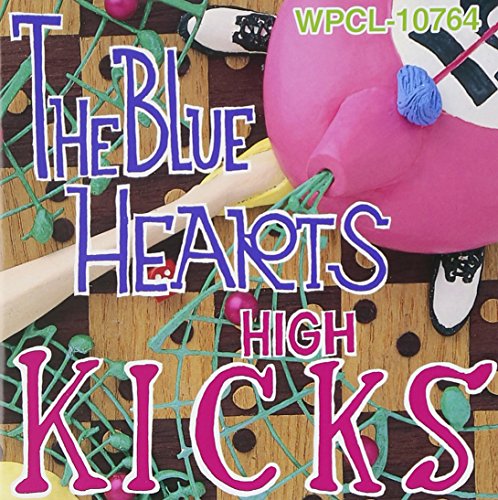
THE BLUE HEARTS' fifth album, released on December 21, 1991. It reached No. 3 on the weekly chart. According to Komoto, "I tried to put myself in a different direction, a very relaxed and relaxed way," and Majima said of the album, "I think it is more effective to reach people who have never listened to rock music before by using a pop style rather than a rebellious message. He also says, "I think it's more effective to reach people who have never listened to rock music before by using a pop format, rather than putting a rebel message out there.
Also included on the album is a song from their indie days, "TOO MUCH PAIN," four years after their major label debut.
STICK OUT
1. sesame seeds
2. dream
3. traveler
4. disappointment
5. do or run
6. on the tetrapod
7. typhoon
8. inspiration
9. i want to die my death
10. .44 caliber
11. liar
12. moon bomber
13. a thousand violins
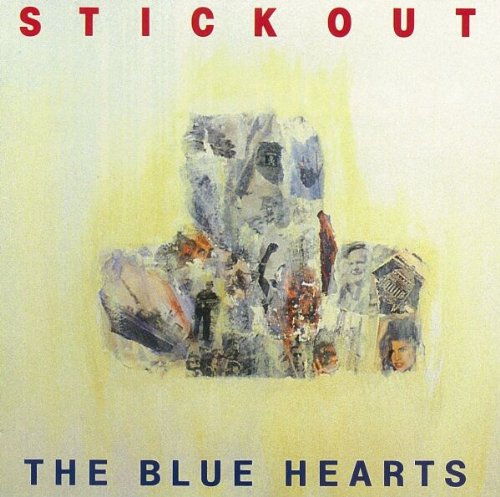
THE BLUE HEARTS' sixth album, released on February 10, 1993. Highest chart position of No.1 on the weekly chart. As the convex lettering on the jacket and the album title, which means "outstanding," the album is a collection of fast-paced and vigorous songs. This album and the next album "DUG OUT" were produced by Komoto, who felt constrained by the band around the time of the previous album "HIGH KICKS," and wanted to restart the band THE BLUE HEARTS. It was the band's second album to reach No. 1 on the Oricon album chart.
DUG OUT
1. letter
2. green weed
3. torch song
4. after the rain
5. let's grow old
6. bandits of the night
King of the Rookies
Whip and cape
9. treasure
10. sunset
11. party
12. chance
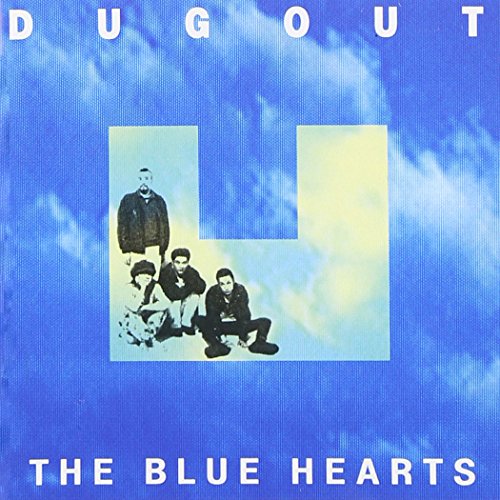
THE BLUE HEARTS' seventh album, released on July 10, 1993. Highest position on the weekly chart: No. 2. The jacket has a concave lettering, and in contrast to the previous album "Stick Out," the songs on this album have a more subdued tone. The songs were produced at the same time as the songs on "STICK OUT". The idea was to make two albums with different tunes so that the listener can listen to different tunes depending on his/her mood, and this album "DUG OUT" was produced with the previous album "STICK OUT".
PAN
1. drummer's session
2. houston's blues (wolf on the moon)
3. come back to me
4. boinkiller
5. hana ni naru kamakiri
6. bye-bye baby
7. walking flower
8. holiday
9. dobago's dream (dedicated to Kichina)
10. producer of happiness
11. Good Friend
12. dream for a moment
13. thank you
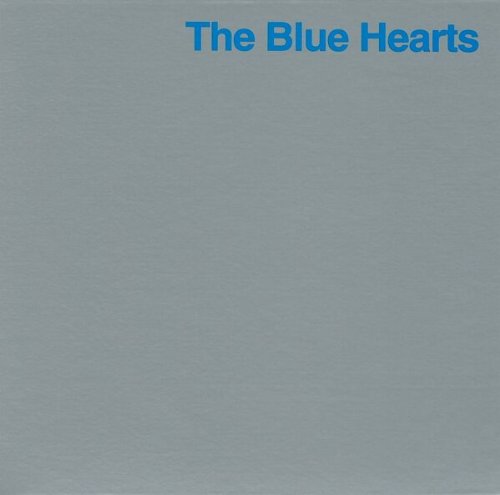
THE BLUE HEARTS' eighth and last original album, released on July 10, 1995, reached No. 2 on the weekly charts. Each member recorded the album separately with their friends, referring to The Beatles' album "The Beatles", also known as "The White Album". The cover design also pays homage to "The White Album". Since this album was released after the breakup of the band, it does not contain any singles. Since the band decided to break up, many of the songs on the album were based on the theme of parting.
ベスト・アルバム
MEET THE BLUE HEARTS

Related Articles
![R.Y.U.S.E.I.] Top 30 Recommended Songs for Men Top 30 Recommended Songs for Men [Shonan Nofu, etc.](https://renote.net/files/blobs/proxy/eyJfcmFpbHMiOnsiZGF0YSI6NjE1NjUwMSwicHVyIjoiYmxvYl9pZCJ9fQ==--15fe552e0b0d8cc74028f879ff6cf642fc06b2fa/450-2010102614551742355.jpg)
R.Y.U.S.E.I.] Top 30 Recommended Songs for Men Top 30 Recommended Songs for Men [Shonan Nofu, etc.
We have collected songs that get people excited at karaoke, songs that get people excited, and songs that everyone knows. If you have any doubts, just pick one of these songs to start with! R.Y.U.S.E.I. by J Soul Brothers from EXILE TRIBE and Water Lily Flower by Shonan Nofu are full of songs that are sure to get the guys excited when sung, so please watch until the end!
Read Article
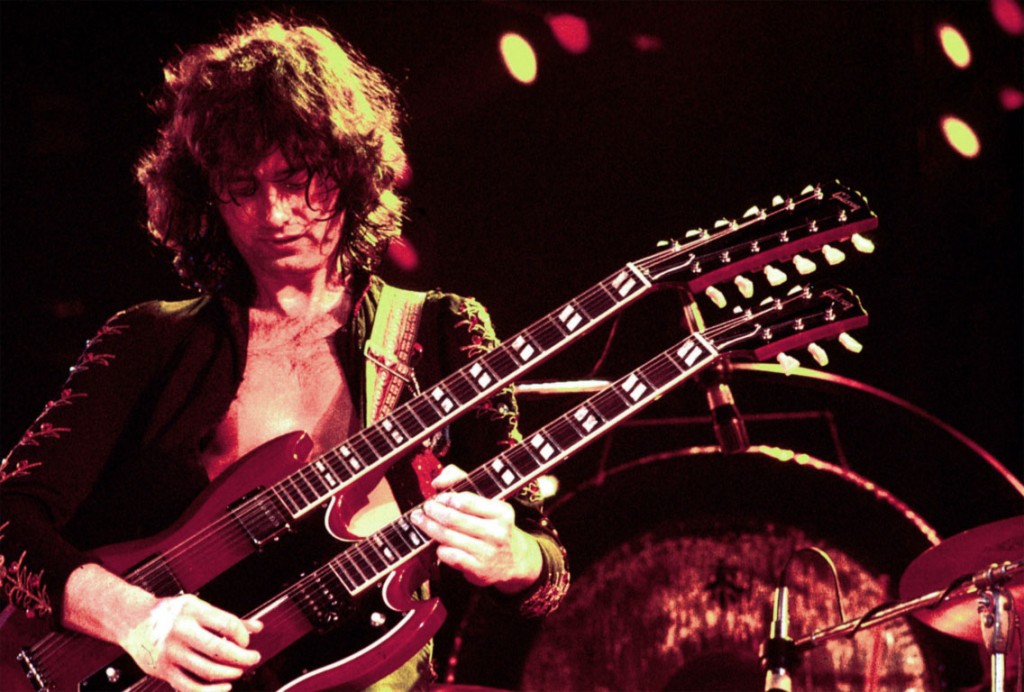
Introducing guitars used by famous guitarists! Jimmy Page, Masatoshi Majima's Les Paul, and more!
Here we introduce guitars used by famous guitarists, both in Japan and abroad. The guitars are listed by type, such as Led Zeppelin's Jimmy Page and Masatoshi Majima of The Cro-Magnons, who both use Les Pauls, and Jimi Hendrix, who loves Stratocaster-type guitars.
Read Article
Tags
Contents
- Overview of THE BLUE HEARTS
- THE BLUE HEARTS' Activity History
- From the band's formation to before its major debut
- From major debut to breakup
- Members of THE BLUE HEARTS
- Hiroto Komoto
- Masatoshi Mashima
- Tetsuya Kajiwara
- Junnosuke Kawaguchi
- THE BLUE HEARTS Discography
- オリジナルアルバム
- THE BLUE HEARTS
- YOUNG AND PRETTY
- TRAIN-TRAIN
- BUST WASTE HIP
- HIGH KICKS
- STICK OUT
- DUG OUT
- PAN
- ベスト・アルバム
- MEET THE BLUE HEARTS
- EAST WEST SIDE STORY
- SUPER BEST
- THE BLUE HEARTS BOX
- Singles 1990-1993
- ALL TIME SINGLES ~SUPER PREMIUM BEST
- THE BLUE HEARTS 30th ANNIVERSARY ALL TIME MEMORIALS〜SUPER SELECTED SONGS〜
- ALL TIME MEMORIALS II
- Representative songs of THE BLUE HEARTS
- Linda Linda Linda
- The Rose of Passion
- Songs that never end
- train train
- Be kind to people
- THE BLUE HEARTSの知られざる名曲
- TOO MUCH PAIN
- 星をください
- チューインガムを噛みながら
- 真夜中のテレフォン
- ラインを越えて
- 裸の王様
- 首吊り台から
- Music Video (MV/PV) of THE BLUE HEARTS
- chain gang
- I want you to kiss me.
- blue sky
- love-letter
- THE BLUE HEARTS backstory, trivia, small stories/episodes, anecdotes
- Origin of the band name
- influence
- An uplifting episode in the birth of a masterpiece
- The reason for the breakup is religious.
- Hiroto Komoto encouraged Koki Mitani's dream of becoming a film director.