
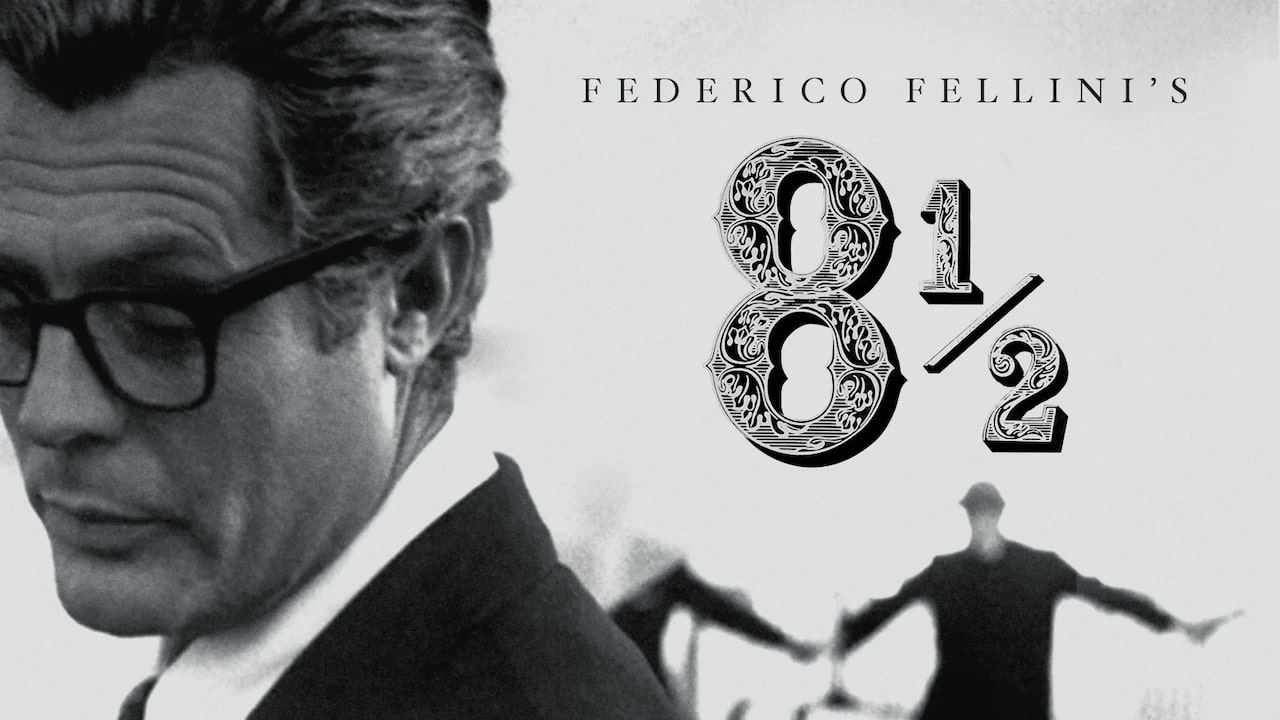
8 1/2" (Italian title: "Otto e mezzo") is an autobiographical comedy-drama film by Italian film director Federico Fellini, released in 1963.
The film won four Academy Awards at the 36th Academy Awards in 1963 for Best Foreign Language Film, Best Director, Best Screenplay, and Best Art Direction.
The film depicts the anguish of Guido, a film director, and his escape from reality into an ideal world.
Overview of "8 1/2
8 1/2" is a black-and-white film produced and released in 1963 by Federico Fellini. In Japan, it is read as "Hakka ni bunnichi," and is also sometimes referred to as "Fellini's 8 1/2. The Italian title is "Otto e mezzo," which means "eight and a half. It means "eight and a half," and is derived from the fact that this is Fellini's 8.5th film as a director. Fellini has directed six films, two short films, and one collaboration with Alberto Lattuada, another Italian director, and if short films and collaborations are counted as 0.5 films, "8 1/2" is literally his 8.5th film. Also, Ennio Friano, who initially co-wrote the screenplay, proposed the title "The Beautiful Confusion," but Fellini turned it down.
This film has been called Fenigli's autobiographical work, and the story begins when the main character, Italian film director Guido, played by Marcello Mastroianni, is having difficulty conceiving a new film and visits a spa resort to recuperate.
The film won the 1963 Academy Award for Best Foreign Language Film and Best Costume Design (black and white). The film's experimental style, which straddles the worlds of reality and imagination, was so influential on later films that it was ranked third on the British Film Institute's list of the best movies of all time. In 2010, it was also ranked 62nd on Empire Magazine's list of the 100 best films of all time.
After the film's release in 1963, a group of young Italian poets, writers, critics, and scholars experimenting with new forms of expression were inspired by "8 1/2" to form the writers' collective "Gruppo 63.
Fellini's biographer, Tullio Kecsik, has noted that "many imitations of 8 1/2 have been made by filmmakers around the world. Tullio Kecsik has cited "Alice in Wonderland" (directed by Paul Mothersky, 1970), "Beware the Holy Breadwinner" (directed by Rainer Werner Fassbinder, 1971), "American Night" (directed by François Truffaut, 1974), and "All That Matters" (directed by François Truffaut, 1974) as influences for "8 1/2", 1974), "All That Jazz" (dir. Bob Fosse, 1979), "Stardust Memory" (dir. Woody Allen, 1980), "A King and His Movie" (dir. Carlos Solin, 1986), "Living in Oblivion" (dir. Tom DiCillo (dir., 1995), "New York in the Brain" (dir. Charlie Kaufman, 2008), and "Great Beauty" (dir. Paolo Sorrentino, 2013).
Other works include the 1982 Tony Award-winning Broadway musical "Nine," which was based on the film. Nine" emphasizes Guido's portrayal of being pushed around by women, and was re-screened in 2003 with Antonio Banderas in the lead role, and was adapted into a film in 2009 by director Rob Marshall.
The 1993 music video for the song "Everybody Hurts" by the American rock band R.E.M. quotes the opening of "8 1/2".
8 1/2" deals with the theme of the struggles that arise from technical difficulties and personal problems in creative work. It also represents the struggles that artists face due to strictly restricted production schedules. The film also deals with the theme of finding meaning in life in the face of various difficulties. Guido's use of time and his pursuit of those around him, like many Italian films of the time, is said to include a critique of modernization.
According to Italian writer Alberto Albasino, Fellini's film has similar qualities to Roberto Musil's 1930 novel The Man Without Characteristics.
Synopsis and story of "8 1/2
Guido Anselmi, a famous Italian film director, was in a slump. A new science fiction film he was working on was becoming less and less interesting due to artistic and stage design preparation difficulties.
While searching for a way out of his anxiety at a spa resort, Guido met a well-known film critic, who gave him an idea for a new film, but the critic critic criticized it badly. So he began to reconsider the key woman in the story he had conceived. His mistress, Carla, came to visit him from Rome, but Guido put her up in a different hotel than the one where he was staying, almost ignoring her.
The film's production crew moved his accommodations in order to get Guido back to work on the film, but he dodged the crew, ignored the journalist, and even failed to explain the role to the actor. The pressure to start shooting the film led Guido to a childhood memory in his imagination. The memory was of spending one night as a child at his grandmother's house and being punished by the Catholic school he attended for dancing on the beach with a prostitute. Critics who heard this memory dismissed it as sentimental and too vague to be of any use in the film, but gradually the distinction between imagination and reality became blurred. After repenting to the statue of Mary for his childhood memory, he once again went to the seaside with a prostitute in his imagination.
Guido summoned his estranged wife Louise and her friends to the filming location. The friends dance and try to get through to Guido and Louise, but Guido leaves her to the film crew and leaves the scene.
He is at a loss, as his desire to shoot a movie comes up but doesn't quite work out, and he again enters a world of his imagination. There, Guido is with his wife when his mistress, Laura, shows up, and a shuraku scene ensues.
Back in reality again, he goes to the filming location, where a circus band and all the people who have appeared in the real and imaginary worlds so far appear in front of him, all holding hands and dancing in a circle. Guido begins to conduct the carnival as he conducts a camera test.
Characters and characters in 8 1/2
Guido Anselmi (played by Marcello Mastroianni)
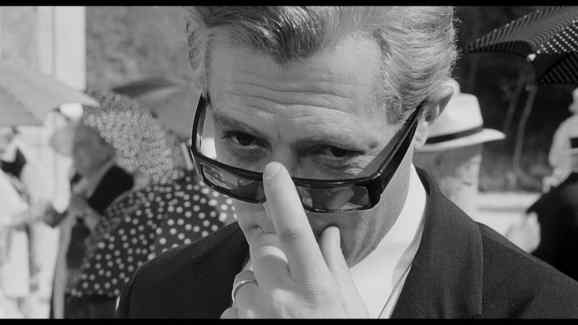
Source: the-artifice.com
The protagonist of this film.
He is a famous film director who is working on a new film, but due to various reasons, it is not going well.
Louise Anselmi (played by Anouk Aime)
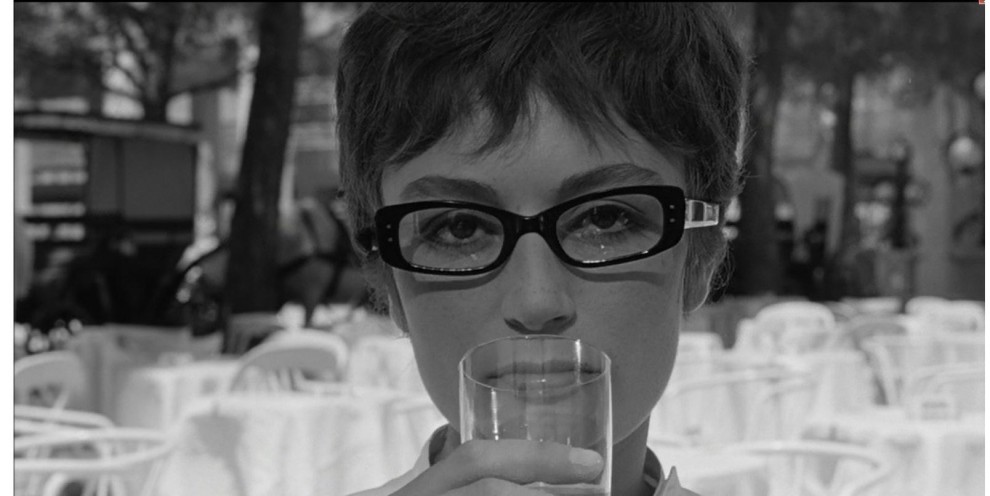
Source: www.repstatic.it
She is the wife of the main character Guido.
Her relationship with Guido is cold.
Claudia (played by Claudia Cardinale)
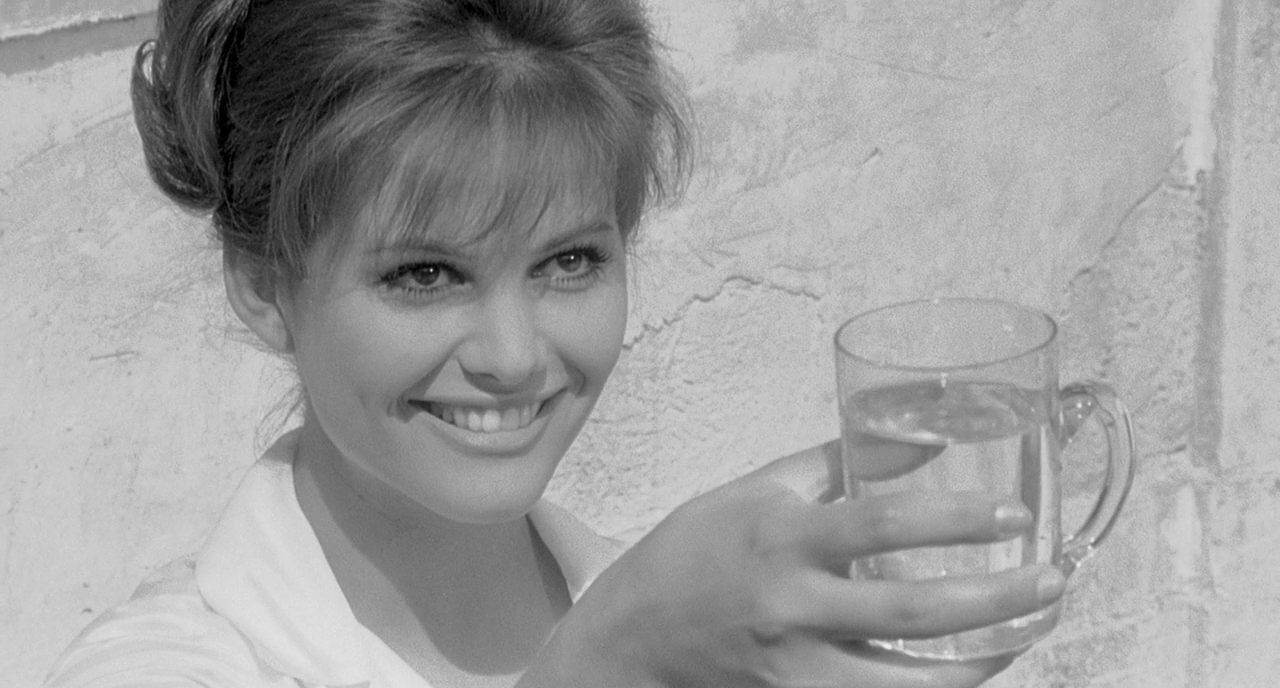
Source: klimbim2014.files.wordpress.com
She is a movie actress whom the main character, Guido, has been asking to appear in his movies for a long time.
Carla (played by Sandra Milo)
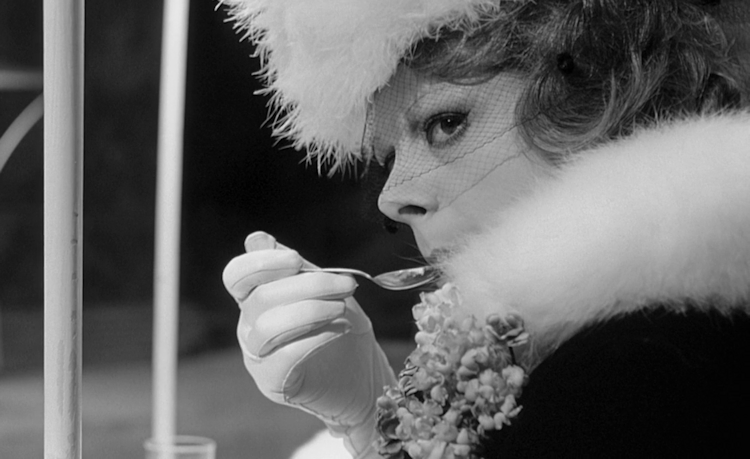
Source: 4.bp.blogspot.com
Guido's mistress. She appears at the filming location at Guido's invitation.
Rossella (performed by Rossella Falk)
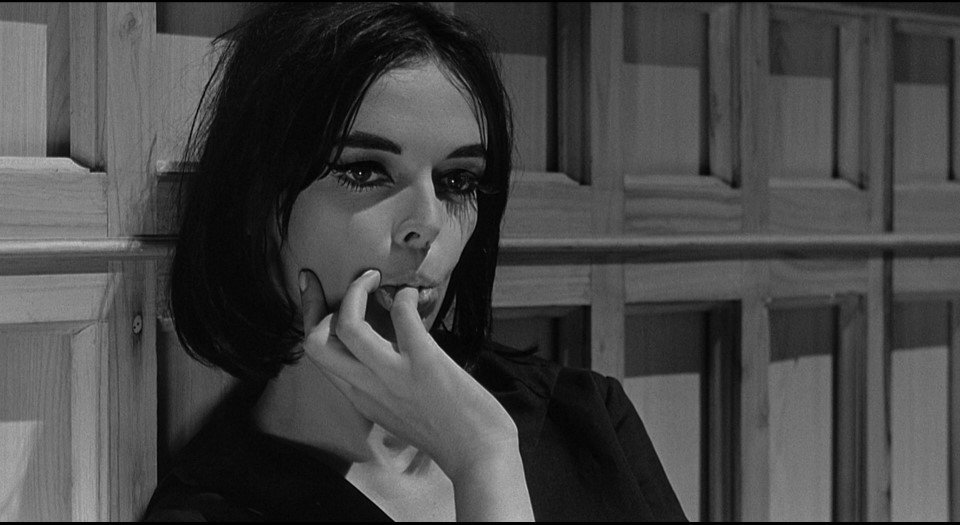
Source: 4.bp.blogspot.com
He is a close friend of Guido's wife Louisa.
He is also the only person Guido can reveal his innermost thoughts to.
Terms of "8 1/2
fantasy
Guido's work is a mixture of reality and Guido's fantasies. In this work, reality and Guido's fantasies are interwoven, and it is difficult to tell where the reality and the fantasy begin and end.
autobiography

Related Articles
The Godfather (film) spoiler alert and discussion summary
The Godfather" is the first film in the "Godfather Series," a trilogy about the New York Mafia of Italian immigrants. Written by Mario Puzo and directed by Francis Ford Coppola, it won three Academy Awards and stars Marlon Brando and Al Pacino. The film depicts "love," "power," and "money" in the Mafia of the 1940s, centered around Vito Corneole and the Corneole family.
Read Article
The Godfather Part II (movie) spoiler alerts and discussion summary
The Godfather Part II" is the second installment of the trilogy "The Godfather Series" about the New York Mafia of Italian immigrants. Written by Mario Puzo and directed by Francis Ford Coppola, the film starring Al Pacino won six Academy Awards. The film depicts "love," "power," and "money" in the Mafia in the 1940s, centering on Michael Corneole, who became the second boss of the Corneole family.
Read Article
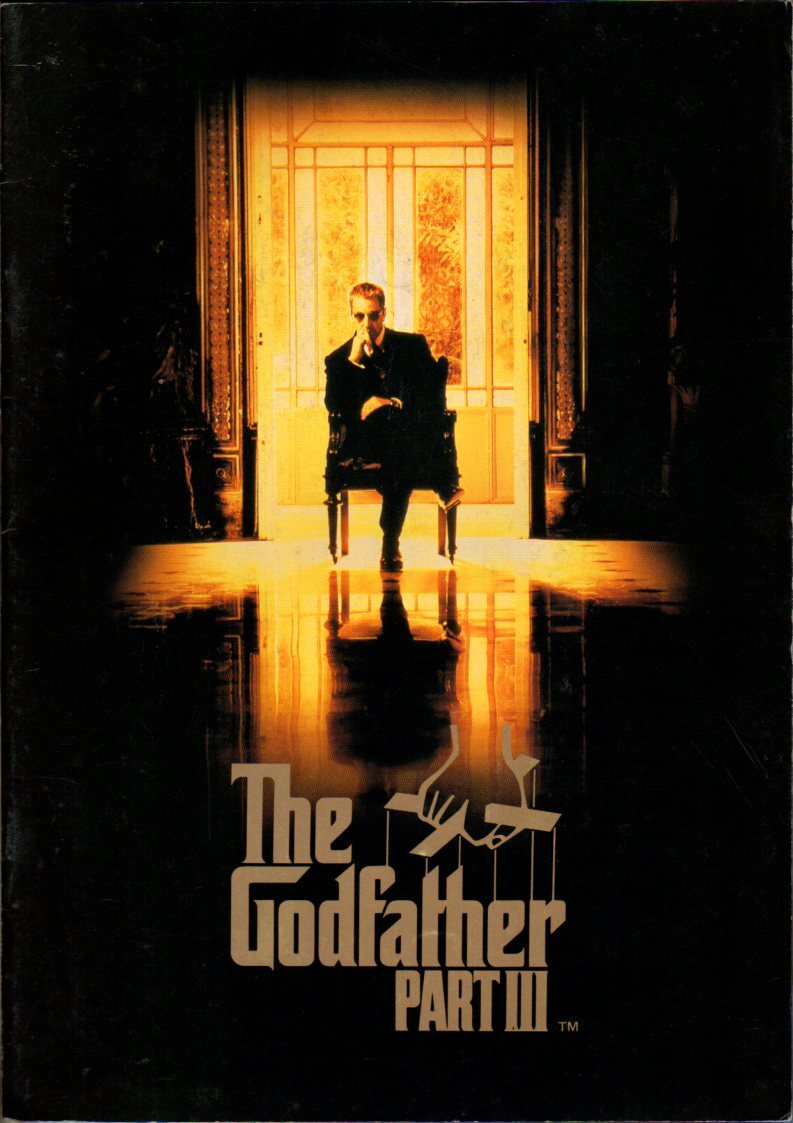
The Godfather Part III (movie) spoiler alerts and discussion summary
The Godfather Part III" is the third installment of the trilogy "The Godfather Series" about the Italian immigrant New York Mafia. The film was released in 1990, written by Mario Puzo, directed by Francis Ford Coppola, and starring Al Pacino, and was retitled "The Godfather: The Final Chapter: The Last Days of Michael Corleone" in 2020 to celebrate the 30th anniversary of its release. The film depicts the final days of Michael Corneole, the second boss of the Corneole family.
Read Article
Before and after images of Hollywood and international actresses
International actresses attract fans with their beauty and acting ability. But they all age equally. Here, we have alternately arranged images of them in their youth and in their old age. Please enjoy the charms of both their girlhood and veteran years!
Read Article
![Titanic] Top 30 "Masterpiece Movies" you should watch right now!](https://renote.net/files/blobs/proxy/eyJfcmFpbHMiOnsiZGF0YSI6NjEwODY5NiwicHVyIjoiYmxvYl9pZCJ9fQ==--a252d73be61295850b29a41eb24c4422311daa27/785A74BA-4AFB-46B2-AC61-78FE7D08F650.jpg)
Titanic] Top 30 "Masterpiece Movies" you should watch right now!
We've created a ranking of movies that are so good, you'll have no trouble finding something to talk about if you've seen them all! Titanic, The Godfather, and more are all must-sees for any movie lover! If you haven't seen any of these movies yet, this is the perfect time to give them a try!
Read Article
Tags
Contents
- Overview of "8 1/2
- Synopsis and story of "8 1/2
- Characters and characters in 8 1/2
- Guido Anselmi (played by Marcello Mastroianni)
- Louise Anselmi (played by Anouk Aime)
- Claudia (played by Claudia Cardinale)
- Carla (played by Sandra Milo)
- Rossella (performed by Rossella Falk)
- Terms of "8 1/2
- fantasy
- autobiography
- Famous quotes, lines/scenes and scenes from "8 1/2
- Guido rethinking himself at the retreat
- Guido: "Life is a festival, let's live it together."
- Backstories, trivia, subplots/episodes, and anecdotes from "8 1/2"
- Destroyed last scene
- Appeared in a film directed by Peter Greenaway