
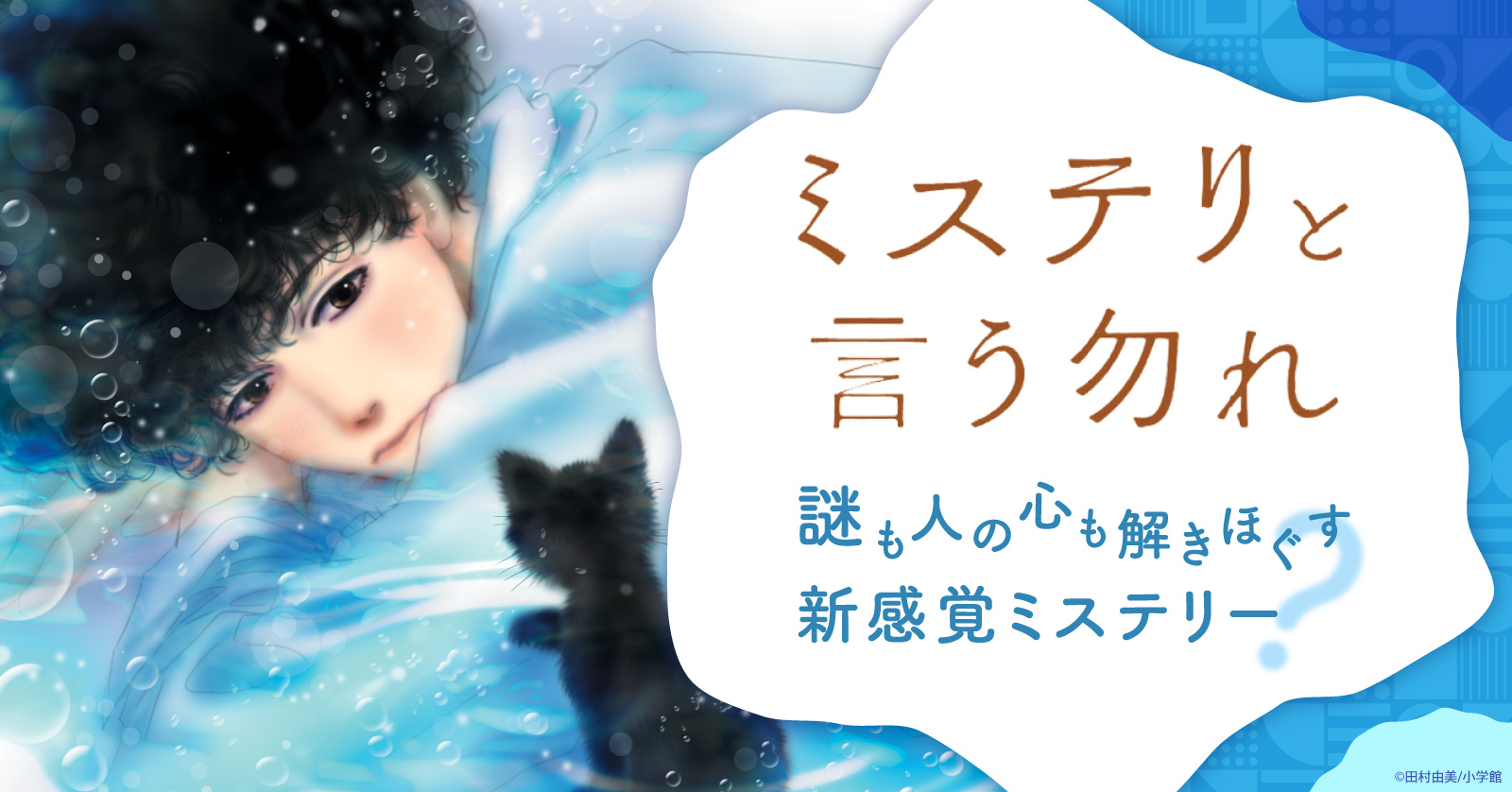
The manga is a mystery manga by Yumi Tamura that first appeared in the January 2017 issue of Monthly Flowers and began serialization in the January 2018 issue. A university student studying psychology, Kunou Toutou (Kunou Toutou), gets involved in various cases and uncovers the true nature of the incidents through conversations. Although it is a mystery manga, the emphasis is on solving the problems of the characters rather than solving the mystery, and the reader will empathize with what Sei says and question conventional thinking.
Minatochuo Police Station
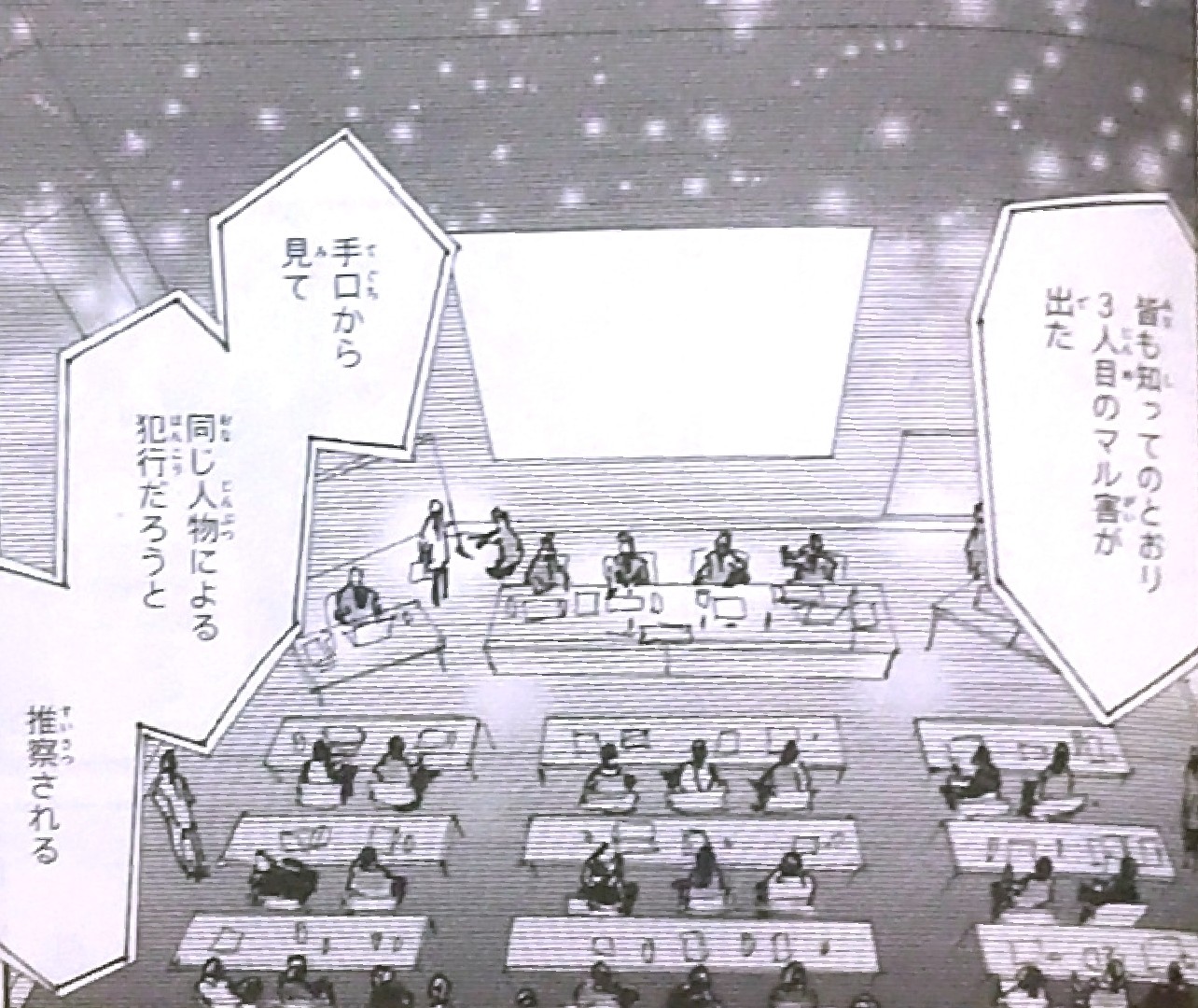
備前島 is the famous detective.
Serial murders in Yokohama area were investigated.
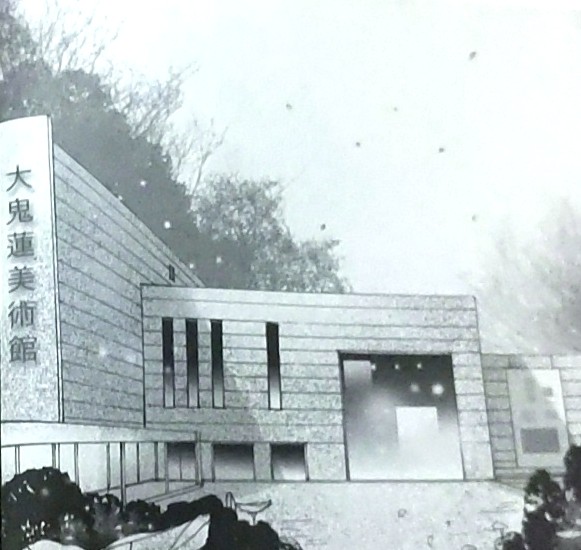
Onibusu Museum of Art
His common name was prickly water lily.
The nearest art museum from Ohwaki General Hospital.
Many replicas of famous paintings are on display.
Kagiyama Incident
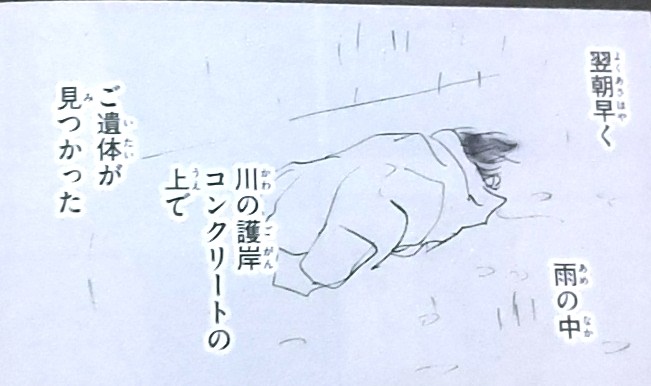
Serial murders of young girls occurred in the past.
Aoto was falsely accused of being sent to Ohwaki Police Station.
Komoro was thought to be the culprit, but Iguchi was found to be the real culprit in the kidnapping incident.
Words, Lines, Scenes and Scenes of "Don't Say Mystery"
"There are many people in the truth, but there is only one fact."
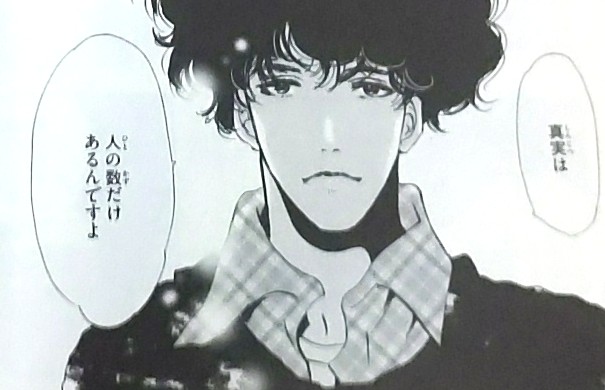
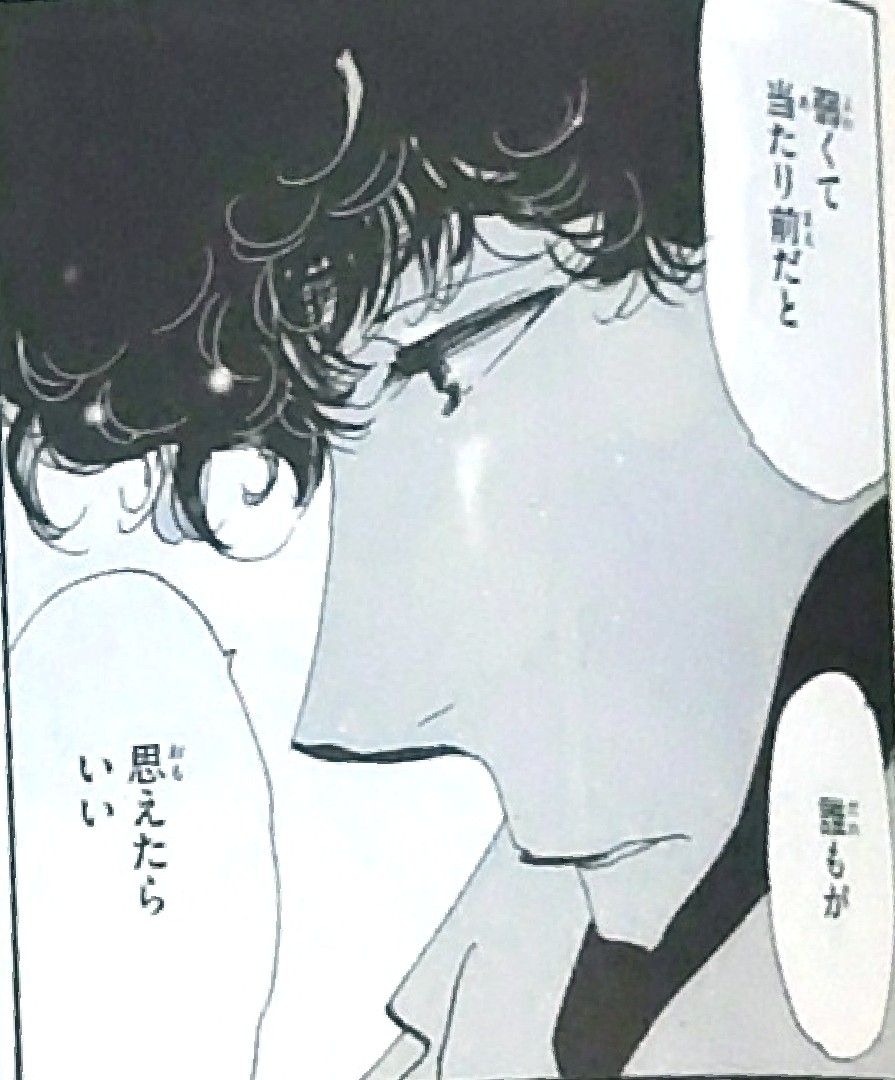
Jo, who was being investigated on suspicion of murder, was told by Aoto that there was no point in making a false statement and that "the truth is one". Upon hearing this, Jo was surprised and said, "I can't believe there are people who really say such a dram-like line." Then, Jo told Aoto that each person understands things differently and that "there are as many truths as there are people, but the fact is one."
Each person has his own way of thinking about things, and there are as many truths as there are people, but there is only one fact about what happened.
This line is a wise remark that makes us realize that truth and fact are different.
"Major leaguers think it's their father's right to be present when their children grow up, and Japanese commentators think it's their duty."
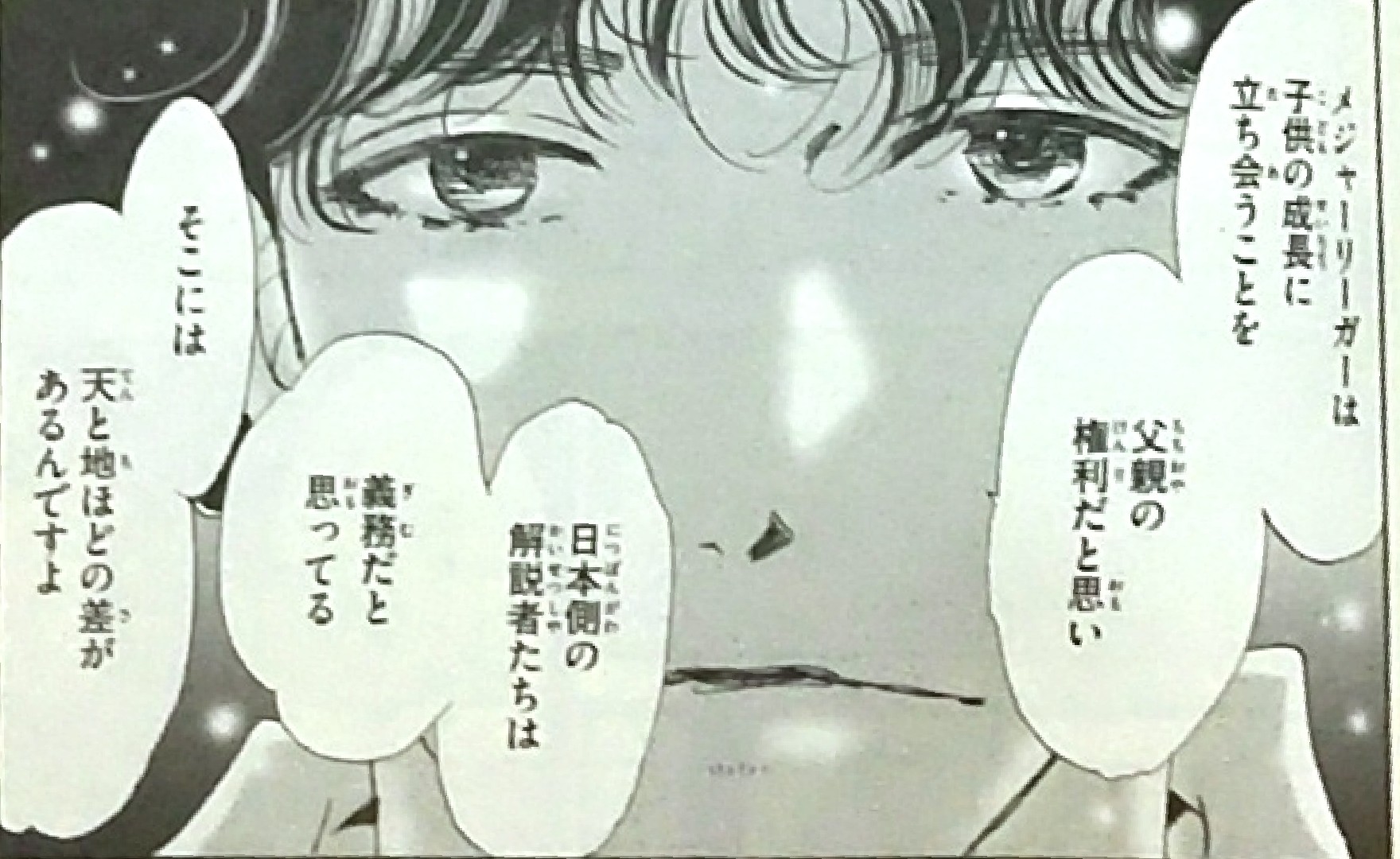
Jo is consulted by Ikemoto about his relationship with his wife, who has been nervous since the birth of their children. When Ikemoto uses the words "participation" and "helping" in child-rearing, Jo says, "Major leaguers think it's their father's right to be present when their children grow up, and Japanese commentators think it's their duty." She asks Ikemoto whether child-rearing is their right or their duty.
This line is an excellent statement that makes you realize the difference between Japan and foreign countries. This line clearly shows that fathers abroad consider raising children as a natural right, but in Japan, many people consider raising children as an obligation.
"' Fault' and' weak point' are totally different things."
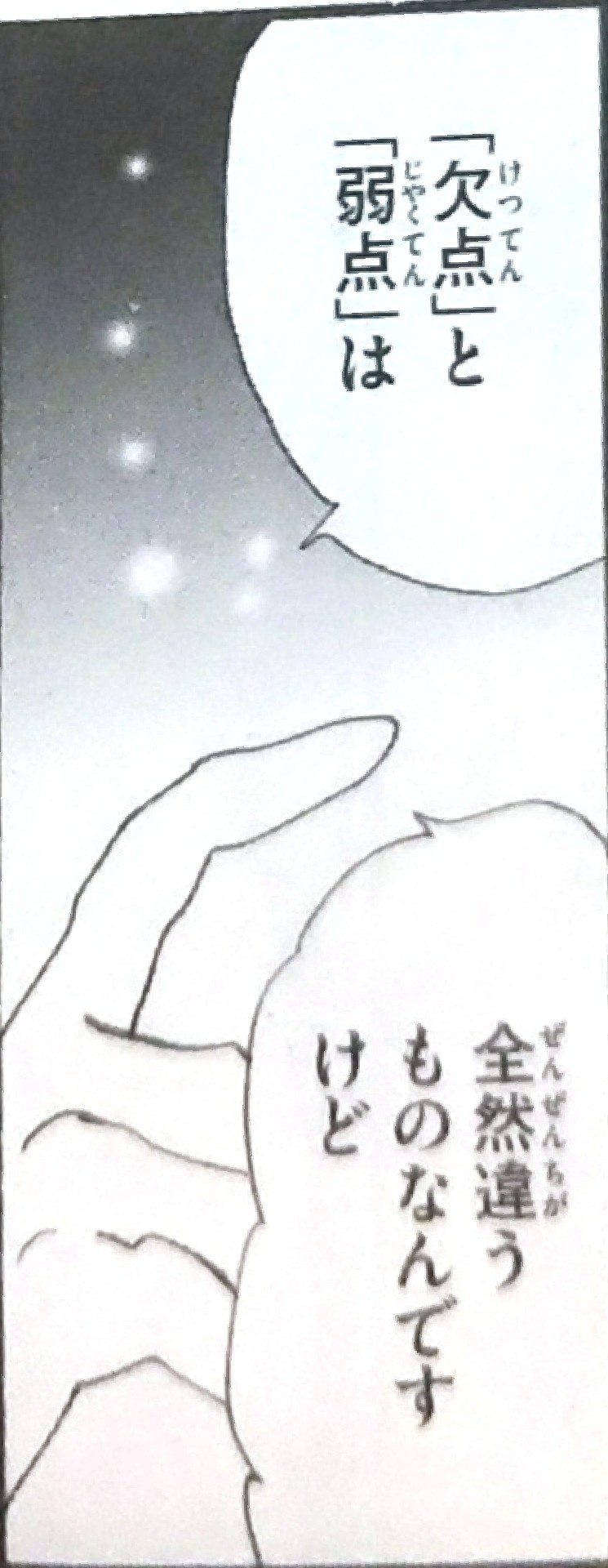
The person who hijacked the bus that Sei was on asked the passengers to introduce themselves and told them to tell them their' faults' or' weaknesses.' Sei replied,' Faults' and' weaknesses' are totally different things.' Then he answered,' I'm weak at curry.'
"Fault" is one's own lack, and "weakness" is one's own weakness.
This line is a wise remark that makes one realize the difference between two words that tend to be regarded as the same word.
"All the problems that occur here are your fault."
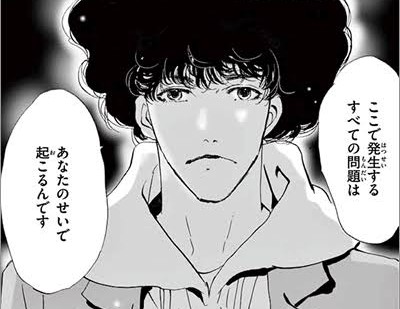
In the middle of the bus jacking, there was a restroom break. At that time, the bus jacker told the passengers that if someone ran away during the restroom break, he would kill everyone else, and he threatened, "Everyone will die because of you who ran away." In response, Jo said, "All the problems that occur here happen because of you."
This line is a wise remark that, if you think calmly, will convince you that it is true. People tend to think that the person who ran away is wrong, but the criminal who caused the incident in the first place is wrong.
"I want everyone to think I'm weak and taken for granted."

Related Articles
7SEEDS spoiler commentary and discussion summary
A Japanese girls' manga by Yumi Tamura. Realizing the inevitability of a meteorite impact, countries devise various strategies to prevent the extinction of the human race. One of them is the 7SEEDS Project. Young people, frozen and thrown into the future before they know it, struggle to survive in a bewildered post-apocalyptic world. Although many dystopian stories have been published in the past, this is a story that draws the reader in with its realistic depiction of survival.
Read Article
Summary of spoiler commentary and discussion of BASARA
BASARA" is a manga by Yumi Tamura. In a Japan ruled by a tyrant, a child is born who is destined to save Japan. However, the doomed boy, Tatara, is killed by the Red King, the youngest son of the king, and his twin sister, Sarasa, takes the name Tatara and stands up in his place. As a revolutionary who will save Japan, Tatara (Sarasa) sets out on a journey with the White Tiger sword to find the heirs of the remaining Suzaku, Seiryu, and Genbu swords. Unaware that he is the avenger, she meets Shuri (the Red King) by chance, and they are drawn to each other without knowing each other's true identity.
Read Article
Contents
- Outline of "Don't Say Mystery"
- Outline and story of "Don't call me Mystery"
- Sequence of the suspect
- Meeting between Jo and Gallo
- In Hiroshima, he was involved in an inheritance case.
- Meeting with Leica at the hospital
- Gallo's involvement in Yokohama
- Joe who came to the riddle meeting at the mountain villa
- What Happened at the Museum and Leica's Secret Revealed
- I was asked to distinguish the twins of the Homura family.
- Seito and Aoto Involved in the Kidnapping
- Characters from "Don't Call Me Mystery"
- Key person
- Kunoto no Mikoto (also pronounced as Sugada 将暉)
- Yuto Ikemoto (played by 松也 ONOE)
- 犬堂 Garo (played by Eita NAGAYAMA)
- Laika (played by Moji KADOWAKI)
- Officials of Ohwaki Police Station
- Nariaki Aoto (played by Michitaka TSUTSUI)
- 風呂光 沙莉 (played by Seiko ITO)
- Katsunori Otobe
- People of the Indo family
- Inudohaya (played by Hisai Kubota)
- Otoya 犬堂 (played by Ryohei ABE)
- Inudoanju (played by Asaginu SHIRAISHI): 犬堂 aiju
- Persons concerned in the case in which Jo was a suspect
- Kanzo YABU (played by Kenichi ENDO)
- Ken Sagae (played by Yoshiteru Fujieda)
- People involved in the bus hijacking
- Awaji Ippei (played by Morinaga Yuki)
- Megumi Kashiwa (played by Aimi 佐津川)
- Tsuyuki Rila (played by Hiccorohee)
- Yukihito Narazaki (played by Akio Kaneda)
- Daisuke Kobayashi
- Makoto 煙草森 (played by 能幸 Morishita)
- People involved in the Hiroshima incident
- Hiroko (Performance: Megumi Seki)
- Saki Mikitani (played by Junko Takabata)
- 狩集 Shioji Oji
- 狩集 Rikinosuke
- 波々壁 Ninon
- Akamine Yura
- Yukinaga 狩集
- Kurumazaka (Kurumasaka)
- Makabe
- Kurumazaka 朝晴
- Mari
- Shioji's father
- Takarada Kanji
- Shiba
- People involved in the hospital case
- MIFUNE, Michio 3000 (played by Yu 柄本)
- Goro Ushida (played by Fumiyo Kohinata)
- Shinji SHIMOTORI (played by Kazuyuki Ainoshima Island)
- Hagui 玄斗
- Maami UMEZU (played by Atsuko ANAN)
- Kanon IHARA (played by Taichi SAOTOME)
- Sageto 陸太 (played by Oroka Amane)
- Tsubasa Sumi (played by Yuki Imai)
- Yakiniku Ya no Musume (Actress: Mirai SHIDA)
- Kunio Urabe (played by Keisuke Horibe)
- People involved in the Yokohama case
- 備前島 Misao (played by Eiichiro Funakoshi)
- Toaki Nekoda (played by Wakana MATSUMOTO)
- Kawabe (riverside)
- TSUJI 󠄀 Hiromasa (played by 匠海 KITAMURA)
- Rumi Igarashi (Actor: Natsuko)
- Katsura Tsukioka
- People involved in the incident at the villa
- Amatatsu (played by Kosuke Suzuki)
- Sagara Ren
- Masaru Kittaka (played by Kuranosuke Sasaki)
- Kunpei TSUTA (played by Mansaku IKEUCHI)
- Della (played by Hiromasa Taguchi)
- Pan (played by Kento Shibuya)
- Kiwa (played by Asami Kimura Mizukawa)
- People involved in the museum case
- Shuichiro Kuromatsu
- Oyakata (stable master)
- A (uh)
- C (shy)
- E (Yes)
- Mizuma 由珠
- People involved in the Homura family incident
- Koji Uryu
- Hitoha mura Iroha
- Yukiko Hatomura
- 実都子 HATOMURA
- Aiko HATOMURA
- Hatakenaka Uta
- Toru Hatakenaka
- Nirasaki
- Kawakami 棋絵
- Tatsumi NARUKO
- People involved in the kidnapping
- Yuka Akama
- Takeshi Komoro
- Sakura Komoro
- Tatsuki Iguchi
- Torao IGUCHI
- Mr. and Mrs. Shiokawa
- SOGA no Minoru
- Michi Kugayama
- Atsuko Akama
- Term "don't call me Mystery"
- Ōrin-shi
- Ōrin Police Station
- Trolley problem
- Ohwaki General Hospital
- Minatochuo Police Station
- Onibusu Museum of Art
- Kagiyama Incident
- Words, Lines, Scenes and Scenes of "Don't Say Mystery"
- "There are many people in the truth, but there is only one fact."
- "Major leaguers think it's their father's right to be present when their children grow up, and Japanese commentators think it's their duty."
- "' Fault' and' weak point' are totally different things."
- "All the problems that occur here are your fault."
- "I want everyone to think I'm weak and taken for granted."
- Osamu: "Just because you're dressed doesn't mean you'll be good-looking."
- Heaven said, "Meet and know. It's a journey to know yourself."
- "I don't want to be a teacher just because I'm suited for it."
- "I want you to call me by name, not by role."
- Behind the Scenes, Trivia, and Small Stories / Episodes and Anecdotes of "Don't Call Me Mystery"
- The supervisor of Hiroshimaben is Madoka Sasaki, a friend and voice actor.
- Yumi Tamura listening to Nakajima Miyuki's music while drafting
- Shogakukan Hits All-Time High in Online Sales
- The theme song and insert song of "Don't call me Mystery"
- Theme song: King Gnu "Chameleon"