
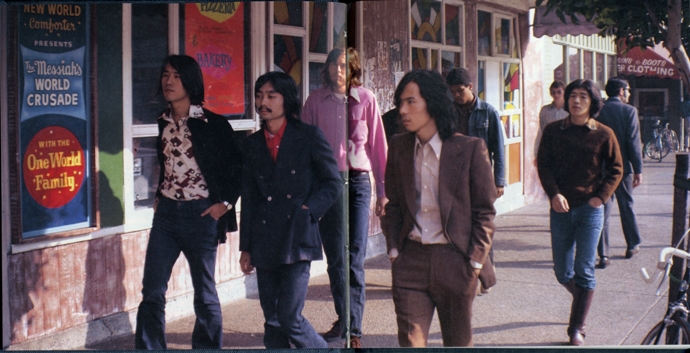
Happiendo was a Japanese folk-rock band active from 1969 to 1972 that recorded three albums. The band's progressive sound and Japanese-language lyrics, or "Japanese rock," had a major influence on later bands, and the band is considered to be a major influence on Japanese rock music.
Outline of Happi Garden
In October 1969, after Haruomi Hosono and Takashi Matsumoto broke up their psychedelic band called April Fools, Hosono invited Eiichi Otaki to join them and immediately formed a new group called Valentine Blue. (niyago) album by Kenji Endo. The quartet of Hosono, Matsumoto, Otaki, and Suzuki changed the band's name to Happiendo, and began playing as the backing band for Nobuyasu Okabayashi, and also participated in his "Jump before you see" album. Then, in April 1970, they began recording Happiendo's first album.
Their self-titled debut album "Happiendo" was released in August 1970 on URC, an experimental music label. The album was a turning point in the history of Japanese music, which at the time was causing a "Japanese rock controversy. The debate, which had been raging between the members of Happi Nippon and such celebrities as Yuya Uchida, was whether or not the Japanese language was a good match for rock music. In fact, most rock music in Japan up to that point had been sung in English. The success of Happi Endeavor's debut album and their second album, "Kazemachi Roman," released a few years later, proved that rock music could be sung in Japanese without any discomfort.
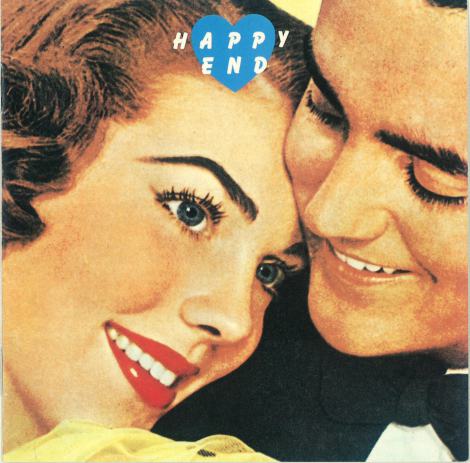
In 1972, the band signed a contract with King Records in Los Angeles to produce their third album "Happy End" under the production of Van Dyke Parks. Although Hosono described the production with Van Dyke Parks as productive, the sessions for the album were not very good, and the illusions they had about America were slowly being lost. In addition, the language barrier between the Los Angeles studio staff and the band members gradually irritated the members. These experiences are expressed in the final track "Sayonara America, Sayonara Nippon" from the third album "Happy End. Matsumoto says, "We had already given up on Japan and said goodbye to America at the same time. We have nowhere to go." Matsumoto explained. The band broke up in December 1972. The third album was released in February 1973 after the breakup. On September 21, 1973, after the breakup, the band held a breakup live concert titled "CITY - Last Time Around" and released a live album featuring the performance the following year.
Members of Happi Garden
Haruomi Hosono
Source: rbma.imgix.net
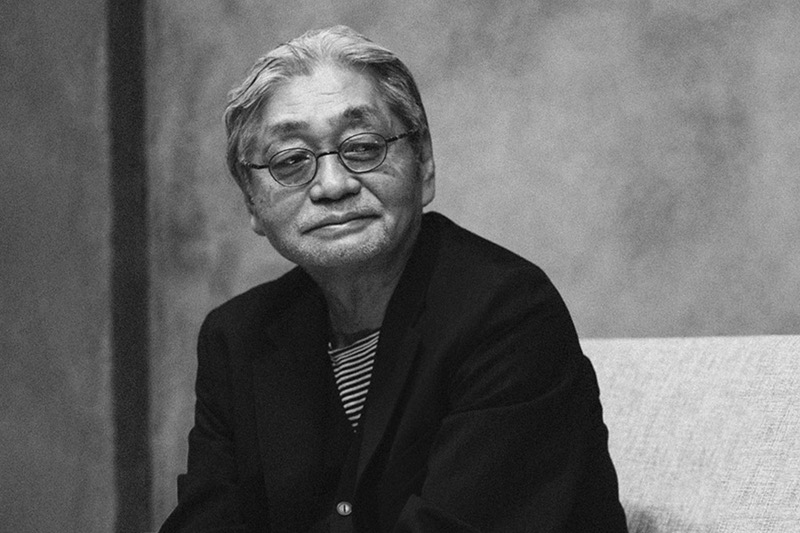
Born in Tokyo, he is a musician and one of Japan's leading bassists who has been active in music since the late 1960s.
He began playing bass while a student at Rikkyo University, and after working with a number of bands, he made his major debut in 1969 with the band April Fools, and later formed Happiendo, playing bass and singing vocals.
After Happiendo disbanded, Matsuda continued to influence Japanese music through his solo activities and with groups such as Tin Pan Alley and Yellow Magic Orchestra. He is also well known as a producer and has worked with many famous artists, including Seiko Matsuda and Akina Nakamori.
Eiichi Ohtaki
Source: 100newmusic.com
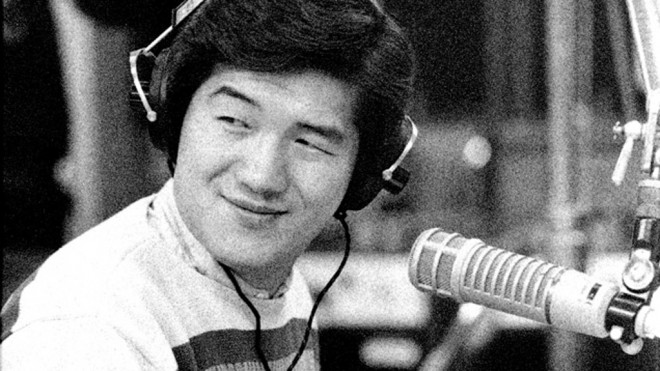
Musician born in Iwate Prefecture in July 1948.
When he was in the fifth grade of elementary school, he heard the music of Connie Francis, which shocked him and led him to devote himself to American pop music.
In 1968, while a student at Waseda University, he met Haruomi Hosono through a friend and they hit it off, leading to the formation of Happiendo.
In Happiendo, he sang vocals and played guitar.
After Happiendo disbanded, he left behind such solo masterpieces as "A LONG VACATION" and "EACH TIME" with his thick, powerful tone influenced by Phil Spector, which is known as the Niagara sound.
Shigeru Suzuki
Source: www.tapthepop.net
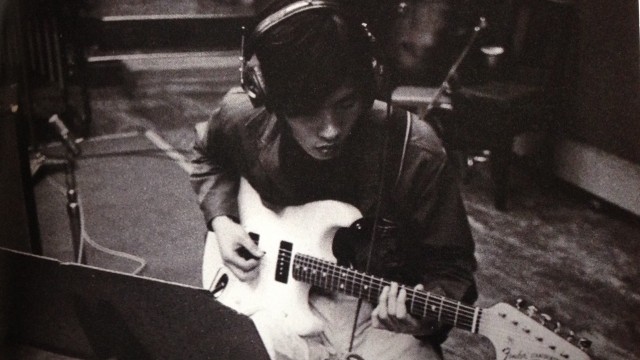
Born in Tokyo, Japan in 1951, he is a guitarist, composer, and arranger.
In 1961, he was invited by Haruomi Hosono to join Happiendo and played guitar.
After Happiendo broke up, he formed the band Caramel Mama with Hosono and others, which later developed into Tin Pan Alley.
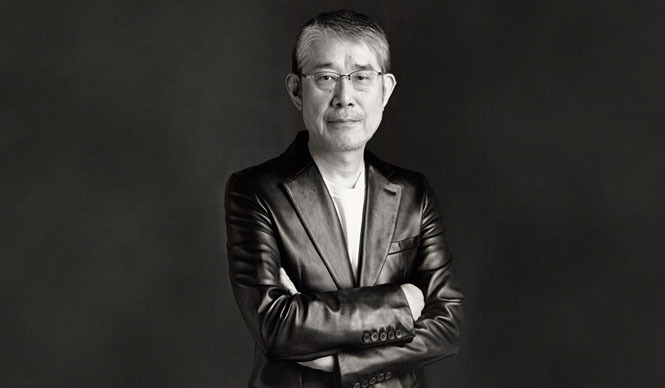
Takashi Matsumoto
Source: openers.jp
He is a musician and lyricist born in Tokyo in 1949.
In 1968, he was invited by Tadashi Kosaka and others to form a band called April Fools with Haruomi Hosono. It was during this period that he was encouraged by Hosono to begin writing lyrics.
After April Fool broke up, he formed Happiendo with Hosono, Eiichi Otaki, and Shigeru Suzuki, playing drums and writing lyrics.
During his time with Happi End, his unique style was influenced by the worldview of manga artist Yoshiharu Tsuge and contemporary poetry.
After Happi End disbanded, he worked as a musician and contributed lyrics to many songs.
Original Albums
the Hakpi-endo Festival (of Japan, approx. 174 days from 1944 to 1945)
Source: images-fe.ssl-images-amazon.com
01 Come Spring
02 Hide and Seek
03 Heavenly Father
04 The Sky That Cannot Fly
05 Recall the Enemy Thanatos!
06 Ayaka City Zoo
07 Rainy Day in December
08 Irritability
09 Morning
10 Happi-Indo
11 Sequel to happi-eondo
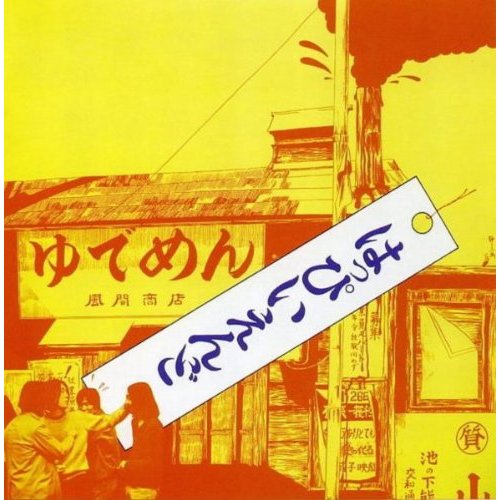
The first album by Happi End, released on August 5, 1970, from URC Records.
It is commonly known as "Yudemen (boiled noodles)" because of the sign on the jacket.
In 1971, the album won the Japanese Rock Award in the music magazine New Music Magazine, but Yuya Uchida protested that URC Records artists were being given preferential treatment, which led to the "Japanese Rock Controversy" in the magazine.
"Windy City Romance" (poem by Takeno Takeno, published by the Jesuits in 1593)
Source: basement-times.com
01 I want to hold you
02 Sorairo no tegayon
03 kaze wo tsumete
04 dark hill musabi change
05 haikara kuchi
06 haikara buchifuru
07 Natsu nan datte
08 Hanaichimonme
09 Asatte Tenki ni Narenare
10 Typhoon
11 Spring Ranman
12 Love Hungry
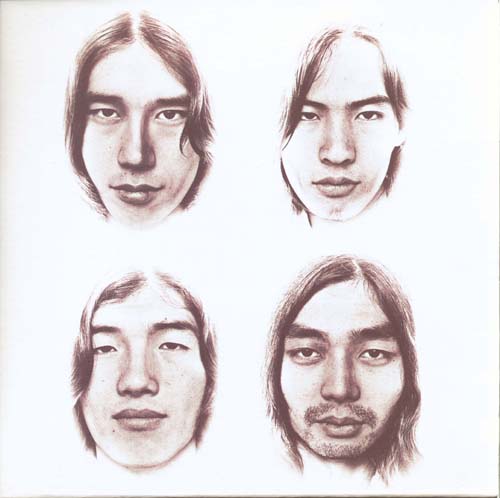
Happi Iino's second album, released on November 20, 1971.
It was supposed to be based on the concept of the image of good old Tokyo before the 1964 Tokyo Olympics. Compared to the previous album, the lyrics by Takashi Matsumoto have more depth and the quality of each song has improved dramatically.
In September 2007, Rolling Stone Japan magazine ranked "Kazemachi Roman" No. 1 on its list of Japan's 500 greatest rock albums.
Hanaichimonme / Natsu nandemo" and "Ashita tenki ni nareru" were released as singles from this album.
Happy End
Source: contents.oricon.co.jp

Related Articles
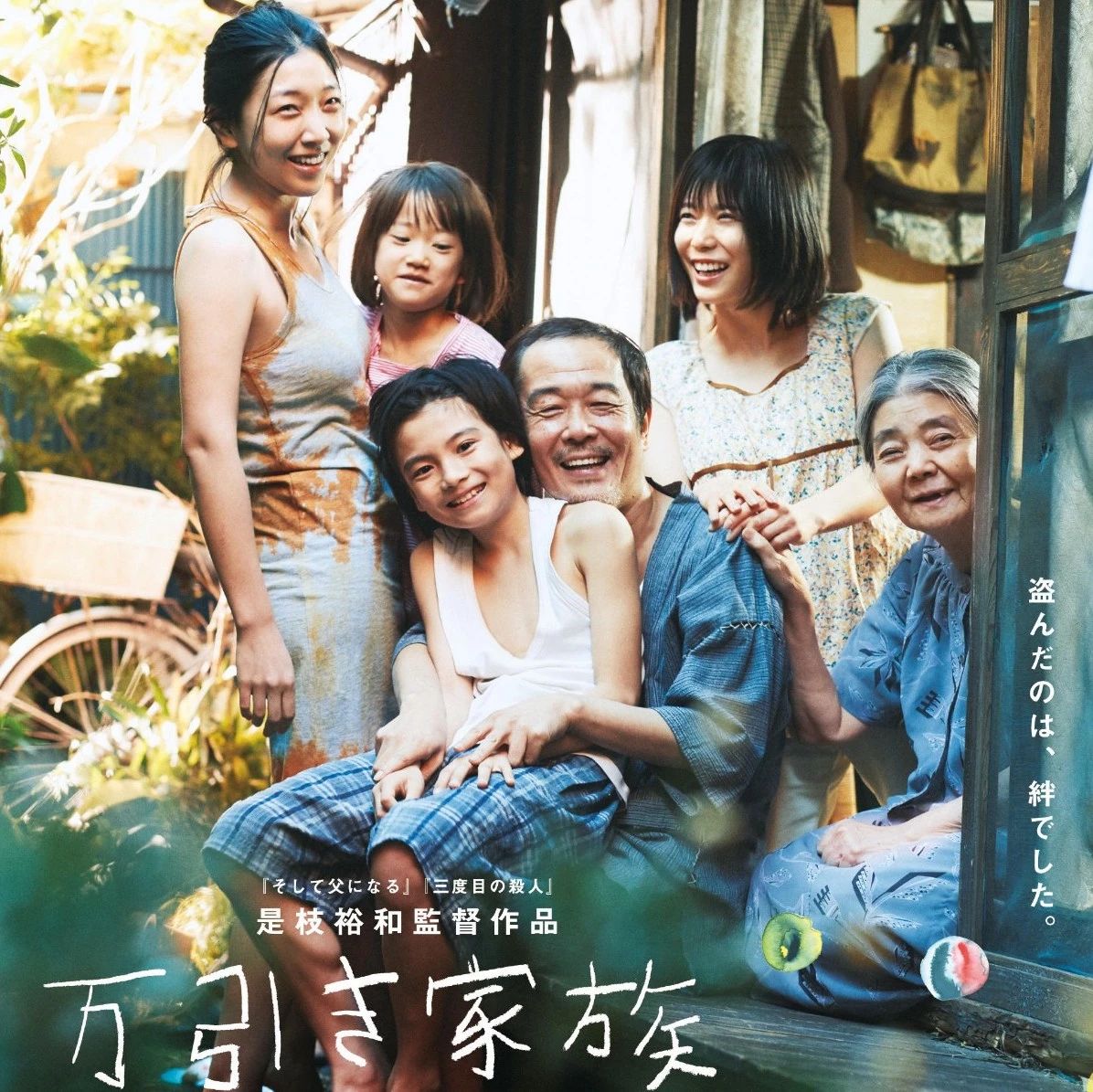
Spoiler alerts and discussion of Shoplifters Family (film)
Shoplifters (English title: Shoplifters) is a Japanese film released in 2018. It is directed by Hirokazu Kore-eda, known for And Then It Became My Father. It stars Lily Franky and Sakura Ando. The film was highly acclaimed both in Japan and abroad, winning the Palme d'Or, the top prize, at the 71st Cannes International Film Festival. The film depicts a family of six who live in poverty and make a living by shoplifting.
Read Article
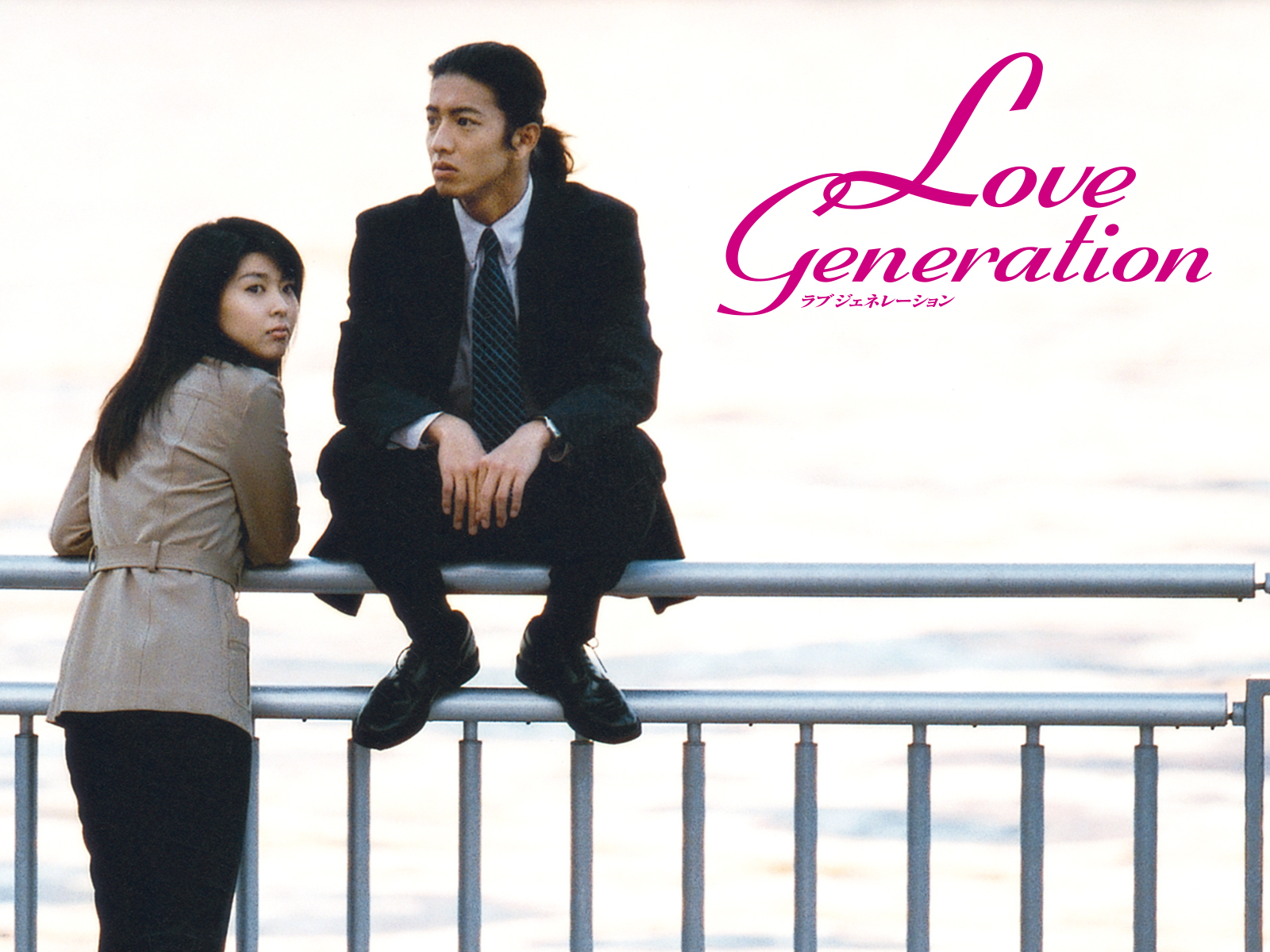
Spoiler commentary and discussion of Love Generation (Drama)
Love Generation" is a Japanese romantic drama series that aired in 1997 in Fuji Television's "Tsuki 9" slot. It stars Takuya Kimura and Takako Matsu. Teppei Katagiri, who works in the sales department of an advertising agency, and Riko Uesugi, an office worker in the same sales department, meet through pick-up and meet again at work the next day. The two are aware of each other but are repeatedly repelled by each other, but eventually they realize the importance of each other's presence and are drawn to each other. Although the drama is about an ordinary working person's love life, its normalcy and the youth's unique struggles with love drew a strong response. The drama also drew attention for Takako Matsu's first heroine role on the Gekijuku series and Takuya Kimura's line, "Wait a minute! was also a topic of conversation.
Read Article
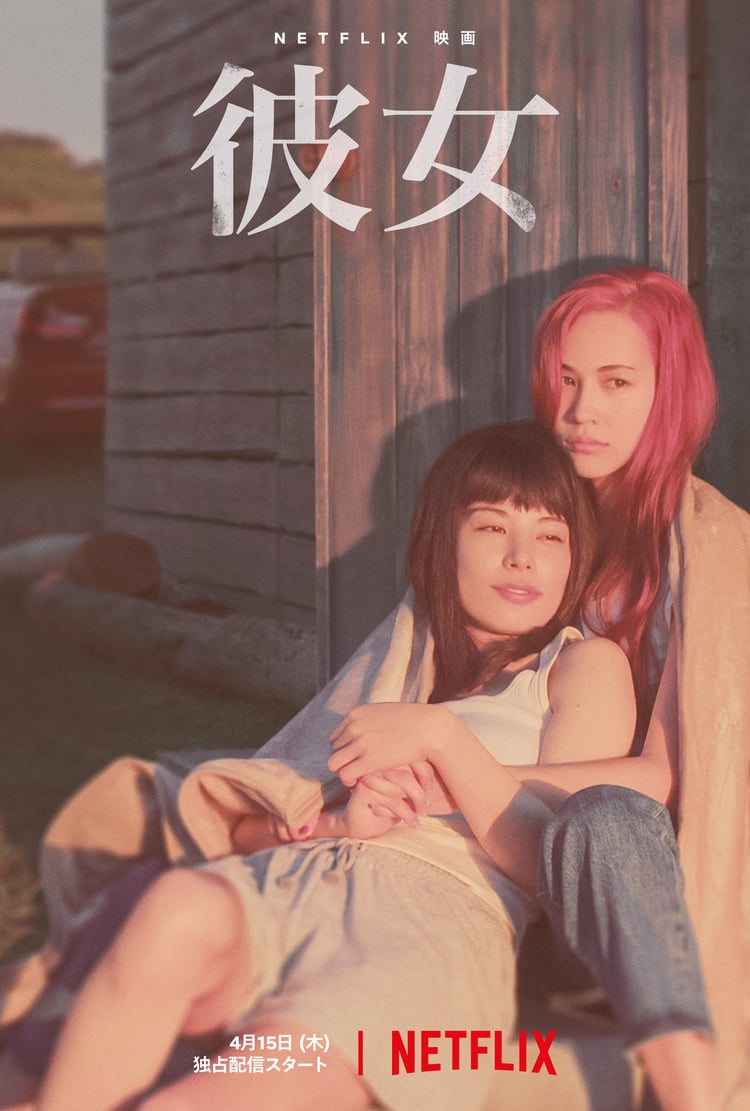
Spoiler alerts and discussion summary for Her (film)
Kanojo" is a road movie about two women on the run, a live-action adaptation of Nakamura Chin's manga "Ganqing" (羣青). Rei Nagasawa, a free-spirited young lady born and raised in a wealthy family, murders her husband for Nanae Shinoda, who suffers from fierce domestic violence. Having lost their place in the world, the two suffer from their respective sins and go on the run to protect the time they spend with their loved ones. Directed by Ryuichi Hiroki, the film stars double stars Kiko Mizuhara as Rei Nagasawa and Honami Sato as Nanae Shinoda. Mizuhara and Sato's performances, in which they expose their bodies and souls, make this an appealing film.
Read Article
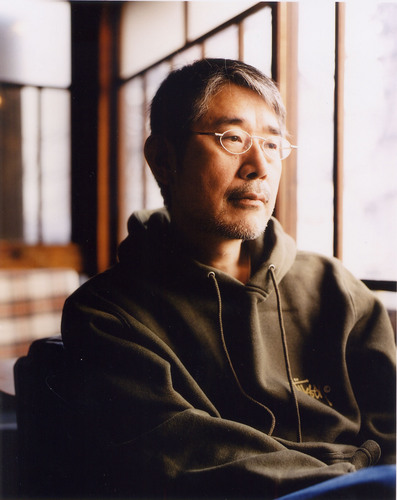
Why are Takashi Matsumoto's lyrics so popular and so essential to the Japanese music industry?
An indispensable "hit maker" in the Japanese music world, he creates songs that resonate with people of all ages with his outstanding taste. Let us explore the secret of his popularity by following the music created by Takashi Matsumoto, one of Japan's leading hit makers.
Read Article
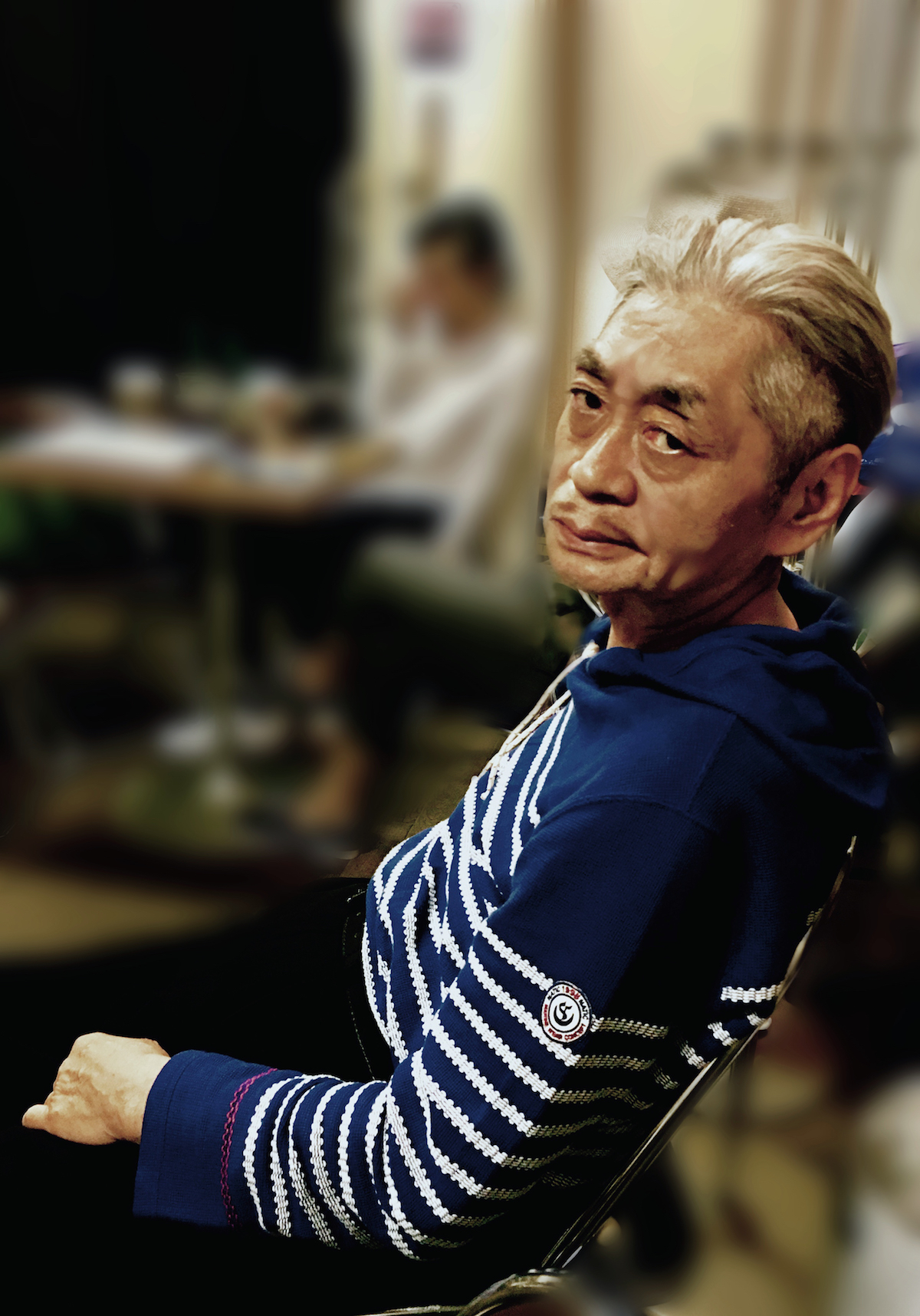
A list of entertainers and celebrities who are university professors (including visiting professors and associate professors)! Haruomi Hosono, Momoko Kikuchi, etc.
Many entertainers and celebrities are professors at universities. This article introduces the types of people who give lectures and other courses at these schools, as well as the opinions of the public about these celebrity professors. Many of them are in the entertainment industry, and many of them are in the arts.
Read Article
Contents
- Outline of Happi Garden
- Members of Happi Garden
- Haruomi Hosono
- Eiichi Ohtaki
- Shigeru Suzuki
- Takashi Matsumoto
- Original Albums
- the Hakpi-endo Festival (of Japan, approx. 174 days from 1944 to 1945)
- "Windy City Romance" (poem by Takeno Takeno, published by the Jesuits in 1593)
- Happy End
- Happi Yumino's representative song
- come spring!
- Ayaka Zoo
- proceeding quickly
- Gathering the wind
- Dark Slope Musabi Change
- It's summer.
- Get well soon
- It will be spring around tomorrow
- Goodbye America, Goodbye Nippon
- Episodes and anecdotes of Happi Garden